


 Önizleme yap
 Paylaş
 Paylaş
 Detayları Gör
 Rehber

 İndir
İndir
 Benzerlerini gör
 X-Işını
 Slayt Gösterisi
 İstatistikler
Peace

Experience 'Peace' by Pablo Picasso – a powerful anti-war masterpiece depicting suffering and resilience through bold colors & fragmented forms. A timeless symbol of humanity’s struggle for harmony.
 Tümünü Gör
Pablo Picasso (1881-1973), Kübizm'in öncüsü ve modern sanatın devrimcisidir. Guernica ve Les Demoiselles d'Avignon gibi ikonik eserleriyle tanınır, sanata olan etkisiyle ilham vermeye devam ediyor.
Giclée / Sanat Baskısı
Hızlı üretim ve esnek bitiş seçenekleriyle müze kalitesinde giclée veya kanvas baskı. ( El yapımı tablo satın al Dijital Görsele Geç)




P118B $10

P118H $10

P118W $10

P438Z $10

P508JH $12

P508YH $12

P805H $10

P805Z $10

P919BZ $10

P919G $10

P919XJ $10

P959ZH $10

P968JZ $12

W106C $8

W218G $10

W218JH $8

W218Y $10

W307PJ $10

W316G $10

W316PJ $8

W316Y $10

W398PJ $8

W4111J $10

W500HY $15

W500JH $15

W692G $12

W849H $8

W940BG $15

W953PJ $8




Standart
kişiye özel
CM
INCH
Eserin orijinal oranlarıyla uyumlu, önceden belirlenmiş boyutlarımız arasından seçim yapın.
Loading sizes...

genişlik
yükseklik
Belirli bir çerçeveye veya alana uyması için kendi ölçülerinizi girebilirsiniz. Seçtiğiniz boyut orijinal görüntünün oranlarıyla eşleşmiyorsa, sanat eserini kırpacağız veya görüntüyü aynalanmış ya da düz dolgulu bir kenarlıkla genişleteceğiz. Üretim başlamadan önce onayınız için bir dijital taslak gönderilecektir.
Lütfen ekrandaki önizlemenin gerçek kırpma veya genişletmeyi yansıtmadığını unutmayın. Nihai kompozisyonu yalnızca taslak doğru bir şekilde gösterecektir.
Özel boyutlar mevcut olsa da, orijinal oranları korumak için önceden tanımlanmış listeden bir boyut seçmenizi öneririz.
Dünya Çapında Teslimat (); standart 4/5 hafta yerine 2 haftada. (23 Eylül)

Dünya Çapında Ücretsiz Ekspres Kargo

Yüksek Kaliteli Keten Tuval

Tam Kapsamlı Nakliye Sigortası

Gümrük Vergisi İade Garantisi

Gerçek Renk Uyumu Garantisi

100 Günlük İade Politikası (Sadece Kusurlu Ürünler İçin)

%100 Para İade Garantisi

Toplu Alım İndirimi
 Cam seçeneği yalnızca 110 cm altındaki boyutlar için mevcuttur.

Peace
Giclée / Sanat Baskısı
Reproduksiyon Boyutu
-


Toplam Tutar
$ 69
The Genesis of a Symbol: Pablo Picasso’s “Peace”
Pablo Picasso's 1949 lithograph, "Peace," isn’t merely a depiction of a dove; it’s an embodiment of hope forged in the crucible of wartime devastation. Born from a commission for the Paris International Exposition, this work transcends its initial purpose as a poster to become one of the most enduring and universally recognized symbols of peace ever created. Picasso, deeply affected by the horrors of World War II and the burgeoning threat of nuclear conflict, responded with an image that resonated far beyond the confines of political discourse – a simple, yet profoundly moving representation of serenity amidst chaos.
The genesis of this iconic piece is inextricably linked to Picasso’s lifelong fascination with birds. Throughout his career, he frequently depicted them, often imbued with symbolic weight. His early association with Henri Matisse, who gifted him a snow-white pigeon – the model for this particular “Dove of Peace” – cemented this connection. This wasn't simply an artistic whim; it was a deliberate choice to utilize a creature universally associated with gentleness, freedom, and innocence. The selection of a dove as the emblem for peace speaks volumes about Picasso’s belief in the potential for harmony and reconciliation, even in the darkest of times.
Deconstructing the Image: Form and Technique
Unlike the more detailed and expressive “Dove of Peace” created in 1949, this particular iteration is strikingly minimalist. The composition relies heavily on stark black lines against a white background, creating an almost graphic quality. The dove itself is rendered with a simplified, almost childlike style – a deliberate choice that elevates its symbolic power. It’s not a realistic depiction; rather, it's a distilled essence of peace, instantly recognizable and universally understood.
- Line Work: Picasso employs bold, confident lines to define the form of the dove, conveying a sense of strength and stability despite its delicate subject matter.
- Negative Space: The use of negative space – the areas around and between the lines – is crucial to the image’s impact, creating an airy, ethereal quality that reinforces the feeling of serenity.
- Lithograph Technique: As a lithograph, the image was created using a complex process involving stone etching and printing. This technique lends itself perfectly to the clean lines and stark contrasts of the composition, emphasizing its graphic nature.
A Historical Echo: Guernica and the Call for Peace
The creation of “Peace” occurred in the aftermath of World War II, a period marked by unprecedented global conflict and widespread suffering. Picasso’s earlier masterpiece, *Guernica* (1937), painted in response to the bombing of the Basque town of Guernica during the Spanish Civil War, served as a powerful indictment of violence and destruction. The trauma of this event deeply affected Picasso, fueling his desire to create an image that offered a counterpoint to the horrors he had witnessed. “Peace,” therefore, can be seen as a direct response to *Guernica*, representing a yearning for reconciliation and a rejection of war’s devastating consequences.
The timing of its creation – 1949 – coincided with the United Nations' establishment and the growing international movement advocating for peace. Picasso’s image was adopted as an emblem by various peace organizations, further amplifying its message and solidifying its place in the global consciousness. It became a visual shorthand for hope amidst uncertainty, a reminder of humanity’s capacity for compassion and cooperation.
Beyond Representation: The Enduring Legacy
“Peace” is more than just an image; it's a testament to the power of art to transcend political boundaries and speak directly to the human spirit. Its simplicity, combined with its profound symbolism, has ensured its continued relevance across generations. Today, it remains one of the most recognizable symbols of peace in the world – a poignant reminder that even in times of conflict, the pursuit of harmony is always possible. Reproductions of this iconic lithograph continue to be sought after by collectors and interior designers alike, offering a tangible connection to a powerful message of hope and reconciliation.
Sanatçı Özgeçmişi
Pablo Picasso: Sanatın Sınırlarını Yıkan İspanyol Dehası
Pablo Ruiz y Picasso, 25 Ekim 1881’de Malaga’da doğmuş ve 8 Nisan 1973’te Mougins’de hayata veda etmiş bir İspanyol ressam, heykeltıraş, baskı sanatçısı, seramik sanatçısı ve sahne tasarımcısıydı. Sanat tarihinde en etkili figürlerden biri olarak kabul edilen Picasso, özellikle Georges Braque ile birlikte Kübizm akımını başlattığı için tanınır. Onun sanatsal mirası, 20. yüzyıl sanatının gelişimini derinden etkilemiş ve günümüz estetiğine de ilham vermeye devam etmektedir. Çocukluğundan itibaren resim yeteneği açıkça belli olan Picasso’nun ilk öğretmenleri arasında babası José Ruiz y Blasco yer almıştır. Babasının yönlendirmesiyle Malaga, La Coruña ve Barcelona gibi şehirlerde sanat eğitimi almış, ancak akademik kuralların sınırlarını aşarak kendi özgün tarzını yaratmaya odaklanmıştır. Ailesinin yaşadığı kişisel trajediler, özellikle kız kardeşinin kaybı, Picasso’nun eserlerine melankolik bir hava katmış ve ölüm temalarını işlemesine neden olmuştur.Mavi Dönemden Gül Tonlarına: Duygusal Derinliklerin Sanatsal İfadesi
20. yüzyılın başlarında Picasso'nun sanatsal kariyerinde iki belirgin dönem ortaya çıkmıştır: Mavi Dönem (yaklaşık 1901-1904) ve Gül Dönemi (1904-1906). Mavi Dönem, kişisel zorluklardan ve toplumsal acılara duyduğu derin farkındalığın bir yansıması olarak ortaya çıkmıştır. Bu dönemde resimlerinde ağırlıklı olarak mavi ve maviyesiler tonları hakimdir. Yoksulluk içinde yaşayan, görme engelli, hayat kadınları gibi toplumun dışlanmış figürleri, Picasso’nun dokunduğu temel temalar arasında yer alır. La Vie (1903) ve Eski Gitar Çalacı (1903-1904) adlı eserleri, bu duygusal yoğunluğun çarpıcı örnekleridir. Kişisel hayatındaki değişimler ve Paris’e taşınmasıyla birlikte Gül Dönemi başlamış, renk paleti pembe, turuncu ve kırmızı tonlarını kucaklayarak daha sıcak bir atmosfere bürünmüştür. Bu dönemde Picasso, sirk sanatçılarına – palyaçolar, trapezciler ve aile grupları – olan ilgisini yansıtmıştır. Saltimbanekler Ailesi (1905) adlı eseri, bu geçişin güzel bir örneğidir ve önlerinde yatan stilistik keşiflere işaret etmektedir.Bakış Açısının Parçalanması: Kübizm ve Ötesi
1907 yılı, sanat tarihinde önemli bir dönüm noktası olarak kabul edilir; çünkü Les Demoiselles d'Avignon adlı eseriyle Kübizm’in temelleri atılmıştır. İberya heykellerinden ve Afrika maskelerinden aldığı ilhamla Picasso, geleneksel perspektif ve temsiliyet anlayışını yıkarak sanat dünyasında bir devrim başlatmıştır. Georges Braque ile yakın işbirliği içinde Kübizm akımının eş kurucusu olmuş ve sanatçıların gerçekliği algılama ve tasvir etme biçimini kökten değiştirmiştir. Analitik Kübizm (1909-1912) döneminde nesneler geometrik şekillere ayrılmış, yumuşak renklerle ifade edilerek formun kendisi analiz edilmiş gibi görünmüştür. Bu yaklaşım, doku ve yeni görsel katmanlar ekleyerek kolaj öğelerinin dahil edildiği Sentetik Kübizm (1912-1919) ile evrilmiştir. Picasso, dünyayı sadece temsil etmekle kalmamış, onu kendi kurallarına göre ayrıştırmış ve yeniden inşa etmiştir.Sürekli Deneyen Bir Sanatçı: Neoklasisizm, Sürrealizm ve Savaşın İzleri
1920’ler, Picasso'nun kısa bir süre için Neoklasik tarzları keşfettiği dönemi kapsar; bu dönemde klasik formlara gönderme yapan anıtsal figürler yaratmıştır. Aynı zamanda yükselen Sürrealist hareketle de etkileşim halindeydi, ancak hiçbir zaman tam olarak bu akımın ilkelerine bağlı kalmadı. Bu dönemdeki çalışmaları, önceki stilistik etkileri sürreal imgeler ve çarpık perspektiflerle birleştirerek bitmek bilmeyen denemelerini sergilemiştir. İspanya İç Savaşı'nın dehşeti, Picasso’yu derinden etkilemiş ve Guernica (1937) adlı eserin ortaya çıkmasına neden olmuştur. Bu anıtsal eser, Guernica kasabasının bombalanmasına karşı duyduğu öfkeyi yansıtan, canlı ve duygusal olarak yıkıcı bir tepkiyi temsil etmektedir. Guernica, savaşın korkunçluğunu simgeleyen kalıcı bir sembol haline gelmiş ve Picasso’nun sadece bir sanatçı değil, aynı zamanda barış ve sosyal adalet için güçlü bir ses olduğunu kanıtlamıştır. 1950'ler ve 60'larda seramik, heykel ve baskı sanatı gibi farklı alanları keşfederek merakını ve yeteneğini sürdürmüştür. 1961’de Jacqueline Roque ile evlenmesi, kişisel hayatına yeni bir boyut katmış ve sanatsal ifadesini zenginleştirmiştir.Tartışılamaz Bir Etki
Pablo Picasso, 8 Nisan 1973'te Fransa'nın Mougins kentinde hayata veda ettiğinde ardında yaklaşık 50.000 parçadan oluşan muazzam bir eser bırakmıştır; bu eserler günümüzde de izleyicileri büyülemeye ve ilham vermeye devam etmektedir. Sanatsal gelişimi, Velázquez ve Goya gibi İspanyol ustaların yanı sıra İberya heykelleri, Afrika sanatı ve Henri Matisse’in canlı renk paletleri gibi çeşitli etkilerden şekillenmiştir. 20. yüzyıl sanatındaki etkisi ölçülemezdir. Kübizm'i kurucularından biri olmuş, kolajı ve yapay heykelciliği öncüleştirmiş ve sürekli olarak sanatsal geleneklere meydan okumuştur. Picasso’nun bitmek bilmeyen denemeleri modern sanatı yeniden tanımlamış ve nesiller boyunca sanatçılara ilham vererek tarihteki en önemli ve etkili figürlerden biri olduğunu pekiştirmiştir. Mirası, tuvalin ötesine geçerek çağdaş kültürün birçok yönünde yankı bulmakta ve sanatsal vizyonun dönüştürücü gücünü hatırlatmaktadır.
Pablo Picasso
1881 - 1973 , İspanya
Kısa Bilgiler
- Artistic Movement Or Style: Kübizm, Sürrealizm
- Artists Or Movements Influenced By This Artist:
- Kübizm
- Modern sanat
- Artists Who Influenced This Artist:
- Velázquez
- Goya
- Matisse
- Date Of Birth: 25 Ekim 1881
- Date Of Death: 8 Nisan 1973
- Full Name: Pablo Diego José Ruiz Picasso
- Nationality: İspanyol
- Notable Artworks:
- Les Demoiselles d'Avignon
- Guernica
- Eski Gitarist
- La Vie
- Saltimbankes Ailesi
- Place Of Birth: Málaga, İspanya
İlgili Makaleler

Cubism Unveiled: How Picasso and Braque Redefined Modern Art through Geometric Revolution
Explore the revolutionary world of Cubism. Discover how Pablo Picasso and Georges Braque dismantled perspective to redefine modern art through geometric innovation and analytical mastery. An essential guide for art students, collectors, and history enthusiasts.

Cubism Unveiled: How Picasso and Braque Redefined Reality Through Geometric Abstraction
Explore the revolutionary world of Cubism. Discover how masters Pablo Picasso and Georges Braque dismantled reality through geometric abstraction to redefine modern art history.

Cubism Explained: How Picasso and Braque Shattered Reality to Redefine Modern Art
Master the complexities of Cubism with our expert guide. Explore how Picasso and Braque revolutionized modern art through fragmentation, multiple perspectives, and geometric innovation. Perfect for art students and collectors seeking deep historical insight.

Pablo Picasso: A Revolutionary Vision – Cubism, Symbolism & Enduring Legacy
Explore the revolutionary art of Pablo Picasso with TopImpressionists.com. Discover Cubism's origins, symbolism in his masterpieces & investment insights for collectors. Expert appraisal & custom reproductions available.
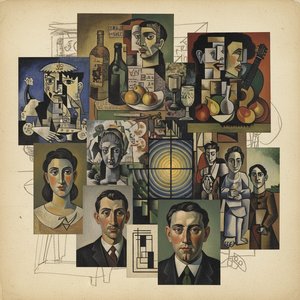
Cubism's Revolution: 10 Masterpieces That Redefined Modern Art | TopImpressionists
Explore 10 Cubist masterpieces by Picasso, Braque & more! Delve into the history of this revolutionary art movement. Find museum-quality reproductions and elevate your home decor with TopImpressionists. Discover all masterpieces on TopImpressionists.com
Temalara, stillere ve özelliklere göre düzenlenmiş sanat eserlerini keşfedin.


