


 Önizleme yap
 Paylaş
 Paylaş
 Detayları Gör
 Rehber

 İndir
İndir
 Benzerlerini gör
 X-Işını
 Slayt Gösterisi
 İstatistikler
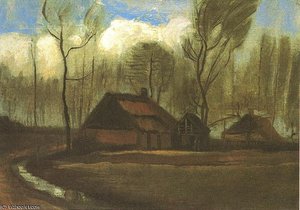
Evlerde Ağaçlarla


Vincent van Gogh'nın büyüleyici 'Evlerde Ağaçlarla' tablosuyla huzurlu bir pastoral sahneyi keşfedin. İkonik bir eser olan bu yağlı boya sanatının güzelliğini TopImpressionists'da yüksek kaliteli baskılarda yaşayın.
 Tümünü Gör
Vincent van Gogh: 'Yıldızlı Gece' ve 'Ayçiçekleri' gibi ikonik eserleriyle tanınan Hollandalı post-empresyonist ressam. Düşkünlüğü ve tutkulu fırça darbeleriyle modern sanata damgasını vurdu.
El Yapımı Yağlı Boya Reproduksiyon
Sanatçılarımız tarafından sipariş üzerine hazırlanan; istediğiniz boyut ve çerçevede, tuval üzerine el boyaması yağlı boya. ( Baskı Moduna Geç Dijital Görsele Geç)




P118B $10

P118H $10

P118W $10

P438Z $10

P508JH $12

P508YH $12

P805H $10

P805Z $10

P919BZ $10

P919G $10

P919XJ $10

P959ZH $10

P968JZ $12

W106C $8

W218G $10

W218JH $8

W218Y $10

W307PJ $10

W316G $10

W316PJ $8

W316Y $10

W398PJ $8

W4111J $10

W500HY $15

W500JH $15

W692G $12

W849H $8

W940BG $15

W953PJ $8




Standart
kişiye özel
CM
INCH
Eserin orijinal oranlarıyla uyumlu, önceden belirlenmiş boyutlarımız arasından seçim yapın.
Loading sizes...

genişlik
yükseklik
Belirli bir çerçeveye veya alana uyması için kendi boyutlarınızı girebilirsiniz. Seçtiğiniz boyut orijinal görüntünün oranlarıyla eşleşmiyorsa, sanat eserini kırparak veya ek el boyaması öğelerle resmi uzatarak ayarlayacağız. Üretim başlamadan önce onayınız için dijital bir taslak gönderilecektir.
Lütfen ekrandaki önizlemenin gerçek kırpmayı veya uzatmayı yansıtmadığını unutmayın. Nihai kompozisyonu yalnızca hazırlanan taslak doğru şekilde gösterecektir.
Özel boyutlar mevcut olsa da, orijinal oranları korumak adına önceden tanımlanmış listeden bir boyut seçmenizi öneririz.
Değiştirilebilecek örneklere dair: Yüzün müşteri fotoğrafıyla değiştirilmesi; Evcil hayvan eklenmesi (örneğin kedinin köpek ile değiştirilmesi); Arka plana gizli bir mesaj dahil edilmesi; Arka plan manzarasının veya öğelerinin değiştirilmesi.
Siparişten sonra, TopImpressionists.com ekibi talimatlar için müşteriye e-posta gönderecek ve bir taslak önizleme sunacaktır
Siparişten sonra, TopImpressionists.com ekibi talimatlar için müşteriye e-posta gönderecek ve bir taslak önizleme sunacaktır
Dünya Çapında Teslimat (); standart 5 hafta yerine 3/4 haftada. (23 Eylül). Kaliteden ödün verilmez.

Dünya Çapında Ücretsiz Ekspres Kargo

Yüksek Kaliteli Keten Tuval

Tam Kapsamlı Nakliye Sigortası

Gümrük Vergisi İade Garantisi

Gerçek Renk Uyumu Garantisi

100 Günlük İade Politikası (Sadece Kusurlu Ürünler İçin)

%100 Para İade Garantisi

Toplu Alım İndirimi
 Cam seçeneği yalnızca 110 cm altındaki boyutlar için mevcuttur.

Evlerde Ağaçlarla
Reproduksiyon Tekniği
Reproduksiyon Boyutu
-


Toplam Tutar
$ 269
Farmhouses Among Trees: A Window Into Van Gogh’s Rural Vision
Vincent van Gogh's ‘Farmhouses Among Trees,’ painted in 1883 during his formative years in The Hague, transcends mere depiction; it embodies the very essence of Impressionism’s embrace of light and atmosphere. This oil on canvas masterpiece isn’t simply a landscape—it’s a carefully constructed meditation on tranquility, observation, and the artist's burgeoning fascination with capturing the soul of rural life. You can admire this stunning artwork at /tr/art/show/art-5zkgcc-tr/The Artistic Technique: Impressionistic Realism
Van Gogh’s approach to ‘Farmhouses Among Trees’ distinguishes it from purely representational art of the period. While rooted in realism—a stylistic trend prevalent at the time—he skillfully blended it with Impressionistic techniques. The thick impasto brushstrokes, characteristic of Van Gogh's style, create a palpable texture that draws viewers into the scene. These bold strokes aren’t merely applied; they vibrate with energy, conveying movement and capturing the fleeting effects of sunlight filtering through the trees. Notice how the artist builds up layers of paint to achieve depth and luminosity—a deliberate departure from traditional methods aimed at achieving photographic accuracy.A Palette of Quietude: Color Harmony and Symbolism
The color palette employed in ‘Farmhouses Among Trees’ is remarkably restrained, prioritizing muted hues that evoke a sense of serenity. Dominant shades of olive green and earthy browns dominate the landscape, reflecting the colors of the wheat fields and tree trunks. However, splashes of warmer yellows and oranges punctuate the composition—primarily concentrated around the farmhouse windows—suggesting warmth and inviting light. These subtle color choices aren’t accidental; they contribute to the painting's overarching mood of peaceful contemplation. Furthermore, the placement of the farmhouses amidst dense foliage symbolizes resilience and harmony with nature – themes frequently explored by Van Gogh throughout his oeuvre.Historical Context: The Hague Years and Artistic Exploration
Painted during Van Gogh’s time at the Royal Academy of Art in The Hague, ‘Farmhouses Among Trees’ represents a crucial stage in his artistic evolution. Prior to this period, he experimented with darker palettes and more expressive brushwork, influenced by artists like Jean-François Millet. However, here, he demonstrates a newfound sensitivity to light and color—a hallmark of Impressionism—reflecting the influence of artists such as Claude Monet and Frédéric Bazille whom he admired during his travels in France. This painting signifies Van Gogh’s growing confidence in his artistic vision and marks a decisive step toward establishing his distinctive style.Emotional Resonance: Capturing the Essence of Rural Beauty
Ultimately, ‘Farmhouses Among Trees’ succeeds in conveying an unparalleled emotional resonance. It's more than just a depiction of a landscape; it’s an invitation to experience its tranquility—to feel the warmth of sunlight on weathered stone and the stillness of the countryside. Van Gogh’s masterful use of color and texture captures not only the visual beauty of the scene but also its underlying spirit – a profound appreciation for simplicity, honesty, and connection with the natural world. This painting continues to inspire viewers today with its timeless elegance and enduring power.- View this masterpiece at: /tr/art/show/art-5zkgcc-tr/
- Explore similar artworks by Vincent van Gogh on TopImpressionists.
Benzer Eserler




Sanatçı Özgeçmişi
Tutkunun Fırça Darbeleriyle Boyanmış Bir Yaşam: Vincent van Gogh
Vincent Willem van Gogh, canlı renklerin ve ham duyguların eş anlamlısı olarak anılan bir isim; sanat tarihinin en tanınmış ve sevilen figürlerinden biri olmaya devam ediyor. 30 Mart 1853’te Hollanda'nın Zundert kentinde doğan Van Gogh’un, sıkıntılı gençlikten sanatsal vizyona uzanan yolculuğu, bağlılık, mücadele ve nihayetinde kalıcı bir mirasın dokunaklı bir öyküsüdür. Hayatının sonuna kadar yalnızca bir tablo (*Kırmızı Bağ*) satmış olmasına rağmen, Van Gogh’un modern sanat üzerindeki etkisi ölçülemez; Ekspresyonizmin önünü açarak onu takip eden sayısız sanatçıyı etkilemiştir. Onun hikayesi sadece fırça darbeleri ve tuvallerden ibaret değildir; zorlukların üstesinden gelen insan ifadesinin gücünün bir kanıtıdır.Erken Yıllar ve Sanatsal Uyanış
Van Gogh’un ilk yıllarında, gerçekleşmeyen arzularla dolu bir dizi deneyim yaşandı. Resme adanmadan önce sanat simsarı, öğretmen ve hatta misyoner gibi çeşitli mesleklerle uğraştı. Bu erken dönem deneyimleri onun dünya görüşünü derinden etkiledi ve sanatsal çalışmalarına yansıdı. Kırsal Belçika’daki köylü yaşamını tasvir eden ilk eserleri, işçi sınıfına derin bir empati ve zorluklarını yansıtan kasvetli bir paletle birlikte ortaya kondu. Jean-François Millet gibi sanatçılardan etkilenen Van Gogh, bu bireylerin onurunu ve dayanıklılığını sert gerçeklikle yakalamaya çalıştı. Ancak sanatsal ufuklarının genişlemesi 1886’da Paris’e taşınmasıyla gerçekleşti. Burada İzlenimcilik ve Post-İzlenimcilik ile tanışarak Monet, Renoir ve Pissarro gibi ustaların tekniklerini özümsedi. Bu maruziyet sanatsal ufuklarını genişletti, daha parlak renkler ve daha gevşek fırça darbeleriyle denemeler yapmasına yol açtı; ancak birçok çağdaşında bulunmayan farklı bir duygusal yoğunluğu korudu. Kardeşi Theo, bu dönemde sanat simsarı olarak önemli bir rol oynadı; finansal destek sağlayarak ve Paris sanat dünyasıyla hayati bir bağ kurdu. İkisi arasındaki kapsamlı yazışmalar, Van Gogh’un sanatsal gelişimi ve kişisel mücadeleleri hakkında paha biçilmez bilgiler sunar.Güney Işıkları ve Patlayıcı Yaratıcılık
Daha canlı bir manzara ve yenilenme hissi arayan Van Gogh, 1888'de güney Fransa’daki Arles’e taşındı. Bu hareket, renklerin patlaması ve yüzeyin enerjiyle titreşen bir doku yaratan kalınca boya uygulama tekniği – impasto – ile karakterize edilen yoğun bir yaratıcı çıktı dönemi işaret etti. İşte *Güneş Çiçekleri*, *Gece Kafesi* ve *Yıldızlı Gece* gibi en ikonik eserlerini ortaya koyduğu yer burasıydı. Provence’un yoğun güneş ışığı, hayal gücünü ateşlerken manzaraları ve natürmortları eşsiz bir canlılıkla tasvir etmesine yol açtı. Sanatsal işbirliği arzusu onu Paul Gauguin'i Arles'e davet etmeye yöneltti; burada bir sanatçı kolonisi kurmayı umuyordu. Ancak ilişkileri gerginleşti ve Van Gogh’un kendi kulağının bir kısmını mutilasyonuna yol açan dramatik bir çatışmayla sonuçlandı. Bu olay, zihinsel durumunun kırılganlığını vurguladı ve tıbbi müdahale ve artan psikolojik sıkıntı döneminin başlangıcını işaret etti.Son Yıllar ve Kalıcı Miras
Kırılmasının ardından Van Gogh gönüllü olarak Saint-Rémy’deki bir sığınağa girdi; burada hem güzellik hem de çalkantı ile çevresindeki manzaraları yakalayan üretken bir şekilde resim yapmaya devam etti. Bu dönemde yaratılan *Yıldızlı Gece* gibi eserler, kozmik bir harika ve derin duygusal derinlik hissiyle dolu. Daha sonra Dr. Paul Gachet’nin gözetimi altında Auvers-sur-Oise’ye taşındı; ancak mücadeleleri devam etti. 29 Temmuz 1880'de 37 yaşında, kendine zarar vermekten kaynaklanan bir silah yarası sonucu trajik bir şekilde hayatını kaybetti. Hayatında pek tanınmamış olmasına rağmen, çalışmaları özellikle eşi Johanna van Gogh-Bonger’in sarsılmaz çabaları sayesinde ölümünden sonra büyük bir takdir kazanmaya başladı; o, mirasını teşvik etmek için kendini adamış ve sanat eserlerini korumuştu. Bugün Van Gogh'un tabloları duygusal yoğunlukları, yenilikçi teknikleri ve kalıcı güzellikleriyle dünya çapında kutlanıyor. Onun mirası tuvalin çok ötesine geçiyor; sanatsal tutkunun, zorlukların üstesinden gelmenin ve sanatın en derin insan duygularını ifade etme gücünün bir sembolü haline geldi.Temel Etkiler ve Sanatsal Gelişim
- Erken Gerçekçilik: Jean-François Millet’nin köylü yaşamı tasvirleri, Van Gogh'un ilk eserlerini etkiledi.
- İzlenimcilik & Post-İzlenimcilik: Paris'te Monet, Renoir, Pissarro ve diğerlerine maruz kalmak paletini ve tekniğini genişletti.
- Japon Baskıları: Van Gogh, canlı bir şekilde koleksiyon yaptığı Japon ahşap baskılarından derinden etkilendi. Cesur kompozisyonları ve düz renk alanları kendi tarzını etkiledi.
- Duygusal İfade: Her şeyden önce Van Gogh sanatı aracılığıyla duyguyu aktarmaya çalıştı; nesnel temsilden ziyade öznel deneyime öncelik verdi. Bu duygusal yoğunluğa odaklanma, Ekspresyonizm’in yolunu açan işinin tanımlayıcı bir özelliği haline geldi.

Vincent Van Gogh
1853 - 1890 , Hollanda
Kısa Bilgiler
- Artistic Movement Or Style: Ard-izlenimci
- Artists Or Movements Influenced By This Artist:
- Expressionizm
- Fauvizm
- Artists Who Influenced This Artist:
- Jean-François Millet
- Rembrandt van Rijn
- Date Of Birth: 30 Mart 1853
- Date Of Death: 29 Temmuz 1890
- Full Name: Vincent Willem van Gogh
- Nationality: Hollandalı
- Notable Artworks:
- Patates Yiyenler
- Ayçiçekleri
- Yıldızlı Gece
- Gece Kafesi
- Place Of Birth: Zundert, Hollanda
İlgili Makaleler

Golden Light & Dutch Skies: The Timeless Magic of Dutch Golden Age Landscapes
Discover the breathtaking beauty of Dutch Golden Age landscapes. Explore the mastery of light, chiaroscuro, and 17th-century realism through an expert art history lens, celebrating the enduring legacy of the Dutch Masters for discerning collectors and art lovers.
Temalara, stillere ve özelliklere göre düzenlenmiş sanat eserlerini keşfedin.


