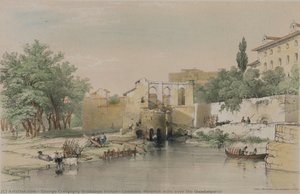
George Crespigny Brabazon Vivian (1878 – 1940): A Pioneer of Topographical Art
George Crespigny Brabazon Vivian, a Canadian-born British soldier and artist, stands as a testament to the intersection of military service and artistic endeavor. Born in Sault Ste. Marie, Ontario, Canada, in 1878, his life unfolded against the backdrop of significant historical events – the Anglo-Boer War and World War I – shaping not only his personal experiences but also profoundly influencing his distinctive artistic style. Vivian’s dedication to capturing the beauty and complexity of landscapes cemented his reputation as a leading topographical artist, leaving an enduring legacy within the British art scene.
Early Life and Military Service
Vivian's formative years were marked by academic pursuits and involvement in various extracurricular activities. However, his trajectory shifted decisively when he enlisted in the Royal Garrison Artillery in 1897, embarking on a distinguished military career that spanned decades. Serving with distinction during both the Second Anglo-Boer War (1899–1902) and World War I (1914–1918), Vivian witnessed firsthand the realities of conflict – experiences which instilled in him a meticulous attention to detail and an unwavering commitment to realism, qualities that would subsequently permeate his artistic creations. The hardships endured during wartime undoubtedly fueled his desire to portray the natural world with unparalleled accuracy.
The Art of Topographical Landscape Painting
Vivian’s artistic vision centered around topographical art – a genre characterized by its painstaking depiction of landscapes and architectural structures. Unlike Impressionists who sought to convey fleeting impressions of light and color, Vivian prioritized capturing the essence of a place through meticulous observation and precise rendering. His canvases became windows into specific locations—primarily Spanish landscapes and views from Italian gardens—where he skillfully employed techniques such as atmospheric perspective and tonal gradation to create immersive scenes that transported viewers directly into their midst.
Notable Works: Capturing Beauty Through Detail
Vivian’s artistic output yielded several noteworthy pieces, each reflecting his mastery of topographical painting. “Cordoba. Moorish mills over the Guadalquivir,” exemplifies his ability to convey mood and atmosphere with remarkable subtlety. The composition skillfully utilizes light and shadow to highlight the grandeur of the Andalusian landscape, capturing the spirit of its historic architecture. Similarly, "Bridge de Cordoba" showcases Vivian’s meticulous attention to architectural detail, presenting a captivating portrayal of this iconic landmark. These artworks stand as compelling examples of his artistic vision and technical prowess.
Legacy and Influence
George Crespigny Brabazon Vivian's contribution to topographical art extended beyond individual paintings; he established himself as an influential teacher and mentor, fostering the development of younger artists who embraced his stylistic approach. His unwavering dedication to realism and his profound understanding of landscape composition continue to inspire contemporary painters. Furthermore, Vivian’s military service instilled in him a disciplined mindset and a deep appreciation for observation—qualities that undoubtedly enriched his artistic practice. He remains remembered as a singular figure – both soldier and artist – whose work embodies the spirit of a bygone era while retaining enduring relevance. His legacy resides not only in his celebrated paintings but also in the lasting impact he had on the art world.