Atölye — Dünya çapında ücretsiz gönderim — 2–6 hafta içinde teslimat
      Aztek İmparatorluğu, 1300 – 1521

      Aztek İmparatorluğu'in En Ünlü 70 Tablosu

      Mosaic of a Double-headed Serpent (1521), Aztek İmparatorluğu denince akla gelen en önemli eserdir; British Museum, Londra bünyesinde yer almaktadır. Head from a Figure, Xochipilli Macuilxochitl (1521) ve Figure (1521), en sevilen üç tablonun üçlüsünü tamamlıyor. Kataloğumuzda Aztek İmparatorluğu tarafından yapılmış 70 eser bulunmaktadır. İşte her bir tuvalin yılı, müzesi ve hikayesiyle birlikte en ünlü 70 eseri.

      Her bir eser için yapılan aramalar, ziyaretler ve siparişlerin birleşimiyle oluşturulan popülerlik puanımıza göre sıralanmıştır. Ekim 2026 tarihinde güncellenmiştir. Bu sayfadaki her bir tablo, keten kanvas üzerine elle boyanmış bir yağlı boya reprodüksiyon olarak veya seçtiğiniz boyutta hazırlanan bir sanat baskısı olarak sipariş edilebilir.

      Aztek İmparatorluğu portresi
      Aztek İmparatorluğu · 1300 – 1521
      Doğum · ölüm
      1300 – 1521, Tenochtitlan
      Kataloğumuzdaki eserler
      70
      En ünlüları
      Mosaic of a Double-headed Serpent (1521)
      En çok eser şu müzede
      Metropolitan Sanat Müzesi

      Aztek İmparatorluğu tarafından yapılmış en sevilen on tablo

      Mosaic of a Double-headed Serpent (1521) tarafından Aztek İmparatorluğu
      1

      Mosaic of a Double-headed Serpent

      1521 · Mosaic · British Museum, Londra

      To gaze upon this mosaic of a double-headed serpent is to step directly into the vibrant, myth-laden heart of the Aztec Empire. It is not merely an object of decoration; it is a captured echo of profound belief, a testament to a civilization whose artistry wove the sacred into the very fabric of daily existence. The serpentine form dominates the composition, its sinuous body rendered in breathtaking detail across countless…

      Head from a Figure, Xochipilli Macuilxochitl (1521) tarafından Aztek İmparatorluğu
      2

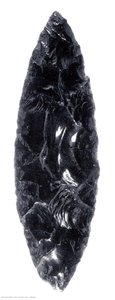
      Head from a Figure, Xochipilli Macuilxochitl

      1521 · Sculpture · Metropolitan Sanat Müzesi, New York

      The obsidian head before us—a dark, almost brooding presence—isn’t merely a sculpture; it's a portal into the vibrant and complex world of the Aztec Empire. Carved in the early 16th century, just decades before the arrival of the Spanish conquistadors, this intimate portrait of Xochipilli Macuilxochitl offers a rare and compelling glimpse into the beliefs, artistry, and ultimately, the fleeting beauty of a vanished civilization. The piece speaks not only…

      Figure (1521) tarafından Aztek İmparatorluğu
      3

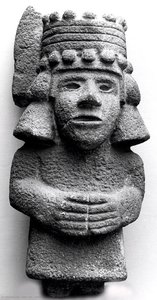
      Figure

      1521 · Stone · Metropolitan Sanat Müzesi, New York

      Before you stands an echo from a civilization whose very name whispers tales of empire and profound spiritual depth: the magnificent "Figure" sculpture. Carved from enduring stone, this piece is not merely an object of antiquity; it is a frozen moment of sacred contemplation. The overall impression is one of solemn power, a tangible connection to the sophisticated worldview of the Aztec people who flourished in the heart of Mesoamerica.…

      Kneeling Male Figure (1521) tarafından Aztek İmparatorluğu
      4

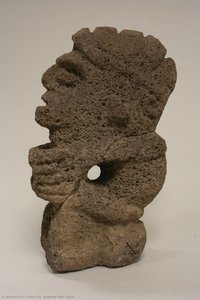
      Kneeling Male Figure

      1521 · Stone · Metropolitan Sanat Müzesi, New York

      To gaze upon this fragment is to reach across the vast chasm of five centuries, touching the solemn breath of an empire long dissolved into myth and archaeological wonder. This kneeling male figure, carved from a dark, porous stone—perhaps basalt itself—is more than mere sculpture; it is a captured moment of profound spiritual engagement. The very texture of the material speaks of time, bearing the patina of ritual smoke and…

      Serpent Labret with Articulated Tongue tarafından Aztek İmparatorluğu
      5

      Serpent Labret with Articulated Tongue

      Acrylic On Canvas · Metropolitan Sanat Müzesi, New York

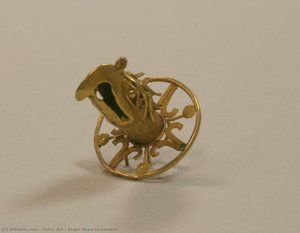
      Serpent Labret with Articulated Tongue The Serpent Labret with Articulated Tongue stands as a testament to the unparalleled artistry of the Aztec Empire—a singular achievement in goldwork that embodies both exquisite craftsmanship and profound symbolic meaning. Discovered in 1937, this remarkable ornament now resides at the Metropolitan Museum of Art (New York City), where it continues to captivate visitors with its mesmerizing beauty and intricate detail. Its provenance is traced…

      Pendent in the Shape of a Warrior (1350) tarafından Aztek İmparatorluğu
      6

      Pendent in the Shape of a Warrior

      1350 · Metalwork · Cleveland Museum of Art, Cleveland

      To hold this piece in your mind is to encounter the quiet strength of the Post-classic period. This small, metallic figure, likely worn close to the body, captures a warrior in a moment of poised readiness. The figure is rendered with a striking sense of presence, characterized by a prominent nose, wide eyes, and a slightly protruding mouth that gives the face a distinct, human character. There is a certain…

      Figure (1521) tarafından Aztek İmparatorluğu
      7

      Figure

      1521 · Stone · Metropolitan Sanat Müzesi, New York

      This monochrome photograph captures an ancient Aztec sculpture titled Figure. The piece presents a stylized representation of a human figure, likely a deity or important individual within the Aztec culture. Set against a dark background that emphasizes its intricate details, the sculpture is positioned slightly off-center towards the right of the frame.

      Vulture Vessel (1521) tarafından Aztek İmparatorluğu
      8

      Vulture Vessel

      1521 · Ceramic · Metropolitan Sanat Müzesi, New York

      This ceramic vessel, produced around 1521 by Aztec artists, takes the shape of a stylized vulture. The object is constructed from earthenware with a robust, cylindrical body. Four curved legs support the structure, positioned to suggest a sense of movement or a bird prepared to perch. The surface is primarily covered in a reddish-brown hue, likely derived from iron oxide pigments. Black glaze defines specific areas, creating bands that outline…

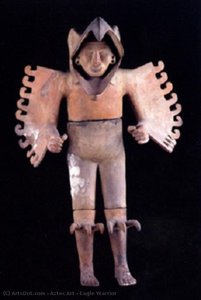
      Standard Bearer (1521) tarafından Aztek İmparatorluğu
      9

      Standard Bearer

      1521 · Stone · Metropolitan Sanat Müzesi, New York

      The Aztec sculpture titled "Standard Bearer," a remarkable testament to the artistry and symbolic depth of the pre-Columbian civilization, stands as more than just a carved stone figure. It’s a window into a complex society—a warrior, a leader, a conduit between the earthly realm and the divine. Dating back to approximately 1450-1521 CE, this piece, originating from the region of Veracruz, offers a tangible connection to a world both familiar…

      Crested Figure (Macuilxochitl) (1521) tarafından Aztek İmparatorluğu
      10

      Crested Figure (Macuilxochitl)

      1521 · Metropolitan Sanat Müzesi, New York

      Crested Figure (Macuilxochitl): Echoes of Aztec Cosmology The photograph presents a striking depiction of an Aztec sculpture titled “Crested Figure (Macuilxochitl),” originating from the 15th–early 16th century during the height of the Mexica Empire. This artwork embodies the artistic spirit of Mesoamerica, reflecting profound religious beliefs and political authority—a testament to the enduring legacy of a civilization that captivated imaginations for centuries. Overall Impression: The image captures a sculpture crafted…

      Aztek İmparatorluğu: sıralamadaki 11 ile 70 arası tablolar

      Seated Male Deity (1521) tarafından Aztek İmparatorluğu
      #12

      Seated Male Deity

      1521 · Metropolitan Sanat Müzesi

      In the quiet presence of the Seated Male Deity, one does not merely observe a sculpture; one encounters a profound fragment of a lost cosmos. Carved during the…

      Kneeling Female Figure (1521) tarafından Aztek İmparatorluğu
      #13

      Kneeling Female Figure

      1521 · Metropolitan Sanat Müzesi

      In the quiet halls of art history, few objects command as much silent reverence as the Kneeling Female Figure. Carved from the dark, enduring strength of basalt, this…

      Miniature Bowl (1521) tarafından Aztek İmparatorluğu
      #15

      Miniature Bowl

      1521 · Metropolitan Sanat Müzesi

      To gaze upon this miniature bowl is to hold a fragment of deep time in one's hands. It is not merely an object, but a tangible whisper from…

      Fragment of An Anthropomorphic Brazier (1300) tarafından Aztek İmparatorluğu
      #16

      Fragment of An Anthropomorphic Brazier

      1300

      This ceramic fragment presents a vertical arrangement of human-like faces. The central feature is a large, sculpted head, upon which smaller faces are positioned in a stacked, layered…

      Ear Spool (1521) tarafından Aztek İmparatorluğu
      #18

      Ear Spool

      1521 · Metropolitan Sanat Müzesi

      Before us lies a fragment of a vanished world, a tangible link to the ingenuity and ritualistic practices of the Aztec Empire. This meticulously crafted ear spool, fashioned…

      El ile boyanmış halini isteyin →
      Seated Female Deity (1521) tarafından Aztek İmparatorluğu
      #19

      Seated Female Deity

      1521 · Metropolitan Sanat Müzesi

      In the quiet shadows of history, certain objects possess the power to bridge the gap between the mortal realm and the eternal. The Seated Female Deity, a profound…

      Aztec Sun Stone (Calendar Stone) (1427) tarafından Aztek İmparatorluğu
      #20

      Aztec Sun Stone (Calendar Stone)

      1427

      The Aztec Sun Stone (Calendar Stone) is a significant work attributed to the Aztec Empire. Carved by the Mexica at the end of the Mesoamerican Postclassic Period, this…

      Seated Male Deity (1521) tarafından Aztek İmparatorluğu
      #31

      Seated Male Deity

      1521 · Metropolitan Sanat Müzesi

      Before us stands a testament to the profound artistry and spiritual depth of the Aztec Empire – a weathered stone sculpture known as the “Seated Male Deity,” or…

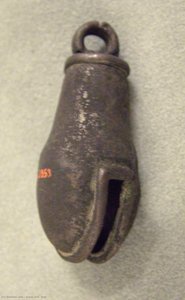
      Bell (1521) tarafından Aztek İmparatorluğu
      #32

      Bell

      1521 · Metropolitan Sanat Müzesi

      Imagine holding a piece of history – not just an artifact, but a tangible echo of a vanished empire. This bronze bell, unearthed from the ruins of Tenochtitlan…

      Bu ışığı evinize taşıyın →
      Spider Monkey (1521) tarafından Aztek İmparatorluğu
      #33

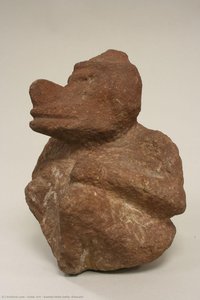
      Spider Monkey

      1521 · Rhode Island School of Design Museum of Art

      This exceptional hand-painted reproduction captures a pivotal moment in Aztec artistic expression – the creation of a remarkably detailed sculpture depicting a spider monkey, dating back to 1521.…

      Cihuateotl (1521) tarafından Aztek İmparatorluğu
      #34

      Cihuateotl

      1521 · Metropolitan Sanat Müzesi

      The stone sculpture known as “Cihuateotl,” a formidable figure emerging from the heart of the Aztec Empire, offers more than just a visual representation; it’s a window into…

      El ile boyanmış halini isteyin →
      Stamp (1521) tarafından Aztek İmparatorluğu
      #35

      Stamp

      1521 · Metropolitan Sanat Müzesi

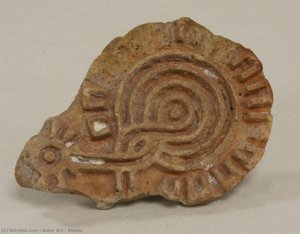
      Before us lies a terracotta fragment, not merely an artifact but a window into the heart of the Aztec Empire. Designated simply as “Stamp,” this weathered ceramic seal…

      Bu ışığı evinize taşıyın →
      Feathered Serpent Ornament (1521) tarafından Aztek İmparatorluğu
      #36

      Feathered Serpent Ornament

      1521 · Metropolitan Sanat Müzesi

      In the quiet, hallowed halls of the Metropolitan Museum of Art, there exists a treasure that transcends the boundaries of time and geography. The Feathered Serpent Ornament is…

      Relief (1521) tarafından Aztek İmparatorluğu
      #37

      Relief

      1521 · Metropolitan Sanat Müzesi

      “Relief,” a meticulously crafted stone carving from the heart of the Aztec Empire, stands as more than just an artistic object; it's a window into a vanished world.…

      Bu ışığı evinize taşıyın →
      Skull Pendant tarafından Aztek İmparatorluğu
      #39

      Skull Pendant

      Metropolitan Sanat Müzesi

      Gazing upon this black and white photograph, one is immediately drawn to the stark simplicity and profound symbolism of the Aztec skull pendant. More than a mere decorative…

      Bu kanvası sipariş edin →
      Stamp (1521) tarafından Aztek İmparatorluğu
      #40

      Stamp

      1521 · Metropolitan Sanat Müzesi

      Within the realm of ancient Mesoamerica lies a deceptively simple object – a terracotta stamp, often referred to as a “stamp” in modern parlance. Yet, this unassuming artifact…

      Bu kanvası sipariş edin →
      Female Deity tarafından Aztek İmparatorluğu
      #41

      Female Deity

      Metropolitan Sanat Müzesi

      The photograph before you offers an arresting window into the heart of Aztec spirituality – a sculpted representation of a female deity, rendered with a profound sense of…

      El ile boyanmış halini isteyin →
      Tripod Bowl tarafından Aztek İmparatorluğu
      #42

      Tripod Bowl

      Metropolitan Sanat Müzesi

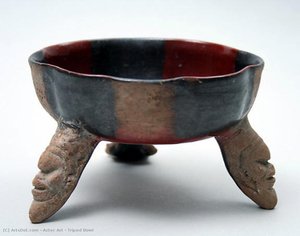
      To gaze upon this Tripod Bowl is to reach across the vast expanse of time, directly into the vibrant heart of the Aztec Empire. It is not merely…

      Maize Deity (Chicomecoatl) tarafından Aztek İmparatorluğu
      #43

      Maize Deity (Chicomecoatl)

      Metropolitan Sanat Müzesi

      Carved from basalt, this sculpture represents Chicomecoatl, the Mexica goddess of maize. The figure is rendered in a frontal, upright posture with arms raised in a gesture of…

      Seated Female Deity tarafından Aztek İmparatorluğu
      #44

      Seated Female Deity

      Metropolitan Sanat Müzesi

      Seated Female Deity: A Reflection of Aztec Spirituality The image presents a grayscale photograph of an Aztec sculpture depicting a seated female deity. The sculpture is rendered in…

      Kneeling Male Figure tarafından Aztek İmparatorluğu
      #45

      Kneeling Male Figure

      Metropolitan Sanat Müzesi

      To gaze upon the Kneeling Male Figure is to reach across the vast chasm of five centuries, touching the solemn breath of an empire long dissolved into myth…

      Seated Male tarafından Aztek İmparatorluğu
      #46

      Seated Male

      Metropolitan Sanat Müzesi

      is a stone sculpture created by the Aztec Empire. Originating from Mexico, Mesoamerica, the work belongs to the Mexica (Aztec) culture. It dates to the 15th–early 16th century.

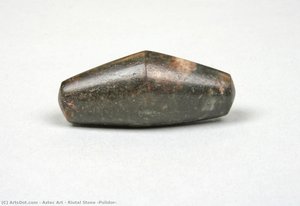
      Ritual Stone (pulidor) (1521) tarafından Aztek İmparatorluğu
      #47

      Ritual Stone (pulidor)

      1521 · Metropolitan Sanat Müzesi

      Ritual Stone (Pulidor): Echoes of Aztec Majesty The image presents a captivating glimpse into the artistic heritage of the Aztec Empire—specifically, a meticulously crafted green stone artifact known…

      Bu kanvası sipariş edin →
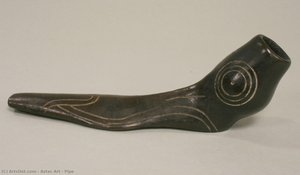
      Pipe (1521) tarafından Aztek İmparatorluğu
      #50

      Pipe

      1521 · Metropolitan Sanat Müzesi
      Seated Male Deity tarafından Aztek İmparatorluğu
      #51

      Seated Male Deity

      Metropolitan Sanat Müzesi

      The Aztec Empire, a civilization that flourished in Mesoamerica for centuries, left behind a legacy of breathtaking artistry and profound spiritual belief. Among its most compelling creations stands…

      El ile boyanmış halini isteyin →
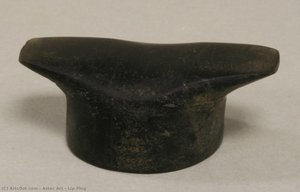
      Lip Plug tarafından Aztek İmparatorluğu
      #52

      Lip Plug

      Metropolitan Sanat Müzesi

      To gaze upon this artifact is to reach across the vast expanse of time, touching the cool, dark permanence of an ancient civilization. This piece, an Aztec Lip…

      El ile boyanmış halini isteyin →
      Uilacapitztli (Pottery Flute) tarafından Aztek İmparatorluğu
      #54

      Uilacapitztli (Pottery Flute)

      Metropolitan Sanat Müzesi

      To gaze upon the Uilacapitztli is not merely to observe an artifact; it is to reach across the vast expanse of centuries and touch the very breath of…

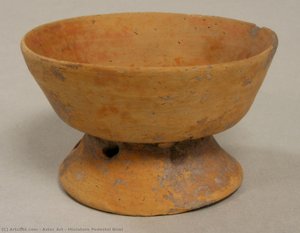
      Miniature Pedestal Bowl tarafından Aztek İmparatorluğu
      #55

      Miniature Pedestal Bowl

      Metropolitan Sanat Müzesi

      To gaze upon this miniature pedestal bowl is to reach across the vast expanse of time, to hold in one's hands a tangible whisper from the heart of…

      Drum (Teponaztli) tarafından Aztek İmparatorluğu
      #58

      Drum (Teponaztli)

      Metropolitan Sanat Müzesi

      To gaze upon this representation of an Aztec Teponaztli is not merely to observe an artifact; it is to listen for a silence that holds echoes. This magnificent…

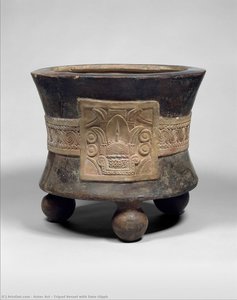
      Tripod Vessel with Date Glyph tarafından Aztek İmparatorluğu
      #59

      Tripod Vessel with Date Glyph

      Metropolitan Sanat Müzesi

      The image before us presents more than just a ceramic object; it’s a tangible fragment of the Aztec Empire, a silent chronicle etched in clay and imbued with…

      Bowl tarafından Aztek İmparatorluğu
      #60

      Bowl

      Metropolitan Sanat Müzesi

      Gazing upon this meticulously rendered reproduction of an Aztec bowl is akin to stepping back in time, directly into the heart of Tenochtitlan, the magnificent capital city of…

      Bu kanvası sipariş edin →
      Maize Deity (Chicomecoatl) tarafından Aztek İmparatorluğu
      #61

      Maize Deity (Chicomecoatl)

      Metropolitan Sanat Müzesi

      Standing before this weathered stone sculpture, one is immediately transported to the heart of ancient Mexico – a realm where the divine intertwined seamlessly with the rhythms of…

      Stamp, Butterfly tarafından Aztek İmparatorluğu
      #62

      Stamp, Butterfly

      Metropolitan Sanat Müzesi

      Stamp, Butterfly - A Fragment of Aztec Cosmology The image presents a captivating glimpse into the artistic heritage of the Aztec Empire—specifically, a ceramic stamp depicting a butterfly…

      Bu ışığı evinize taşıyın →
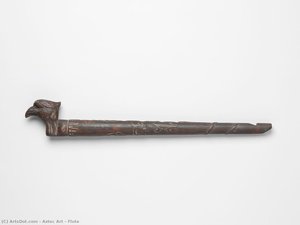
      Flute tarafından Aztek İmparatorluğu
      #63

      Flute

      Metropolitan Sanat Müzesi

      Within the vast tapestry of Aztec artistry lies a deceptively simple instrument – the flute, often referred to as *uilacapitztli* (meaning “flute-head”). More than just a musical device,…

      Bu kanvası sipariş edin →
      Miniature Pedestal Bowl tarafından Aztek İmparatorluğu
      #64

      Miniature Pedestal Bowl

      Metropolitan Sanat Müzesi

      Gazing upon this exquisite miniature pedestal bowl offers more than just an appreciation of its delicate form; it’s a portal into the heart of the Aztec Empire, a…

      Ear Ornament tarafından Aztek İmparatorluğu
      #65

      Ear Ornament

      Metropolitan Sanat Müzesi

      To hold an object from the heart of the Aztec Empire is to touch the very pulse of Mesoamerican history. This exquisite ear ornament, a masterwork of the…

      Stamp, Monkey tarafından Aztek İmparatorluğu
      #67

      Stamp, Monkey

      Metropolitan Sanat Müzesi

      Imagine holding a tangible piece of history – a small, unassuming ceramic stamp from the heart of the Aztec Empire. This particular artifact, depicting a stylized monkey in…

      Bu ışığı evinize taşıyın →
      Bowl tarafından Aztek İmparatorluğu
      #68

      Bowl

      Metropolitan Sanat Müzesi

      In the quiet presence of this ancient Aztec bowl, one can almost hear the rhythmic pulse of a civilization that once commanded the heart of Mesoamerica. This ceramic…

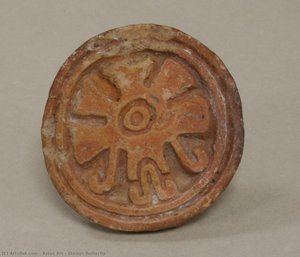
      Flat Stamp with Geometric Flower tarafından Aztek İmparatorluğu
      #69

      Flat Stamp with Geometric Flower

      Metropolitan Sanat Müzesi

      This striking ceramic stamp, a relic of the Aztec Empire, isn’t merely an artifact; it's a portal to a civilization brimming with intricate symbolism and profound artistic skill.…

      Aztek İmparatorluğu'in dönem dönem tuvalleri

      Aztek İmparatorluğu tarafından en çok boyananlar

      Bu tuvallerde en sık rastlanan ve her biri en sevilen örneğiyle birlikte sunulan dört konu.

      Aztek İmparatorluğu'in tuvallerinin sergilendiği yer

      Bu sayfadaki tabloların çoğuna ev sahipliği yapan 5 müze.

      Müze Şehir Aztek İmparatorluğu Eserleri Bu listedeki tablolar
      Metropolitan Sanat Müzesi, New YorkMetropolitan Sanat Müzesi New York 51 Head from a Figure, Xochipilli Macuilxochitl, Figure, Kneeling Male Figure
      British Museum, LondraBritish Museum Londra 1 Mosaic of a Double-headed Serpent
      Cleveland Museum of Art, ClevelandCleveland Museum of Art Cleveland 1 Pendent in the Shape of a Warrior
      Rhode Island School of Design Museum of Art, ProvidenceRhode Island School of Design Museum of Art Providence 1 Spider Monkey
      Dumbarton Oaks Research Library and Collection, Washington, D.C.Dumbarton Oaks Research Library and Collection Washington, D.C. 1 Tlazolteotl (Birthing Figure)

      Aztek İmparatorluğu'in on yıllar boyunca en ünlü tuvali

      1. 1350s
        Pendent in the Shape of a Warrior (1350) tarafından Aztek İmparatorluğu
        70 içinde 6. sırada

        Pendent in the Shape of a Warrior

        Yaş 50 – 59 · Cleveland Museum of Art

        To hold this piece in your mind is to encounter the quiet strength of the Post-classic period. This small, metallic figure, likely worn close to the body, captures…

      2. 1420s
        Aztec Sun Stone (Calendar Stone) (1427) tarafından Aztek İmparatorluğu
        70 içinde 20. sırada

        Aztec Sun Stone (Calendar Stone)

        Yaş 120 – 129

        The Aztec Sun Stone (Calendar Stone) is a significant work attributed to the Aztec Empire. Carved by the Mexica at the end of the Mesoamerican Postclassic Period, this…

      3. 1460s
      4. 1480s
      5. 1500s
        Coyote (1500) tarafından Aztek İmparatorluğu
        70 tablo arasından 23. tuval

        Coyote

        Yaş 200 – 209
      6. 1510s
        Standard-Bearer (1519) tarafından Aztek İmparatorluğu
        70 tablo arasından 57. tuval

        Standard-Bearer

        Yaş 210 – 219

        This stark figure displays the minimalism and monumentality of Aztec stone sculpture. The rigid pose resembles the block of stone from which it was carved. In contrast, the…

      7. 1520s
        Mosaic of a Double-headed Serpent (1521) tarafından Aztek İmparatorluğu
        70 içinde 1. sırada

        Mosaic of a Double-headed Serpent

        Yaş 220 – 221 · British Museum

        To gaze upon this mosaic of a double-headed serpent is to step directly into the vibrant, myth-laden heart of the Aztec Empire. It is not merely an object…

      Aztek İmparatorluğu'in tuvalleri, soru soru

      Aztek İmparatorluğu en çok hangi tuval çalışmasıyla hatırlanır?Yanıtı oku

      Mosaic of a Double-headed Serpent (1521), British Museum, Londra. Ardından Head from a Figure, Xochipilli Macuilxochitl (1521) ve Figure (1521) geliyor.

      Mosaic of a Double-headed Serpent: Aztek İmparatorluğu bu eseri yaptığında kaç yaşındaydı?Yanıtı oku

      1300 yılında doğan Aztek İmparatorluğu, 221 yaşındayken: Mosaic of a Double-headed Serpent, 1521 tarihine aittir.

      Aztek İmparatorluğu isimli sanatçının en ünlü on tablosu hangileridir?Yanıtı oku

      Mosaic of a Double-headed Serpent, Head from a Figure, Xochipilli Macuilxochitl, Figure, Kneeling Male Figure, Serpent Labret with Articulated Tongue, Pendent in the Shape of a Warrior, Figure, Vulture Vessel, Standard Bearer ve Crested Figure (Macuilxochitl). Yukarıdaki sıralamadaki her tuval, yapıldığı yıl ve sergilendiği müze bilgisiyle birlikte sunulmaktadır.

      Aztek İmparatorluğu kaç tablo yaptı?Yanıtı oku

      Aztek İmparatorluğu tarafından yapılan 70 eser, 1350 ile 1521 tarihleri arasında katalogumuzda yer almaktadır.

      Aztek İmparatorluğu'in en ünlü tabloları bugün nerede sergileniyor?Yanıtı oku

      Çoğunlukla Metropolitan Sanat Müzesi (New York), British Museum (Londra) ve Cleveland Museum of Art (Cleveland) bünyesinde yer alan; yukarıdaki liste her bir müzeyi ve o müzedeki tabloları belirtmektedir.

      Aztek İmparatorluğu en ünlü tablolarını ne zaman yaptı?Yanıtı oku

      Bu sayfadaki 70 eserin 29 tanesi 1520s dönemine aittir ve bunlar arasında Mosaic of a Double-headed Serpent bulunmaktadır.

      Hangi ünlü Aztek İmparatorluğu tuvali ilk olarak yapıldı ve hangisi en son yapıldı?Yanıtı oku

      Buradaki en eski tuval Pendent in the Shape of a Warrior (1350); en yenisi ise Mosaic of a Double-headed Serpent (1521).

      Aztek İmparatorluğu en çok hangi konuları resmetmiştir?Yanıtı oku

      Mesoamerica (21), Aztec (16) ve Sculpture (14), bu sayfadaki 70 eser genelinde.

      Aztek İmparatorluğu'in tablolarında en çok hangi teknik kullanılmıştır?Yanıtı oku

      Bu sayfadaki 70 eserin 16 tanesinde Acrylic On Canvas kullanılmıştır.

      Aztek İmparatorluğu tarafından yapılan hangi tablolar Metropolitan Sanat Müzesi koleksiyonunda yer almaktadır?Yanıtı oku

      Metropolitan Sanat Müzesi, New York, bu sayfadaki eserlerden 51 tanesine ev sahipliği yapmaktadır; bunlar arasında Head from a Figure, Xochipilli Macuilxochitl, Figure ve Kneeling Male Figure bulunmaktadır.

      Aztek İmparatorluğu tablosunun bir reprodüksiyonunu nereden satın alabilirim?Yanıtı oku

      Evet. Bu sayfadaki her tablo, kendi sayfasından seçtiğiniz boyutta, elle boyanmış bir yağlı boya reprodüksiyon veya bir sanat baskısı olarak sipariş edilebilir.

      Ressamla tanışın: Aztek İmparatorluğu

      Taşın Yankıları: Aztek İmparatorluğu'nun Sanatını ve Mirasını Keşfetmek

      “Aztek” ismi – Nahuatca "çok biçimli insanlar" anlamına gelen ātl-ce-tlācati–tlān kelimesinden türetilmiştir – yüzyıllar boyunca Mezoamerika'ya hükmeden uçsuz bucaksız, karmaşık bir imparatorluğun imgelerini canlandırır. Aztekler sadece savaşçılar ve fatihler değil, aynı zamanda anıtsal mimariden zarif tüy işçiliğine, kutsal ritüellerden günlük nesnelere kadar hayatlarının her alanına girift bir güzellik dokuyan derin sanatçı ruhlu bireylerdi. Sanatları yalnızca dekoratif değildi; hem katı bir yapıya sahip hem de son derece yenilikçi olan bu toplumda dini inanışları, siyasi gücü, tarihi anlatıları ve sosyal hiyetsizliği ileten canlı bir dildi.

      14. yüzyılın başlarında Aztek İmparatorluğu'nun kalbi Tenochtitlan'da doğan Azteklerin sanatsal gelenekleri, daha önceki Mezoamerika medeniyetlerinin miraslarına derinden kök salmıştı. Devasa başları ve sofistike takvim sistemleriyle Olmekler, görkemli piramitleri ve şehir planlamasıyla tanınan Teotihuacanlılar ve metal işleme ile heykel sanatının ustaları olan Toltekler, Azteklerin miras aldığı zengin sanatsal dokuya katkıda bulundular. Ancak Aztekler sadece taklitçi değillerdi; bu etkileri kendi benzersiz estetik duyarlılıklarıyla sentezleyerek, cesur renkler, karmaşık geometrik desenler ve sembolik temsillerle karakterize edilen özgün bir stil geliştirdiler.

      Gücün Paleti: Malzemeler ve Teknikler

      Aztek sanatı, şaşırtıcı derecede geniş bir malzeme ve teknik yelpazesi kullanarak dikkat çekici bir çeşitliliğe sahipti. Taş oymacılığı; tanrıları, hükümdarları ve mitolojik yaratıkları tasvir eden anıtsal heykellerle belirgin bir yer tutuyordu. 1946 yılında keşfedilen devasa Güneş Taşı (Takvim Taşı), bu mecradaki ustalıklarının bir kanıtı olarak durmaktadır; takvim bilgilerini kozmolojik sembolizmle birleştiren karmaşık, katmanlı bir taş rölyefidir. Yetenekli zanaatkarlar ayrıca ahşlay, kil, tüyler –özellikle de canlı quetzal tüyleri– yeşim, turkuaz, obsidyen ve altın ile çalışarak hem zenginliği hem de statüyü yansıttılar.

      Tüy işçiliği, belki de Aztek sanatının görsel olarak en büyüleyici yönüydü. Titizlikle işlenmiş başlıklar, pelerinler, kalkanlar ve diğer dekoratif eşyalar, binlerce özenle yerleştirilmiş tüy kullanılarak oluşturuluyordu; bu süreç muazzam bir beceri ve sabır gerektiriyordu. Bu nesneler sadece güzel değildi; otoritenin, dini bağlılığın ve sosyal rütbenin güçlü sembolleri olarak hizmet ediyorlardı. Renklerin kendileri bile belirli anlamlar taşıyordu: mavi gökyüzünü, yeşil bereketi, kırmızı savaşı ve sarı ise güneşi temsil ediyordu.

      Dahası, Aztek sanatçıları küçük, hassas kesilmiş taş karolar kullanarak çarpıcı dekoratif paneller yaratan mozaik işçiliğinin ustalarıydı. Bu mozekler tapınakları, sarayları ve özel konutları süsleyerek inşa edilen çevreye görsel bir zenginlik katıyordu. Çömlekleri de en az onlar kadar etkileyiciydi; karmaşık geometrik tasarımlar ile hayvan ve tanrı tasvirlerini bünyesinde barındırıyordu.

      Sembollerin Dili: Temalar ve Motifler

      Aztek sanatı sembolizmle doludur; her bir imge, rahipler, yazıcılar ve hükümdarlar tarafından dikkatli bir yorumlama gerektiren katmanlı anlamlar taşır. Savaş ve güneş tanrısı olan merkezi tanrı Huitzilopochtli, sıklıkla tüyler ve değerli taşlarla süslenmiş görkemli başlıklarla tasvir edilirdi. Bilgi, bilgelik ve yaratılışla ilişkilendirilen tüylü yılan tanrı Quetzalcoatl, panteonlarında önemli bir yere sahipti ve sayısız sanatsal temsilde karşımıza çıkıyordu.

      Güneş ve ritüel döngülerinin son derece sofistike bir kombinasyonu olan takvim sistemi, bir diğer yinelenen motifti. Takvim görselleri, glifler ve astronomik semboller; heykellere, mozeklere ve kodekslere (resimli kitaplar) dahil edilerek Azteklerin zaman ve kozmolojiye dair derin anlayışlarını yansıtıyordu. Temel gıdaları olan mısırın tasvirleri, beslenmeyi ve bereketi simgeliyordu. Hayvan imgeleri –özellikle jaguarlar, kartallar, yılanlar ve sinek kuşları– güç, cesaret ve tanrısallıkla ilgili sembolik önem taşıyordu.

      Parçalar Halinde Bir Miras: Sanat ve Tarihi Önem

      Aztek İmparatorluğu'nun 1521 yılında İspanyol fatihler elinde aniden çöküşü, Mezoamerika kültürü için yıkıcı bir kayıpla sonuçlandı. Trajik bir şekilde, sanatsal miraslarının çoğu fetih sırasında yok edildi; tapınaklar yerle bir edildi, heykeller parçalandı ve kodeksler yakıldı. Ancak bu kayıplara rağmen, Aztek sanatının parçaları bugün hayatta kalarak bu olağanüstü medeniyete dair paha biçilemez bilgiler sunmaya devam ediyor.

      Önemli örnekler arasında; Azteklerin ileri astronomi ve matematik bilgilerini sergileyen anıtsal bir heykel olan Güneş Taşı, dünya çapındaki müzelerde korunan karmaşık tüy işleme başlıklar ve pelerinler ile tarihi anlatıları, dini inanışları ve takvim bilgilerini içeren el yazması kitaplar olan hayatta kalan kodeksler yer almaktadır. Meksika'daki Colección Andrés Blaisten, Aztek sanatsal gelenlerini aydınlatan örnekler de dahil olmaklı Latin Amerika sanatının önemli bir koleksiyonuna ev sahipliği yapmaktadır.

      Aztek İmparatorluğu'nun sanatsal mirasının etkisi bugün bile görülebilir, çağdaş sanatçılara ve tasarımcılara ilham vermeye devam eder. Yenilikçi teknikleri, sembolik imgeleri ve doğayla olan derin bağları, dünya çapındaki izleyicilerde yankı uyandırmayı sürdürüyor. Azteklerin sanatını keşfetmek sadece tarihsel bir takdir egzersizi değildir; karmaşık ve büyüleyici bir medeniyetin kalbine yapılan bir yolculuktur; insan yaratıcılığının, dehasının ve ruhsal derinliğinin bir kanıtıdır.

      Aztek İmparatorluğu ve diğer önemli sanatçılardan daha fazla sanat eseri keşfetmek için TopImpressionists.com adresini ziyaret edin.

      Aztek İmparatorluğu tarafından yapılan tüm 70 eser →