A Sanctuary of Lines: Unveiling the Graphische Sammlung Albertina
Vienna’s Graphische Sammlung Albertina stands as a beacon of artistic heritage—a place where centuries converge within meticulously preserved prints and drawings. More than just a museum, it's an immersive experience that transports visitors back to the genesis of visual storytelling, beginning with Duke Albert of Saxony-Teschen’s visionary ambition in 1776.
Nestled within the opulent Hofburg Palace—a symbol of Habsburg grandeur—the Albertina houses a staggering collection exceeding one million prints. This treasure trove spans six centuries, charting the evolution of artistic expression from Renaissance sketches to groundbreaking graphic designs that define our modern era. Its very foundation rests upon the legacy of Giacomo Durazzo’s erudite library and quickly gained renown for its unparalleled quality and breadth, attracting discerning collectors across Europe.
The Albertina's Story Begins: From Private Collection to National Asset
Initially conceived as a personal indulgence—a reflection of Duke Albert’s discerning eye—the Albertina underwent a transformative shift when bequeathed to the Austrian state. This transition wasn’t merely about expanding access; it signified a profound recognition of the collection's intrinsic value and its potential for scholarly study. Walking through its halls feels like tracing the lineage of artistic ideas, witnessing firsthand how techniques blossomed into enduring masterpieces.
The Albertina’s architectural harmony—a blend of Baroque and Neoclassical styles—mirrors the richness of its holdings, creating an atmosphere that resonates with timeless elegance. Its curators diligently document preparatory stages, highlighting experimentation and exploration – a testament to the enduring value of artistic process itself.
A Universe Within Lines: Collection Highlights
The Albertina’s collection shines brightest in its unrivaled archive of Albrecht Dürer’s engravings—a comprehensive record allowing for unprecedented study of this pivotal artist's oeuvre. From his revolutionary use of perspective to his intricate depictions of nature, Dürer’s work embodies the Albertina’s identity.
Beyond these foundational periods, the museum boasts significant holdings from the 19th and 20th centuries—reflecting Vienna Secession and Expressionist movements. Iconic works by Klimt, Schiele, and Kokoschka captivate visitors with their bold artistic vision.
Among its most treasured pieces are Hieronymus Bosch’s fantastical imagery—illuminated manuscripts revealing medieval scribes' artistry—and Mannerist prints demonstrating the era’s daring experimentation with form and perspective. More recently, strategic acquisitions have enriched the Albertina’s collection, showcasing contemporary artists like Markus Prachensky and pál Horti.
Beyond the Finished Canvas: A Celebration of Artistic Process
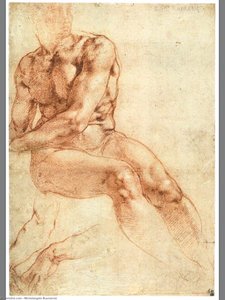
What truly distinguishes the Graphische Sammlung Albertina is its unwavering devotion to revealing the artistic process itself. Unlike many museums prioritizing polished final products, it actively showcases sketches, studies, and preliminary drafts—often intimate glimpses into an artist’s creative journey.
Witnessing Michelangelo sketch alongside his sculpture isn't merely observing skill; it’s witnessing the very birth of an idea—a profoundly illuminating experience for any art enthusiast. The museum’s curators meticulously document these preparatory stages, fostering engagement and appreciation for artistic innovation.
A Dynamic Hub for Art & Research
Today, the Graphische Sammlung Albertina continues to thrive as a cultural institution and a center for scholarly inquiry—hosting exhibitions, lectures, and workshops that cater to diverse audiences. Its commitment to research ensures its collection remains accessible not only to visitors but also to the wider academic community.
The Albertina isn’t simply preserving art history; it’s actively shaping its future—solidifying its position as a vital force in the world of art and culture—a testament to the enduring power of visual communication.