


 Переглянути в інтер'єрі
 Надіслати
 Поділитися
 Деталі
 Посібник

 Завантажити
 Схожі предмети колекціонування
 Рентгенівське дослідження
 Слайд-шоу
 Статистика переглядів
Apollo and Coronis
 Oil On Copper
- WallArt
- Baroque
 1608
1608- Early Modern
 230.0 x 179.0 cm
 Walker Art Gallery
Adam Elsheimer’s ‘Apollo & Coronis’ (1608) – a Baroque masterpiece! Witness dramatic lighting, classical myth & poignant beauty in this small cabinet painting. Explore its rich details and influence.
 Читати далі
Адам Ельшеймер – німецький художник епохи бароко, відомий своїми витонченими картинами на мідних пластинах та новаторськими пейзажами з нічними сценами. Його творчість вплинула на Рубенса та Рембрандта! Дослідіть його мистецтво.
Гікле / Художній принт
Музейна якість друку جيкле або на полотні з оперативним виготовленням та різноманітними варіантами фінішної обробки. ( Купити картину ручної роботи Перейти до цифрових зображень)




P118B ₴10

P118H ₴10

P118W ₴10

P438Z ₴10

P508JH ₴12

P508YH ₴12

P805H ₴10

P805Z ₴10

P919BZ ₴10

P919G ₴10

P919XJ ₴10

P959ZH ₴10

P968JZ ₴12

W106C ₴8

W218G ₴10

W218JH ₴8

W218Y ₴10

W307PJ ₴10

W316G ₴10

W316PJ ₴8

W316Y ₴10

W398PJ ₴8

W4111J ₴10

W500HY ₴15

W500JH ₴15

W692G ₴12

W849H ₴8

W940BG ₴15

W953PJ ₴8




Стандартний розмір
на замовлення
CM
INCH
Обирайте з наших стандартних розмірів, що відповідають оригінальним пропорціям твору мистецтва.
Loading sizes...

ширина
висота
Ви можете вказати власні розміри, щоб репродукція ідеально підійшла до конкретної рами або інтер'єру. Якщо обраний вами розмір не відповідає пропорціям оригіналу, ми або обріжемо полотно, або розширимо зображення за допомогою дзеркального відображення чи суцільної заливки країв. Перед початком виробництва вам буде надіслано цифровий макет для затвердження.
Будь ласка, зверніть увагу, що попередній перегляд на екрані не відображає фактичне обрізання або розширення. Тільки макет точно покаже фінальну композицію.
Хоча можливість замовлення індивідуальних розмірів доступна, ми рекомендуємо обирати формат із попередньо визначеного списку, щоб зберегти оригінальні пропорції.
Доставка по всьому світу () за 2 тижні замість стандартних 4/5 тижнів. (5 Жовтень)

Безкоштовна експрес-доставка по всьому світу

Високоякісне лляне полотно

Повне страхове покриття доставки

Гарантія повернення митних зборів

Гарантія точного відтворення кольорів

Політика повернення протягом 100 днів (лише у разі виявлення дефектів)

Гарантія повернення 100% коштів

Знижка на оптові замовлення
 Скляний варіант доступний лише для розмірів до 110 см

Apollo and Coronis
Гікле / Художній принт
Розмір репродукції
-


Загальна вартість
₴ 3075
A Tragedy Etched in Copper: The Luminous Sorrow of Apollo and Coronis
In the quiet intimacy of a cabinet painting, where every brushstroke is a whispered secret, Adam Elsheimer’s “Apollo and Coronis” unfolds as a profound meditation on betrayal and divine retribution. Created around 1608, this masterpiece captures a pivotal, heart-wrenching moment from Greek mythology: the instant when the sun god Apollo, driven by the discovery of his lover's infidelity, strikes down the pregnant Coronis. Though the work is executed on a small copper plate—a medium that demands unparalleled precision—the emotional scale of the narrative is vast, pulling the viewer into a landscape where the serenity of nature clashes violently with the turbulence of the human (and divine) heart.
The composition is a masterclass in Baroque theatricality, utilizing dramatic diagonal lines to guide the eye through a lush, nocturnal forest. Elsheimer employs a sophisticated use of chiaroscuro, allowing light to pierce through the dense foliage and illuminate the central tragedy. The figure of Coronis lies reclined upon a bed of deep crimson fabric, her form partially nude and vulnerable, embodying a tragic beauty that is both haunting and ethereal. Beside her, the presence of Apollo, poised with his quiver, introduces a tension that vibrates through the entire scene. This interplay between light and shadow does more than create depth; it mirrors the psychological conflict of the myth, where the brilliance of divine power meets the dark reality of mortal transgression.
Technical Brilliance and the Art of Detail
To behold this work is to witness the technical zenith of the early Baroque period. Elsheimer was a pioneer of the pointillé technique, using minute, meticulously placed dots of pigment to build texture and luminosity. This method, combined with the smooth, reflective surface of the copper plate, allows for a brilliance that traditional canvas cannot replicate. The colors—deep forest greens, rich earth browns, and the striking, blood-like red of the fabric—are rendered with such clarity that the textures of moss, water, and skin feel almost tangible to the touch.
For the discerning collector or interior designer, this painting offers a unique opportunity to introduce a sense of historical gravity and sophisticated drama into a space. The artwork does not merely decorate a room; it commands it. Its ability to balance intricate, microscopic detail with a grand, sweeping narrative makes it an ideal centerpiece for those seeking to evoke the intellectual depth of the 17th-century European tradition. Whether placed in a private study or a curated gallery setting, the painting serves as a window into a world where myth and reality are inextricably entwined.
A Legacy of Influence and Emotional Resonance
Beyond its aesthetic splendor, “Apollo and Coronis” carries a heavy symbolic weight. It is a story of the inescapable grip of fate and the devastating consequences of broken trust. The lush landscape, bordering a tranquil river, acts as a silent witness to the unfolding tragedy, creating a poignant contrast between the eternal stillness of nature and the fleeting, violent moment of death. This juxtaposition invites viewers to contemplate themes of remorse and the fragility of life—sentiments that have resonated with audiences for over four centuries.
Elsheimer’s influence on later masters like Rembrandt and Rubens cannot be overstated, and this particular work stands as a testament to his ability to infuse small-scale painting with monumental emotion. Owning a high-quality reproduction of this masterpiece allows one to preserve this legacy of sorrowful beauty, bringing the light of the Baroque era into the modern home. It is an invitation to engage with history, to feel the pulse of ancient myth, and to surround oneself with art that speaks to the very essence of the human condition.
Запитання та відповіді
Яка дата створення «Apollo and Coronis» Адам Эльшеймер?
«Apollo and Coronis» датована 1608 роком. Ця дата дозволяє визначити місце твору в творчому шляху Адам Эльшеймер та відповідну епоху.
Який загальний настрій має «Apollo and Coronis» Адам Эльшеймер?
«Apollo and Coronis» Адам Эльшеймер описують як твір із Dramatic настроєм. Така класифікація допоможе підібрати відповідний інтер'єр для цієї роботи.
У якому віці Адам Эльшеймер створив(ла) "Apollo and Coronis"?
Коли у 1608 році було створено «Apollo and Coronis», художнику Адам Эльшеймер (народився/лася у 1578) було 30 років.
Хто створив "Apollo and Coronis"?
Автором твору «Apollo and Coronis» є Адам Эльшеймер. Робота внесена до каталогу під іменем Адам Эльшеймер.
Наскільки насиченими є кольори у «Apollo and Coronis» Адам Эльшеймер?
Насиченість кольорів у творі «Apollo and Coronis» — Monochromatic. Насиченість описує, наскільки яскравими та виразними є кольори.
До якого етапу кар'єри Адам Эльшеймер належить твір "Apollo and Coronis" (1608)?
«Apollo and Coronis», створена у 1608, належить до Mature Period творчості Адам Эльшеймер.
Як я можу переглянути «Apollo and Coronis» Адам Эльшеймер у форматі слайд-шоу?
«Apollo and Coronis» Адам Эльшеймер можна переглянути у форматі слайд-шоу на сторінці Слайд-шоу цього твору.
Біографія митця
A Luminous Life Cut Short: The World of Adam Elsheimer
Adam Elsheimer, a name perhaps less instantly recognizable than those of his Baroque contemporaries Rubens or Rembrandt, nonetheless occupies a pivotal position in the history of art. Born in Frankfurt am Main in 1578, his tragically short life – he died at just thirty-two years old in Rome in 1610 – belied an artistic output that resonated deeply with his peers and continues to captivate viewers today. Elsheimer wasn’t a painter of grand scale or prolific production; instead, he specialized in exquisitely detailed cabinet paintings, small works executed primarily on copper plates, which allowed for a level of precision and luminosity rarely seen before. These intimate canvases weren't intended for public display but rather for the private contemplation of connoisseurs – a testament to the burgeoning art market and the growing appreciation for individual artistic expression during the early 17th century. His father, a master tailor, provided a stable upbringing, and young Adam’s early talent was recognized through an apprenticeship with local artist Philipp Uffenbach. This foundational training instilled in him the technical skills that would later blossom under different influences. A likely sojourn to Strasbourg around 1596 exposed him to broader artistic currents, but it was his journey to Italy via Munich in 1598 that truly ignited his creative development.From Venice to Rome: Forging a Unique Artistic Voice
Italy proved transformative for Elsheimer. He spent considerable time in Venice, absorbing the vibrant color palettes and dramatic compositions of masters like Tintoretto and Paolo Veronese. The influence of these Venetian giants is evident in his early works – a boldness of form and a sensuous use of light that would become hallmarks of his style. Around 1600, he settled in Rome, becoming integrated into the bustling artistic community. A crucial period followed as an assistant to Johann Rottenhamme, a German painter specializing in cabinet paintings. This mentorship provided invaluable technical expertise, particularly in the demanding medium of painting on copper plates. However, Elsheimer didn’t simply mimic his teacher; he began to forge his own unique path, moving away from strict Mannerist conventions towards a more naturalistic approach. His landscapes, in particular, were innovative for their time, seamlessly integrating figures into harmonious natural settings. He cultivated important friendships with Giovanni Faber, a papal doctor and botanist connected to the Accademia dei Lincei – a scientific society dedicated to observation and experimentation – and Paul Bril, a Flemish landscape painter. These connections exposed him to new ideas and fostered an intellectual curiosity that informed his art.Master of Light and Shadow: Defining Elsheimer’s Style
Elsheimer's artistic reputation rests on his mastery of light and shadow – *chiaroscuro* – and his pioneering depictions of nocturnal scenes. He was among the first artists to accurately represent constellations in night skies, a testament to his scientific curiosity and meticulous observation. Paintings like “The Flight into Egypt” are breathtaking examples of this skill, where moonlight illuminates the landscape with an ethereal glow, creating a sense of mystery and wonder. His works frequently depicted mythological and biblical scenes, rendered with a lyrical temperament and painstaking detail. "Tobias and the Angel," "The Burning of Troy," "Apollo and Coronis," and “Ceres and Stellio” are all prime examples of his ability to imbue classical narratives with emotional depth and visual poetry. The small scale of his paintings encouraged intimate viewing, allowing audiences to fully appreciate the intricate details and subtle nuances of his technique. He didn’t merely depict scenes; he created worlds – miniature universes brimming with atmosphere and emotion.A Life Marked by Struggle
Elsheimer’s life, though artistically fruitful, was not without its hardships. He faced persistent financial difficulties throughout his career, leading to periods of debt and even imprisonment. His marriage in 1606 to Carola Antonia Stuarda da Francoforte brought a brief period of happiness, but the tragic death of their son cast a shadow over his later years. Around 1608, he converted to Catholicism, perhaps seeking solace or hoping for greater acceptance within Roman society. Despite these personal struggles, Elsheimer continued to paint with unwavering dedication until his untimely death in Rome in December 1610 at the age of thirty-two. He left behind a relatively small but profoundly influential body of work – a testament to the power of artistic vision and the enduring legacy of a luminous life cut short.A Lasting Legacy: Influence and Rediscovery
Elsheimer’s influence extended beyond the Dutch masters; numerous 17th-century artists across Europe were impacted by his pioneering approach to landscape painting and dramatic lighting techniques. Today, Adam Elsheimer is celebrated as a visionary artist whose small-scale paintings possess an enduring power to move and inspire. His legacy lies not only in his technical brilliance but also in his ability to capture the beauty and mystery of the world around him with unparalleled sensitivity and grace.
Адам Эльшеймер
1578 - 1610 , Німеччина
Довідкова інформація
- Artistic Movement Or Style: Бароко
- Artists Or Movements Influenced By This Artist:
- Рембрандт
- П’єр Пауль Рубенс
- Artists Who Influenced This Artist:
- Альбрехт Дюрер
- Тінторетто
- Паоло Веронезе
- Date Of Birth: 18 березня 1578
- Date Of Death: 11 грудня 1610
- Full Name: Adam Elsheimer
- Nationality: Німецький
- Notable Artworks:
- Політ до Єгипту
- Згоряння Трої
- Аполлон і Короніс
- Place Of Birth: Франкфурт, Німеччина
Схожі статті

Baroque Classicism: Reconciling Drama & Order in 17th-Century Art
Explore the captivating world of Baroque Classicism! Discover its history, key artists like Caravaggio & Rubens, and defining characteristics. Expert insights & high-quality reproductions at TopImpressionists.

Барокова драма: мистецтво, що привносить велич у дім
Відкрийте для себе велич бароко! Дізнайтесь про історію стилю, особливості українського бароко та як створити розкішний інтер'єр. Ексклюзивні репродукції картин від .
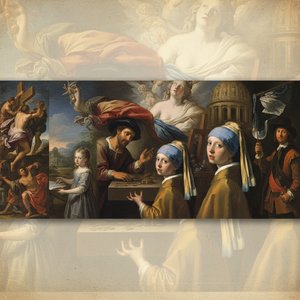
Топ-10 шедеврів бароко: картини, що змінили мистецтво | TopImpressionists.com
Відкрийте для себе 10 шедеврів бароко від Караваджо, Рембрандта та Рубенса! Історія мистецтва, техніки живопису та натхнення для вашого інтер'єру. Репродукції картин високої якості – TopImpressionists.com

Baroque Classicism: The Grandeur of Order and Drama in 17th-Century Art History
Explore the profound elegance of Baroque Classicism. Discover how 17th-century masters synthesized dramatic emotion with classical order through the lens of the Counter-Reformation and the works of legends like Carlo Maratta and Andrea Sacchi.

Decoding Baroque Grandeur: A Guide to the Drama and Emotion of 17th-Century Art
Explore the breathtaking drama of 17th-century Baroque art. Our expert guide decodes the use of chiaroscuro, emotional intensity, and historical grandeur to help you appreciate and curate timeless masterpieces for your collection.
Досліджуйте твори мистецтва, впорядковані за темами, стилями та характеристиками.
