


 Переглянути в інтер'єрі
 Надіслати
 Поділитися
 Деталі
 Посібник

 Завантажити
 Схожі предмети колекціонування
 Рентгенівське дослідження
 Слайд-шоу
 Статистика переглядів
Sagittarius


Fernando Gallego's 'Sagittarius' depicts a heroic archer amidst celestial stars and a soaring bird. A masterful example of Hispano-Flemish art, showcasing dynamic composition & rich detail.
 Читати далі
Фернандо Гальего (бл. 1440-1507) — видатний кастильський живописець іспано-фламандського стилю. Відомий деталізованими релігійними вівтарями та такими творами, як Ретабло Сьюдад-Родріго. Дослідіть його спадщину!
Гікле / Художній принт
Музейна якість друку جيкле або на полотні з оперативним виготовленням та різноманітними варіантами фінішної обробки. ( Купити картину ручної роботи Перейти до цифрових зображень)




P118B ₴10

P118H ₴10

P118W ₴10

P438Z ₴10

P508JH ₴12

P508YH ₴12

P805H ₴10

P805Z ₴10

P919BZ ₴10

P919G ₴10

P919XJ ₴10

P959ZH ₴10

P968JZ ₴12

W106C ₴8

W218G ₴10

W218JH ₴8

W218Y ₴10

W307PJ ₴10

W316G ₴10

W316PJ ₴8

W316Y ₴10

W398PJ ₴8

W4111J ₴10

W500HY ₴15

W500JH ₴15

W692G ₴12

W849H ₴8

W940BG ₴15

W953PJ ₴8




Стандартний розмір
на замовлення
CM
INCH
Обирайте з наших стандартних розмірів, що відповідають оригінальним пропорціям твору мистецтва.
Loading sizes...

ширина
висота
Введіть необхідну ширину та висоту, щоб принт ідеально підійшов до вашої рами або стіни. Принт можна лише обрізати, але не можна зробити більшим за оригінал, тому при зміні пропорцій частина зображення буде втрачена. Перед друком ми надсилаємо вам цифровий макет для затвердження. Зображення на цій сторінці не відображає реальну обрізку — її можна побачити лише на макеті.
Доставка по всьому світу () за 2 тижні замість стандартних 4/5 тижнів. (23 Жовтень)

Безкоштовна експрес-доставка по всьому світу

Високоякісне лляне полотно

Повне страхове покриття доставки

Гарантія повернення митних зборів

Гарантія точного відтворення кольорів

Політика повернення протягом 100 днів (лише у разі виявлення дефектів)

Гарантія повернення 100% коштів

Знижка на оптові замовлення
 Скляний варіант доступний лише для розмірів до 110 см

Sagittarius
Гікле / Художній принт
Розмір репродукції
-


Загальна вартість
₴ 3096
Fernando Gallego’s Sagittarius: A Tapestry of Myth and Majesty
The painting “Sagittarius,” attributed to the Spanish master Fernando Gallego (c. 1440 – 1507), is not merely a depiction of an archer; it's a vibrant portal into the heart of ancient mythology, rendered with a meticulous realism that speaks volumes about the artistic currents of late 15th-century Castile. Gallego, a pivotal figure in the burgeoning Hispano-Flemish style – a synthesis of Northern European precision and Iberian warmth – crafted this piece likely for an altarpiece, imbuing it with a solemnity and narrative power characteristic of his religious commissions. The painting’s enduring appeal lies not just in its technical skill but also in its ability to distill the essence of Sagittarius, the zodiac sign associated with travel, wisdom, and philosophical inquiry – qualities embodied by the figure at its center.
The subject itself is instantly recognizable: a powerfully built man, clad in armor and helmet, poised to release an arrow. However, Gallego elevates this familiar image through a masterful use of detail and composition. The archer’s stance is dynamic, suggesting both readiness and control; his gaze is fixed on the distant target, inviting the viewer into the scene. Crucially, he's not simply shooting at a mark; he’s engaged in a symbolic act – an embodiment of Sagittarius’s quest for knowledge and truth. The surrounding landscape, rendered with a subtle yet effective illusionistic depth, hints at a vast, open world, mirroring the sign’s association with exploration and adventure. Notice the careful rendering of textures: the gleam of the armor, the rough bark of the trees, the flowing fabric of the man's garments – all contribute to a sense of tangible reality.
The Echoes of Flemish Influence
Gallego’s style is deeply rooted in the artistic innovations sweeping through Northern Europe at the time. Like many Spanish artists working during this period, he was profoundly influenced by the Flemish masters, particularly Rogier van der Weyden and Simon Marmion. This influence manifests itself in several key ways: the meticulous attention to detail, the use of oil paint to achieve rich colors and subtle gradations, and a penchant for depicting figures with a remarkable sense of volume and realism. However, Gallego doesn’t simply mimic his Flemish predecessors; he adapts their techniques to create a distinctly Iberian aesthetic. The palette is warmer, more vibrant than typical Flemish works, reflecting the Spanish tradition of using bright pigments and incorporating gold leaf – elements that add an opulent quality to the painting.
Furthermore, Gallego demonstrates a sophisticated understanding of perspective and spatial relationships, hallmarks of Flemish art. The use of aerial perspective—where distant objects appear paler and less detailed—creates a convincing sense of depth and atmosphere. This technique, combined with the carefully arranged composition, draws the viewer’s eye towards the central figure and invites contemplation.
Symbolism and Mythological Resonance
Beyond its purely visual qualities, “Sagittarius” is rich in symbolic meaning. The archer himself represents Sagittarius's defining characteristic: the pursuit of knowledge and enlightenment. The arrow, a potent symbol of direction and purpose, signifies the path one must follow to achieve wisdom. The distant target embodies the ultimate goal – truth itself. The two stars visible on either side of the scene further enhance this symbolism, representing celestial guidance and divine inspiration. The bird soaring above the archer adds another layer of meaning, suggesting freedom, aspiration, and a connection to the heavens.
Interestingly, Sagittarius is associated with Chiron, the centaur who was renowned for his wisdom and skill as a healer and teacher in Greek mythology. Gallego’s depiction subtly evokes this legendary figure, reinforcing the painting's message of knowledge, guidance, and the pursuit of virtue. The image resonates deeply with the philosophical and spiritual currents of the Renaissance, which emphasized human potential and the importance of seeking truth through reason and experience.
A Legacy in Reproduction
Today, “Sagittarius” by Fernando Gallego stands as a testament to the enduring power of art to capture both the beauty and the complexity of the human experience. Reproductions offer an accessible way to appreciate this remarkable work, bringing its rich symbolism and artistic mastery into homes and galleries worldwide. When selecting a reproduction, consider the quality of materials used – archival-quality prints on canvas or fine art paper will ensure that the colors remain vibrant for generations to come. This painting is more than just a beautiful image; it’s a window into a bygone era, inviting us to contemplate the timeless themes of wisdom, knowledge, and the pursuit of truth.
Запитання та відповіді
Чи можу я скористатися доповненою реальністю, щоб побачити «Sagittarius» Фернандо Гальего у своїй кімнаті?
Сторінка AR-перегляд для твору «Sagittarius» Фернандо Гальего використовує технологію доповненої реальності, щоб показати витвір у вашому власному просторі за допомогою сумісного пристрою.
Як стиль твору "Sagittarius" пов'язаний з епохою його творця?
«Sagittarius» належить до течії Hispano-Flemish Style, а її автор працював у епоху — Відродження.
Який основний відтінок пронизує «Sagittarius» Фернандо Гальего?
Переважаючий відтінок твору «Sagittarius» Фернандо Гальего — Ochre to Sepia. Цей відтінок є основою всієї палітри.
Біографія митця
Фернандо Гальего: Майстер іспано-фламандського стилю
Фернандо Гальего — ім'я, що часто оповите таємницею, проте глибоко резонує в історії іспанського мистецтва. Цей кастильський живописець процвітав наприкінке XV та на початку XVI століття. Народившись близько 1440 року в Саламанці й трагічно померши десь до 1507 року, він прожив життя в епоху вирішального мистецького переходу — час зближення північноєвропейського реалізму з новоствореними ідеалами італійського Відродження. Спадщина Гальего не обмежується величними солітарними шедеврами; вона полягає у багатій творчості ретельно виписаних релігійних панелей, зокрема вівтарів та ретабло, які пропонують безцінні знання про візуальну культуру його епохи. Хоча остаточні біографічні деталі залишаються дефіцитними, дослідження його робіт через атрибуції та історичні записи малює переконливий портрет митця, на якого глибоко вплинув фламандський живопис, особливо роботи Рогіра ван дер Вейдена, проте який залишався непохитно вкоріненим у іспанській художній традиції.Ранні роки та мистецьке навчання – тінь невизначеності
Точне походження мистецького навчання Фернандо Гальего залишається невловимим — ця риса довгий час інтригувала істориків мистецтва. Попри припущення, що пов'язують його з майстернями Саламанки та інших регіонів, конкретних доказів надзвичайно мало. Ймовірно, він розпочав свою кар'єру в жвавому мистецькому середовищі Кастилії та Естремадури — регіонів, відомих своїм багатим релігійним меценатством того періоду. Переважаюча теорія вказує на сильний зв'язок із фламандським живописом, зокрема на натуралістичному поводженні з формою та технічній майстерності, притаманній роботам Рогіра ван дер Вейдена — стилю, що характеризується прискіпливою деталізацією, глибоким емоційним резонансом та витонченим використанням світла й тіні. Раннє нідерландське живопис із його яскравим ілюзіонізмом та складною іконографією справило глибокий вплив на підхід Гальего до композиції та зображення постатей. Існує припущення, що він міг проводити час, навчаючись у Фландрії, хоча це залишається непідтвердженим. Цікаво, що роботи, які йому приписують, часто мають стилістичну схожість із Франсіско Гальего, його ймовірним помічником у майстерні — стосунки, що додають ще один рівень складності в розумінлення художнього розвитку Гальего.Розквіт кар'єри: Вівтарі та ретабло
Кар'єра Гальего була значною мірою присвячена створенню невеликих панелей, призначених для включення у більші вівтарні композиції, або ретабло. Ці побожні твори були центральним елементом релігійного життя Іспанії XV століття, слугуючи фокусом для богослужінь та візуальних наративів у церквах і капелах. Майстерність Гальего полягала не лише в його технічній вправності — що підтверджується гладким нанесенням фарби, точним відтворенням драпірування та реалістичним зображенням людських фігур, — а й у здатності наповнювати ці сцени відчутним драматизмом та емоційною інтенсивністю. Він часто зображував біблійні історії, життєписи святих та епізоди з християнської історії, часто використовуючи ретельно організований баланс між реалізмом та символічним представленням. Особливо вартим уваги є Ретабло Сьюдад-Родріго, монументальна робота, виконана у співпраці з майстром Бартоломе, що демонструє прискіпливу увагу Гальего до деталей та його здатність інтегрувати кілька наративів в одну панель. Масштаб цього проєкту — свідчення важливості релігійного мистецтва того часу — підкреслює статус Гальего як провідного художника Кастилії.Визначні роботи та художні техніки
Серед уцілілих робіт Гальего кілька вирізняються своєю художньою цінністю та історичною значущістю. «Мадонна Католицьких королів», що зберігається в Музеї Гетті, є прикладом його майстерного використання кольору, світла та композиції для створення глибоко зворушливого зображення Діви Марії та Младенця Христа. «Ара» (Небо Саламанки), величезний настінний розпис стелі, що прикрашає Університет Саламанки, є винятковим досягненняся — монументальною працею, яка демонструє амбіції та технічну майстерність Гальего. Ця фреска, що зображує астрономічні сцени та сузір'я, показує його здатність перекладати складні наукові концепції у візуально привабливі образи. Гальего працював переважно олією на панелях, хоча у своїх ранніх роботах також використовував темперу. Його ретельна увага до деталей у поєднанні з розумінням перспективи та просторових відносин призвела до надзвичайно реалістичної та живої якості його картин. Він був відомий тим, що старанно індивідуалізував постаті в своїх сценах, підсилюючи їхню драматичну привабливість і водночас демонструючи свою технічну могутність.Спадщина та історичне значення
Вплив Фернандо Гальего на іспанське мистецтво є значним, попри обмежену документацію навколо його життя. Він представляє собою вирішальний зв'язок між ранніми фламандськими впливами, що формували Іспанію XV століття, та зростаючим стилем Відродження, який невдовзі домінуватиме в мистецькому ландшафті. Його творчість дає цінне розуміння релігійних вірувань, соціальних звичаїв та художніх практик його часу. Хоча він часто залишався в тіні більш прославлених сучасників, внесок Гальего у розвиток іспанського живопису є незаперечним. Подальше вивчення його ретабло та панелей відкриває вікно у побожний світ Іспанії XV століття, розкриваючи багатство інформації про релігійну іконографію, художні техніки та життя тих, хто замовляв і споглядав ці могутні витвори мистецтва. Його спадщина живе крізь красу та емоційний резонанс його картин, нагадуючи нам про незмінну силу візуального оповідання, здатного єднати аудиторію крізь століття.
Фернандо Гальего
1440 - 1507 , Іспанія
Довідкова інформація
- Artistic Movement Or Style: Іспано-фламандський стиль
- Artists Who Influenced This Artist: ['Рогір ван дер Вейден']
- Date Of Birth: бл. 1440, Саламанка
- Date Of Death: 1507, Саламанка
- Full Name: Фернандо Гальего
- Nationality: Кастилець
- Notable Artworks:
- Небо Саламанки
- Ретабло Сьюдад-Родріго
- П'єта (Музей Гетті)
- Place Of Birth: Саламанка, Іспанія
Схожі статті

The Noble Steed on Canvas: A Historical & Artistic Exploration of Horse Painting Across Cultures
Explore the rich history of horse painting! Discover masterpieces from Stubbs to Munnings & learn about symbolism, techniques & artists. Find museum-quality reproductions at TopImpressionists.

The Equine Muse: A Historical & Artistic Exploration of Horses in Painting
Explore the captivating history of horses in painting! Discover Renaissance masterpieces, Baroque grandeur & expert insights for collecting equestrian art. Learn about symbolism, techniques & lasting value with TopImpressionists.
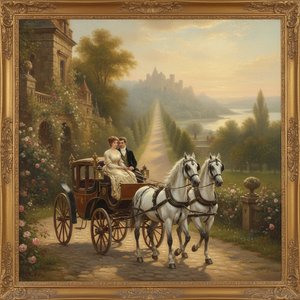
Timeless Elegance: A Visual Journey Through the Romance of Horse Carriage Artworks
Embark on a visual journey through the romantic world of horse carriage art. Discover the mastery of equestrian oil paintings, from Impressionist textures to classical realism, and learn how to bring timeless elegance into your home with museum-quality reproductions.

10 шедеврів німецького експресіонізму, що змінили мистецтво | TopImpressionists
Пориньте у світ німецького експресіонізму! 10 шедеврів від Кандинського, Кірхнера та інших – історія творчості, емоцій та кольорів. Купуйте репродукції картин на TopImpressionists.com та створіть неповторний інтер'єр.

The Noble Steed: A Historical and Artistic Exploration of Horses in Fine Art
Explore the rich history of horses in fine art! From ancient depictions to Renaissance masterpieces & beyond, discover iconic artworks and artists. Learn about symbolism, techniques, and find museum-quality reproductions at TopImpressionists.