


 Переглянути в інтер'єрі
 Надіслати
 Поділитися
 Деталі
 Посібник

 Завантажити
 Схожі предмети колекціонування
 Рентгенівське дослідження
 Слайд-шоу
 Статистика переглядів
Notre Dame

 Читати далі
Анрі Матісс – видатний французький художник, що революціонізував мистецтво кольором та формою. Його роботи – символ радості, гармонії та безмежної можливості у світі яскравих фарб.
Гікле / Художній принт
Музейна якість друку جيкле або на полотні з оперативним виготовленням та різноманітними варіантами фінішної обробки. ( Купити картину ручної роботи Перейти до цифрових зображень)




P118B ₴10

P118H ₴10

P118W ₴10

P438Z ₴10

P508JH ₴12

P508YH ₴12

P805H ₴10

P805Z ₴10

P919BZ ₴10

P919G ₴10

P919XJ ₴10

P959ZH ₴10

P968JZ ₴12

W106C ₴8

W218G ₴10

W218JH ₴8

W218Y ₴10

W307PJ ₴10

W316G ₴10

W316PJ ₴8

W316Y ₴10

W398PJ ₴8

W4111J ₴10

W500HY ₴15

W500JH ₴15

W692G ₴12

W849H ₴8

W940BG ₴15

W953PJ ₴8




Стандартний розмір
на замовлення
CM
INCH
Обирайте з наших стандартних розмірів, що відповідають оригінальним пропорціям твору мистецтва.
Loading sizes...

ширина
висота
Введіть необхідну ширину та висоту, щоб принт ідеально підійшов до вашої рами або стіни. Принт можна лише обрізати, але не можна зробити більшим за оригінал, тому при зміні пропорцій частина зображення буде втрачена. Перед друком ми надсилаємо вам цифровий макет для затвердження. Зображення на цій сторінці не відображає реальну обрізку — її можна побачити лише на макеті.
Доставка по всьому світу () за 2 тижні замість стандартних 4/5 тижнів. (22 Жовтень)

Безкоштовна експрес-доставка по всьому світу

Високоякісне лляне полотно

Повне страхове покриття доставки

Гарантія повернення митних зборів

Гарантія точного відтворення кольорів

Політика повернення протягом 100 днів (лише у разі виявлення дефектів)

Гарантія повернення 100% коштів

Знижка на оптові замовлення
 Скляний варіант доступний лише для розмірів до 110 см

Notre Dame
Гікле / Художній принт
Розмір репродукції
-


Загальна вартість
₴ 3096
A Symphony of Color Against Parisian Stone
Henri Matisse’s “Notre Dame,” painted in 1914, isn't merely a depiction of Paris; it’s an embodiment of the artist’s revolutionary approach to painting—a bold assertion of Fauvist principles that continues to resonate with audiences today. Captured on paper mounted on canvas and housed within the Albright-Knox Art Gallery collection, this artwork stands as a testament to Matisse’s unwavering belief in color as the primary vehicle for artistic expression.
The Bold Strokes of Fauvism
Matisse's stylistic choices immediately distinguish “Notre Dame” from academic traditions. Abandoning naturalistic representation, he embraced vibrant hues—dominantly blues and yellows—that prioritized emotional impact over accurate depiction. This technique aligns perfectly with the tenets of Fauvist art, a movement spearheaded by Matisse himself and Picasso, which sought to liberate color from its subservient role in portraying reality.
A Vision of Parisian Life
The painting portrays a bustling Parisian street scene centered around Notre Dame Cathedral. The cathedral’s imposing silhouette anchors the composition, rendered with meticulous detail despite Matisse's stylistic liberties. Scattered figures populate the foreground, conveying a sense of everyday life amidst the grandeur of the cityscape. Notably, a horse adds dynamism to the tableau, capturing movement and contributing to the overall atmosphere.
Symbolism Within Color
Matisse’s masterful use of color isn't accidental; it serves as a conduit for conveying emotion and spiritual contemplation. The dominant blues evoke feelings of serenity and solemnity, reflecting the cathedral’s religious significance. Simultaneously, splashes of yellow inject warmth and optimism, symbolizing hope and vitality—a deliberate contrast that underscores Matisse’s artistic intention.
Influence Beyond Canvas
“Notre Dame” exemplifies Matisse's enduring legacy as a pioneer of modern art. His groundbreaking exploration of color paved the way for subsequent generations of artists, inspiring them to prioritize expressive qualities over photographic realism. Reproductions of this iconic artwork offer collectors and interior designers alike an opportunity to experience the transformative power of Fauvist aesthetics—a celebration of pure color and form that continues to captivate viewers worldwide.
Запитання та відповіді
Яку насиченість та інтенсивність має «Notre Dame» Генрі Матіс?
Кольори твору «Notre Dame» Генрі Матіс демонструють Balanced Soft насиченість із Balanced інтенсивністю.
Де я можу знайти статистику про «Notre Dame» Генрі Матіс?
Для «Notre Dame» існує сторінка Статистика, на якій відображено щомісячну кількість переглядів цього твору та інших робіт митця з розподілом за країнами та мовами.
З яких матеріалів створено "Notre Dame"?
«Notre Dame» виконано в техніці Acrylic On Canvas.
Біографія митця
Життя, занурене в колір: світ Анрі Матісса
Анрі Еміль Бенуа Матісс, народжений 31 грудня 1869 року у маленькому північному французькому містечку Като-Камбрезі, не був приречений на життя, сповнене пігментів та форм. Спочатку вивчаючи право в Парижі після закінчення середньої школи, його шлях різко змінився після нападу апендициту у 1889 році. Обмежений відновленням, він відкрив прихований пристрасть, запалений простою дією малювання набором художніх матеріалів, подарованих матір’ю. Це було не просто відволікання уваги; це було одкровення – поворотний момент, який відвів його від юридичних документів до світу, де колір став би його мовою, а полотно – його доменом. Виростаючи в Бое-ан-Вермандуа, сином торговців зерном, Матісс спочатку здавався малоймовірним прихильником богемного життя художника, проте зерно було засіяне, виховане періодом недуги та розквітло у все життя відданість. Він вступив до Академії Жуліана, а потім до Національної школи образотворчого мистецтва, навчаючись під керівництвом Вільяма-Адольфа Бугро та Гюстава Моро відповідно, засвоюючи класичні техніки, які слугували основою для його майбутніх інновацій. Ранні роботи відображали це академічне навчання, демонструючи майстерність, але не вистачало відмінного голосу, який незабаром мав визначити його.Світанок Фовізму та сміливі експерименти
Поворотним моментом став 1896 рік під час візиту до Бель-Іль з австралійським художником Джоном Расселом. Ця зустріч виявилася трансформаційною. Рассел познайомив Матісса з яскравим світом імпресіонізму, і що важливіше – з емоційно зарядженими полотнами Вінсента ван Гога. Вплив був глибоким. Експресивне використання кольору Ван Гогом зруйнувало попередню стриману палітру Матісса, спонукаючи його до сміливішого, більш суб’єктивного підходу. Він почав відходити від земляних тонів, приймаючи відтінки, які резонували з почуттями, а не зі строгим представленням. Це дослідження досягло кульмінації в появі Фовізму близько 1905 року – руху, де Матісс став провідною фігурою. Сама назва, що означає «дикі звірі», спочатку була зневажливою, даною критиком на виставці шокуюче яскравих і нереалістичних картин у Salon d'Automne. Матісс, поряд з такими художниками, як Андре Дерен та Моріс де Вламінк, пропагував інтенсивний колір як незалежний елемент вираження, спрощуючи форми для посилення його впливу. Картини, такі як «Гарбузи» (1905), є прикладом цього стилю – буяння червоних, зелених та жовтих кольорів, нанесених з свободою, яка ігнорувала традиційну перспективу та міметичну точність. Ключові характеристики включали насичені палітри, спрощені форми, експресивні мазки пензля та навмисне відкидання конвенціонального представлення на користь емоційного резонансу.Удосконалення та декоративна гармонія
Після початкового запалу Фовізму стиль Матісса зазнав тонкої, але значної еволюції. Хоча він ніколи не відмовлявся від своєї любові до кольору, його робота стала більш витонченою, схиляючись до декоративної естетики, яка підкреслювала сплющені форми та складні візерунки. Він досліджував теми дозвілля, домашнього життя та людської фігури в спокійних умовах, створюючи композиції, які здавалися одночасно гармонійними та емоційно резонансними. Переїзд у Ніццу на Французьку Рив’єру в 1917 році ще більше вплинув на цей зсув, наповнивши його роботу відчуттям безтурботності та класичної рівноваги. Він почав зосереджуватися на створенні середовищ – картин, скульптур і декоративних предметів – які огортали глядача атмосферою краси та спокою. У цей період він експериментував з різними медіа, включаючи кераміку та текстиль, розширюючи своє художнє бачення за межі традиційного полотна. Він не просто зображував сцени; він будував світи, призначені для виклику конкретної емоційної реакції.Пізні роки: інновації через обмеження
Оскільки погіршення здоров’я обмежило здатність Матісса малювати у звичайний спосіб, він вирушив у надзвичайну нову главу своєї художньої подорожі – створення колажів із вирізаного паперу або *декупаж*. Починаючи приблизно в 1947 році, ці роботи народилися з необхідності. Обмежений інвалідним візком, він не міг фізично стояти та малювати, але все ще міг маніпулювати папером ножицями. Те, що почалося як практичне рішення, перетворилося на новаторську художню техніку. Він малював великі аркуші паперу яскравими кольорами, а потім вирізав їх у форми – органічні фігури, листя, фігури – і розташовував на полотні, створюючи композиції, які були одночасно динамічними та оманливо простими. Ці *декупажі* не були просто замінниками живопису; вони представляли новий спосіб мислення про колір, форму та композицію. Вони продовжили його все життя дослідження цих елементів, демонструючи стійке художнє бачення навіть перед фізичними обмеженнями.- Техніка вирізання з паперу дозволила йому досягти чистоти форми та кольору, яку було важко отримати за допомогою фарби.
- Ці роботи часто посилалися на попередні теми та мотиви з його картин, але представляли їх у свіжому та інноваційному вигляді.
- Вони продемонстрували його здатність адаптуватися та розвиватися як художник протягом усієї своєї кар’єри.
Тривала спадщина: вплив Матісса на сучасне мистецтво
Анрі Матісс помер у Ніцці в 1954 році, залишивши після себе творчість, яка продовжує надихати та захоплювати глядачів у всьому світі. Його вплив на світ мистецтва незаперечний; він кинув виклик конвенціональним уявленням про представництво, пропагував експресивну силу кольору та проклав шлях для майбутніх поколінь художників. Часто розглядається поряд із Пабло Пікассо як одна з найвпливовіших фігур у мистецтві 20-го століття, Матісс фундаментально сформував модернізм. Його спадщина виходить за межі його творів – вона включає філософію святкування радості, краси та трансформаційного потенціалу кольору. Він не просто малював те, що бачив; він створював емоційний досвід для глядача, запрошуючи їх поділитись його баченням світу, наповненого світлом і яскравими відтінками. Вплив Матісса можна побачити у незліченних роботах художників з різних дисциплін, закріплюючи його місце як справжнього майстра сучасного мистецтва – художника, який наважився бачити світ не таким, яким він є, а яким він міг би бути, сповненим кольору, гармонії та безмежних можливостей.
Генрі Матіс
1869 - 1954 , Франція
Довідкова інформація
- Відомі Роботи:
- Гурки
- Лаурета в білому тюрбані
- Дата Народження: 31 грудня 1869
- Дата Смерті: 3 листопада 1954
- Місце Народження: Льо-Като-Камбрезі, Франція
- Національність: Француз
- Повне Ім'Я: Анрі Еміль Бенуа Матісс
- Художники, На Яких Вплинув:
- Модернізм
- Експресіонізм
- Художники, Що Вплинули:
- Ван Гог
- Шарден
- Рассел
- Художній Рух/Стиль: Фовізм
Схожі статті
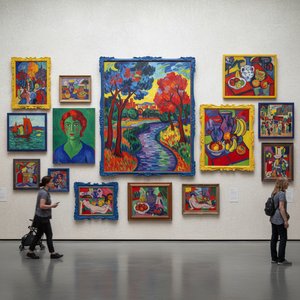
Топ-10 шедеврів фовізму: яскраві полотна, що змінили мистецтво | TopImpressionists.com
Відкрийте для себе 10 шедеврів фовізму від Матісса, Дерена та інших! Історія створення, яскраві кольори та вплив на мистецтво. Репродукції картин преміум-якості для вашого інтер'єру – TopImpressionists.com

Топ-10 шедеврів Фавізму: Яскраві полотна, що змінили мистецтво | TopImpressionists
Відкрийте для себе 10 шедеврів Фавізму від Матісса, Дерена та інших! Дізнайтесь історію яскравих полотен, що змінили мистецтво. Купуйте репродукції картин преміум-якості на TopImpressionists.com.

Fauvism Unveiled: The Wild Revolution of Color and Emotion in Modern Art
Explore the vibrant revolution of Fauvism. Discover how masters like Henri Matisse liberated color from reality to express pure emotion. An expert guide into the 'Wild Beasts' of modern art history for collectors and enthusiasts.
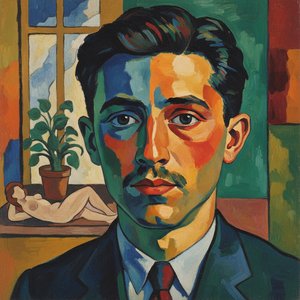
Henri Matisse: A Revolutionary Use of Color and Form in Modern Art
Explore the revolutionary art of Henri Matisse! Discover his bold use of color, Fauvist origins, and lasting impact on modern painting. A comprehensive guide for art enthusiasts.

Топ-25 шедеврів Анрі Матісса: Кольори та форми, що змінили мистецтво | TopImpressionists
Відкрийте для себе 25 найвідоміших шедеврів Анрі Матісса! Дізнайтесь історію фавізму, колірних рішень та унікального стилю художника. Репродукції картин Матісса для вашого дому – на TopImpressionists.com. Дослідіть колекцію онлайн!
Досліджуйте твори мистецтва, впорядковані за темами, стилями та характеристиками.


