

Shown: · With its frame:
 Переглянути в інтер'єрі
 Надіслати як листівку
 Поділитися
 Деталі витвору
 Посібник

 Завантажити
 Схожі екземпляри
 Рентгенівське дослідження
 Слайд-шоу
 Q&A
Q&A Статистика


₴ 12092
Олійная репродукція ручної роботи
Написана вручну олією на полотні у вашому розмірі та рамі, виготовлена на замовлення нашими художниками. ( Перейти до друку Перейти до цифрових зображень)
Size
·Стандартний розмір
індивідуальний розмір
CM
INCH
Обирайте з наших стандартних розмірів, що відповідають оригінальним пропорціям твору мистецтва.
Loading sizes...

ширина
висота
Введіть необхідну ширину та висоту, щоб картина підійшла до вашої рами або стіни. Оскільки це ручний розпис, для зміни пропорцій художник може дописати трохи більше по краях або дещо обрізати композицію — вибір за вами. Перед початком роботи ми надішлемо вам цифровий макет для затвердження. Зображення, показане на цій сторінці, не є реальним результатом — лише макет відображає майбутній вигляд.
 Читати далі
Finish
·
White ₴1

Blurside ₴1

Extended ₴1

P118B ₴10

P118H ₴10

P118W ₴10

P438Z ₴10

P508JH ₴12

P508YH ₴12

P805H ₴10

P805Z ₴10

P919BZ ₴10

P919G ₴10

P919XJ ₴10

P959ZH ₴10

P968JZ ₴12

W106C ₴8

W218G ₴10

W218JH ₴8

W218Y ₴10

W307PJ ₴10

W316G ₴10

W316PJ ₴8

W316Y ₴10

W398PJ ₴8

W4111J ₴10

W500HY ₴15

W500JH ₴15

W692G ₴12

W849H ₴8

W940BG ₴15

W953PJ ₴8

H24-GOLD ₴30

H24-SILVER ₴30

H36-GOLD ₴45

H36-SILVER ₴45
Shipped in a protective tube, ready for your own framer.
Above 105 cm the frame is shipped as a kit for a professional framer — read the details.
Extras
optionalWhat do the extras include?
Examples of what can be changed: Replace face with customer photo; Add pet (e.g., replace cat with dog); Include hidden message in background; Change background landscape or elements.
After order, TopImpressionists.com team will email client for instructions and provide a mockup preview
After order, TopImpressionists.com team will email client for instructions and provide a mockup preview
Доставка по всьому світу () за 3–4 тижні замість стандартних 5 тижнів. (2 Листопад). Без жодних компромісів у якості.
Захисний лак
Етикетка експоната
Деталі гравірування на бронзовій табличці
This elegant plaque features the artist's name and the title of the artwork, finely engraved for a timeless presentation.
It is made from bronze with a refined, elegant finish. The text is precisely laser-engraved for a sharp and permanent result. Measuring 9x2 cm, the plaque is compact yet easy to read. It's built to be durable and scratch-resistant, offering a professional, museum-quality look. Mounting is simple thanks to the included adhesive backing.
Деталі прозорої акрилової таблички
The plaque includes essential engraved details such as the artist's name, the title of the artwork, the date it was created, the type of media used-like oil on canvas or watercolor-a brief description of the piece, and a QR code that links to the complete artwork information.
It is crafted from clear acrylic, offering a sleek, modern appearance. The text is UV-engraved in black to ensure strong visual contrast. With a size of 10x15 cm, it ensures optimal readability. It comes equipped with two metal hooks for secure wall mounting. The plaque is designed to be weather-resistant, making it suitable for various environments, and it includes interactive features that work seamlessly with smartphone scanning.
Деталі чорної акрилової таблички
This elegant plaque includes engraved information such as the artist's name, the title of the artwork, the date it was created, the type of media used (like oil on canvas or watercolor), a short description of the artwork, and a QR code for quick access to more information.
The plaque itself is made from refined black acrylic with a premium finish. The text is laser-engraved in white for high contrast and readability. Its size is 10x15 cm, designed to be easy to read. It comes with two metal hooks for professional mounting. The design is sleek and fits any interior style. It is also weather-resistant and durable, with built-in digital integration for mobile compatibility.
Скляний варіант доступний лише для розмірів до 110 см
 Скляний варіант доступний лише для розмірів до 110 см
- Безкоштовна експрес-доставка по всьому світу
- Високоякісне лляне полотно
- Повне страхове покриття доставки
- Гарантія повернення митних зборів
- Гарантія точного відтворення кольорів
- Політика повернення протягом 100 днів (лише у разі виявлення дефектів)
- Гарантія повернення 100% коштів
- Пропозиція на оптові замовлення


Опис експоната
Біографія митця
Ієронім Босх (1450-1516) – геніальний нідерландський художник, відомий своїми сюрреалістичними та символічними картинами, що досліджують темні сторони людської природи та вічні моральні випробування.
About the painting
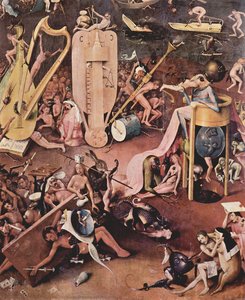
A Moment Frozen in Time: Exploring Hieronymus Bosch’s Ecce Homo Detail
The painting “Ecce Homo” – Latin for “Behold the Man” – is a haunting fragment from Hieronymus Bosch’s monumental triptych, completed around 1475. More than just a depiction of Jesus Christ’s crucifixion, it represents a profound meditation on human suffering and divine compassion, rendered with Bosch's signature blend of meticulous realism and fantastical imagination. This particular detail captures the palpable tension surrounding the figure of Jesus as he is presented to the crowd – a scene charged with religious significance and psychological complexity.The Artist’s Vision: Bosch’s Unique Style
Hieronymus Bosch (c. 1450-1516) stands apart from his contemporaries in Northern Renaissance art. Unlike many artists of his era who adhered to idealized depictions of biblical figures, Bosch embraced a disturbing vision rooted in medieval folklore and Christian mysticism. His style is characterized by an unsettling juxtaposition of naturalistic observation with grotesque imagery – animals transformed into monstrous hybrids, human figures distorted into expressions of agony and ecstasy. This deliberate dissonance wasn’t merely stylistic choice; it served as a powerful tool for conveying Bosch's anxieties about sin, mortality, and the corrupting influence of earthly desires. He meticulously crafted his paintings using oil paint on panel, achieving remarkable detail and luminosity—a technique that allowed him to capture both the physicality of his subjects and the ethereal quality of their spiritual torment.Historical Context: Faith Under Pressure
The triptych itself was commissioned by Willem Boreel, a wealthy Antwerp merchant who sought solace during a period of religious upheaval in Europe. The Protestant Reformation was gaining momentum, challenging papal authority and sparking intense debates about theological interpretation. Bosch’s depiction reflects this climate of uncertainty; the faces of those surrounding Jesus are etched with sorrow and apprehension, mirroring the anxieties felt by many devout Christians grappling with questions of faith and salvation. The inclusion of instruments like a sword and shield speaks to the political tensions of the time – symbols of military might juxtaposed against the vulnerability of Christ on the cross—underscoring Bosch’s awareness of the broader societal landscape.Symbolism: Layers of Meaning Beyond the Visible
Beyond its immediate depiction, “Ecce Homo” is replete with symbolic references that delve into deeper theological concerns. The cup held aloft by one figure represents divine grace – offering solace and redemption to those who acknowledge their failings. Conversely, the expressions on the faces of the onlookers convey a spectrum of emotions: pity, fear, disbelief, and perhaps even contempt. Bosch’s masterful use of color contributes to this symbolic richness; muted tones dominate the scene, emphasizing the solemnity of the occasion while highlighting the luminous glow emanating from Jesus's body—a visual representation of divine holiness amidst human suffering.Emotional Impact: A Portrait of Humanity’s Struggle
“Ecce Homo” continues to resonate with viewers centuries after its creation because it confronts us directly with the fundamental questions of existence. Bosch doesn’t offer easy answers; instead, he compels us to contemplate the horrors of human nature alongside the promise of divine mercy. The painting's unsettling realism combined with fantastical elements creates a visceral experience—one that lingers in the mind long after viewing. It serves as a timeless reminder of our shared vulnerability and the enduring power of faith to illuminate even the darkest corners of the human condition. This detail, like the entire triptych, remains an unforgettable testament to Bosch’s unparalleled artistic genius and his profound engagement with the spiritual anxieties of his time.Питання та відповіді
Як можна використати «Ecce Homo (detail)» роботи Ієронім Босх в інтер'єрі дому?
«Ecce Homo (detail)» чудово підійде для Accent, а найкращим місцем для його розміщення стане Living Room.
Який загальний настрій передає «Ecce Homo (detail)» роботи Ієронім Босх?
«Ecce Homo (detail)» роботи Ієронім Босх описують як твір із Dramatic настроєм. Така класифікація допоможе підібрати відповідний інтер'єр для цієї роботи.
Який це вид твору мистецтва: «Ecce Homo (detail)» роботи Ієронім Босх?
«Ecce Homo (detail)» — це твір у техніці WallArt.
Quick facts and art quiz
About Ієронім Босх

Ієронім Босх
1450 - 1516, Нідерланди
Біографія митця
A Netherlandish Enigma: The Life and Art of Hieronymus Bosch
Born around 1450 in the vibrant, bustling town of ’s-Hertogenbosch in the Netherlands—then part of Brabant—Hieronymus Bosch, originally Jheronimus van Aken, remains one of art history’s most compelling and mysterious figures. His world was steeped in late medieval religious fervor, folklore, and a growing sense of societal unease, all of which would profoundly shape his uniquely unsettling artistic vision. Coming from a family with a long tradition of painting—his grandfather, Jan van Aken, and father, Anthonius van Aken, were both artists—Bosch likely received his earliest training within the family workshop, absorbing the techniques and conventions of Netherlandish painting. However, even in his formative years, he began to diverge from established norms, hinting at the extraordinary imagination that would define his career. Biographical details are frustratingly scarce; records are fragmented, leaving much open to speculation and interpretation, adding to the aura of mystique surrounding both the man and his work. He married Aleyt Goyaerts van den Meerveen sometime before 1481, a union that provided him with some financial security through her family’s holdings, but little else is known about their personal life.Fantastical Visions and Symbolic Depths
Bosch's artistic style is instantly recognizable—a captivating blend of meticulous detail and wildly imaginative imagery. He primarily worked with oil on oak panels, demonstrating a masterful command of the medium, achieving luminous colors and intricate textures. While his early works show influences from traditional Netherlandish painting, particularly in their realism and attention to detail, he quickly moved beyond mere imitation, developing a profoundly original vision. His paintings are not simply representations of reality; they are allegorical landscapes populated by bizarre creatures, hybrid beings, and unsettling scenes that seem plucked from dreams—or nightmares. Religious themes form the core of much of his work, but these are rarely straightforward depictions of biblical stories. Instead, Bosch uses symbolism to explore complex moral and theological concepts, often focusing on the dangers of sin, the fragility of earthly pleasures, and the inevitability of divine judgment. His creatures—grotesque demons, fantastical animals, and strangely human figures—are not merely decorative elements; they are embodiments of vice, temptation, and spiritual corruption. The blending of the sacred and the profane, the beautiful and the grotesque, creates a uniquely unsettling effect that continues to captivate viewers centuries later.Masterpieces of Moral Allegory
Among Bosch’s most celebrated achievements is The Garden of Earthly Delights (c. 1490-1510), a triptych that remains one of the most enigmatic and debated works in art history. When opened, it presents a panoramic vision of paradise, earthly life, and hell—a complex allegorical representation of humanity’s fall from grace. The left panel depicts the Garden of Eden, teeming with fantastical creatures and lush vegetation; the central panel portrays a world consumed by sensual pleasure and unrestrained desire; and the right panel offers a terrifying glimpse into the torments of hell. The Triptych of the Last Judgement (c. 1480-1490) is another powerful example of his skill in portraying both heavenly bliss and infernal torment, while The Ascent of the Blessed (c. 1480-1490) demonstrates his ability to create ethereal and dreamlike scenes. Even smaller works like Epiphany (c. 1495) showcase his innovative use of oil on wood and complex symbolism, revealing a mind constantly grappling with profound questions about faith, morality, and the human condition.Influences and Artistic Techniques
Identifying Bosch’s direct influences is a challenging task, given the originality of his vision. Scholars suggest possible connections to medieval folklore, religious texts—particularly those emphasizing apocalyptic themes—and the prevailing anxieties of the time, including fears of heresy and social upheaval. However, it's clear that he synthesized these elements into something entirely new and uniquely his own. His use of oil paint allowed for incredible detail and luminosity, while his meticulous rendering of textures and patterns created a sense of both realism and unreality. Bosch’s compositions are often complex and layered, with multiple levels of meaning and symbolism. He frequently employed perspective techniques to create the illusion of depth and space, drawing viewers into his fantastical worlds. The recurring motifs in his work—such as animals, fruits, and musical instruments—carry symbolic weight, adding layers of interpretation to his narratives.Legacy and Enduring Influence
Bosch’s art continues to fascinate and provoke debate centuries after its creation. He is considered a pioneer of surrealism, anticipating many of the themes and techniques that would later be explored by artists such as Salvador Dalí and Max Ernst. His unsettling visions have resonated with audiences for generations, prompting questions about morality, faith, and the nature of human existence. The Prado Museum in Madrid houses some of his most famous works, attracting visitors from around the world who come to marvel at his extraordinary imagination and technical skill. Hieronymus Bosch remains a towering figure in art history—a master of symbolism, a visionary artist, and an enduring enigma whose work continues to challenge and inspire us today. His paintings offer valuable insights into the religious, social, and psychological climate of the late 15th and early 16th centuries, challenging conventional norms and paving the way for new forms of artistic expression.Quick facts about Ієронім Босх
- Artistic Movement Or Style: Сюрреалізм, Символізм
- Artists Or Movements Influenced By This Artist:
- Пітер Брюггель Старший
- Сюрреалізм
- Date Of Birth: c. 1450
- Date Of Death: 1516
- Full Name: Hieronymus Bosch
- Nationality: Нідерландський
- Notable Artworks:
- Сад земних задоволень
- Останній Суд
- Сім гріхів
- Place Of Birth: Делфт, Нідерланди
Досліджуйте твори мистецтва, впорядковані за темами, стилями та характеристиками.




Ієронім Босх
Ecce Homo (detail)
() ·
With its frame: · Hand-painted in oil on linen
Total