


 Переглянути в інтер'єрі
 Надіслати як листівку
 Поділитися
 Деталі витвору
 Посібник

 Завантажити
 Схожі екземпляри
 Рентгенівське дослідження
 Слайд-шоу
 Статистика
Teika
 1899
1899 68.0 x 85.0 cm
 Розгорнути текст
Яніс Розента́льс (1866-1916) – видатний латвійський живописець, засновник сучасного латвійського мистецтва. Його полотна – поєднання імпресіонізму та модерну, відображення красу Латвії та національної ідентичності.
Олійная репродукція ручної роботи
Написана вручну олією на полотні у вашому розмірі та рамі, виготовлена на замовлення нашими художниками. ( Перейти до друку Перейти до цифрових зображень)




































Стандартний розмір
індивідуальний розмір
CM
INCH
Обирайте з наших стандартних розмірів, що відповідають оригінальним пропорціям твору мистецтва.
Loading sizes...

ширина
висота
Введіть необхідну ширину та висоту, щоб картина підійшла до вашої рами або стіни. Оскільки це ручний розпис, для зміни пропорцій художник може дописати трохи більше по краях або дещо обрізати композицію — вибір за вами. Перед початком роботи ми надішлемо вам цифровий макет для затвердження. Зображення, показане на цій сторінці, не є реальним результатом — лише макет відображає майбутній вигляд.
Приклади можливих змін: замінити обличчя на фото клієнта; додати домашню тварину (наприклад, замінити кота на собаку); додати приховане повідомлення на фоні; змінити ландшафт або елементи фону.
Після оформлення замовлення команда TopImpressionists.com зв'яжеться з клієнтом електронною поштою для отримання інструкцій та надасть попередній макет
Після оформлення замовлення команда TopImpressionists.com зв'яжеться з клієнтом електронною поштою для отримання інструкцій та надасть попередній макет
Доставка по всьому світу () за 3–4 тижні замість стандартних 5 тижнів. (25 Жовтень). Без жодних компромісів у якості.

Безкоштовна експрес-доставка по всьому світу

Високоякісне лляне полотно

Повне страхове покриття доставки

Гарантія повернення митних зборів

Гарантія точного відтворення кольорів

Політика повернення протягом 100 днів (лише у разі виявлення дефектів)

Гарантія повернення 100% коштів

Пропозиція на оптові замовлення
 Скляний варіант доступний лише для розмірів до 110 см

Teika
Матеріал репродукції
Розмір репродукції
-


Підсумкова вартість
₴ 12074
The painting Teika by Janis Rozentāls is a stunning example of Latvian art from the late 19th century. Created in 1899, this beautiful piece is a testament to the artist's skill and attention to detail. The painting features a woman playing a harp, surrounded by lush greenery and a serene atmosphere.
The Teika painting is a must-see for anyone interested in Latvian art and history. With its beautiful colors, delicate lines, and serene atmosphere, it is a true masterpiece that continues to captivate audiences to this day.
The Artist and His Work
Janis Rozentāls was a renowned Latvian painter, known for his impressive collection of artworks that can be found in the Latvian National Museum of Arts. His paintings often depicted scenes from everyday life, as well as mythological and symbolic themes. The Teika painting is a prime example of his ability to capture the essence of a moment in time. Key Features of the Painting The painting measures 68 x 85 cm and is created using pastel techniques. The soft colors and delicate lines used in the piece create a sense of intimacy and tranquility. The woman's focus on playing the harp is palpable, and the surrounding environment seems to be at peace.- The painting is a beautiful representation of Latvian art from the late 19th century
- The use of pastel techniques creates a soft and delicate atmosphere
- The woman's focus on playing the harp is a testament to the artist's attention to detail
The Teika painting is a must-see for anyone interested in Latvian art and history. With its beautiful colors, delicate lines, and serene atmosphere, it is a true masterpiece that continues to captivate audiences to this day.
Питання та відповіді
Кольори у творі "Teika" виглядають насиченими чи ніжними?
«Teika» роботи Яніс Розента́льс вирізняється Монохромність насиченістю кольорів.
Наскільки гармонійно поєднуються кольори у творі "Teika"?
Кольори твору «Teika» роботи Яніс Розента́льс демонструють Висока колірна єдність гармонію. Гармонія описує взаємозв'язок кольорів між собою.
Під якими ще іменами відомий Яніс Розента́льс?
Яніс Розента́льс також відомий під іншими іменами: Ян Розенталь.
Біографія митця
A Pioneer of Latvian Painting: The Life and Art of Janis Rozentāls
Janis Rozentāls (1866–1916) stands as a towering figure in the history of Latvian art, an artist who played a crucial role in shaping a distinct national artistic identity during a period of profound cultural and political transformation. Born on March 18, 1866, in the modest Bebri Farmstead within the Courland Governorate – then part of the Russian Empire – Rozentāls’ journey, from the son of a blacksmith to a celebrated painter, is a testament to his unwavering dedication and exceptional talent. His formative years were deeply intertwined with the rural Latvian landscape, an environment that would indelibly imprint itself upon his artistic vision, providing both inspiration and a profound connection to his heritage. Initially receiving his education at H. Krause’s Elementary School in Saldus and later attending Kuldīga District School, Rozentāls' burning desire for artistic expression led him to Riga at the age of fifteen – a pivotal moment that marked the beginning of his formal training and ultimately propelled him towards a life dedicated to art.Blending Tradition and Modernity: Artistic Development and Style
Rozentāls is rightfully recognized as one of the key architects of professional fine arts in Latvia. His artistic output represents a remarkable synthesis of influences, primarily drawing from Impressionism and Art Nouveau, yet always filtered through a uniquely Latvian sensibility. He didn’t simply adopt these styles; he actively transformed them, imbuing them with a character that resonated deeply with the burgeoning national consciousness of his time. A defining characteristic of his compositions is an intentional asymmetry coupled with a flowing, wavelike rhythm – hallmarks of Art Nouveau. However, Rozentāls masterfully balanced this decorative quality with a subtle understanding of tonal variations and color relationships, preventing his work from becoming overly ornamental or superficial. He skillfully combined flatness with soft transitions, creating images that were both visually arresting and emotionally evocative. His subject matter was remarkably diverse, encompassing portraits that offered profound insights into the inner lives of his subjects, landscapes celebrating the breathtaking beauty of Latvian nature – particularly vibrant spring scenes brimming with life and color – and symbolic works inspired by biblical narratives and mythological themes. In 1910, he undertook a significant commission to create decorative friezes for the Riga Latvian Society, showcasing his ability to execute monumental projects while maintaining artistic integrity and sensitivity. Beyond painting, Rozentāls was also a prolific graphic artist, producing book designs, magazine illustrations, posters, and drawings – demonstrating the breadth of his creative talent and versatility.A Finnish Interlude: Marriage and Artistic Exchange
A transformative period in Rozentāls’s life unfolded in 1902 when he met Elli Forssell, a captivating Finnish singer, in Riga. Their marriage in 1903 proved to be more than just a personal union; it served as a catalyst for artistic exchange and broadened his horizons immeasurably. The connection with Finland profoundly influenced his artistic interests, leading him to deeply appreciate the work of Finnish artists such as Gallen-Kallela, Järnefelt, Halonen, and Saarinen. He meticulously studied their art, recognizing in them a kindred spirit – a shared commitment to expressing national identity through innovative artistic forms. From 1905 to 1916, the family resided in Helsinki, providing Rozentāls with an immersive experience of Finnish culture and further enriching his artistic perspective. This period was marked by sustained artistic productivity, as he seamlessly integrated his Latvian roots with the influences of his adopted environment, resulting in a uniquely hybrid style that reflected both his heritage and his newfound connections.Lasting Legacy: Major Works and Historical Significance
Rozentāls’s legacy is firmly established through a substantial body of work that continues to captivate audiences today. His portraits – including those of A. Dombrovskis, Rūdolfs Blaumanis, and his beloved wife Elli Forssell – are not merely likenesses but rather insightful studies of character and personality, revealing the inner lives of his subjects with remarkable depth and sensitivity. Landscapes such as “From Church” (1894) and “Picnic” (1913) beautifully capture the serene beauty of the Latvian countryside, imbued with a sense of nostalgia and reverence for nature’s enduring power. His symbolic works – including "Temptation" and "Eve with the Apple" – explore universal themes of morality, desire, and spirituality through a compelling blend of realism and symbolism. He also created altar pieces for Latvian churches, adapting his style to suit a broader audience while consistently maintaining artistic quality and reverence. Janis Rozentāls died on December 26, 1916, in Helsinki, Finland, but was later reburied in Forest Cemetery, Riga, in 1920. His impact extends far beyond his paintings; the Janis Rozentāls Art High School in Riga stands as a lasting testament to his dedication to artistic education, and a memorial museum located in Saldus preserves his life and work for future generations. He remains a pivotal figure in Latvian art history, celebrated not only for his artistic achievements but also for his significant contribution to the development of a distinct national identity through his art – truly a pioneer of his time.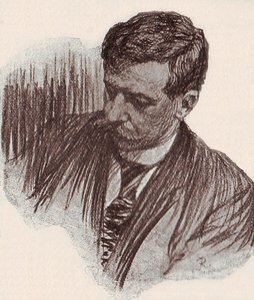
Яніс Розента́льс
1866 - 1916 , Латвія
Короткі факти
- Artistic Movement Or Style: Імпресіонізм, Ар-нуво
- Artists Or Movements Influenced By This Artist: ['Латвійське мистецтво']
- Date Of Birth: 1866-03-18
- Date Of Death: 1916-12-26
- Full Name: Janis Rozentāls
- Nationality: Латвійський
- Notable Artworks:
- Наве
- З церкви
- Пікнік
- Place Of Birth: Saldus, Латвія