


 Переглянути в інтер'єрі
 Надіслати
 Поділитися
 Деталі
 Посібник

 Завантажити
 Схожі предмети колекціонування
 Рентгенівське дослідження
 Слайд-шоу
 Статистика переглядів
Bowman


Discover John Fulton Folinsbee’s "Bowman" – an evocative impressionist landscape capturing New Hope’s beauty. Explore its textured brushwork & serene river scene.
 Читати далі
American painter John Fulton Folinsbee (Jack) captured New Hope & Lambertville's factories/canals in impressionist scenes. Known for emotive landscapes & Cézanne influence.
Мистецький твір, представлений на цій сторінці, захищений законом про авторське право, що унеможливлює легальне створення або продаж його ідентичної репродукції. Цей захист забезпечується відповідно до міжнародних угод, таких як Бернська конвенція та національним законодавством, зокрема положеннями, що викладені в Законодавство США про авторське право — Розділ 17. Всі права захищені. Будь-яке використання без дозволу заборонено.
Цей метод повністю відповідає нормам авторського права, оскільки він не передбачає копіювання чи дублювання захищеного твору мистецтва. Натомість це творче переосмислення — створення нового малюнка під впливом оригіналу, який не є його точним відтворенням.
Гікле / Художній принт
Музейна якість друку جيкле або на полотні з оперативним виготовленням та різноманітними варіантами фінішної обробки. ( Купити картину ручної роботи Перейти до цифрових зображень)




































Стандартний розмір
на замовлення
CM
INCH
Обирайте з наших стандартних розмірів, що відповідають оригінальним пропорціям твору мистецтва.
Loading sizes...

ширина
висота
Введіть необхідну ширину та висоту, щоб принт ідеально підійшов до вашої рами або стіни. Принт можна лише обрізати, але не можна зробити більшим за оригінал, тому при зміні пропорцій частина зображення буде втрачена. Перед друком ми надсилаємо вам цифровий макет для затвердження. Зображення на цій сторінці не відображає реальну обрізку — її можна побачити лише на макеті.
Доставка по всьому світу () за 2 тижні замість стандартних 4/5 тижнів. (21 Жовтень)

Безкоштовна експрес-доставка по всьому світу

Високоякісне лляне полотно

Повне страхове покриття доставки

Гарантія повернення митних зборів

Гарантія точного відтворення кольорів

Політика повернення протягом 100 днів (лише у разі виявлення дефектів)

Гарантія повернення 100% коштів

Знижка на оптові замовлення
 Скляний варіант доступний лише для розмірів до 110 см

Bowman
Гікле / Художній принт
Розмір репродукції
-


Загальна вартість
₴ 3085
Settling in New Hope in a home overlooking the Delaware River in 1916, John Fulton Folinsbee began painting winter scenes of the river and canal with a broken-brush technique and in a broad and vigorous style that captured the temporal effects of light and atmosphere. While his small canvases were often painted direct from nature, many of his larger canvases were painted in his studio from sketches. After traveling to England and France in 1926, his work changed. His colors became more somber, his treatment of light more dramatic, and, as River Ice suggests, his work more expressionist in approach while also exhibiting a stronger emphasis on structural design.
Запитання та відповіді
Як мені завантажити зображення «Bowman» John Fulton Folinsbee?
Зображення твору «Bowman» John Fulton Folinsbee можна завантажити на сторінці Завантажити: завантаження цифрового зображення високої роздільної здатності.
Як я можу переглянути репродукцію твору «Bowman» John Fulton Folinsbee?
Сторінка попереднього перегляду «Bowman» (Попередній перегляд) дозволяє ознайомитися з твором перед замовленням.
До якого тону схиляється "Bowman"?
У «Bowman» John Fulton Folinsbee переважає Ochre to Sepia відтінок.
Схожі твори мистецтва


Біографія митця
The Resilient Vision of John Fulton Folinsbee
In the annals of American landscape painting, few names evoke the atmospheric magic of the Delaware River valley quite like John Fulton “Jack” Folinsbee. Born in Buffalo, New York, on March 14, 1892, Folinsbee’s life was a profound testament to the triumph of spirit over physical adversity. At the tender age of fourteen, a debilitating bout of polio left him permanently wheelchair-bound, yet this physical limitation never constrained his artistic reach. Instead, it seemed to sharpen his focus, driving him toward a meticulous and deeply emotive observation of the natural world. His journey was one of constant movement—not through the landscape itself, but through the evolving textures of light, color, and form that he captured on canvas.
Folinscribe’s artistic lineage is a tapestry of influential mentors and prestigious art colonies. His earliest inclinations toward the brush began in childhood at the Art Students League of Buffalo, but his true technical foundation was laid under the guidance of the landscape painter Jonas Lie. This early exposure to tonalism—a style emphasizing mood and atmosphere over sharp detail—became a cornerstone of his sensibility. As he moved through the prestigious Woodstock Art Colony during the summers of 1912–1914, studying under masters like Birge Harrison and John Carlson, Folinsbee began to refine a voice that was uniquely his own. These formative years instilled in him a reverence for the ephemeral qualities of nature, particularly the way light dances across water and settles upon the earth.
A Stylistic Evolution: From Tonalism to Impressionist Mastery
The trajectory of Folinsbee’s career is marked by a breathtaking transition from the soft, muted tones of his youth to a more vigorous and structured approach. Settling in New Hope, Pennsylvania, in 1916, he found himself at the heart of a vibrant art community. His early works in this period often focused on the winter scenes of the Delaware River and its canals, utilizing a broken-brush technique that allowed him to capture the fleeting temporal effects of light and frost. These canvases were often painted directly from nature, breathing with the immediate energy of the riverbank.
However, a pivotal shift occurred following his travels to England and France in 1926. Inspired by the structural brilliance of Paul Cézanne, Folinsbee’s work underwent a profound metamorphosis. He moved away from the hazy boundaries of tonalism toward a more robust Impressionist style characterized by:
- Structural Design: A newfound emphasis on the underlying geometry and architecture of the landscape.
- Dramatic Light: A treatment of illumination that became more theatrical and impactful.
- Expressionist Tendencies: A shift toward more somber, emotive color palettes that suggested a deeper psychological connection to his subjects.
This evolution allowed him to transform the industrial and natural landmarks of New Hope and Lambertville—such as factories, quarries, and winding canals—into much more than mere scenery; they became symbols of a lived, breathing landscape.
Legacy and Historical Significance
John Fulton Folinsbee’s legacy resides in his ability to bridge the gap between the traditional American landscape tradition and the modernizing influences of European Impressionism and Expressionism. He did not merely document the Delaware River valley; he captured its very soul. Through his mastery of texture and light, he rendered the industrial grit of local factories alongside the tranquil beauty of autumn poplars with equal reverence and poetic depth.
Today, his work remains a cornerstone of the New Hope Art Colony’s history. He stands as a figure of immense historical significance, reminding us that the most profound visions often come from those who view the world through a lens of extraordinary perseverance. His paintings continue to resonate with collectors and art historians alike, offering a timeless window into an era where light, water, and human industry converged in a singular, breathtaking harmony.

Довідкова інформація
- Artistic Movement Or Style: Impressionism
- Artists Or Movements Influenced By This Artist: ['Cézanne']
- Artists Who Influenced This Artist:
- Jonas Lie
- Birge Harrison
- Date Of Death: May 10, 1972
- Full Name: John Fulton Folinsbee
- Nationality: American
- Notable Artworks:
- Oaks & Tulip Poplars
- Bowman
- Place Of Birth: Buffalo, New York
Схожі статті
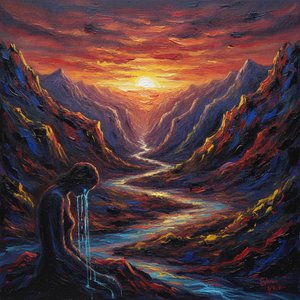
Capturing Emotion: A Journey Through the Soul of Expressionist Landscapes
Explore the profound emotional depth of Expressionist landscapes. Discover how Post-Impressionist masters moved beyond light to capture the soul through vibrant color and form. A curated journey for true art lovers seeking the beauty of expressive mastery.

Beyond the Light: Capturing Raw Emotion and Subjective Vision in Post-Impressionist Landscapes
Explore the profound emotional depth of Post-Impressionist landscapes. Discover how masters like Van Gogh moved beyond light to capture raw human feeling through vibrant color and expressive texture in this expert art history retrospective.