


 Переглянути в інтер'єрі
 Надіслати
 Поділитися
 Деталі
 Посібник

 Завантажити
 Схожі предмети колекціонування
 Рентгенівське дослідження
 Слайд-шоу
 Статистика переглядів
Carnival in Arcueil


Lyonel Feininger's "Carnival in Arcueil" (1911) bursts with Expressionist energy! Witness vibrant colors, dynamic figures, and a captivating Parisian carnival scene – a masterpiece by a pioneering artist.
 Читати далі
Відкрийте світ творчості Льонєля Фейнінгера (1871–1956)! Німецько-американський експресіоніст художник та архітектор Баухауса. Його унікальний стиль: кубізм, архітектурна естетика та морські пейзажі.
Гікле / Художній принт
Музейна якість друку جيкле або на полотні з оперативним виготовленням та різноманітними варіантами фінішної обробки. ( Купити картину ручної роботи Перейти до цифрових зображень)




P118B ₴10

P118H ₴10

P118W ₴10

P438Z ₴10

P508JH ₴12

P508YH ₴12

P805H ₴10

P805Z ₴10

P919BZ ₴10

P919G ₴10

P919XJ ₴10

P959ZH ₴10

P968JZ ₴12

W106C ₴8

W218G ₴10

W218JH ₴8

W218Y ₴10

W307PJ ₴10

W316G ₴10

W316PJ ₴8

W316Y ₴10

W398PJ ₴8

W4111J ₴10

W500HY ₴15

W500JH ₴15

W692G ₴12

W849H ₴8

W940BG ₴15

W953PJ ₴8




Стандартний розмір
на замовлення
CM
INCH
Обирайте з наших стандартних розмірів, що відповідають оригінальним пропорціям твору мистецтва.
Loading sizes...

ширина
висота
Введіть необхідну ширину та висоту, щоб принт ідеально підійшов до вашої рами або стіни. Принт можна лише обрізати, але не можна зробити більшим за оригінал, тому при зміні пропорцій частина зображення буде втрачена. Перед друком ми надсилаємо вам цифровий макет для затвердження. Зображення на цій сторінці не відображає реальну обрізку — її можна побачити лише на макеті.
Доставка по всьому світу () за 2 тижні замість стандартних 4/5 тижнів. (21 Жовтень)

Безкоштовна експрес-доставка по всьому світу

Високоякісне лляне полотно

Повне страхове покриття доставки

Гарантія повернення митних зборів

Гарантія точного відтворення кольорів

Політика повернення протягом 100 днів (лише у разі виявлення дефектів)

Гарантія повернення 100% коштів

Знижка на оптові замовлення
 Скляний варіант доступний лише для розмірів до 110 см

Carnival in Arcueil
Гікле / Художній принт
Розмір репродукції
-


Загальна вартість
₴ 3092
A Burst of Joy: Lyonel Feininger’s “Carnival in Arcueil”
Lyonel Feininger's "Carnival in Arcueil," painted in 1911, isn’t merely a depiction of a festive street scene; it’s a vibrant distillation of Expressionist energy and a testament to the artist’s unique ability to imbue everyday life with an extraordinary sense of movement and emotion. Housed within the Art Institute of Chicago, this oil on canvas transports us to the heart of a Parisian carnival, capturing not just the visual spectacle but also the palpable excitement and slightly surreal atmosphere that defines the moment. Feininger, a German-American painter deeply rooted in both European artistic traditions and American popular culture, masterfully blends elements of Cubism with the passionate intensity of Expressionism, creating an image that is both familiar and strikingly original.
The painting immediately draws the eye to its central figure: a man in black, balancing precariously on one leg while juggling three balls. This dynamic pose isn’t simply illustrative; it embodies the spirit of the carnival itself – a celebration of skill, daring, and joyful abandon. Surrounding him is a throng of figures, rendered with a remarkable degree of detail despite the overall impression of movement. They are not portraits in the traditional sense, but rather archetypes of carnival revelers—a mix of faces, costumes, and gestures that collectively contribute to the painting’s lively energy. The artist's use of color is particularly noteworthy; bold yellows, reds, blues, and greens dominate the palette, creating a dazzling visual effect that mirrors the vibrancy of the event itself.
The Architectural Backdrop: Bridges and Parisian Identity
Beyond the figures, it’s crucial to consider the setting – two prominent bridges that frame the scene. These aren't merely architectural elements; they are integral to the painting’s narrative. Arcueil, a town just south of Paris, was a frequent subject for Feininger, and these bridges became recurring motifs in his work. They represent not only the physical connection between different parts of the city but also a sense of Parisian identity—a blend of urban dynamism and historical heritage. The bridges’ solid forms provide a grounding element to the swirling chaos of the carnival, anchoring the scene within a recognizable, yet subtly stylized, reality.
Feininger's fascination with architecture is evident throughout his oeuvre, reflecting a broader interest in geometric form and spatial relationships. He often depicted buildings not as static objects but as dynamic forces shaping the urban landscape. In “Carnival in Arcueil,” the bridges serve as both structural supports and visual anchors, guiding the viewer’s eye through the composition and contributing to the painting's overall sense of depth and movement.
Expressionist Techniques: Color, Form, and Emotion
The painting’s distinctive style is firmly rooted in Expressionism—a movement that sought to convey subjective emotions rather than objective reality. Feininger achieves this through a number of key techniques. His use of flattened perspective and fragmented forms creates a sense of disorientation and immediacy, as if the viewer is swept up in the carnival's frenetic energy. The colors are applied with thick impasto—a technique that adds texture and physicality to the surface of the canvas—further enhancing the painting’s emotional impact.
Furthermore, Feininger employs a masterful use of color theory. He utilizes contrasting hues to heighten visual interest and create a sense of dynamism. The vibrant yellows and reds of the carnival scene are juxtaposed with cooler blues and greens in the background, generating a powerful visual tension. This interplay of colors not only captures the sensory experience of the carnival but also reflects the artist’s own emotional response to it—a mixture of excitement, wonder, and perhaps even a touch of melancholy.
A Legacy of Modernity: Feininger's Place in Art History
“Carnival in Arcueil” stands as a pivotal work in Lyonel Feininger’s career and a significant example of early 20th-century art. His exploration of urban life, combined with his innovative use of color and form, foreshadowed many of the developments that would characterize modernism. The painting's influence can be seen in the works of later Expressionist artists such as Max Beckmann and Emil Nolde, while its stylistic elements also resonate with the Cubist explorations of Picasso and Braque.
Today, “Carnival in Arcueil” continues to captivate viewers with its vibrant energy and emotional depth. It’s a reminder of the power of art to capture not just what we see but also what we feel—a celebration of joy, movement, and the enduring spirit of human connection.
Запитання та відповіді
Наскільки виражений контраст у «Carnival in Arcueil» Лйонель Феінгер?
Рівень контрасту твору «Carnival in Arcueil» Лйонель Феінгер становить Заява.
Звідки приходять відвідувачі «Carnival in Arcueil» Лйонель Феінгер?
Статистика про «Carnival in Arcueil» Лйонель Феінгер доступна на сторінці Статистика твору: щомісячна кількість переглядів цього твору, перегляди робіт художника, а також розподіл останніх відвідувачів за країнами та мовами.
Як поєднуються контраст і гармонія у творі "Carnival in Arcueil"?
У творі "Carnival in Arcueil" Заява контраст поєднується з Гармонійність кольорів гармонією.
Біографія митця
Ранні роки та кар'єра: від карикатуриста до витонченого художника
- Народження та родина: Льонель Чарльз Адріан Фейнінгер народився 17 липня 1871 року в Нью-Йорку. Його батько, Карл Фейнінгер, був німецько-американським скрипалем і композитором, а мати, Елізабет Фейнінгер, — американською співачкою. Таке мистецьке коріння суттєво вплинуло на його ранній розвиток.
- Рання освіта та європейські подорожі: У 1887 році, у віці 16 років, Фейнінгер вирушив до Європи для вивчення музики, проте невдовзі переключив свою увагу на образотворче мистецтво. Він опановував малюнок у Гамбурзі та Берліні.
- Кар'єра в комерційній графіці: Починаючи з 1894 року, Феймунгер побудував успішну кар'єру карикатуриста для різних німецьких, французьких та американських журналів. Його комікси, такі як «The Kin-der-Kids» та «Wee Willie Winkie's World», здобули значну популярність і продемонстрували його унікальний графічний стиль.
- Перехід до високого мистецтва: Після 20-річного перебування в сфері комерційної графіки, Фейнінгер перейшов до образотворчого мистецтва у віці 36 років. Це стало вирішальним поворотним моментом у його творчому шляху.
Експресіонізм та вплив Баухаусу
- Приєднання до експресіоністських об'єднань: Фейнінгер став провідним представником експресіонізму, приєднавшись до таких впливових груп, як Die Brücke, Novembergruppe та Gruppe 1919. Його роботи в цей період відображали акцент руху на емоційному самовираженні та суб'єктивному досвіді.
- Перша сольна виставка: Його перша сольна виставка в галереї Sturm у Берліні (1917) стала ключовим моментом, що утвердив його як визначну постать у світі мистецтва.
- Майстер Баухаусу: У 1919 році Вальтер Гропіус призначив Фейнінгера першим викладачем Баухаусу — революційної школи мистецтва та дизайну. Він обіймав посаду майстра, відповідального за майстерню друку, суттєво вплинуло на численних студентів.
- Художній стиль: Його творчість характеризувалася призматично розбитими формами, напівпрозорими кольорами та відсиланнями до архітектури та моря, що зближувало його з класичним модернізмом.
Головні твори та художній розвиток
- Ранні морські пейзажі: Під час літніх відпусток на острові Узедом (1909–1918) Фейнінгер створив численні морські картини, що зображували Балтійське море, демонструючи еволюцію свого стилю.
- Визначні роботи: Серед його значущих творів — «Вердер I» (акварель), «Габерндорф II» (папір) та «Човни» (кубізм, олія на полотні). Ці полотна є прикладом його унікального поєднання експресіоністичних технік та архітектурних тем.
- Фотографічні роботи: У період між 1928 роком і серединою 1950-х років Фейнінгер створив значний масив фотографічних робіт, що продемонструвало його багатогранність як митця.
- Музичні композиції: Він також написав кілька фортепіанних творів та фуг для органа, відкриваючи ще одну грань свого художнього таланту.
Пізні роки та спадщина
- Еміграція до Сполучених Штатів: Через прихід до влади нацистської партії у 1933 році, Фейнінгер разом із дружиною емігрував до США.
- Продовження творчої практики: Він продовжував писати картини та створювати мистецтво протягом усього свого життя, зберігаючи свій самобутній стиль.
- Смерть та визнання: Льонель Фейнінгер помер 13 січня 1956 року. Його творчість залишила незабутній слід у світі мистецтва, надихаючи художників та ентузіастів унікальним поєднанням експресіонізму, графічних експериментів та архітектурних мотивів.
- Історичне значення: Як ключова постать як в експресіонізмі, так і в русі Баухаус, внесок Фейнінгера суттєво сформував шлях сучасного мистецтва. Його інноваційне використання кольору, форми та перспективи продовжує знаходити відгук у серцях глядачів і сьогодні.

Лйонель Феінгер
1871 - 1956 , США
Довідкова інформація
- Artistic Movement Or Style: Виражаванство
- Artists Or Movements Influenced By This Artist: ['Баухаус']
- Artists Who Influenced This Artist:
- Ван Гог
- Кезен
- Date Of Birth: 1871 рік
- Date Of Death: 1956 рік
- Full Name: Lyonel Charles Adrian Feininger
- Nationality: Німецько-американський
- Notable Artworks:
- Вердер I
- Габерндорф II
- Коти
- Place Of Birth: Нью-Йорк, США
Схожі статті
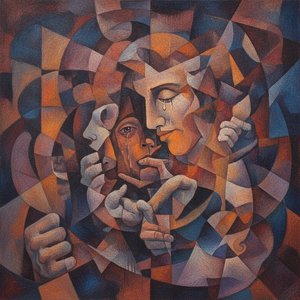
Beyond the Surface: Exploring the Emotional Depth of Cubist Expressionism
Discover the profound emotional resonance within Cubist Expressionism. Explore how fragmented forms and geometric abstraction convey deep human feeling through an expert art-historical lens for the discerning collector.