

На зображенні: · Разом із рамою:
 Переглянути в інтер'єрі

 Надіслати як листівку
 Поділитися
 Деталі витвору
 Інформаційна картка


 Завантажити
 Схожі екземпляри
 Рентгенівське дослідження
 Слайд-шоу
 Питання та відповіді

 Статистика
Found (Макс Клінгер)


Полотна та художні принти від ₴2221 за розміром 36 x 28 cm
Копія олією ручної роботи від ₴11105
- Безкоштовна доставка по всьому світу протягом 3–4 тижнів
- Доставка принтів у тубусі — від 3 до 4 тижнів
- 100 днів на повернення та гарантоване повернення коштів
- Рейтинг 4.9/5 на основі 241 відгуків клієнтів на ArtShopReviews.com
₴ 3445
Гікле / Художній принт
Музейна якість друку (ji-clée) або полотно з швидким виготовленням та різноманітними варіантами фінішної обробки. ( Олійний імпресіонізм Купити цифрову копію
)
Техніка виконання
 Читати далі
Наш бюджетний варіант друку: те саме зображення, надруковане на поліестеровому полотні щільністю 260 г/м² замість бавовняного, що доставляється у рулоні в тубусі звичайною поштою протягом 3–4 тижнів. Тільки в рулоні (без підрамника та рами) та без термінового виготовлення, для розмірів, де хоча б одна сторона становить 80 см або менше. Приблизно на 30% дешевше, ніж друк на бавовняному полотні.
Недоступно для цього розміру: принаймні одна сторона має бути не більше ніж 80 см.
Тільки в рулоні: щоб обрати цей принт, виберіть варіант полотна в рулоні.
Доступно для розмірів, де обидві сторони не перевищують 110 см. Для більших розмірів друк виконується на матовому бавовняному полотні.
Матове архівне полотно недоступне для цього розміру: обидві сторони мають бути не більше 110 см. Замість цього ваш принт буде надруковано на матовому бавовняному полотні.
Скляний варіант доступний лише для розмірів до 110 см
Розмір
·Обирайте з наших стандартних розмірів, що відповідають оригінальним пропорціям твору мистецтва.
Завантаження розмірів...

ширина
висота
Введіть необхідну ширину та висоту, щоб принт ідеально підійшов до вашої рами або стіни. Принт можна лише обрізати, але не можна зробити більшим за оригінал, тому при зміні пропорцій частина зображення буде втрачена. Перед друком ми надсилаємо вам цифровий макет для затвердження. Зображення на цій сторінці не відображає реальну обрізку — її можна побачити лише на макеті.
Стандартний розмір
індивідуальний розмір
СМ
ДЮЖІ
Завершити
·
Білий край ₴1

Розмитий край ₴1

З розширенням ₴1

P118B ₴10

P118H ₴10

P118W ₴10

P438Z ₴10

P508JH ₴12

P508YH ₴12

P805H ₴10

P805Z ₴10

P919BZ ₴10

P919G ₴10

P919XJ ₴10

P959ZH ₴10

P968JZ ₴12

W106C ₴8

W218G ₴10

W218JH ₴8

W218Y ₴10

W307PJ ₴10

W316G ₴10

W316PJ ₴8

W316Y ₴10

W398PJ ₴8

W4111J ₴10

W500HY ₴15

W500JH ₴15

W692G ₴12

W849H ₴8

W940BG ₴15

W953PJ ₴8
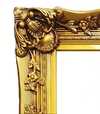
H24-GOLD ₴30
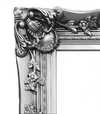
H24-SILVER ₴30
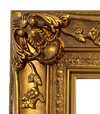
H36-GOLD ₴70
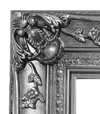
H36-SILVER ₴70
Доставляється в захисному тубусі, готовий для оформлення у вашій багетній майстерні.
Додаткові послуги
необов'язковоЩо саме входять до додатків?
Доставка по всьому світу () за 2 тижні замість стандартних 4/5 тижнів. (23 Грудень)
Для економного друку на поліполотні, що відправляється звичайною поштою, послуги термінового виготовлення та експрес-доставки недоступні.
Захисний лак
Етикетка експоната
Деталі гравірування на бронзовій табличці
Ця елегантна табличка з вигравіюваним ім'ям художника та назвою витвору забезпечує вишуканий та позачасовий вигляд.
Виготовлена з бронзи з вишуканим та елегантним покриттям. Текст точно вигравіюваний лазером для чіткого та довговічного результату. Планшетка розміром 9x2 см є компактною, але легко читається. Вона міцна та стійка до подряпин, що забезпечує професійний вигляд музейного рівня. Монтаж є простим завдяки наклеюванню на комплектну клейку основу.
Деталі прозорої акрилової таблички
На табличці гравіюються основні дані: ім'я художника, назва витвору, дата створення, тип матеріалу (наприклад, олія на полотні або акварель), короткий опис роботи та QR-код, що веде на сторінку з повною інформацією про витвір.
Виготовлена з прозорого акрилу, вона має витончений сучасний вигляд. Текст нанесено методом УФ-гравіювання чорним кольором для забезпечення високого візуального контрасту. Розмір 10x15 см забезпечує оптимальну читабельність. Планшетка оснащена двома металевими гачками для надійного монтажу на стіну. Вона є стійкою до впливу погодних умов, що робить її придатною для різних середовищ, а також містить інтерактивні функції, які легко активуються за допомогою сканування смартфоном.
Деталі чорної акрилової таблички
Ця елегантна табличка містить гравіювану інформацію: ім'я художника, назву витвору, дату створення, тип матеріалів (наприклад, олія на полотні або акварель), короткий опис роботи та QR-код для швидкого доступу до додаткової інформації.
Сама табличка виготовлена з високоякісного чорного акрилу з преміальною обробкою поверхні. Текст вигравіюваний лазером білим кольором для високої контрастності та чіткості читання. Розмір становить 10x15 см, що забезпечує легкість сприйняття. У комплект входять два металеві гачки для професійного монтажу. Лаконічний дизайн підходить до будь-якого стилю інтер'єру. Табличка також є стійкою до впливу погодних умов та довговічною, а вбудована цифрова інтеграція забезпечує сумісність із мобільними пристроями.
Скляний варіант доступний лише для розмірів до 110 см
 Скляний варіант доступний лише для розмірів до 110 см
- Безкоштовна доставка по всьому світу протягом 3–4 тижнів
- Високоякісне лляне полотно
- Повне страхове покриття доставки
- Гарантія повернення митних зборів
- Гарантія точного відтворення кольорів
- 100 днів на повернення та гарантоване повернення коштів
- Гарантія повернення 100% коштів
- Пропозиція на оптові замовлення


Found: Макс Клінгер та епоха Symbolism
Two figures kneel in despair beneath a suspended form in this dramatic monochromatic etching filled with dense, swirling cross-hatching.
Макс Клінгер: біографія
Його «Парафраз на знахідку рукавички» надихнуто сном: дослідіть, як рукавичка постає на кожній гравюрі.
Про витвір мистецтва
The Artwork Found by Max Klinger
In the quiet tension of Found, the viewer encounters a scene of profound emotional distress. Max Klinger, born in 1857 in Leipzig, Germany, presents a vision that feels caught in a moment of sudden, sharp anguish. The composition draws the eye upward through a pyramidal arrangement, where two figures kneel in supplication at the base. Above them, a third figure remains suspended on a rigid rectangular plane, creating a sense of unsettling verticality. The atmosphere is heavy with a feeling of helplessness, as if the figures are trapped within a swirling chaos of lines that refuse to settle.
The imagery suggests a narrative of torment or judgment, though the exact nature of the suffering remains a mystery. Shadows and highlights dance across the forms, emphasizing the intensity of the facial expressions and the physical strain of the subjects. There is a palpable sense of unease in the way the figures interact with the space around them. The scene does not offer the comfort of a clear light source, leaving the viewer to navigate the deep shadows and the turbulent, textured background that seems to pulse with internal turmoil.
Composition and Visual Elements
A heavy, pyramidal structure dictates the movement of the scene, pulling the eye upward through a tense arrangement of forms. At the base, two figures kneel in a state of supplication, their bodies anchoring the bottom of the triangle. Above them, a third figure remains suspended on a rigid, rectangular plane, creating a jarring contrast between the organic curves of the human forms and the unyielding geometry of the platform. This vertical tension holds the viewer in a state of suspended animation, caught between the grounded suffering below and the hovering presence above.
The background refuses to remain still. Dense, swirling lines churn through the space, suggesting a world in a state of constant, chaotic turmoil. These lines wrap around the figures, blurring the distinction between the subjects and the atmosphere surrounding them. Light and shadow dance unevenly across the scene, with deep, heavy blacks clashing against pale highlights to emphasize the emotional weight of the figures. The perspective feels strangely flattened, yet the layering of these dark, textured shapes creates a sense of depth that pulls the viewer into the center of the struggle.
Technique and Artistic Materials
The scene emerges from a monochromatic world, where every shadow and highlight relies on a careful dance of gray tones. This is the result of a meticulous printmaking process, likely an etching or an engraving. One can almost feel the physical resistance of the metal plate as the artist uses sharp etching needles to incise deep, deliberate lines into the surface. These marks do not merely outline forms; they build a dense, textured landscape through heavy cross-hatching that catches the light and holds the darkness in place.
The materials used in this creation speak to a tactile, hands-on labor. A metal plate, perhaps zinc or copper, receives the initial wounding of the needle, creating the channels that will eventually hold the ink. Once the incised lines are ready, ink is pressed into these grooves, transferring the soul of the plate onto paper. This method allows for a staggering level of detail, where the swirling, chaotic lines of the background and the sharp, angular contours of the figures emerge from the interplay of ink and fiber.
Style and Artistic Movement
The work breathes with the heavy, restless energy of late 19th-century Expressionism. Every line seems to vibrate with an internal tension, pushing beyond mere representation to capture a raw, psychological state. This approach finds a striking kinship with the visual language of Edvard Munch, where the external world bends and twists to mirror the turbulence of the human spirit. The figures do not simply exist in space; they appear caught in a moment of profound emotional upheaval, their forms shaped by the weight of what they feel rather than the strict rules of anatomy.
At its core, the piece is deeply rooted in the Symbolist movement. It moves away from the literalism of the natural world to explore the shadowy, subjective realms of the subconscious. Rather than depicting a clear, objective reality, the imagery functions through a language of signs and metaphors that point toward deeper, unseen truths. The atmosphere is thick with the sense of a dream or a nightmare, where the boundaries between the physical self and the internal psyche begin to dissolve into a swirl of dark, textured lines.
Emotional and Symbolic Themes
Anguish and fear pulse through the scene, casting a heavy shadow over the figures. A profound sense of desperation grips the viewer as the subject matter unfolds, depicting a moment of intense emotional distress and torment. The two kneeling figures at the base of the composition seem trapped in a state of supplication, their bodies conveying a deep-seated helplessness. Above them, a third figure remains suspended on a rigid rectangular plane, watching the suffering below. This triangular arrangement creates a palpable tension, suggesting a heavy power dynamic or the weight of an inevitable judgment.
Chaos swirls in the background, where dense, agitated lines churn like a storm. These movements suggest a state of inner turmoil or perhaps the presence of overwhelming external forces acting upon the souls depicted. The darkness and light do not merely define form; they heighten the psychological weight of the moment. Every line contributes to an atmosphere of unease, as if the very air around the figures is thick with their collective despair. The struggle feels immediate, caught in a perpetual state of spiritual or emotional crisis.
Related Works by Max Klinger
The shadows of the artist's imagination stretch into other graphic cycles, where the boundaries between reality and the subconscious continue to blur. In the series Paraphrase on the Finding of a Glove, a single lost object transforms into a potent fetish, triggering a sequence of dreamlike visions and unsettling encounters. This narrative exploration of desire and loss finds a musical counterpart in the Brahms Fantasies from 1894, where the artist translates the spirit of composition into visual form. These works reveal a mind preoccupied with the hidden currents of human longing and the irrational forces that govern our inner lives.
Other explorations move through the realms of myth and movement. The artist's hand traces the tension found in The Rape of Prometheus and the rhythmic energy of Preparation for the dance. Each piece acts as a window into a world where the physical and the psychological are inseparable. Whether through the meticulous lines of an etching or the heavy presence of a sculpture, the artist's vision remains fixed on the tension between the seen world and the unseen impulses that drive it.
Питання та відповіді
Ця репродукція Found написана вручну чи надрукована?
Друк: Found відтворюється як джикле-принт на бавовняному полотні або на архівному папері Epson.
Який розмір мені обрати для Found?
Розміри варіюються від 36.3 x 27.5 cm (₴2221) до 248.4 x 188.4 cm (₴20125); у таблиці на цій сторінці наведено доступні варіанти та їхню вартість.
Скільки триває доставка?
Принт у тубусі доставляється безкоштовно звичайною поштою протягом 3–4 тижнів; доставка натягнутого на підрамник або в раму принта займає 4–5 тижнів. Експрес-доставка кур'єром доступна лише за умови оплати опції «Експрес-доставка», що пропонується на цій сторінці. Ви можете повернути товар протягом 100 днів і отримати повне відшкодування без жодних додаткових умов.
Яку техніку використав(ла) Макс Клінгер для створення Found?
Etching
Короткі факти та вікторина про мистецтво
Про Макс Клінгер

Макс Клінгер
1857 - 1920, Німеччина
Про Макс Клінгер: життя, творчість та біографія
Короткі факти про Макс Клінгер
- Artistic Movement Or Style: Символізм
- Artists Or Movements Influenced By This Artist:
- Експресіонізм
- Сюрреалізм
- Artists Who Influenced This Artist:
- Мендельсон
- Гога
- Date Of Birth: 1857
- Date Of Death: 1920
- Full Name: Max Klinger
- Nationality: Німецький
- Notable Artworks:
- Знахідка рукавичок
- Бетховен
- Весна
- Place Of Birth: Лейпциг, Німеччина
Досліджуйте твори мистецтва, впорядковані за темами, стилями та характеристиками.


Макс Клінгер
Found
() ·
Разом із рамою: ·
Разом