


 Переглянути в інтер'єрі
 Надіслати
 Поділитися
 Деталі
 Посібник

 Завантажити
 Схожі предмети колекціонування
 Рентгенівське дослідження
 Слайд-шоу
 Статистика переглядів
Coco


Discover Renoir's charming 'Coco,' a captivating 1904 Impressionist portrait of childhood innocence and playful curiosity. Explore the beauty & emotion!
 Читати далі
П'єр-Огюст Ренуар – видатний французький імпресіоніст, відомий яскравими картинами, що закарбовують красу життя та людську радість. Його твори – символ світла та емоцій!
Олійная репродукція ручної роботи
Написана вручну олією на полотні у вашому розмірі та рамі, виготовлена на замовлення нашими художниками. ( Перейти до друку Перейти до цифрових зображень)




P118B ₴10

P118H ₴10

P118W ₴10

P438Z ₴10

P508JH ₴12

P508YH ₴12

P805H ₴10

P805Z ₴10

P919BZ ₴10

P919G ₴10

P919XJ ₴10

P959ZH ₴10

P968JZ ₴12

W106C ₴8

W218G ₴10

W218JH ₴8

W218Y ₴10

W307PJ ₴10

W316G ₴10

W316PJ ₴8

W316Y ₴10

W398PJ ₴8

W4111J ₴10

W500HY ₴15

W500JH ₴15

W692G ₴12

W849H ₴8

W940BG ₴15

W953PJ ₴8




Стандартний розмір
на замовлення
CM
INCH
Обирайте з наших стандартних розмірів, що відповідають оригінальним пропорціям твору мистецтва.
Loading sizes...

ширина
висота
Введіть необхідну ширину та висоту, щоб картина підійшла до вашої рами або стіни. Оскільки це ручний розпис, для розміру іншої форми художник може написати трохи більше навколо картини або трохи обрізати її — вибір за вами. Перед початком роботи ми надішлемо вам цифровий макет для затвердження. Зображення, показане на цій сторінці, не є реальним результатом — лише макет відображає майбутній вигляд.
Приклади можливих змін: замінити обличчя на фото клієнта; додати домашню тварину (наприклад, замінити кота на собаку); додати приховане повідомлення на фоні; змінити ландшафт або елементи фону.
Після оформлення замовлення команда TopImpressionists.com зв'яжеться з клієнтом електронною поштою для отримання інструкцій та надасть попередній макет
Після оформлення замовлення команда TopImpressionists.com зв'яжеться з клієнтом електронною поштою для отримання інструкцій та надасть попередній макет
Доставка по всьому світу () за 3–4 тижні замість стандартних 5 тижнів. (23 Жовтень). Без жодних компромісів у якості.

Безкоштовна експрес-доставка по всьому світу

Високоякісне лляне полотно

Повне страхове покриття доставки

Гарантія повернення митних зборів

Гарантія точного відтворення кольорів

Політика повернення протягом 100 днів (лише у разі виявлення дефектів)

Гарантія повернення 100% коштів

Знижка на оптові замовлення
 Скляний варіант доступний лише для розмірів до 110 см

Coco
Техніка репродукції
Розмір репродукції
-


Загальна вартість
₴ 12093
A Glimpse into Childhood’s Realm: Renoir's “Coco”
Pierre-Auguste Renoir’s “Coco,” painted in 1904, is more than just a portrait of a young boy; it’s a tender exploration of childhood innocence and the quiet moments that define early life. The painting depicts Claude Renoir – affectionately nicknamed “Coco” – lost in his own world, hands clasped before him as if contemplating a hidden treasure or engaging in a silent game. This intimate scene, rendered with Renoir's signature Impressionistic touch, invites viewers into a space of gentle contemplation and nostalgic warmth. The soft lighting and muted color palette contribute to an atmosphere of peaceful domesticity, characteristic of Renoir’s later works where he increasingly focused on portraying the joys of family life.
Impressionism’s Enduring Legacy
By 1904, Renoir had already established himself as a pivotal figure in the Impressionist movement. However, “Coco” reflects a shift in his artistic approach, moving away from the plein air landscapes and bustling scenes of Parisian life that defined his earlier career. While still employing the broken brushstrokes and emphasis on light central to Impressionism, he began to prioritize form and structure, seeking a more classical balance within his compositions. This is evident in the careful rendering of Coco’s features and the subtle modeling of his clothing. The painting isn't about capturing a fleeting moment outdoors; it’s about preserving an internal state – the focused curiosity of a child. The bow adorning Coco’s head, and the presence of a book nearby, hint at a life being shaped by learning and gentle guidance.
A Personal Portrait: Fatherhood and Artistic Expression
The story behind “Coco” adds another layer of emotional resonance to the artwork. Claude Renoir was the artist's youngest son, born when Renoir was in his sixties. Following the death of his wife Aline in 1915, Renoir found solace and renewed purpose in his relationship with Coco, who became a frequent subject for his paintings. This deeply personal connection is palpable in the tenderness with which Coco is portrayed. The painting isn’t simply an artistic exercise; it's a loving tribute to fatherhood and a poignant expression of familial affection. It speaks to Renoir’s desire to capture not just physical likeness, but also the essence of his son’s personality – his quiet thoughtfulness and inherent sweetness.
Symbolism and Emotional Impact
The symbolism within “Coco” is subtle yet profound. The downward gaze suggests introspection and a world unfolding within the child's imagination. The soft light enveloping Coco symbolizes protection and nurturing, while the muted colors evoke a sense of tranquility and peace. Renoir masterfully uses these elements to create an emotional connection with the viewer, inviting us to reflect on our own childhood memories and the universal experience of innocence. “Coco” is not merely a beautiful painting; it’s a powerful reminder of the fleeting nature of youth and the enduring importance of family bonds. It's a work that resonates deeply because it taps into something fundamentally human – the longing for simpler times and the joy found in observing the wonder of childhood.
Запитання та відповіді
Яку атмосферу принесе в кімнату репродукція «Coco» П'єр-Огюст Ренуар?
Завдяки своїй Спокій та гармонія атмосфері, робота "Coco" чудово підійде для Вітальня.
Яка техніка та стиль характеризують «Coco» П'єр-Огюст Ренуар?
У творі "Coco" техніка Акрил на полотні поєднується з напрямом Impressionistic Movement.
Чи можна вільно відтворювати зображення «Coco» П'єр-Огюст Ренуар?
Статус авторського права для «Coco» П'єр-Огюст Ренуар: цей твір є є суспільним надбанням — термін дії авторського права закінчився. Це визначає, чи можна вільно створювати репродукції зображення.


Біографія митця
Життя, осяяне світлом: Світ П’єра-Огюста Ренуара
П’єр-Огюст Ренуар народився у провінційному французькому місті Ліможі в 1841 році. Його шлях від скромного художника по фарфору до визнаного майстра імпресіонізму – це свідчення його непохитної відданості та художнього бачення. Раннє життя було позначене переїздом до Парижа з родиною в пошуках економічних можливостей, досвід, який глибоко вплинув на його художню чутливість. Жваве місто з яскравим вуличним життям і різноманітними персонажами стало джерелом натхнення для багатьох його пізніх робіт. Спочатку Ренуар був учнем художника по фарфору – практична необхідність, зумовлена фінансовими обмеженнями. Молодий Ренуар знаходив розраду у частих відвідуваннях Лувру, де ретельно вивчав творчість старих майстрів, засвоюючи їхні техніки та розвиваючи вдячність за красу, яка стала візитною карткою його стилю. Цей ранній досвід запалив у ньому пристрасть, що перевершувала просте ремесло; це був поклик зафіксувати ефемерну якість світла та життя на полотні. Пізніше він вступив до студії Шарля Глейра, де зав’язав міцні дружні стосунки з колегами-художниками Клодом Моне, Альфредом Сіслеєм і Фредеріком Базілем – важливий момент, який заклав основу імпресіоністського руху.Від реалізму до сяючого враження
Художній розвиток Ренуара був захопливою еволюцією, на яку вплинули різноманітні майстри. Спочатку він тяжіло до реалізму Гюстава Курбе та Едуара Мане, захоплюючись їхньою відданістю зображенню сучасного життя з чесністю та безпосередністю. Однак саме світлі палітри та чуттєві форми Пітера Пауля Рубенса і Жана-Антуана Ватто справді полонили його, прищепивши в його роботах глибоке захоплення красою та схильність до зображення сцен радості та дозвілля. Ці ранні впливи об’єдналися, коли Ренуар почав формувати свій унікальний стиль, що характеризується яскравими кольорами, розбитими мазками та акцентом на фіксації швидкоплинних ефектів світла. Його участь у першій імпресіоністській виставці в 1874 році став переломним моментом, хоча спочатку він зустрів критику з боку традиційних мистецьких кіл. Цей сміливий крок сигналізував про відмову від академічних конвенцій і прийняття нового художнього бачення – такого, що прагнуло зафіксувати не тільки те, що бачить око, але й те, як *відчувається* певний момент у часі. Картини, такі як Танці в Мулен де ла Галетт (1876), є прикладом цього підходу, занурюючи глядачів в атмосферу паризького нічного життя з його розсіяним сонячним світлом і радісними фігурами.Захоплення швидкоплинних моментів життя: Ключові роботи та теми
Творчість Ренуара – це святкування простих радощів життя – затишних зібрань, освітлених сонцем пейзажів і сяючої краси людського тіла. Обід човнярів (1880-81) є, можливо, однією з його найзнаковіших робіт, що зображує товариську групу, яка насолоджується неквапливим післяобідом на Сені. Картина – майстер-клас із фіксації світла та руху, де фігури купаються в теплому сонячному світлі, а відблиски мерехтять у воді. Після ванни (1885-87) демонструє виняткову майстерність Ренуара у зображенні жіночої натури, підкреслюючи ніжні тони шкіри та граційні пози. Його картини – це не просто відтворення реальності; вони пронизані відчуттям тепла, інтимності та радості, які глибоко резонують з глядачами. Він не цікавився великими історичними наративами чи драматичною алегорією; натомість він зосередився на фіксації краси, притаманної повсякденному життю, піднесенні звичайних моментів до рівня мистецтва. Танці в Бужівалі, ще одна відома робота, демонструє його здатність зафіксувати швидкоплинні враження та атмосферні ефекти, створюючи відчуття руху і спонтанності.Зміна у бік форми та структури: пізні роки та спадщина
У 1890-х роках стиль Ренуара зазнав значної трансформації. Хоча він ніколи повністю не відмовлявся від своїх імпресіоністських коренів, він почав рухатися до більш скульптурного і класичного підходу, натхненного його подорожами до Італії та відновленим інтересом до форми та структури. Цей зсув був частково спричинений фізичними обмеженнями – артрит поступово обмежував його рухливість, змушуючи адаптувати свою техніку. Незважаючи на ці труднощі, Ренуар продовжував малювати з непохитною відданістю, створюючи роботи, що характеризуються більш повними фігурами та теплішою палітрою. Його пізні картини часто відображають більш споглядальний настрій, але вони зберігають ту ж основну святкування краси, яка визначала його ранню роботу. Крім художніх досягнень, спадщина Ренуара поширюється через його сім’ю; його син Жан Ренуар став відомим кінорежисером, передаючи творчий дух з покоління в покоління. П’єр-Огюст Ренуар помер у 1919 році, залишивши після себе незмінний корпус робіт, який продовжує надихати та радувати глядачів у всьому світі. Він залишається одним із найулюбленіших діячів в історії мистецтва, шанованим за його здатність зафіксувати радість життя і красу людського досвіду з неперевершеною чутливістю та грацією.Неминучий вплив
- Вплив Ренуара на наступні покоління художників незаперечний. Його акцент на світлі, кольорі та фіксації швидкоплинних моментів проклав шлях для багатьох сучасних мистецьких рухів.
- Його святкування краси і чуттєвості продовжує резонувати з аудиторією сьогодні, роблячи його роботу універсально привабливою.
- Він відіграв важливу роль у встановленні імпресіонізму як основної сили в історії мистецтва, кидаючи виклик традиційним конвенціям і відкриваючи нові можливості для художнього самовираження.
- Неминуча популярність його картин – відтворених на незліченних плакатах, календарях та інших товарах – свідчить про позачасовість його роботи.

П'єр-Огюст Ренуар
1841 - 1919 , Франція
Довідкова інформація
- Відомі Роботи:
- Танець у Мулен де ла Ґалетт
- Обід на човні
- Після купання
- Дата Народження: 25 лютого 1841 року
- Дата Смерті: 3 грудня 1919 року
- Місце Народження: Лімож, Франція
- Національність: Француз
- Повне Ім'Я: П’єр-Огюст Ренуар
- Художники, Що Вплинули:
- Рубенс
- Ватто
- Курбе
- Мане
- Художники/Рухи Під Впливом: ['Імпресіонізм']
- Художній Рух/Стиль: Імпресіонізм
Схожі статті

Топ-25 шедеврів П’єра-Огюста Ренуара: мистецтво, краса та декор для вашого дому
Відкрийте для себе 25 найкращих шедеврів П’єра-Огюста Ренуара! Імпресіонізм, балерини, портрети – історія мистецтва та натхнення для вашого дому. Репродукції картин високої якості на TopImpressionists.com.
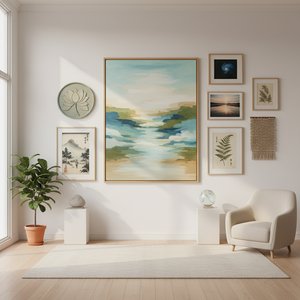
Топ-10 творів мистецтва для спокою та гармонії в домі | TopImpressionists.com
Відкрийте 10 шедеврів мистецтва, що дарують спокій та гармонію! Ван Гог, Моне, японські гравюри – історії художників та секрети кольорів. Купуйте репродукції картин онлайн на TopImpressionists.com для створення затишного інтер'єру.

Топ-10 шедеврів імпресіонізму: картини, що змінили світ мистецтва | TopImpressionists
Відкрийте для себе 10 шедеврів імпресіонізму від Моне, Ренуара та Дега! Дізнайтесь історію створення культових картин, техніки та вплив на мистецтво. Репродукції високої якості для вашого дому – TopImpressionists.

Топ-10 шедеврів імпресіонізму: мистецтво миттєвості для вашого дому
Пориньте у світ імпресіонізму! Відкрийте 10 культових картин Моне, Ренуара та Дега. Історія мистецтва, кольори та техніка – все для натхнення вашого дому. Репродукції музейної якості на TopImpressionists.com.

Топ-10 шедеврів імпресіонізму: картини, що змінили світ мистецтва | TopImpressionists
Відкрийте для себе 10 шедеврів імпресіонізму від Моне, Дега та Ренуара! Дізнайтесь історії створення культових картин, техніки та вплив на мистецтво. Репродукції високої якості для вашого дому – TopImpressionists.
Досліджуйте твори мистецтва, впорядковані за темами, стилями та характеристиками.


