

 Переглянути в інтер'єрі
 Надіслати як листівку
 Поділитися
 Деталі витвору
 Посібник

 Завантажити
 Схожі екземпляри
 Рентгенівське дослідження
 Слайд-шоу
 Питання та відповіді
 Статистика
Landscape at Essoyes


Renoir’s serene ‘Landscape at Essoyes’ captures a peaceful village scene in the Impressionist style, showcasing a charming red-roofed house and lush greenery – perfect for art lovers to discover or own this timeless masterpiece.
 Розгорнути текст
П'єр-Огюст Ренуар – видатний французький імпресіоніст, відомий яскравими картинами, що закарбовують красу життя та людську радість. Його твори – символ світла та емоцій!
Гікле / Художній принт
Друк جيкле або на полотні музейної якості з оперативним виготовленням та різноманітними варіантами фінішної обробки. ( Замовити картину ручної роботи Перейти до цифрових зображень)




P118B ₴10

P118H ₴10

P118W ₴10

P438Z ₴10

P508JH ₴12

P508YH ₴12

P805H ₴10

P805Z ₴10

P919BZ ₴10

P919G ₴10

P919XJ ₴10

P959ZH ₴10

P968JZ ₴12

W106C ₴8

W218G ₴10

W218JH ₴8

W218Y ₴10

W307PJ ₴10

W316G ₴10

W316PJ ₴8

W316Y ₴10

W398PJ ₴8

W4111J ₴10

W500HY ₴15

W500JH ₴15

W692G ₴12

W849H ₴8

W940BG ₴15

W953PJ ₴8




Стандартний розмір
індивідуальний розмір
CM
INCH
Обирайте з наших стандартних розмірів, що відповідають оригінальним пропорціям твору мистецтва.
Loading sizes...

ширина
висота
Введіть необхідну ширину та висоту, щоб принт ідеально підійшов до вашої рами або стіни. Принт можна лише обрізати, але не можна зробити більшим за оригінал, тому при зміні пропорцій частина зображення буде втрачена. Перед друком ми надсилаємо вам цифровий макет для затвердження. Зображення на цій сторінці не відображає реальну обрізку — її можна побачити лише на макеті.
Доставка по всьому світу () за 2 тижні замість стандартних 4/5 тижнів. (5 Листопад)

Безкоштовна експрес-доставка по всьому світу

Високоякісне лляне полотно

Повне страхове покриття доставки

Гарантія повернення митних зборів

Гарантія точного відтворення кольорів

Політика повернення протягом 100 днів (лише у разі виявлення дефектів)

Гарантія повернення 100% коштів

Пропозиція на оптові замовлення
 Скляний варіант доступний лише для розмірів до 110 см

Landscape at Essoyes
Гікле / Художній принт
Розмір репродукції
-


Підсумкова вартість
₴ 3144
A Moment of Tranquility in Essoyes – Renoir’s Pastoral Vision
Pierre-Auguste Renoir's Landscape at Essoyes offers a captivating glimpse into the heart of rural France, circa 1880s. This idyllic scene, rendered with the master Impressionist’s signature light and color, depicts a small village nestled amongst rolling hills and verdant trees – a world far removed from the bustling Parisian studios that defined much of his career. The painting's subject matter reflects Renoir’s lifelong fascination with capturing fleeting moments of beauty and human connection, a theme deeply rooted in his personal experiences and artistic sensibilities. Essoyes itself, a charming town in the Meuse Valley, provided Renoir with an ideal setting to explore the effects of light and atmosphere, elements he would later masterfully employ across his oeuvre.
- Subject Matter: A quintessential landscape featuring a quaint village, characteristic buildings, and abundant natural elements.
- Composition: The arrangement subtly guides the viewer’s eye through the scene, drawing attention to the central red-roofed house and the figures engaged in quiet activity.
Impressionistic Technique – Light, Color, and Atmosphere
Renoir's technique in Landscape at Essoyes is a quintessential example of Impressionism. He eschews precise detail in favor of capturing the *impression* of light and color, utilizing broken brushstrokes to create a shimmering effect. The palette is dominated by soft greens, blues, and pinks, skillfully blended to evoke the warmth of sunlight filtering through the trees. Notice how he doesn't meticulously render each leaf or building; instead, he uses dabs and strokes of paint to suggest form and texture, prioritizing the overall atmospheric quality of the scene. This approach was revolutionary at the time, challenging the academic tradition of detailed realism and paving the way for modern art.
Historical Context – The Rise of Impressionism
Painted during a period of significant artistic innovation, Landscape at Essoyes reflects the burgeoning Impressionist movement in France. Following the establishment of the Salon des Refusés in 1863, which showcased works rejected by the official Salon, artists began to challenge traditional academic conventions. Renoir, along with Monet and others, embraced plein air painting – working outdoors directly from nature – and experimented with new techniques for capturing light and color. This shift was fueled by scientific advancements, particularly in optics, which revealed the way our eyes perceive color and light. The painting embodies this spirit of experimentation and a desire to represent the world as it is truly seen, rather than as it is imagined.
Symbolism and Emotional Impact – A Sense of Peace
Beyond its technical brilliance, Landscape at Essoyes possesses a profound emotional resonance. The serene atmosphere, the quiet figures, and the harmonious composition evoke a sense of peace and tranquility. The red-roofed house, a traditional symbol of home and hearth, anchors the scene and suggests a timeless quality. Renoir’s ability to capture such a palpable feeling of serenity is testament to his artistic skill and his deep understanding of human emotion. This painting invites viewers to step into this idyllic world and experience a moment of respite from the pressures of modern life – a truly enduring legacy of one of Impressionism's greatest masters.
Питання та відповіді
Який основний відтінок пронизує «Landscape at Essoyes» роботи П'єр-Огюст Ренуар?
Переважаючий відтінок твору «Landscape at Essoyes» роботи П'єр-Огюст Ренуар — Golden Yellow Range. Цей колір є основою всієї палітри.
У якій кімнаті рекомендується розмістити «Landscape at Essoyes», враховуючи її палітру?
Враховуючи його кольорову гаму Earthy, роботу «Landscape at Essoyes» рекомендується розміщувати в Living Room.
Який колір найбільш помітний у творі "Landscape at Essoyes"?
Переважаючим кольором у творі «Landscape at Essoyes» роботи П'єр-Огюст Ренуар є Phthalo Green (#201e0d).


Біографія митця
Життя, осяяне світлом: Світ П’єра-Огюста Ренуара
П’єр-Огюст Ренуар народився у провінційному французькому місті Ліможі в 1841 році. Його шлях від скромного художника по фарфору до визнаного майстра імпресіонізму – це свідчення його непохитної відданості та художнього бачення. Раннє життя було позначене переїздом до Парижа з родиною в пошуках економічних можливостей, досвід, який глибоко вплинув на його художню чутливість. Жваве місто з яскравим вуличним життям і різноманітними персонажами стало джерелом натхнення для багатьох його пізніх робіт. Спочатку Ренуар був учнем художника по фарфору – практична необхідність, зумовлена фінансовими обмеженнями. Молодий Ренуар знаходив розраду у частих відвідуваннях Лувру, де ретельно вивчав творчість старих майстрів, засвоюючи їхні техніки та розвиваючи вдячність за красу, яка стала візитною карткою його стилю. Цей ранній досвід запалив у ньому пристрасть, що перевершувала просте ремесло; це був поклик зафіксувати ефемерну якість світла та життя на полотні. Пізніше він вступив до студії Шарля Глейра, де зав’язав міцні дружні стосунки з колегами-художниками Клодом Моне, Альфредом Сіслеєм і Фредеріком Базілем – важливий момент, який заклав основу імпресіоністського руху.Від реалізму до сяючого враження
Художній розвиток Ренуара був захопливою еволюцією, на яку вплинули різноманітні майстри. Спочатку він тяжіло до реалізму Гюстава Курбе та Едуара Мане, захоплюючись їхньою відданістю зображенню сучасного життя з чесністю та безпосередністю. Однак саме світлі палітри та чуттєві форми Пітера Пауля Рубенса і Жана-Антуана Ватто справді полонили його, прищепивши в його роботах глибоке захоплення красою та схильність до зображення сцен радості та дозвілля. Ці ранні впливи об’єдналися, коли Ренуар почав формувати свій унікальний стиль, що характеризується яскравими кольорами, розбитими мазками та акцентом на фіксації швидкоплинних ефектів світла. Його участь у першій імпресіоністській виставці в 1874 році став переломним моментом, хоча спочатку він зустрів критику з боку традиційних мистецьких кіл. Цей сміливий крок сигналізував про відмову від академічних конвенцій і прийняття нового художнього бачення – такого, що прагнуло зафіксувати не тільки те, що бачить око, але й те, як *відчувається* певний момент у часі. Картини, такі як Танці в Мулен де ла Галетт (1876), є прикладом цього підходу, занурюючи глядачів в атмосферу паризького нічного життя з його розсіяним сонячним світлом і радісними фігурами.Захоплення швидкоплинних моментів життя: Ключові роботи та теми
Творчість Ренуара – це святкування простих радощів життя – затишних зібрань, освітлених сонцем пейзажів і сяючої краси людського тіла. Обід човнярів (1880-81) є, можливо, однією з його найзнаковіших робіт, що зображує товариську групу, яка насолоджується неквапливим післяобідом на Сені. Картина – майстер-клас із фіксації світла та руху, де фігури купаються в теплому сонячному світлі, а відблиски мерехтять у воді. Після ванни (1885-87) демонструє виняткову майстерність Ренуара у зображенні жіночої натури, підкреслюючи ніжні тони шкіри та граційні пози. Його картини – це не просто відтворення реальності; вони пронизані відчуттям тепла, інтимності та радості, які глибоко резонують з глядачами. Він не цікавився великими історичними наративами чи драматичною алегорією; натомість він зосередився на фіксації краси, притаманної повсякденному життю, піднесенні звичайних моментів до рівня мистецтва. Танці в Бужівалі, ще одна відома робота, демонструє його здатність зафіксувати швидкоплинні враження та атмосферні ефекти, створюючи відчуття руху і спонтанності.Зміна у бік форми та структури: пізні роки та спадщина
У 1890-х роках стиль Ренуара зазнав значної трансформації. Хоча він ніколи повністю не відмовлявся від своїх імпресіоністських коренів, він почав рухатися до більш скульптурного і класичного підходу, натхненного його подорожами до Італії та відновленим інтересом до форми та структури. Цей зсув був частково спричинений фізичними обмеженнями – артрит поступово обмежував його рухливість, змушуючи адаптувати свою техніку. Незважаючи на ці труднощі, Ренуар продовжував малювати з непохитною відданістю, створюючи роботи, що характеризуються більш повними фігурами та теплішою палітрою. Його пізні картини часто відображають більш споглядальний настрій, але вони зберігають ту ж основну святкування краси, яка визначала його ранню роботу. Крім художніх досягнень, спадщина Ренуара поширюється через його сім’ю; його син Жан Ренуар став відомим кінорежисером, передаючи творчий дух з покоління в покоління. П’єр-Огюст Ренуар помер у 1919 році, залишивши після себе незмінний корпус робіт, який продовжує надихати та радувати глядачів у всьому світі. Він залишається одним із найулюбленіших діячів в історії мистецтва, шанованим за його здатність зафіксувати радість життя і красу людського досвіду з неперевершеною чутливістю та грацією.Неминучий вплив
- Вплив Ренуара на наступні покоління художників незаперечний. Його акцент на світлі, кольорі та фіксації швидкоплинних моментів проклав шлях для багатьох сучасних мистецьких рухів.
- Його святкування краси і чуттєвості продовжує резонувати з аудиторією сьогодні, роблячи його роботу універсально привабливою.
- Він відіграв важливу роль у встановленні імпресіонізму як основної сили в історії мистецтва, кидаючи виклик традиційним конвенціям і відкриваючи нові можливості для художнього самовираження.
- Неминуча популярність його картин – відтворених на незліченних плакатах, календарях та інших товарах – свідчить про позачасовість його роботи.

П'єр-Огюст Ренуар
1841 - 1919 , Франція
Короткі факти
- Відомі Роботи:
- Танець у Мулен де ла Ґалетт
- Обід на човні
- Після купання
- Дата Народження: 25 лютого 1841 року
- Дата Смерті: 3 грудня 1919 року
- Місце Народження: Лімож, Франція
- Національність: Француз
- Повне Ім'Я: П’єр-Огюст Ренуар
- Художники, Що Вплинули:
- Рубенс
- Ватто
- Курбе
- Мане
- Художники/Рухи Під Впливом: ['Імпресіонізм']
- Художній Рух/Стиль: Імпресіонізм
Пов'язані статті
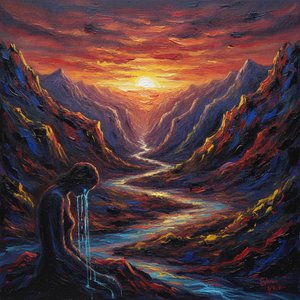
Capturing Emotion: A Journey Through the Soul of Expressionist Landscapes
Explore the profound emotional depth of Expressionist landscapes. Discover how Post-Impressionist masters moved beyond light to capture the soul through vibrant color and form. A curated journey for true art lovers seeking the beauty of expressive mastery.

The Magic of Lithography: Capturing Light and Texture in Every Impressionist Print
Discover the enchanting world of lithography through an Impressionist lens. Explore how this timeless technique captures the luminous light and delicate textures of masters like Monet and Renoir, offering a profound way to bring art history into your home with elegance and soul.

The Magic of Giclée: Bringing Impressionist Masterpieces to Your Walls with Vivid Detail
Discover the breathtaking beauty of Impressionist masterpieces with our museum-quality Giclée prints. Experience vivid detail, archival pigments, and the luminous light of Monet and Van Gogh, expertly preserved to bring timeless elegance and sophisticated artistry into your home.

Beyond the Light: Capturing Raw Emotion and Subjective Vision in Post-Impressionist Landscapes
Explore the profound emotional depth of Post-Impressionist landscapes. Discover how masters like Van Gogh moved beyond light to capture raw human feeling through vibrant color and expressive texture in this expert art history retrospective.
Досліджуйте твори мистецтва, впорядковані за темами, стилями та характеристиками.


