

 Переглянути в інтер'єрі
 Надіслати як листівку
 Поділитися
 Деталі витвору
 Посібник

 Завантажити
 Схожі екземпляри
 Рентгенівське дослідження
 Слайд-шоу
 Питання та відповіді
 Статистика
Snow in New York


Robert Henri’s "Snow in New York" (1902) captures a gritty NYC street scene with thick impasto and muted tones, reflecting the Ashcan School's realism. Explore urban life through this iconic painting.
 Розгорнути текст
Роберт Ганрі (1865-1929) – ключова постать школи «Ашкан», що відтворювала реалістичні картини з життя міста. Його творчість натхненна художниками, як Едвард Хоппер.
Гікле / Художній принт
Друк جيкле або на полотні музейної якості з оперативним виготовленням та різноманітними варіантами фінішної обробки. ( Замовити картину ручної роботи Перейти до цифрових зображень)




P118B ₴10

P118H ₴10

P118W ₴10

P438Z ₴10

P508JH ₴12

P508YH ₴12

P805H ₴10

P805Z ₴10

P919BZ ₴10

P919G ₴10

P919XJ ₴10

P959ZH ₴10

P968JZ ₴12

W106C ₴8

W218G ₴10

W218JH ₴8

W218Y ₴10

W307PJ ₴10

W316G ₴10

W316PJ ₴8

W316Y ₴10

W398PJ ₴8

W4111J ₴10

W500HY ₴15

W500JH ₴15

W692G ₴12

W849H ₴8

W940BG ₴15

W953PJ ₴8




Стандартний розмір
індивідуальний розмір
CM
INCH
Обирайте з наших стандартних розмірів, що відповідають оригінальним пропорціям твору мистецтва.
Loading sizes...

ширина
висота
Введіть необхідну ширину та висоту, щоб принт ідеально підійшов до вашої рами або стіни. Принт можна лише обрізати, але не можна зробити більшим за оригінал, тому при зміні пропорцій частина зображення буде втрачена. Перед друком ми надсилаємо вам цифровий макет для затвердження. Зображення на цій сторінці не відображає реальну обрізку — її можна побачити лише на макеті.
Доставка по всьому світу () за 2 тижні замість стандартних 4/5 тижнів. (6 Листопад)

Безкоштовна експрес-доставка по всьому світу

Високоякісне лляне полотно

Повне страхове покриття доставки

Гарантія повернення митних зборів

Гарантія точного відтворення кольорів

Політика повернення протягом 100 днів (лише у разі виявлення дефектів)

Гарантія повернення 100% коштів

Пропозиція на оптові замовлення
 Скляний варіант доступний лише для розмірів до 110 см

Snow in New York
Гікле / Художній принт
Розмір репродукції
-


Підсумкова вартість
₴ 3140
A Winter’s Gaze: Robert Henri's "Snow in New York"
Robert Henri’s “Snow in New York,” painted in 1902, isn’t merely a depiction of a snowy street; it’s a raw, almost brutal, distillation of urban life captured with an unprecedented honesty for its time. Far removed from the idealized landscapes favored by many of his contemporaries, Henri plunges headfirst into the gritty reality of New York City, presenting a scene both familiar and profoundly unsettling. The painting immediately commands attention not through picturesque beauty, but through its stark simplicity and the palpable sense of unease it evokes – a feeling that speaks volumes about the burgeoning anxieties of a rapidly changing America.
Henri’s style firmly places “Snow in New York” within the Ashcan School movement. Rejecting the academic traditions of the National Academy of Design, the Ashcan painters sought to portray everyday life—often the less glamorous aspects—with unflinching realism. This isn't a romanticized view; instead, we encounter a common side street, devoid of grand avenues or iconic landmarks. The composition is deliberately straightforward, utilizing a single-point perspective that draws the eye directly into the scene, emphasizing its immediacy and lack of embellishment. Thick impasto—a technique where paint is applied thickly to create texture—dominates the canvas, lending a tactile quality to the buildings, the snowdrifts, and even the figures traversing the street. The muted palette – browns, grays, and whites – further contributes to the painting’s somber mood, creating an atmosphere of quiet desperation.
The Painter's Perspective: Henri and the Ashcan School
Understanding Robert Henri requires acknowledging his pivotal role in shaping the Ashcan School. Born Robert Henry Cozad in Cincinnati in 1865, Henri’s early life was marked by instability following a fatal shooting involving his father. This event profoundly shaped his artistic vision, leading him to embrace a radical approach to painting—one that prioritized direct observation and honest representation over idealized beauty. Henri's time in Paris exposed him to the Impressionists, but he quickly moved beyond their focus on light and color, seeking instead to capture the essence of American life with unflinching detail. He famously declared that art should be “akin to journalism,” mirroring the straightforwardness and social commentary found in contemporary newspapers.
Henri’s studio became a hub for a group of like-minded artists—including George Luks, Everett Shinn, and William Glackens—collectively known as the "Philadelphia Four." They gathered regularly to discuss art, literature, and philosophy, fostering a spirit of experimentation and challenging established artistic conventions. This collaborative environment fueled their shared desire to depict the realities of urban America, often focusing on marginalized communities and the struggles faced by ordinary people.
Symbolism in the Streetscape
While seemingly simple, “Snow in New York” is rich with symbolic meaning. The absence of grand buildings or recognizable landmarks suggests a sense of anonymity and isolation within the vastness of the city. The figures walking along the street—carrying handbags, bundled in coats—represent the everyday lives of New Yorkers, their faces obscured by the gloom, lost in their own thoughts. The snow itself acts as a metaphor for both hardship and resilience – covering the streets but also creating a temporary sense of stillness. The presence of a wagon suggests commerce and the relentless cycle of urban activity, highlighting the constant struggle for survival.
Notably, Henri’s choice to depict a common street rather than a major avenue is significant. It reflects his deliberate rejection of romanticized views of New York and his focus on the overlooked corners of the city—the places where life unfolded with quiet intensity. The painting isn't about spectacle; it’s about capturing the essence of an ordinary day in an extraordinary place.
A Legacy of Realism
“Snow in New York” remains a powerful testament to Robert Henri’s artistic vision and his pioneering role in American art. It stands as a crucial example of the Ashcan School, demonstrating a commitment to realism, social commentary, and an honest portrayal of urban life. Reproductions of this evocative painting continue to resonate with viewers today, offering a glimpse into the heart of early 20th-century New York—a city grappling with rapid change, industrialization, and the challenges of modernity. Its enduring appeal lies in its ability to capture not just a scene, but also the complex emotions and experiences of those who lived within it.
Питання та відповіді
Яку емоцію передає «Snow in New York» роботи Роберт Генрі?
Емоційний тон, зафіксований для «Snow in New York» роботи Роберт Генрі, — Melancholic. Він узагальнює почуття, які виражає цей твір.
Яка техніка виконання у «Snow in New York» роботи Роберт Генрі?
Техніка виконання «Snow in New York» роботи Роберт Генрі — Acrylic On Canvas. Репродукції мають на меті відтворити вигляд цієї техніки.
З якої країни походить твір у стилі Ashcan School під назвою "Snow in New York"?
Твір у стилі Ashcan School «Snow in New York» був створений художником, який народився в США.


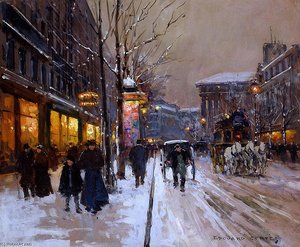


Біографія митця
A Turbulent Genesis: The Early Life of Robert Henri
Robert Henri, народжений Робертом Генрі Козадом у Сіцілі, штат Огайо, в 1865 році, з самого початку відчував себе відірваним і прагнув переродитися, що глибоко вплинуло як на його життя, так і на мистецтво. Його дитинство було далеке від ідилії; воно було затьмарене нестабільними стосунками між його батьком, Джоном Джексоном Козадом – людиною амбіційного та ризикованого характеру як граблером і роздрібником нерухомості, так і його матір’ю, Тесеєю Гейтуоод Козадом. Ця нестабільність призвела до драматичної події в 1882 році: смертельного поранення під час перестрілки через суперечку щодо землі, яка змусила сім'ю тікати, змінюючи імена, щоб уникнути покарання. Молодий Роберт став Робертом Генрі, свідомим розривом із минулим, сповненим конфліктів, та символічним переродженням як художника. Західна подорож через Небраску та Колорадо, що закінчилася поселенням у Нью-Йорку та потім в Атлантиці, навчила його співчуття до тих, хто живе на периферії суспільства – емпатія, яка стала визначальною рисою його мистецького бачення. Цей ранній досвід хаосу та переродження сприяв незалежності духу та зобов’язанню зображати життя таким, яким воно є насправді, без упереджень і очікувань суспільства.Forging a New Vision: Artistic Development and Influences
Формальна художня освіта Роберта Генрі почалася в Філадельфійській Академії Мистецтв під керівництвом Томаса Аншуца, де він відточив свої технічні навички. Однак його подальша подорож до Парижа в 1888 році запалила йому справжнє мистецьке пробудження. Спочатку приваблений академічною традицією в Академії Жуля та під впливом майстрів, таких як Вільям-Адolphe Бугеро і Франсуа Мілле, Генрі поступово звернувся до імпресіонізму. Однак він не був задоволений просто копіюванням того, що бачив; він прагнув глибшого залучення до реальності – способу передати не лише миттєві ефекти світла, але й сирі емоції та життєву силу сучасної нації. Цей пошук призвів його до прийняття більш смілої, більш прямолінійної підходу, натхненного голландським реалістом Франсом Галсом, чия вільна манера письма і психологічна глибина резонували з власними художніми почуттями Генрі. Він почав експериментувати з *походами* – невеликими дерев’яними панелями, які використовувалися для швидких ескізів, заохочуючи спонтанність та миттєвість у своїй роботі. Повернувшись до Америки, він став відданим викладачем, передаючи не лише техніку, але й філософію мистецтва, засновану на спостереженні, чесності та індивідуальному самовираженні.Championing the Real: The Ashcan School and “The Eight”
Вплив Роберта Генрі на американське мистецтво був незмірним; він став каталізатором змін, кинувши виклик консервативним нормам усталеного мистецького світу. Він був ключовою фігурою в появі школи “Ашкан” – групи художників, які сміливо зображували суворі реалії міського життя, від гамірних вулиць до переповнених гуртожитків. Відданість Генрі реалізму та його відмова від академічних упереджень призвели його до організації “Восьмери” в 1908 році – колективу однодумців, які провели незалежну виставку як пряма протест проти обмежень Національної Академії Дизайну. Цей акт непокори став поворотним моментом в історії американського мистецтва, сигналізуючи про зміну з європейського домінуючого становища на унікальне американське мистецьке голос. Картини Генрі протягом цього періоду, такі як “Woman in Manteau” (1899) і його виразні портрети, зображували гідність та стійкість звичайних людей, пропонуючи потужний контраст із ідеалізованими зображеннями, які віддавали перевагу усталеному світу.Legacy and Enduring Influence
Наслідування Роберта Генрі на наступні покоління американських художників є незмірним. Як викладача він настав на вражаючу команду талантів, включаючи Джозефа Стелли, Едварда Хоппера, Роквелла Кента, Джорджа Бєллоуза та інших – художників, які сформували хід 20-го століття. Його книга *Мистецтво Духу*, опублікована після смерті в 1923 році, залишається основоположним текстом для працьовитих художників, пропонуючи безсмертні мудрість щодо спостереження, техніки та важливості мистецької чесності. *Його зобов’язання зображати життя з чесністю і співчуттям*, його відмова від традицій, а також непохитна віра в силу мистецтва, щоб з’єднатися з аудиторією, продовжують надихати художників сьогодні. Його картини не є просто зображеннями реальності; це вікна у людську природу – свідчення краси, боротьби та стійкості людського духу. Він залишив незабутній слід в американському реалізмі, прокладаючи шлях для більш демократичного і інклюзивного мистецького світу, який святкував повсякденні досхили звичайних людей. Його спадок живе не лише через його власні майстерні роботи, але й завдяки безлічі художників, яких він надихнув шукати свої голоси та розповідати свої історії.
Роберт Генрі
1865 - 1929 , США
Короткі факти
- Artistic Movement Or Style: Ashcan School / Реалізм
- Artists Or Movements Influenced By This Artist: ['Едвард Хоппер']
- Artists Who Influenced This Artist: ['Франс Галс']
- Date Of Birth: 24 червня 1865
- Date Of Death: 12 липня 1929
- Full Name: Robert Henry Cozad / Robert Henri
- Nationality: Американський
- Notable Artworks:
- Жінка в мантії
- La Neige
- Sissy in Yellow
- Place Of Birth: Цинциннаті, США
Пов'язані статті
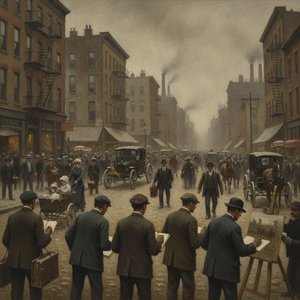
The Ashcan School: Capturing the Raw, Unfiltered Soul of Urban Life through American Realism
Discover the raw beauty of the Ashcan School. Explore how masters like Bellows and Henri captured the gritty, vibrant soul of early 20th-century New York through profound American Realism and evocative urban landscapes.

The Unvarnished Truth: A Cultural Journey Through the Soul of American Realism
Explore the profound beauty of American Realism. From the Ashcan School's urban grit to intimate portraits, discover how artists captured the authentic soul of a nation through unvarnished truth and masterful observation.
Досліджуйте твори мистецтва, впорядковані за темами, стилями та характеристиками.
