

На зображенні: · Разом із рамою:
 Переглянути в інтер'єрі
 Надіслати як листівку
 Поділитися
 Деталі витвору
 Посібник

 Завантажити
 Схожі екземпляри
 Рентгенівське дослідження
 Слайд-шоу
 Питання та відповіді
 Статистика
- 66.0 x 91.0 cm


₴ 12124
Олійная репродукція ручної роботи
Написана вручну олією на полотні у вашому розмірі та рамі, виготовлена на замовлення нашими художниками. ( Перейти до друку Перейти до цифрових зображень)
Цей твір захищено авторським правом
Мистецький твір, представлений на цій сторінці, захищений законом про авторське право, що унеможливлює легальне створення або продаж його ідентичної репродукції. Цей захист забезпечується відповідно до міжнародних угод, таких як Бернська конвенція та національним законодавством, зокрема положеннями, що викладені в Законодавство США про авторське право — Розділ 17. Всі права захищені. Будь-яке використання без дозволу заборонено.
Як шанобливу та законну альтернативу, ми пропонуємо унікальні картини ручної роботи, створені натхненням від оригіналу. Наші досвідчені професійні художники ретельно вивчають стиль, настрій та художню сутність оригіналу, щоб створити новий, неповторний твір, який викликає ті ж почуття, — залишаючись при цьому самобутнім творінням.
Цей метод повністю відповідає нормам авторського права, оскільки він не передбачає копіювання чи дублювання захищеного твору мистецтва. Натомість це творче переосмислення — створення нового малюнка під впливом оригіналу, який не є його точним відтворенням.
 Читати далі
Розмір
·Стандартний розмір
індивідуальний розмір
CM
INCH
Обирайте з наших стандартних розмірів, що відповідають оригінальним пропорціям твору мистецтва.
Завантаження розмірів...

ширина
висота
Введіть необхідну ширину та висоту, щоб картина підійшла до вашої рами або стіни. Оскільки це ручний розпис, для зміни пропорцій художник може дописати трохи більше по краях або дещо обрізати композицію — вибір за вами. Перед початком роботи ми надішлемо вам цифровий макет для затвердження. Зображення, показане на цій сторінці, не є реальним результатом — лише макет відображає майбутній вигляд.
Завершити
·
Білий край ₴1

Розмитий край ₴1

З розширенням ₴1

P118B ₴10

P118H ₴10

P118W ₴10

P438Z ₴10

P508JH ₴12

P508YH ₴12

P805H ₴10

P805Z ₴10

P919BZ ₴10

P919G ₴10

P919XJ ₴10

P959ZH ₴10

P968JZ ₴12

W106C ₴8

W218G ₴10

W218JH ₴8

W218Y ₴10

W307PJ ₴10

W316G ₴10

W316PJ ₴8

W316Y ₴10

W398PJ ₴8

W4111J ₴10

W500HY ₴15

W500JH ₴15

W692G ₴12

W849H ₴8

W940BG ₴15

W953PJ ₴8

H24-GOLD ₴30

H24-SILVER ₴30

H36-GOLD ₴45

H36-SILVER ₴45
Доставляється в захисному тубусі, готовий для оформлення у вашій багетній майстерні.
Додаткові послуги
необов'язковоЩо саме входять до додатків?
Приклади того, що можна змінити: замінити обличчя на фото клієнта; додати домашню тварину (наприклад, замінити кота на собаку); додати приховане повідомлення на фоні; змінити пейзаж або елементи фону.
Після оформлення замовлення команда TopImpressionists.com надішле клієнту електронний лист із запитом інструкцій та надасть попередній макет для перегляду
Після оформлення замовлення команда TopImpressionists.com надішле клієнту електронний лист із запитом інструкцій та надасть попередній макет для перегляду
Доставка по всьому світу () за 3–4 тижні замість стандартних 5 тижнів. (3 Листопад). Без жодних компромісів у якості.
Захисний лак
Етикетка експоната
Деталі гравірування на бронзовій табличці
This elegant plaque features the artist's name and the title of the artwork, finely engraved for a timeless presentation.
It is made from bronze with a refined, elegant finish. The text is precisely laser-engraved for a sharp and permanent result. Measuring 9x2 cm, the plaque is compact yet easy to read. It's built to be durable and scratch-resistant, offering a professional, museum-quality look. Mounting is simple thanks to the included adhesive backing.
Деталі прозорої акрилової таблички
The plaque includes essential engraved details such as the artist's name, the title of the artwork, the date it was created, the type of media used-like oil on canvas or watercolor-a brief description of the piece, and a QR code that links to the complete artwork information.
It is crafted from clear acrylic, offering a sleek, modern appearance. The text is UV-engraved in black to ensure strong visual contrast. With a size of 10x15 cm, it ensures optimal readability. It comes equipped with two metal hooks for secure wall mounting. The plaque is designed to be weather-resistant, making it suitable for various environments, and it includes interactive features that work seamlessly with smartphone scanning.
Деталі чорної акрилової таблички
This elegant plaque includes engraved information such as the artist's name, the title of the artwork, the date it was created, the type of media used (like oil on canvas or watercolor), a short description of the artwork, and a QR code for quick access to more information.
The plaque itself is made from refined black acrylic with a premium finish. The text is laser-engraved in white for high contrast and readability. Its size is 10x15 cm, designed to be easy to read. It comes with two metal hooks for professional mounting. The design is sleek and fits any interior style. It is also weather-resistant and durable, with built-in digital integration for mobile compatibility.
Скляний варіант доступний лише для розмірів до 110 см
 Скляний варіант доступний лише для розмірів до 110 см
- Безкоштовна експрес-доставка по всьому світу
- Високоякісне лляне полотно
- Повне страхове покриття доставки
- Гарантія повернення митних зборів
- Гарантія точного відтворення кольорів
- Політика повернення протягом 100 днів (лише у разі виявлення дефектів)
- Гарантія повернення 100% коштів
- Пропозиція на оптові замовлення


Опис експоната
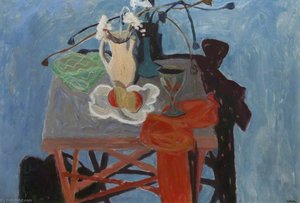
Sir William George Gillies’ "Florence" captures the vibrant Italian city with its iconic bridge and bustling scene. A stunning example of his artistic style, this painting showcases a beautiful representation of Florence's charm.
Біографія митця
Війлєм Джордж Гільєс – видатний шотландський художник, відомий своїми ліричними пейзажами та спокійними композиціями з вазою. Його творчість поєднує вплив кубізму з традиціями шотландського мистецтва, а його робота стала важливою частиною історії мистецтва.
Про картину
The Heart of Tuscany Captured: An Exploration of Gillies’ “Florence”
William George Gillies' "Florence," painted in 1924, isn’t merely a depiction of an Italian city; it’s a vibrant distillation of its spirit – a testament to the enduring beauty and bustling life of one of Europe’s most historically significant urban centers. This captivating canvas transports us directly to the heart of Tuscany, offering a glimpse into a world brimming with energy, commerce, and artistic resonance. The painting immediately draws the eye towards the graceful bridge that dominates the composition, its arched form acting as a visual anchor amidst the dynamic scene below. This isn’t a photographic representation; rather, Gillies employs a masterful blend of observation and imagination to create an atmosphere thick with movement and light.
Gillies, a key figure in the 1922 Group – a collective dedicated to promoting modern art in Scotland – was deeply influenced by both the Impressionists and the burgeoning Cubist movement. His early travels to Paris and Italy exposed him to these revolutionary styles, which he skillfully integrated into his own distinctive approach. “Florence” showcases this evolution; while retaining elements of traditional landscape painting, it’s imbued with a sense of fractured perspective and flattened planes reminiscent of Cubism, particularly in the treatment of the buildings lining the riverbank. The careful layering of color and brushstrokes creates an illusion of depth, inviting the viewer to lose themselves within the bustling cityscape.
A Symphony of Color and Light
The painting’s palette is remarkably rich and evocative. Gillies masterfully utilizes a range of warm ochres, deep blues, and vibrant reds to capture the essence of Florentine light. The sun, though not explicitly depicted, casts a golden glow across the scene, illuminating the reflections shimmering on the river's surface. Notice how he employs broken color – small dabs and strokes of contrasting hues – to suggest texture and form, particularly in the details of the buildings and boats. This technique adds a dynamic quality to the composition, preventing it from feeling static or overly formal.
- Dominant Colors: Warm ochres, deep blues, vibrant reds, and touches of green.
- Light & Shadow: Gillies expertly utilizes light and shadow to create a sense of depth and atmosphere.
- Brushwork: Loose, expressive brushstrokes contribute to the painting’s dynamic feel.
Symbolism and Historical Context
Beyond its aesthetic qualities, “Florence” is steeped in historical significance. The city itself represents a pivotal moment in Western civilization – the birthplace of the Renaissance, a period marked by an unprecedented flourishing of art, science, and culture. The bridge, a recurring motif in Gillies’ work, symbolizes connection and transition, linking the past with the present. The numerous boats navigating the river evoke the importance of trade and commerce to Florence's prosperity during this era. Furthermore, the painting subtly references the city’s architectural grandeur – the imposing buildings lining the riverbank are reminiscent of the palaces and churches that define Florence’s iconic skyline.
Painted in 1924, “Florence” reflects a period of renewed interest in classical art and culture following World War I. Gillies' work embodies a spirit of optimism and renewal, capturing the vibrant energy of a city poised to embrace the future while honoring its rich heritage. The painting’s enduring appeal lies not only in its technical brilliance but also in its ability to transport us back in time and evoke the timeless beauty of Florence.
Bringing “Florence” Home: A Reproduction for Your Space
TopImpressionists offers meticulously crafted, hand-painted reproductions of William George Gillies’ "Florence," ensuring that you can experience the full impact of this remarkable artwork within your own home. Our skilled artisans use traditional techniques and high-quality materials to faithfully recreate Gillies' unique style and color palette. Whether you are an art collector, a design enthusiast, or simply someone seeking to add a touch of timeless elegance to your space, our reproduction of “Florence” is the perfect choice. It’s more than just a print; it’s a window into the heart of Tuscany, capturing the spirit and beauty of one of the world's most beloved cities.
Питання та відповіді
Яке національне походження лежить в основі Cubist Modernism твору "Florence"?
«Florence» пов’язує мистецтво Cubist Modernism із Стіна через місце народження його творця.
Про що твір "Florence" і яку атмосферу він передає?
«Florence» роботи Вільям Георг Гільєс зображує florence, italy, cityscape, bridge, river, buildings, boats, people у Calm настрої. Поєднання сюжету та атмосфери повністю розкриває цей твір.
Чи є інформаційний лист про «Florence» роботи Вільям Георг Гільєс для студентів?
Для «Florence» роботи Вільям Георг Гільєс доступна сторінка Довідка для студентів: друкований інформаційний лист про витвір мистецтва, розроблений для студентів та використання в навчальному процесі.
Короткі факти та вікторина про мистецтво
Про Вільям Георг Гільєс

Вільям Георг Гільєс
1898 - 1973, Стіна
Біографія митця
Early Life and Education
Народився у містечку Гаддінгтон, на узбережжі Шотландського заливу, в 1898 році. Спочатку Вільям Джордж Гільіс вступив до Единбурзького коледжу мистецтв, але його навчання було перервано службою під час Першої світової війни у Королівських інженерних військах. Після закінчення війни він повернувся, щоб завершити своє виховання в Единбурзькому коледжі мистецтв, отримавши диплом і згодом ставши відданим викладачем там протягом понад 40 років.
Розвиток Мистецького Стилю та Впливи
Мистецька подорож Гільіса розпочалася з дослідження кубізму після навчання у Андре Лхоте в Парижі (1923) та подорожі до Італії (1924). Ранні роботи, такі як “Два горщика, піднос і фрукти” (1933), демонструють цей вплив, показуючи цезаннівський малюнок з невигадливою палітрою кольорів Брака та Пікассо. Важливим моментом став 1934 рік, коли він познайомився з роботами Паула Клее, надихнувши його на більш уявне використання кольору та дитячі якості в своїх композиціях. Поступово він відійшов від суворого кубізму, розвиваючи власний стиль, заснований на шотландських пейзажах і традиціях створення натюртортів.
Група “1922” та Співпраця
У 1922 році Гільіс спільно з іншими художниками, включаючи Вільяма Крозієра, Вільяма Гесслера та Вільяма МакТагарта, заснував групу “1922”. Цей виставковий товариство забезпечило платформу для демонстрації робіт молодих шотландських художників у галереї Нью в Едінбурзі протягом десятиліття. Група сприяла створенню спільноти та інновацій у шотландському мистецькому середовищі.
Теми та Предмет Мистецтва
Пейзажі: Гільіс відомий своїми зображеннями Шотландії – Лотьян, Файф і Бродер. Він захоплювався сутністю цих пейзажів з чутливим поглядом. Натюрморти: Створення натюртортів було ще одним значущим фокусом, часто включаючи кераміку, створену його молодшою сестрою, Еммою Сміт Гільіс, смерть якої у 1936 році глибоко вплинула на нього. Портрети: Хоча він експериментував з портретами на початку своєї кар’єри, пейзажі та натюрморти стали його основними темами.
Основні Досягнення та Визнання
Гільіс обіймав посаду директора Единбурзького коледжу мистецтв з 1959 року до виходу на пенсію в 1966 році. Його продуктивність і відданість навчанню мали глибокий вплив на покоління шотландських художників. Він був обраний членом Королівської академії (RA), що стало значним визнанням у світі мистецтва. У 1970 році він отримав лицарський титул.
Історичне Значення та Наслідок
Вільям Джордж Гільіс вважається одним із найважливіших шотландських художників XX століття. Його творчість з’єднує ранній модернізм із власним, унікальним шотландським мистецьким ідентитетом. Він був неперевершеним колористом, а його картини були сповнені світла та поезії. Як і інші художники Единбурзької школи та в певній мірі Кольористів, Гільіс прагнув передати реальність і форму на полотно якомога точніше, водночас передаючи певний настрій або атмосферу. Його готовність приймати та відкривати нових художників і мистецькі напрямки відіграла ключову роль у розвитку його власного стилю. Він помер у 1973 році, залишивши за собою багату колекцію творів, які й досі шануються за свою красу, чутливість та витриманість.
Короткі факти про Вільям Георг Гільєс
- Artistic Movement Or Style: Кубізм, Шотландський колоризм
- Artists Or Movements Influenced By This Artist: ['Шотландські художники']
- Artists Who Influenced This Artist:
- André Lhote
- Paul Klee
- Cézanne
- Date Of Birth: 1898
- Date Of Death: 1973
- Full Name: Sir William George Gillies
- Nationality: Шотландець
- Notable Artworks:
- Young Boy with a Teapot
- Mediterranean Landscape
- Still Life – Yellow Jug
- Place Of Birth: Haddington, Великобританія
Досліджуйте твори мистецтва, впорядковані за темами, стилями та характеристиками.




Вільям Георг Гільєс
Florence
() ·
Разом із рамою: · Написано олією на льоні вручну
Разом