

 Переглянути в інтер'єрі
 Надіслати
 Поділитися
 Деталі
 Посібник

 Завантажити
 Схожі предмети колекціонування
 Рентгенівське дослідження
 Слайд-шоу
 Статистика переглядів
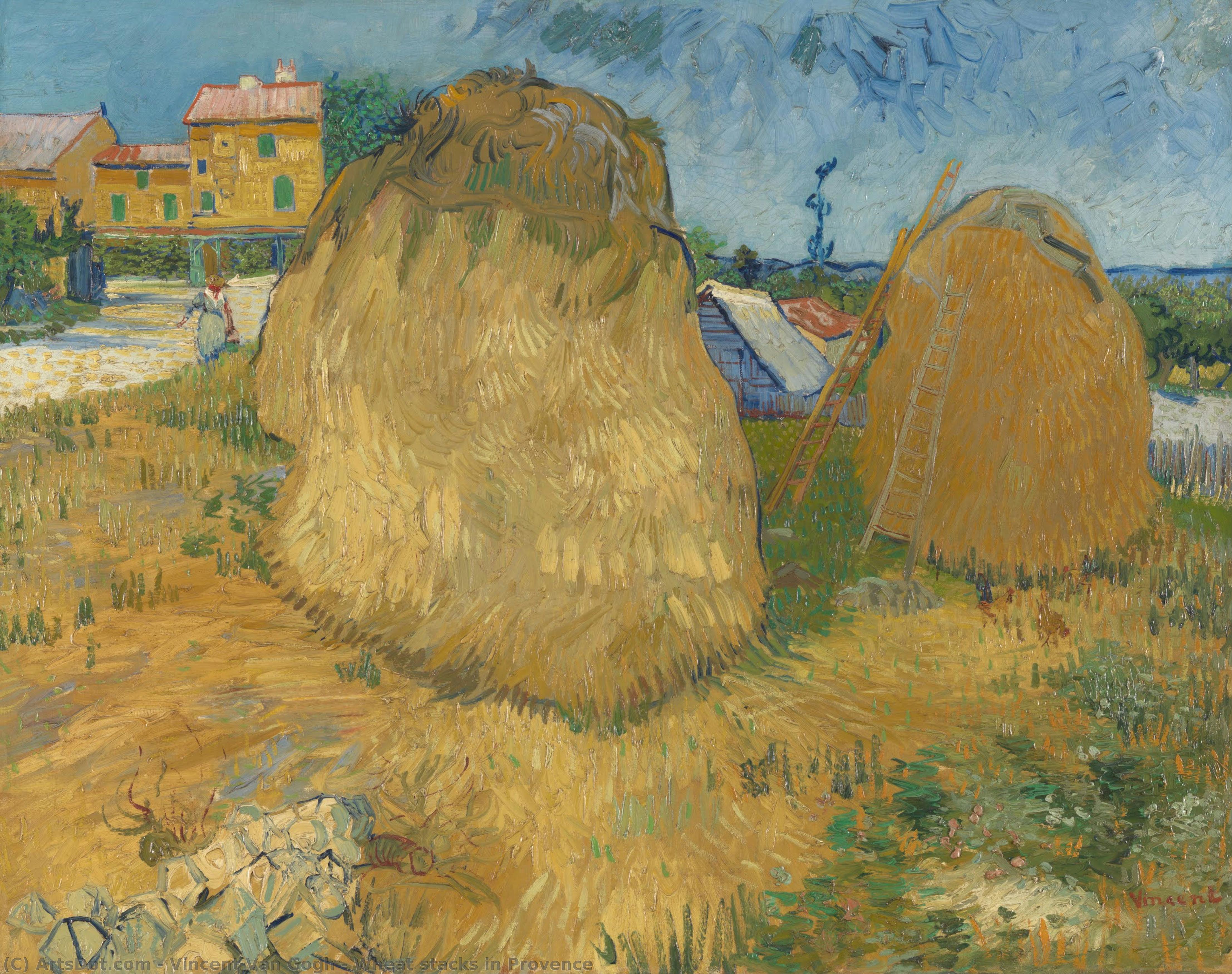
Снопи пшениці в Провансі


Відчуйте сяюче золоте тепло шедевра Вінсента ван Гога 1888 року «Снопи пшениці в Провансі» — текстуроване дослідження сільської краси, що запрошує вас принести цей позачасовий пейзаж у свій дім.
 Читати далі
Вінсент Ван Гог – геніальний художник, що народився в Нідерландах. Його картини, зокрема «Зорі Ніч» та «Соняшники», вражають емоційною глибиною та новаторським стилем. Його творчість вплинула на розвиток сучасного мистецтва.
Гікле / Художній принт
Музейна якість друку جيкле або на полотні з оперативним виготовленням та різноманітними варіантами фінішної обробки. ( Купити картину ручної роботи Перейти до цифрових зображень)




P118B $10

P118H $10

P118W $10

P438Z $10

P508JH $12

P508YH $12

P805H $10

P805Z $10

P919BZ $10

P919G $10

P919XJ $10

P959ZH $10

P968JZ $12

W106C $8

W218G $10

W218JH $8

W218Y $10

W307PJ $10

W316G $10

W316PJ $8

W316Y $10

W398PJ $8

W4111J $10

W500HY $15

W500JH $15

W692G $12

W849H $8

W940BG $15

W953PJ $8




Стандартний розмір
на замовлення
CM
INCH
Обирайте з наших стандартних розмірів, що відповідають оригінальним пропорціям твору мистецтва.
Loading sizes...

ширина
висота
Ви можете вказати власні розміри, щоб репродукція ідеально підійшла до конкретної рами або інтер'єру. Якщо обраний вами розмір не відповідає пропорціям оригіналу, ми або обріжемо полотно, або розширимо зображення за допомогою дзеркального відображення чи суцільної заливки країв. Перед початком виробництва вам буде надіслано цифровий макет для затвердження.
Будь ласка, зверніть увагу, що попередній перегляд на екрані не відображає фактичне обрізання або розширення. Тільки макет точно покаже фінальну композицію.
Хоча можливість замовлення індивідуальних розмірів доступна, ми рекомендуємо обирати формат із попередньо визначеного списку, щоб зберегти оригінальні пропорції.
Доставка по всьому світу () за 2 тижні замість стандартних 4/5 тижнів. (23 Вересень)

Безкоштовна експрес-доставка по всьому світу

Високоякісне лляне полотно

Повне страхове покриття доставки

Гарантія повернення митних зборів

Гарантія точного відтворення кольорів

Політика повернення протягом 100 днів (лише у разі виявлення дефектів)

Гарантія повернення 100% коштів

Знижка на оптові замовлення
 Скляний варіант доступний лише для розмірів до 110 см

Снопи пшениці в Провансі
Гікле / Художній принт
Розмір репродукції
-


Загальна вартість
$ 69
Золота симфонія Арля
У спекотне літо 1888 року, серед залитих сонцем пейзажів Провансу, Вінсент ван Гог закарбував момент глибокої сільськогосподарської безтурботності у своєму шедеврі Провенсальські копиці. Цей твір є набагато більшим, ніж просто документацією сільської праці; це живий, дихаючий доказ здатності митця знаходити божественне в буденному. Коли золоте світло французького сонця омиває стигле пшеничне поле, полотно вібрує енергією, що виходить за фізичні межі сцени. Композиція представляє кілька великих, величних тюків сіна, складених із ритмічною точністю, що створює захопливе відчуття глибини та об'єму. У цьому ідилічному ландшафті ледь помітна присутність постатей, що доглядають за урожаєм, додає шар людського зв'язку, приземлюючи безкрає сяюче небо та важку текстуру землі в позачасовий цикл життя та сезонних змін.
Використана тут техніка є квінтесенцією стилю Ван Гога, що характеризується безкомпромісним використанням імпасто. Замість того, щоб розгладжувати фарбу для досягнення фотографічної схожості, художник накладав густі, експресивні мазки, які виступають над полотном, запрошуючи глядача відчути саму вагу та текстуру пшениці. Такий тактильний підхід створює скульптурну якість, де світло не просто відбивається від поверхні, а ніби виходить із самих гребенів пігменту. Навмисна матеріальність його мазків слугує каналом для емоцій, дозволяючи кожному, хто споглядає цю репродукцію, відчути власний творчий запал художника та його одержиме бажання перенести тепло Провансу на полотно.
Символізм та сяйво надії
Окрім візуальної пишності, Провенсальські копиці просякнуті символічною мовою, що звертається до самої душі. Домінантна палітра — блискуча оркестрація жовтих, охристих та теплих золотистих тонів — не просто описує сонячне поле; вона викликає відчуття духовної достатку та стійкості. У контексті життя Ван Гога під час його арльського періоду, ці золотисті відтінки представляють притулок світла проти наступаючих тіней його особистих потрясінь. Сама пшениця слугує потужною метафорою родючості, відродження та незламної сили природи. Для колекціонера мистецтва чи дизайнера інтер'єру ця картина пропонує більше, ніж просто естетичну красу; вона стає фокусною точкою тепла та оптимізму, що здатна трансформувати атмосферу будь-якої кімнати.
Для тих, хто прагне інтегрувати високе мистецтво у свій життєвий простір, цей твір пропонує унікальну можливість створити предмет розмови, що перекидає місток між історичною значущістю та сучасним декором. Баланс композиції — важкі, приземлені пшеничні копиці, що контрастують із повітряним, наповненим світлом фоном — робить її неймовірно універсальним доповненням до різноманітних інтер'єрів: від рустикальної елегантності фермерського будинку до сучасних мінімалістичних галерей. Володіння високоякісною репродукцією цього твору означає принесення фрагмента сяючого світу Ван Гога у власну обитель, дозволяючи ритмічній красі провансальського врожаю надихати на спокій та роздуми кожного дня.
Схожі твори мистецтва



Біографія митця
A Life Painted in Emotion: The World of Vincent van Gogh
Vincent Willem van Gogh, a name synonymous with artistic passion and turbulent genius, remains one of the most recognizable and beloved figures in Western art history. Born on March 30, 1853, in Groot-Zundert, Netherlands, his journey was not one of immediate acclaim but rather a slow burn of dedication, struggle, and ultimately, profound influence. The eldest of six children born to a Protestant minister, Theodorus van Gogh, Vincent’s early life was steeped in religious contemplation, a sensibility that would subtly permeate much of his later work. Though he displayed an inclination towards drawing from a young age, his path wasn't immediately clear; he explored various vocations – art dealer, teacher, and missionary – before fully embracing the artist’s life. These experiences, though seemingly disparate, proved formative, instilling in him a deep empathy for the working class and a profound sense of spiritual seeking that would become hallmarks of his artistic vision. Early influences included the Dutch Masters like Rembrandt van Rijn and Frans Hals, whose masterful use of light and shadow resonated with young Vincent, as well as contemporary French painters Jean-François Millet and Camille Corot, who depicted scenes of rural life with a poignant realism.From Darkness to Light: Artistic Development and Style
Van Gogh’s serious engagement with painting began around 1880, largely self-taught, driven by an inner compulsion to express the world as he perceived it. His initial works reflected his compassion for the marginalized, focusing on the lives of peasants and laborers – exemplified in pieces like The Potato Eaters. These early paintings are characterized by dark, earthy tones and a raw, almost brutal honesty that sought to capture the hardship and dignity of rural existence. The figures in *The Potato Eaters* aren’t idealized; they're depicted with unflinching realism, their faces etched with weariness and toil. This wasn’t simply a depiction of poverty; it was an attempt to honor the dignity of those who labored under difficult circumstances. A pivotal moment arrived with his move to Paris in 1886, where he was exposed to the vibrant world of Impressionism and Post-Impressionism. This encounter proved transformative, injecting brighter colors into his palette and encouraging experimentation with new techniques. He absorbed the lessons of artists like Monet, Renoir, and Pissarro, but never fully adopted their style; instead, he forged a path uniquely his own. His distinctive style rapidly evolved, becoming instantly recognizable for its bold colors, expressive brushwork, and emotional intensity. Van Gogh didn’t merely *represent* reality; he sought to convey the feeling of being within it, utilizing impasto – thick layers of paint – to create texture and imbue his canvases with a palpable energy. This technique wasn't simply aesthetic; it was an integral part of his expressive language, allowing him to translate inner turmoil and ecstatic joy onto the canvas.Periods of Intensity: Key Works and Artistic Phases
Van Gogh’s artistic journey can be broadly divided into distinct periods, each marked by unique characteristics and significant works. The Dutch Period (1880-1886), as mentioned, was defined by somber tones and depictions of peasant life. These paintings often featured muted colors and a focus on the everyday struggles of rural communities. The subsequent Parisian Period (1886-1888) saw a dramatic shift towards brighter colors and experimentation with Impressionist techniques. He began to incorporate elements of Japanese prints, which fascinated him with their bold compositions and flattened perspectives. However, it was during the Arles Period (1888-1889), in the south of France, that Van Gogh reached a peak of creative intensity. Surrounded by the radiant light and vibrant landscapes of Provence, he produced some of his most iconic works: Sunflowers, *The Night Café*, and *Starry Night Over the Rhône*. These paintings are not merely depictions of scenes; they are emotional landscapes, pulsating with life and imbued with a sense of longing. The swirling brushstrokes in *Starry Night* seem to capture the very essence of the night sky—a turbulent blend of hope and despair. His final years, spent in Saint-Rémy and Auvers-sur-Oise (1889-1890), were marked by continued artistic output despite increasing mental distress. Confined to an asylum at Saint-Rémy following a breakdown, he found solace in painting the surrounding countryside, resulting in masterpieces like The Starry Night, a swirling vortex of color and emotion that continues to captivate viewers today. Even during this period of profound suffering, his portraits – particularly those of Dr. Gachet – reveal an extraordinary sensitivity and psychological depth.A Legacy Forged in Suffering: Achievements and Historical Significance
Despite facing rejection and struggling with mental illness throughout his life, Van Gogh created over 2,100 artworks in just over a decade—approximately 860 oil paintings. This astonishing output is testament to his unwavering dedication and relentless creative drive. Remarkably, during his lifetime, only one painting – *The Red Vineyard* – was sold. Recognition came posthumously, slowly at first, then with increasing momentum in the early 20th century. His work profoundly influenced the development of modern art, particularly Expressionism and Fauvism, inspiring artists to prioritize emotional expression over realistic representation. His bold use of color, distorted forms, and expressive brushwork paved the way for new artistic possibilities. Today, Van Gogh’s paintings are among the most recognizable and valuable artworks in the world, commanding record prices at auction and drawing millions of visitors to museums worldwide. But his legacy extends far beyond monetary value; he remains a cultural icon, representing the archetype of the “tortured artist” – though this narrative often overshadows his skill, dedication, and artistic vision. The Van Gogh Museum in Amsterdam stands as a testament to his enduring influence, showcasing his work and celebrating his life for generations to come. His art continues to resonate with audiences because it speaks to universal human experiences—love, loss, hope, despair—with an honesty and vulnerability that transcends time and culture.- Major Influences: Dutch Masters (Rembrandt, Hals), Millet, Corot.
- Key Periods: Dutch, Parisian, Arles, Saint-Rémy/Auvers-sur-Oise.
- Notable Works: The Potato Eaters, Sunflowers, Starry Night, The Night Café.

vincent willem van gogh
1853 - 1890 , Нідерланди
Довідкова інформація
- Artistic Movement Or Style: Пост-імпресіонізм
- Artists Or Movements Influenced By This Artist:
- Експресіонізм
- Фавлізм
- Artists Who Influenced This Artist:
- Рембрандт
- Жан-Фріц Мілет
- Date Of Birth: 30 березня 1853
- Date Of Death: 29 липня 1890
- Full Name: Vincent Willem van Gogh
- Nationality: Нідерландський
- Notable Artworks:
- Соняшники
- Зорі ніч
- Нічне кафе
- Place Of Birth: Зюндерт, Нідерланди
Схожі статті
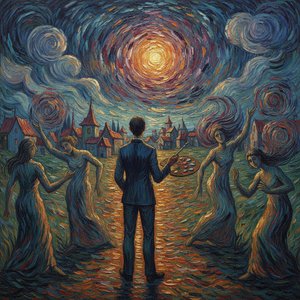
Beyond the Light: Capturing Emotion Through the Expressive Soul of Post-Impressionism
Explore the profound emotional depth of Post-Impressionism. Discover how masters like Van Gogh and Cézanne moved beyond light to capture raw feeling through color and texture. A journey into art history for the true connoisseur.
Досліджуйте твори мистецтва, впорядковані за темами, стилями та характеристиками.


