


 实景预览
实景预览
 发送
发送 分享
分享
 详情
详情 指南
指南

 下载图片
下载图片
 相似作品
相似作品 X射线
X射线 幻灯片播放
幻灯片播放 统计数据
统计数据Louis Pasteur
 Acrylic On Canvas
- WallArt
- Realist Painting
 1885
1885- 19th Century
 154.0 x 126.0 cm
 奥赛博物馆
奥赛博物馆
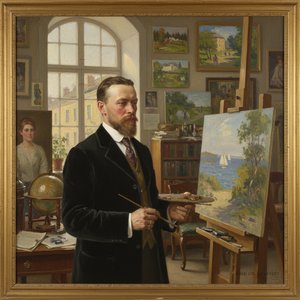
Albert Edelfelt's iconic 1885 portrait of Louis Pasteur captures the scientist’s dedication to science within his laboratory. A masterpiece reflecting the era's advancements and scientific spirit.
 阅读全文
阅读全文
探索芬兰现实主义画家阿尔伯特·埃德费尔特(1854-1905)的作品,他以肖像画、风景画和对芬兰艺术的影响而闻名。欣赏《路易斯·巴斯德画像》和《桦林下》等杰作,了解这位在国际上享有盛誉的艺术家。
艺术微喷/版画
博物馆级艺术微喷或帆布版画,制作高效,并提供多种饰面选择。 ( 订购此收藏品的纯手工复刻画作 切换至数字图像销售渠道)




P118B $10

P118H $10

P118W $10

P438Z $10

P508JH $12

P508YH $12

P805H $10

P805Z $10

P919BZ $10

P919G $10

P919XJ $10

P959ZH $10

P968JZ $12

W106C $8

W218G $10

W218JH $8

W218Y $10

W307PJ $10

W316G $10

W316PJ $8

W316Y $10

W398PJ $8

W4111J $10

W500HY $15

W500JH $15

W692G $12

W849H $8

W940BG $15

W953PJ $8




标准尺寸
定制
CM
INCH
您可以从与原作比例一致的预设尺寸中进行选择。
Loading sizes...

宽度
高度
您可以输入自定义尺寸,以适配特定的画框或空间。如果您选择的尺寸与原图比例不符,我们将对作品进行裁剪,或通过镜像填充/纯色填充边缘的方式来扩展图像。在开始制作之前,我们会向您发送一份数字效果图供您确认。
请注意,屏幕上的预览并不能反映实际的裁剪或扩展效果。只有效果图才能准确展示最终的构图。
虽然我们提供定制尺寸,但为了保持原图比例,我们建议您从预设列表中选择尺寸。


 玻璃选项仅适用于110厘米以下的尺寸。

Louis Pasteur
艺术微喷/版画
复刻品尺寸说明
-


总计金额
$ 69
The Genesis of a Masterpiece
Albert Edelfelt’s “Louis Pasteur,” painted in 1885, isn't merely a portrait; it’s a meticulously crafted distillation of an era – the burgeoning age of scientific discovery and the quiet revolution taking place within the laboratories of France. Commissioned during a period of intense intellectual ferment, this oil-on-canvas work transcends simple representation to embody Pasteur’s unwavering commitment to unraveling the mysteries of life and disease. Edelfelt, a Finnish artist deeply influenced by Northern European realism, chose to capture Pasteur not as a celebrated figure in public acclaim, but as a man profoundly engaged in his craft – a scientist immersed in the focused intensity of his laboratory.
The painting’s genesis lies within the context of Pasteur's groundbreaking work. His pioneering research into germ theory, vaccination against rabies and anthrax, and pasteurization were fundamentally reshaping medicine and public health. Edelfelt, keenly aware of this transformative impact, sought to immortalize not just Pasteur’s physical presence but also the spirit of relentless inquiry that defined his legacy. The choice of setting – a meticulously rendered laboratory filled with scientific instruments – immediately establishes this intellectual atmosphere, suggesting a space dedicated to observation, experimentation, and the pursuit of knowledge.
A Symphony of Detail: Technique and Style
Edelfelt’s masterful technique is evident in every brushstroke. He employs a rich, layered impasto—a thick application of paint—that lends texture and depth to the scene. The careful rendering of light and shadow creates a palpable sense of realism, drawing the viewer into Pasteur's world. Notice particularly the subtle gradations of color applied to the various glass bottles and scientific equipment; each element is rendered with painstaking detail, reflecting Edelfelt’s dedication to accuracy. The composition itself is carefully balanced, guiding the eye through the scene – from Pasteur himself, deeply absorbed in his work, to the surrounding apparatus that speaks volumes about his research.
- Color Palette: A muted palette of browns, greens, and blues dominates, reflecting the laboratory’s atmosphere.
- Brushwork: Edelfelt's brushstrokes are visible and deliberate, contributing to the painting's textured surface.
- Lighting: The use of chiaroscuro (strong contrasts between light and dark) emphasizes Pasteur’s figure and highlights the details of his workspace.
Symbolism and the Portrait of a Mind
Beyond its technical brilliance, “Louis Pasteur” is laden with symbolic meaning. The bottles scattered around the laboratory represent the countless experiments and observations that constitute Pasteur's scientific journey. The focused gaze of Pasteur himself embodies his intellectual rigor and unwavering dedication to his work. He’s not a triumphant hero; he’s a man consumed by curiosity, driven by an insatiable desire to understand the natural world. The inclusion of specific instruments—beakers, flasks, and retorts—are not merely decorative elements but rather visual cues that underscore Pasteur's scientific pursuits.
The painting subtly suggests the transformative power of science – a quiet revolution unfolding within the confines of the laboratory, with profound implications for humanity’s future.A Legacy Preserved: Emotional Resonance and Artistic Significance
“Louis Pasteur” is more than just a portrait; it's a testament to the enduring legacy of scientific innovation. It captures not only the likeness of a brilliant mind but also the spirit of inquiry that defines the modern era. The painting’s emotional resonance lies in its portrayal of focused concentration and unwavering dedication—qualities that continue to inspire scientists, artists, and thinkers today. It serves as a poignant reminder of the transformative power of knowledge and the profound impact one individual can have on the world. Reproductions of this iconic work offer a beautiful way to bring this powerful image into your home or office, celebrating both artistic mastery and scientific achievement.
相关艺术品


艺术家简介
阿尔贝特·埃德费尔特的早期生活与艺术启蒙
阿尔贝特·古斯塔夫·阿里斯提德·埃德费尔特,这位芬兰杰出的画家,于1854年7月21日出生在波尔沃。他的父母卡尔·阿尔贝特·埃德费尔特和亚历山德拉·埃德费尔特(娘家姓布兰特)均为瑞典语芬兰人。幼年的埃德费尔特便展现出对艺术与生俱来的热情,这促使他在1869年进入芬兰艺术学会的绘画学校接受正规训练。波尔沃宁静而美丽的自然风光,以及家庭氛围中的文化熏陶,为他日后的创作奠定了深厚的基础。早期的学习经历不仅培养了他扎实的基本功,更激发了他对色彩、构图和光影的敏锐感知。这段时期,埃德费尔特开始尝试各种绘画题材,逐渐形成了自己独特的艺术视角。求学之路与风格探索
为了进一步提升自己的艺术造诣,埃德费尔特踏上了一段漫长的求学之旅。他先后在安特卫普皇家美术学院(1873-74年)研习历史绘画技巧,并在巴黎国立美术学校(1874-78年)师从让·莱昂·热罗姆,接受更为系统的艺术教育。在巴黎,埃德费尔特接触到了当时欧洲最新的艺术潮流和思潮,对现实主义绘画产生了浓厚的兴趣。他还曾短暂地前往圣彼得堡(1881-82年),感受了俄罗斯文化的独特魅力。这些经历不仅拓宽了他的视野,也为他日后的风格探索提供了丰富的素材和灵感。埃德费尔特逐渐形成了以写实主义为主导的绘画风格,注重对人物内心世界的刻画和社会现实的反映。声名鹊起与代表作品
1889年巴黎世界博览会上,埃德费尔特凭借一幅金奖作品崭露头角,正式步入艺术事业的巅峰时期。他的代表作包括:《路易·巴斯德肖像》 ,这幅作品为他赢得了法国荣誉勋章;《闺房中的少女》 ,充分展现了他捕捉女性气质的精湛技艺;以及《桦林下》,一幅充满诗意的芬兰风景画。这些作品不仅体现了埃德费尔特高超的绘画技巧和独特的艺术风格,更蕴含着他对社会、人生和自然的深刻思考。他善于运用光影效果来营造氛围,注重对细节的刻画,使人物形象栩栩如生,富有感染力。艺术遗产与历史影响
作为第一批在国际舞台上获得声誉的芬兰艺术家之一,埃德费尔特为芬兰现实主义绘画运动做出了重要贡献。他的作品对后来的芬兰画家产生了深远的影响,特别是阿克塞利·加伦-卡莱拉和古纳尔·贝恩德松等年轻一代艺术家,在他巴黎期间得到了悉心指导和帮助。埃德费尔特的画作被广泛收藏于世界各地的博物馆,其中赫尔辛基的阿特内姆美术馆就珍藏着他的大量作品。为了纪念他150周年诞辰,芬兰还发行了面值为100欧元的阿尔贝特·埃德费尔特纪念币。- 主要艺术运动或风格:现实主义
- 受此艺术家影响的艺术家:阿克塞利·加伦-卡莱拉、古纳尔·贝恩德松
- 影响此艺术家的艺术家:让·莱昂·热罗姆
- 出生日期:1854年7月21日
- 逝世日期:1905年
- 全名:阿尔贝特·古斯塔夫·阿里斯提德·埃德费尔特
- 国籍:芬兰
- 代表作品:《路易·巴斯德肖像》、《闺房中的少女》、《桦林下》、《波尔沃的女孩》
- 出生地:芬兰波尔沃
进一步探索埃德费尔特的艺术世界
您可以在TopImpressionists上欣赏阿尔贝特·埃德费尔特的更多作品,并深入了解他的创作历程。阿特内姆美术馆也收藏了大量埃德费尔特的画作,值得细细品味。如果您想更全面地了解埃德费尔特的生平和艺术成就,可以查阅维基百科的相关页面。 更多信息:
阿尔贝特·埃德费尔特 (Ā'Ěrbótè·Āidéfēiertè)
1854 - 1905 , 芬兰
快速概览
- 代表作品:
- 路易·巴斯德肖像
- 闺房中的少女
- 桦林下
- 出生地: 芬兰波尔沃
- 出生日期: 1854年7月21日
- 受埃德费尔特影响的艺术家:
- 阿克塞利·加伦-卡勒拉
- 古纳尔·贝恩德松
- 国籍: 芬兰
- 姓名: 阿尔伯特·埃德费尔特
- 影响埃德费尔特的艺术家: ['让-莱昂·热罗姆']
- 艺术运动或风格: 现实主义
- 逝世日期: 1905年
相关文章
Albert Edelfelt: A Pioneer of Finnish Realism & International Impressionist Circles
Explore the life & work of Albert Edelfelt, a pioneering Finnish Realist painter who bridged Impressionism & national identity. Discover his masterpieces and lasting influence on art history.

Morris Louis: Pioneering Color Field Painting & Abstract Expressionism's Legacy
Explore the groundbreaking abstract expressionism of Morris Louis, a pioneer of Color Field painting. Discover his innovative techniques, influential series & lasting legacy in post-war American art. Learn more at TopImpressionists.

Albert Charles Lebourg: A Study in Atmospheric Impressionism & Rural France
Explore the serene landscapes of Albert Charles Lebourg, a master of the Rouen School Impressionists. Discover his atmospheric paintings of the Seine and enduring legacy in 19th-century French art.

Anne-Louis Girodet: Bridging Neoclassicism & Romanticism with Emotional Truth
Explore the captivating world of Anne-Louis Girodet, a pivotal figure bridging Neoclassicism & Romanticism. Discover his masterpieces and unique artistic vision with TopImpressionists.

Albert Goodwin: Capturing Victorian Light & Atmosphere – A Study in Landscape Painting
Explore the captivating landscapes of Albert Goodwin (1845-1932), a celebrated Victorian watercolourist influenced by Turner & Ruskin. Discover his techniques, prolific collection, and lasting legacy in British art history.
