

博物馆级艺术微喷或帆布版画,制作高效,并提供多种饰面选择。 ( Switch to hand made Painting Switch to Image)
从与原作比例一致的预设尺寸中进行选择。

您可以输入自定义尺寸,以适配特定的画框或空间。如果您选择的尺寸与原图比例不符,我们将对作品进行裁剪,或通过镜像填充/纯色填充边缘的方式来扩展图像。在开始制作之前,我们会向您发送一份数字效果图供您确认。
请注意,屏幕上的预览并不能反映实际的裁剪或扩展效果。只有效果图才能准确展示最终的构图。
虽然我们提供定制尺寸,但为了保持原图比例,我们建议您从预设列表中选择尺寸。

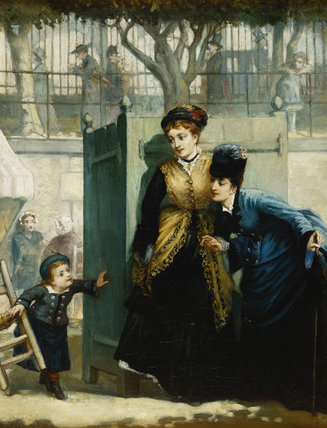
Hide And Seek
复制品尺寸
Born in Springfield, Pennsylvania, in 1738 – a location now recognized as Swarthmore – Benjamin West’s life was one of remarkable transatlantic movement and artistic evolution. His early years were marked by a self-taught apprenticeship, nurtured by his parents who recognized his innate talent for drawing. This foundational period, steeped in the traditions of colonial America and informed by his mother's own rudimentary knowledge of pigments derived from local materials – a fascinating anecdote hinting at an early engagement with naturalistic color – laid the groundwork for a career that would ultimately transcend national boundaries.
West’s journey began with a deliberate immersion in the artistic heartland of Europe. In 1760, he embarked on a transformative three-year sojourn to Italy, a period crucial to his development as an artist and a shaping force in the burgeoning Neoclassical movement. Rome became his studio, where he honed his skills under the tutelage of influential figures like Gavin Hamilton and Anton Raphael Mengs. This Italian experience wasn’t merely about technical training; it was a deliberate embrace of classical ideals – a conscious decision to align himself with the artistic principles that were reshaping Europe at the time. The influence of antiquity is palpable in his early works, such as Agrippina Landing at Brundisium with the Ashes of Germanicus (1768), a painting characterized by its dramatic composition and meticulous attention to detail – hallmarks of the Neoclassical style.
Returning to London in 1763, West swiftly established himself as a prominent figure within the British art scene. His charisma, combined with his American origins and an understanding of contemporary tastes, quickly garnered him patronage from influential figures, including King George III. This royal support culminated in his appointment as Surveyor of the King’s Pictures in 1771 – a position of immense prestige and influence. It was through this role that West truly cemented his place at the apex of the British art world.
West's most celebrated achievement, arguably, is his painting The Death of Nelson (1789), a monumental work that captured the public’s imagination and established him as a leading historical painter. The painting’s immediate success was unprecedented; it wasn’t simply admired for its technical skill but also for its dramatic narrative and its skillful depiction of contemporary costume – a departure from previous history paintings which often relied on idealized or anachronistic attire. This innovation, coupled with West's masterful use of light and shadow, created a powerful emotional impact that resonated deeply with viewers.
Beyond his own prolific output, Benjamin West played a pivotal role in nurturing the careers of numerous young American artists who traveled to London for training. He generously opened his studio to students like Charles Willson Peale, Gilbert Stuart, and John Trumbull, providing them with invaluable instruction and access to the Royal Academy. This mentorship extended beyond mere technical guidance; West instilled in these aspiring painters a deep appreciation for classical ideals and a commitment to historical painting – shaping the trajectory of American art for generations to come.
West’s influence on his American pupils was profound, fostering a sense of connection between British artistic traditions and the burgeoning American art scene. Figures like Copley, Allston, and Morse, who benefited from West's guidance, went on to develop their own distinct styles while retaining a clear debt to their mentor’s legacy. His role as a bridge between continents and artistic movements is undeniable.
As Benjamin West aged, his style evolved beyond the strictures of Neoclassicism, embracing elements of Romanticism in works such as The Death on the Pale Horse (1817). This shift reflected a growing interest in dramatic narratives, emotional intensity, and the sublime – qualities that would become hallmarks of the Romantic movement. Despite criticisms regarding the sometimes heavy-handedness of his historical compositions, West’s legacy remains significant. He was the first American painter to achieve international recognition, paving the way for future generations of American artists to pursue their artistic ambitions abroad.
Benjamin West died in London in 1820, leaving behind a body of work that continues to fascinate and inspire. His life story—a testament to ambition, adaptability, and the enduring power of artistic influence—solidifies his place as a pivotal figure in both American and European art history.

1820 - 1894 , Germany


第一时间获取最新的艺术新闻、独家优惠及装饰灵感。
向我们介绍您的项目需求,我们的艺术专家将为您提供 3 个个性化的艺术品推荐。
由我们的专家为您精选 3 款心仪之作 —— 完全免费!
 Preview
 分享
分享 分享
分享
 详情
详情

 下载
下载
 相似作品
相似作品 X射线
X射线 幻灯片播放
幻灯片播放 展开详情
展开详情






































 玻璃选项仅适用于110厘米以下的尺寸。


