


 实景预览
实景预览
 发送
发送 分享
分享
 详情
详情 指南
指南

 下载图片
下载图片
 相似作品
相似作品 X射线
X射线 幻灯片播放
幻灯片播放 统计数据
统计数据The Lighthouse at Collioure


 阅读全文
阅读全文
手工油画复制品
由我们的艺术家按需定制,为您提供您所选尺寸及画框的布面手工油画。 ( 切换至版画销售渠道 切换至数字图像销售渠道)




P118B ¥10

P118H ¥10

P118W ¥10

P438Z ¥10

P508JH ¥12

P508YH ¥12

P805H ¥10

P805Z ¥10

P919BZ ¥10

P919G ¥10

P919XJ ¥10

P959ZH ¥10

P968JZ ¥12

W106C ¥8

W218G ¥10

W218JH ¥8

W218Y ¥10

W307PJ ¥10

W316G ¥10

W316PJ ¥8

W316Y ¥10

W398PJ ¥8

W4111J ¥10

W500HY ¥15

W500JH ¥15

W692G ¥12

W849H ¥8

W940BG ¥15

W953PJ ¥8




标准尺寸
定制
CM
INCH
您可以从与原作比例一致的预设尺寸中进行选择。
Loading sizes...

宽度
高度
请输入您需要的宽度和高度,以适配您的画框或墙面。由于作品为手工绘制,若您选择不同的尺寸比例,艺术家可能会在画面边缘多画一些或稍作裁剪 —— 由您决定。在开始绘画之前,我们会为您发送一份数字效果图供您确认。本页面上展示的图片并非最终实物 —— 只有效果图才能反映真实结果。
可定制示例:将面部替换为客户照片;添加宠物(例如,将猫替换为狗);在背景中加入隐藏信息;更改背景风景或元素。
下单后,TopImpressionists.com 团队将通过电子邮件联系客户获取具体要求,并提供效果预览图
下单后,TopImpressionists.com 团队将通过电子邮件联系客户获取具体要求,并提供效果预览图


 玻璃选项仅适用于110厘米以下的尺寸。

The Lighthouse at Collioure
复制品材质
复刻品尺寸说明
-


总计金额
¥ 1809
The Lighthouse at Collioure: A Fauvist Symphony of Light and Emotion
André Derain’s “The Lighthouse at Collioure,” painted in 1905, isn't merely a depiction of a coastal scene; it’s an immersive experience—a vibrant explosion of color and movement that encapsulates the heart of the Fauvist movement. Housed within the Musée d’art Moderne de la Ville de Paris, this oil on canvas transports the viewer to the picturesque harbor village of Collioure in southern France, capturing not just a landscape but also a fleeting moment of intense feeling. The painting immediately assaults the senses with its audacious palette: searing yellows and oranges dominate the sky and buildings, juxtaposed against deep ultramarine blues and greens of the sea and surrounding vegetation. This deliberate departure from naturalistic color was a defining characteristic of Fauvism – a rebellion against academic tradition where color served not to represent reality but to express emotion directly.
Derain’s technique is equally striking. He employs loose, expressive brushstrokes, applying paint with a visible and energetic hand. The forms are simplified and flattened, prioritizing the impact of color and light over meticulous detail. Notice how he uses broken color—small dabs of contrasting hues layered upon each other—to create shimmering effects on the water and to suggest the play of sunlight. This technique, combined with his use of bold outlines, contributes to a sense of dynamism and immediacy, as if the scene is constantly shifting and evolving before our eyes. The lighthouse itself, rendered in stark white against the vibrant backdrop, acts as a focal point, drawing the viewer’s gaze into the heart of the composition.
A Window into Fauvism's Soul
To understand “The Lighthouse at Collioure,” it’s crucial to grasp the context of its creation. The late 1890s and early 1900s witnessed a profound shift in artistic sensibilities, fueled by advancements in color theory and a growing dissatisfaction with the constraints of academic art. Derain, along with Henri Matisse, spearheaded the Fauvist movement – a short-lived but hugely influential period characterized by its unrestrained use of color, often divorced from naturalistic representation. The term “Fauves” (wild beasts) was initially applied derisively by critic Louis Vauxcelles, reflecting the critics’ perception of the artists' work as chaotic and primitive. However, the Fauves embraced this label, recognizing it as a badge of rebellion against established artistic norms.
The painting reflects the Fauvist fascination with light and atmosphere. Derain wasn’t simply recording what he saw; he was attempting to capture the *feeling* of being present in that particular moment – the warmth of the sun, the freshness of the sea air, the vibrant energy of the harbor. The inclusion of multiple smaller lighthouses scattered throughout the scene adds a layer of complexity and reinforces this sense of movement and visual richness. The composition itself is deliberately unbalanced, creating a dynamic tension that mirrors the emotional intensity of the subject matter.
Symbolism and Emotional Resonance
Beyond its purely aesthetic qualities, “The Lighthouse at Collioure” carries significant symbolic weight. The lighthouse, a traditional symbol of guidance and safety, can be interpreted as representing hope and stability amidst the chaos of life. Its stark white form stands in contrast to the swirling colors of the surrounding landscape, suggesting a desire for clarity and direction. The harbor itself, with its bustling activity and diverse elements – boats, buildings, people – embodies the complexities and contradictions of human experience. The painting’s overall mood is one of joyful exuberance tempered by a subtle undercurrent of melancholy—a recognition that even in moments of beauty and vibrancy, there exists an underlying sense of transience.
The choice of Collioure as the setting for this pivotal work is also noteworthy. The village, with its distinctive architecture and stunning coastal scenery, provided Derain with a perfect canvas for his artistic experiments. It was a place where he could freely explore color and form without the constraints of traditional expectations. “The Lighthouse at Collioure” remains a powerful testament to Derain’s genius—a vibrant celebration of light, color, and emotion that continues to captivate viewers over a century later.
问答详情
鉴于创作日期,"The Lighthouse at Collioure" 属于 安德烈·德兰 (Āndéliè Délán) 艺术生涯中的哪个阶段?
"The Lighthouse at Collioure"创作于1905年,属于安德烈·德兰 (Āndéliè Délán)艺术生涯中的Fauvism Period时期。
安德烈·德兰 (Āndéliè Délán) 的《The Lighthouse at Collioure》 是否属于备受追捧的 Fauvism 流派作品之一?
安德烈·德兰 (Āndéliè Délán) 的《The Lighthouse at Collioure》 被归类为 Recognized,并属于 Fauvism 流派。
“The Lighthouse at Collioure”提供下载吗?
"The Lighthouse at Collioure" 提供下载:该作品的 下载 页面提供 高分辨率数字图像下载。
相关艺术品


艺术家简介
早期生活与野兽派的萌芽
安德烈·德兰,1880年生于巴黎附近的迷人小镇沙图,并非一开始就注定要过上沉浸在绘画和画布的生活。 与一些认为他通过与弗拉芒克或马蒂斯等画家的相遇而突然觉醒的说法相反,德兰大约在1895年开始独立进行他的艺术之旅。 这些早期的探索通常是在乡间郊游时与雅科曼神父及其儿子一起进行的——这是一种塑造性的经历,培养了他对自然世界的深刻欣赏。 1898年,他曾在卡米略学院短暂地学习工程学,在那里他偶然遇到了亨利·马蒂斯,开启了一段关键的艺术合作关系。 他后来在欧仁·卡里埃尔的指导下磨练了他的基础技能,但从1901年至1904年的兵役生涯暂时中断了他蓬勃发展的职业生涯。 回来后,受到马蒂斯的坚定信念的鼓励,德兰果断地放弃了工程学,全身心投入到绘画中,继续在朱利安学院学习。 这一承诺标志着一个转折点,使他走上了一条成为现代艺术最具革命性的运动中的重要人物的道路。色彩爆发:野兽派的诞生
1905年的夏天对德兰和马蒂斯来说是一个爆炸性的时刻,他们共同在阳光充足的科利乌尔沿海村庄合作。 这一时期催生了像《科利乌尔山脉》这样的作品,其特点是与表现主义色彩的彻底决裂。 这些风景画不仅仅是对地方的描绘;它们是对情感的表达,通过强烈鲜艳、非自然主义的色调来呈现。 当他们的作品同年在秋季沙龙展出时,引起了愤怒和震惊。 评论家路易·沃克塞尔著名地称他们为“野兽派”——狂野的野兽——这个名字最初是贬义的,但最终被艺术家们所接受。德兰对这场运动的贡献不仅仅是风格上的;他有一种独特的能力将情感强度转化为纯粹的色彩。 1906年,安布罗瓦兹·沃拉尔委托他创作伦敦画作,从而产生了一系列引人注目的画布,描绘了泰晤士河和塔桥。 这些不是传统的城市景观;它们是大胆的诠释,通过非常规的视角捕捉了伦敦的活力和氛围——这证明了德兰创新的愿景。 受梵高和塞尚等艺术家的影响,他突破了色彩和形式的界限,为后来的表现主义画家奠定了基础。超越野兽派:风格转变
野兽派最初的热情并没有定义德兰整个艺术生涯。 大约在1907年左右,他的风格开始发生重大演变,从不受约束的色度狂热转向更沉稳的色调和对形式的更多关注。 这一时期通常被称为他的“哥特式”阶段(1911-1914),反映了他对结构和构图日益增长的兴趣。 他沉浸在旧大师的研究中,融入了立体主义元素,同时又从古典形式中寻求灵感。 这不是对早期工作的拒绝,而是他对艺术词汇的扩展。 德兰的多才多艺超出了绘画范围;1919年,他为谢尔盖·迪亚吉列夫的俄罗斯芭蕾舞团设计了芭蕾舞剧《神奇精品店》,展示了他对戏剧设计的才能,并进一步展示了他的多样化才能。 这个时代的关键作品,如《小丑和皮耶罗》和巨大的壁画《尤利西斯归来》,体现了这种风格转变——转向一种更受控制和更具智力的艺术创作方法。遗产与复杂性
安德烈·德兰在艺术史上的地位是作为野兽派的联合创始人而确立的,这场运动不可逆转地改变了现代绘画的进程。 他以充满活力的画布捕捉到的伦敦独特愿景为标志性城市提供了新的视角。 一战后,他因对古典主义复兴的贡献而再次受到认可,证明了他的适应性和持久的艺术相关性。 然而,德兰晚年备受争议。 二战期间,他在德国的存在受到了批评,战争结束后导致一些前支持者对他进行排斥。 尽管存在这种阴影,但他对后代艺术家的影响仍然不可否认。 他于1954年去世,留下了一部继续吸引和启发人们的作品。他的遗产不仅仅是大胆的色彩和富有表现力的笔触,还是一位不断挑战自我、探索新的表达途径并给现代艺术景观留下不可磨灭印记的艺术家。他证明了艺术创新的力量以及在快速变化的世界中驾驭艺术所固有的复杂性。德兰的旅程提醒我们,真正的艺术不在于坚持单一风格,而在于对创造真理的不懈追求。
安德烈·德兰 (Āndéliè Délán)
1880 - 1954 , 法国
快速概览
- 代表作品:
- 科里乌尔山脉
- 小丑与彼埃罗
- 茶杯
- 伦敦画作
- 全名: 安德烈·德兰
- 出生地: 法国夏图
- 出生日期: 1880年6月10日
- 受德兰影响的艺术家或运动:
- 马蒂斯
- 立体主义
- 国籍: 法国
- 影响德兰的艺术家:
- 梵高
- 塞尚
- 艺术运动或风格: 野兽派, 立体主义
- 逝世日期: 1954年9月8日
相关文章

André Derain: Fauvism's Bold Visionary & the Evolution of Modern Color
Explore the revolutionary art of André Derain, co-founder of Fauvism. Discover his bold use of color, evolution from radical expressionism to classicism, and lasting influence on modern art history. Learn more at TopImpressionists.

The Gilded Age Reimagined: Exploring the Aesthetic Principles & Enduring Legacy of Art Deco
Explore the captivating world of Art Deco! Discover its origins, defining features, cultural impact & enduring legacy. Expert insights for collectors and design enthusiasts. Shop handmade reproductions at TopImpressionists.
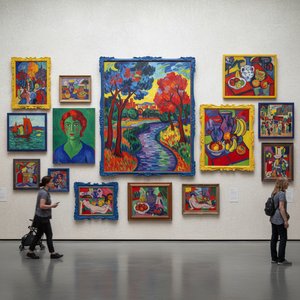
fauve艺术运动的十部巨作:色彩与激情的史诗
探索 fauve 艺术运动的十部杰作!马蒂斯、德兰伊等大师的色彩与激情,定义了现代艺术。深入了解绘画背后的故事,发现壁画、装饰画等经典作品。TopImpressionists.com 提供博物馆品质的艺术复制品和精选家居装饰方案。在线探索完整系列!

Impressionism's Masterpieces: 10 Paintings That Defined a Movement | TopImpressionists
Journey through Impressionism's heart with 10 iconic paintings by Monet, Renoir & Degas. Explore light, color & the stories behind these masterpieces. Find museum-quality art reproductions and elevate your home decor on TopImpressionists.com.

Fauvism's Boldest Visions: 10 Masterpieces That Revolutionized Modern Art | TopImpressionists
Explore 10 Fauvist masterpieces by Matisse, Derain & Vlaminck that ignited Modern Art! Discover bold colors, expressionist landscapes & the history of this revolutionary movement. Find museum-quality prints at TopImpressionists.com.

