
购买高分辨率增强版数字图像,其品质远超在线预览。
每一份文件都由我们的内部专家使用先进工具与专业的后期润色技术精心打造。我们确保每一张图像都具备卓越的清晰度、精准的色彩还原度以及细腻的细节表现。
最终文件将在 72 小时内通过电子邮件交付,并针对专业、编辑及印刷用途进行了优化。其品质与顶级设计工作室、出版社和画廊所信赖的标准完全一致。
选择 TopImpressionists.com,您获得的不仅仅是一张图像——您收到的是经过专业级增强、精雕细琢的数字艺术作品,并享有满意保证。以下是您的订单中自动包含的所有内容:

您的高分辨率数字图像文件将在下单后 72 小时内通过电子邮件发送给您 —— 即可立即使用。

您的艺术品经过专业优化,结合先进的 AI 技术与人工修饰,确保呈现极致的细节、清晰度与色彩准确度。

不小心删除了文件或找不到了?没关系——我们将随时为您免费重发。

即刻拥有您的艺术作品,无需支付任何关税、税费或运费——数字下载始终免税。

我们通过专业工具与色彩管理技术,确保您的数字图像尽可能真实地还原原作色彩。

如果您对所购买的数字图像不满意,我们将在60天内为您进行修改或退还100%的款项——无需任何解释。

如果不满意?在收到数字文件后的60天内,我们为您提供全额退款——无需任何理由。

购买 3 张图片可享 10% 折扣 - 购买 5 张可享 15% 折扣 - 购买 10+ 张可享 20% 折扣。非常适合创意项目、画廊和机构使用。
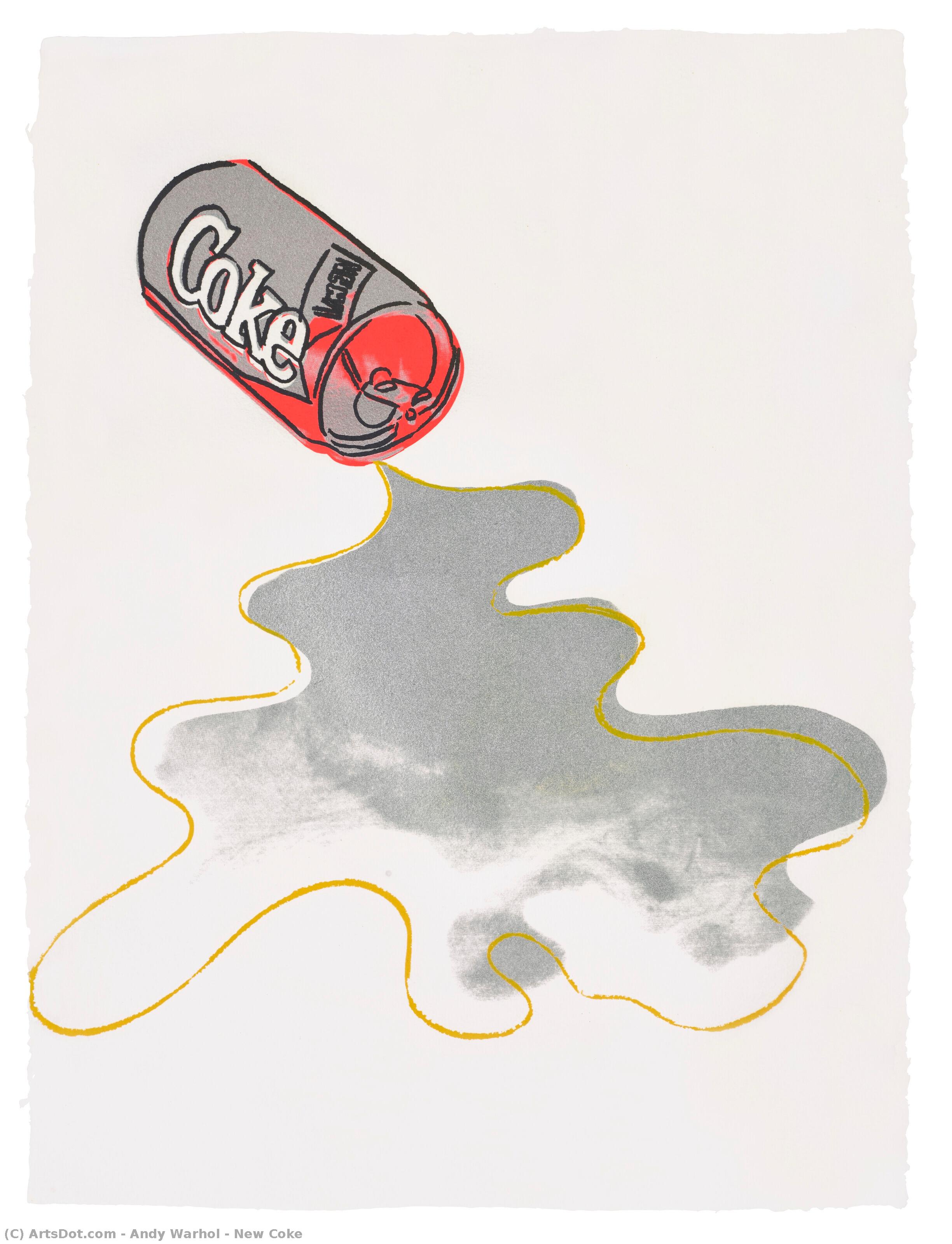
Andy Warhol's "New Coke," a screenprint from 1985, isn’t merely a depiction of a beverage can; it’s a potent distillation of American consumer culture at a pivotal moment. The artwork captures a seemingly mundane object – the iconic Coca-Cola bottle – in a state of dramatic disruption. A jagged tear bisects the familiar form, spilling forth a cascade of vibrant, almost aggressively cheerful yellow soda, a stark contrast to the muted gray and red of the can itself. This isn’t a celebration of branding; it's a visual representation of a colossal corporate misstep, a moment of profound public disappointment that reverberated through the nation.
The choice of subject is deliberately provocative. Coca-Cola, synonymous with American nostalgia and ubiquitous presence, was suddenly facing a crisis of identity. The introduction of “New Coke” in 1985 – a reformulated version of the original recipe – ignited a furious backlash from consumers who fiercely defended the beloved taste of the classic beverage. Warhol’s artwork perfectly encapsulates this outrage, transforming a corporate blunder into an arresting visual statement. The deliberate flatness of the screenprint technique—a hallmark of Pop Art—further emphasizes the object's materiality and its immediate impact on the viewer, stripping away any illusion of depth or grandeur.
“New Coke” firmly situates itself within the broader context of Pop Art. Warhol, a key figure in this movement, rejected traditional notions of artistic subject matter, elevating everyday objects – soup cans, celebrities, and now, a discarded soda bottle – to the level of high art. He employed techniques like screen printing, originally developed for commercial applications, to create images that were both visually striking and deeply ironic. The bold colors, graphic lines, and repetition characteristic of Pop Art are all present here, but they’re deployed not simply to celebrate consumerism, as some critics initially suggested, but to expose its inherent contradictions and potential pitfalls.
Warhol's use of color is particularly significant. The bright yellow soda isn’t rendered with delicate shading or subtle variations; it’s a flat, almost artificial hue that underscores the manufactured nature of both the product and the reaction to it. The gray represents the diluted, altered version of the drink, symbolizing the loss of authenticity and the perceived betrayal by the corporation. The red, reminiscent of Coca-Cola's iconic branding, becomes a symbol of disappointment and regret – a visual echo of the taste that was lost.
Beyond its immediate reference to the “New Coke” debacle, the artwork carries deeper symbolic weight. The torn can represents disruption, change, and the inevitable decay of established systems. It’s a potent metaphor for the anxieties surrounding corporate decisions and the potential consequences of prioritizing profit over consumer satisfaction. The spilled soda itself suggests a loss – not just of a taste, but perhaps also of trust and tradition.
“New Coke” evokes a complex range of emotions: nostalgia for the original formula, frustration with corporate mismanagement, and a subtle sense of melancholy. It’s a reminder that even the most beloved icons are vulnerable to change, and that consumer loyalty can be easily shattered. The artwork's enduring appeal lies in its ability to tap into these deeply felt sentiments, offering a poignant commentary on the ever-shifting landscape of American culture.
Created during Warhol’s prolific period, “New Coke” exemplifies his signature style: a coolly detached observation of contemporary life. The artwork's stark simplicity and directness are remarkably effective in conveying its message. It serves as a powerful reminder that art doesn’t always need to be grand or emotionally overwhelming; sometimes, the most profound insights can be found in the seemingly insignificant details of our daily lives. The piece remains a captivating study in consumerism, corporate strategy, and the enduring power of nostalgia – a testament to Warhol's genius for capturing the zeitgeist of his time.
安迪·沃霍尔(Andrew Warhola Jr.,1928-1987)是二十世纪后期最具影响力的美国艺术家之一。他以其标志性的波普艺术风格而闻名,将大众文化、商业图像和名人崇拜融入到他的作品中,彻底颠覆了传统艺术的定义。沃霍尔并非一蹴而就地成为艺术界的中流砥柱;他的旅程始于匹兹堡工业腹地的童年,在那里,一场名为圣维塔斯舞蹈(Sydenham's chorea)的疾病将他困在室内,却也激发了他对艺术创作的渴望。母亲给予的支持和大量的流行文化图像——漫画书和电影杂志——为他日后的艺术风格奠定了基础。他在卡内基技术研究所获得的教育为他提供了坚实的艺术设计基础,随后前往纽约市追逐商业插画师的梦想。
在纽约,沃霍尔凭借其独特的线条绘画迅速获得了认可,并成功进入时尚界和杂志行业。这段经历不仅磨练了他的视觉沟通技巧,更让他对大众生产的运作方式有了深刻的理解——这些元素后来成为了他艺术哲学的核心。然而,沃霍尔并未止步于商业插画;在1960年代,他开始超越商业艺术的界限,成为波普艺术运动的关键人物。这一革命性的时刻挑战了“高级”艺术的概念,将广告、漫画书和大众商品视为艺术探索的合法主题。他并非简单地复制这些元素,而是将其提升为美国消费主义的标志性符号。《板球汤罐头》(Campbell’s Soup Cans,1962)和《玛丽莲·梦露二重奏》(Marilyn Diptych,1962)等作品,不仅仅是绘画,更是对大众媒体影响力和图像商品化的深刻陈述。他采用的丝网印刷技术,使得图像能够进行机械复制——这是一种有意的选择,旨在反映他所观察到的消费文化。
沃霍尔的艺术宇宙的核心是位于纽约市的“工厂”(The Factory)。它不仅仅是一个工作室,更是一个充满活力的中心,汇集了艺术家、音乐家、电影人、社交名流和赞助人。在这里,各种形式的艺术实验蓬勃发展,沃霍尔坚信艺术应该易于获取并与周围的世界紧密相连。“工厂”成为了一个场景——一个孕育新思想的地方,也是对沃霍尔“艺术应该融入生活”理念的证明。在“工厂”,沃霍尔将绘画、摄影、电影制作、写作和出版等多种媒介融合在一起,模糊了艺术与生活的界限。
沃霍尔的艺术视野超越了消费品,深入到名人、死亡和灾难等主题。他对玛丽莲·梦露、埃尔维斯·普雷斯利和伊丽莎白·泰勒等标志性人物肖像的创作并非简单的赞美,而是对名气、形象以及名人脆弱性的探索。他捕捉到的不仅仅是他们的外貌,更是围绕着他们所营造出的光环——这种被制造出来的魅力和潜在的脆弱感。与此同时,他通过“灾难”系列作品,勇敢地面对美国社会中不为人知的阴暗面,描绘了车祸、电椅和暴乱等图像。这些作品令人不安且具有挑衅性,迫使观众直面暴力和死亡的残酷现实。沃霍尔并非提供传统的评论,而是以一种超然客观的方式呈现这些图像,让观众自行得出结论。这种方法创造出引人入胜又令人不安的视觉效果。
安迪·沃霍尔对艺术世界的贡献是不可估量的。他挑战了艺术的传统定义,模糊了高级文化和大众文化的界限,为观念艺术和行为艺术等新艺术运动铺平了道路。他对消费主义、名人崇拜和大众媒体的探索至今仍与观众产生共鸣,因为这些主题仍然是当代社会的核心。沃霍尔不仅仅是一位艺术家,更是一种文化现象——一位深刻理解图像力量并能够塑造人们认知的远见卓识者。他以其公开的同性恋身份挑战了当时的社会规范,成为了解放的象征。他的影响遍及各个领域,从当代艺术和时尚到音乐和电影。世界各地的主要博物馆都展出他的作品,确保了他的遗产继续激励和启发着一代又一代的艺术家和观众。他彻底改变了我们对艺术的看法,将它从一种稀有追求转变为一种易于获取、民主化并与现代生活日常体验紧密相连的事物。他所说的“每个人都会在15分钟内成名”这句话,在我们的社交媒体时代显得格外应验——这证明了他对人类状况和名气不断演变的深刻洞察。

1928 - 1987 , 美国


第一时间获取最新的艺术新闻、独家优惠及装饰灵感。
向我们介绍您的项目需求,我们的艺术专家将为您提供 3 个个性化的艺术品推荐。
由我们的专家为您精选 3 款心仪之作 —— 完全免费!

 Preview
 购买版画
购买版画 分享
分享 分享
分享
 详情
详情

 下载
下载
 相似作品
相似作品 X射线
X射线 幻灯片播放
幻灯片播放

 展开详情
展开详情