

 实景预览
实景预览
 发送
发送 分享
分享
 详情
详情 指南
指南

 下载图片
下载图片
 相似作品
相似作品 X射线
X射线 幻灯片播放
幻灯片播放 统计数据
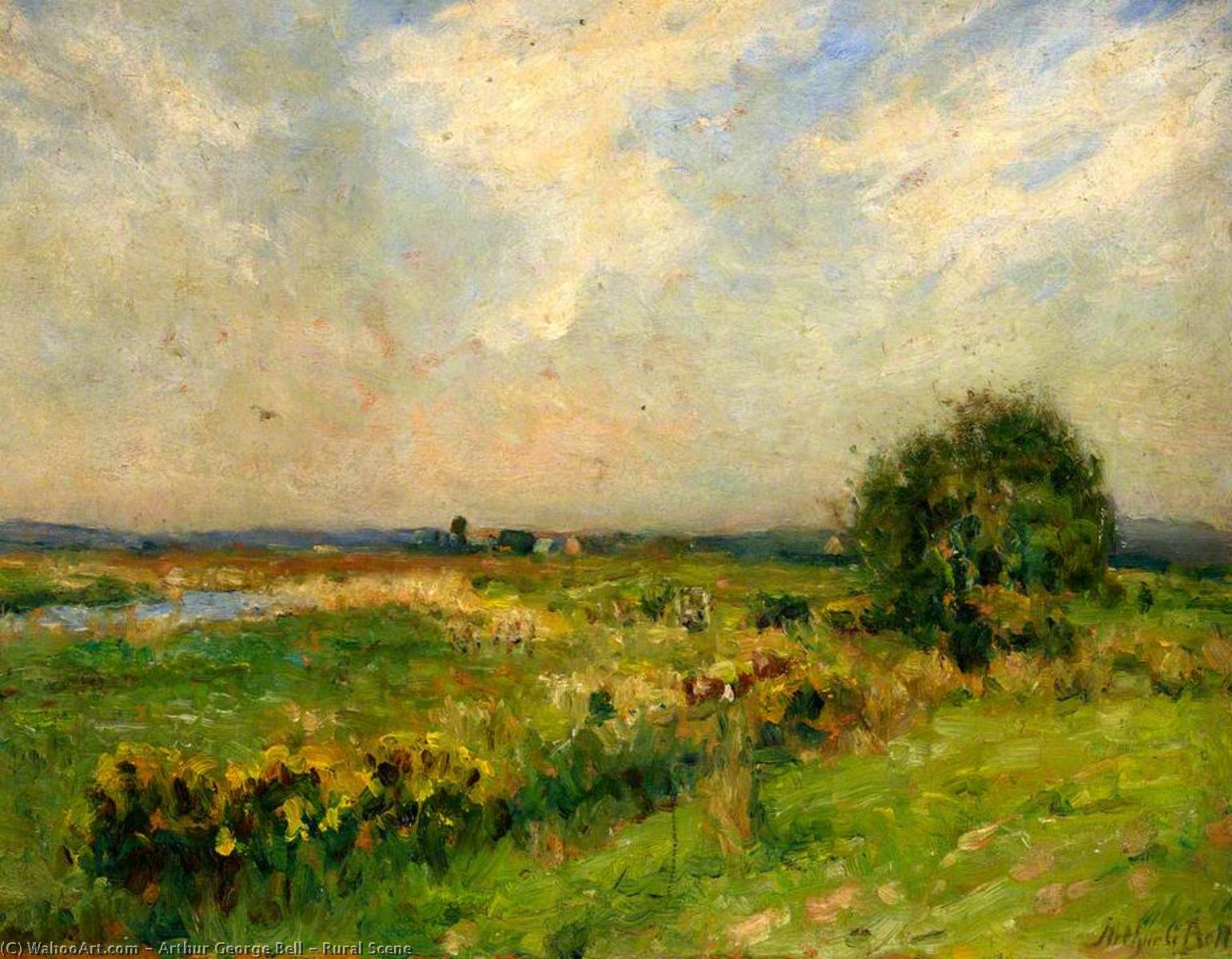
统计数据Rural Scene
 25.0 x 46.0 cm
Discover Arthur George Bell's captivating landscapes & rural scenes. Explore his nature-inspired artworks, from woodland rivers to autumnal vistas.
 阅读全文
阅读全文
手工油画复制品
由我们的艺术家按需定制,为您提供您所选尺寸及画框的布面手工油画。 ( 切换至版画销售渠道 切换至数字图像销售渠道)




































标准尺寸
定制
CM
INCH
您可以从与原作比例一致的预设尺寸中进行选择。
Loading sizes...

宽度
高度
请输入您需要的宽度和高度,以适配您的画框或墙面。由于作品为手工绘制,若您选择不同的尺寸比例,艺术家可能会在画面边缘多画一些或稍作裁剪 —— 由您决定。在开始绘画之前,我们会为您发送一份数字效果图供您确认。本页面上展示的图片并非最终实物 —— 只有效果图才能反映真实结果。
可定制示例:将面部替换为客户照片;添加宠物(例如,将猫替换为狗);在背景中加入隐藏信息;更改背景风景或元素。
下单后,TopImpressionists.com 团队将通过电子邮件联系客户获取具体要求,并提供效果预览图
下单后,TopImpressionists.com 团队将通过电子邮件联系客户获取具体要求,并提供效果预览图


 玻璃选项仅适用于110厘米以下的尺寸。

Rural Scene
复制品材质
复刻品尺寸说明
-


总计金额
¥ 1806
相关艺术品


艺术家简介
The Soul of the Dorset Landscape
Arthur George Bell stands as a singular figure in British landscape painting, a chronicler of the Dorset countryside and its rhythms whose canvases capture not merely visual beauty but also the very spirit of rural life at the turn of the century. Born around 1867 into a family of farmers in Dorset, England, Bell possessed an innate connection to the land that would profoundly shape his artistic vision. His heritage provided him with a deep-seated understanding of the seasonal shifts and the quiet labor of the countryside, allowing him to transform ordinary scenery into evocative depictions that resonate with both emotion and memory. While he may have been overshadowed by more celebrated contemporaries during his lifetime, his meticulous observation and deeply felt connection to his surroundings cemented his reputation as one of Dorset's foremost artists.
The development of Bell’s distinctive style was significantly shaped by his formal training at the prestigious Slade School of Fine Art in London during the late 19th and early 20th centuries. It was here that he encountered the transformative power of Impressionism, absorbing the techniques of masters such as Claude Monet and Pierre-Auguste Renoir. This exposure proved pivotal, steering him away from rigid academic traditions that favored studio-bound renderings toward the practice of plein air painting. By prioritizing direct observation, Bell learned to capture the fleeting moments of light, atmosphere, and texture that define a landscape. His work became a study in the ephemeral, seeking to document the silvery sheen of rain-swept meadows and the golden, heavy hues of autumn foliage with a painterly sensitivity.
Technique and Atmospheric Vision
Bell’s artistry is characterized by a masterful command of light and a meticulous attention to detail achieved through painstaking brushstrokes. He did not merely document the geography of his home; he sought to convey its very essence—the dampness of peat bogs, the ruggedness of the coastline, and the serene stillness of meandering rivers. His approach allowed him to breathe life into his subjects, making the viewer feel the weight of the air and the temperature of the sun. Whether depicting a wide, sweeping vista or a focused, intimate corner of a woodland, Bell utilized an Impressionistic palette to evoke specific moods, ranging from the romantic tranquility of a river scene to the industrious charm of rural labor.
His repertoire of subjects often centered on the recurring motifs of the Dorset landscape, including:
- The Rugged Coastline: Capturing the powerful interaction between sea and shore.
- Pastoral Serenity: Depicting rolling hills dotted with sheep farms and peaceful meadows.
- Seasonal Transitions: Illustrating the dramatic shifts from the lushness of summer to the melancholic beauty of autumn.
- Rural Industry: Documenting the rhythmic, traditional activities of country life, such as the digging and drying of peat.
Legacy and Historical Significance
The historical significance of Arthur George Bell lies in his ability to preserve a vanishing way of life through his art. As the turn of the century brought rapid industrialization and social change to England, Bell’s work serves as a vital visual record of the traditional Dorset landscape and its rhythms. His paintings are more than mere landscapes; they are nostalgic windows into a period where the connection between humanity and the earth felt profoundly intimate. Through his dedication to capturing the "soul" of his region, he created a body of work that continues to offer solace and beauty to collectors and scholars alike.
Today, Bell’s legacy is found in the enduring emotional resonance of his canvases. His ability to blend the technical precision of his training with the raw, unadorned beauty of his native soil ensures that his contribution to British landscape painting remains a cherished chapter in the history of art. He remains an artist whose work invites us to slow down, to observe the subtle shifts in light, and to appreciate the quiet majesty of the natural world.

快速概览
- Full Name: Arthur George Bell
- Nationality: British
- Place Of Birth: Dorset
- Notable Artworks: ['The River Wey']
- Artistic Movement Or Style: Rural landscapes
- Artists Who Influenced This Artist: ['John Constable']
- Artists Or Movements Influenced By This Artist: ['Romanticism']