


 实景预览
实景预览
 发送
发送 分享
分享
 详情
详情 指南
指南

 下载图片
下载图片
 相似作品
相似作品 X射线
X射线 幻灯片播放
幻灯片播放 统计数据
统计数据Couple on the Forest Track
 Oil On Canvas
- WallArt
- Expressionism
 1913
1913- 19th Century
 61.0 x 81.0 cm
 Lehmbruck Museum
Explore August Macke’s ‘Couple on the Forest Track’ – a vibrant Expressionist oil painting capturing mystery & quietude. Discover its layered style, loose brushwork & evocative symbolism.
 阅读全文
阅读全文
奥古斯特·马克 (August Macke) 是德国表现主义的关键人物,以其鲜艳的色彩和对现代生活的独特描绘而闻名。他深受野兽派和俄耳甫斯主义的影响,作品充满活力与情感。作为“蓝色骑士”的重要成员,他的风景画和城市生活场景至今令人赞叹。
手工油画复制品
由我们的艺术家按需定制,为您提供您所选尺寸及画框的布面手工油画。 ( 切换至版画销售渠道 切换至数字图像销售渠道)




P118B ¥10

P118H ¥10

P118W ¥10

P438Z ¥10

P508JH ¥12

P508YH ¥12

P805H ¥10

P805Z ¥10

P919BZ ¥10

P919G ¥10

P919XJ ¥10

P959ZH ¥10

P968JZ ¥12

W106C ¥8

W218G ¥10

W218JH ¥8

W218Y ¥10

W307PJ ¥10

W316G ¥10

W316PJ ¥8

W316Y ¥10

W398PJ ¥8

W4111J ¥10

W500HY ¥15

W500JH ¥15

W692G ¥12

W849H ¥8

W940BG ¥15

W953PJ ¥8




标准尺寸
定制
CM
INCH
您可以从与原作比例一致的预设尺寸中进行选择。
Loading sizes...

宽度
高度
请输入您需要的宽度和高度,以适配您的画框或墙面。由于作品为手工绘制,若您选择不同的尺寸比例,艺术家可能会在画面边缘多画一些或稍作裁剪 —— 由您决定。在开始绘画之前,我们会为您发送一份数字效果图供您确认。本页面上展示的图片并非最终实物 —— 只有效果图才能反映真实结果。
可定制示例:将面部替换为客户照片;添加宠物(例如,将猫替换为狗);在背景中加入隐藏信息;更改背景风景或元素。
下单后,TopImpressionists.com 团队将通过电子邮件联系客户获取具体要求,并提供效果预览图
下单后,TopImpressionists.com 团队将通过电子邮件联系客户获取具体要求,并提供效果预览图


 玻璃选项仅适用于110厘米以下的尺寸。

Couple on the Forest Track
复制品材质
复刻品尺寸说明
-


总计金额
¥ 1976
August Macke’s ‘Couple on the Forest Track’: A Moment of Contemplation in a Tumultuous Era
“Couple on the Forest Track,” painted in 1913 by August Macke, is more than just a depiction of two women amidst a woodland scene; it's a poignant encapsulation of the anxieties and aspirations simmering beneath the surface of early 20th-century Europe. Created during a period of immense social and political upheaval – a mere year before the outbreak of World War I – the painting speaks to a yearning for tranquility, observation, and perhaps even escape, rendered with Macke’s signature expressive brushwork and vibrant color palette. Measuring 61 x 81 cm, this intimate canvas invites viewers into a world where the natural beauty of the forest is intertwined with a subtle sense of unease.
A Symphony of Color and Broken Brushstrokes
Macke’s artistic journey was one defined by a restless pursuit of innovation. Initially influenced by Impressionism and Post-Impressionism, particularly the work of Gauguin and Van Gogh, he quickly developed his own distinctive style – a bold synthesis that would later be recognized as a key element in the burgeoning movement of German Expressionism. “Couple on the Forest Track” exemplifies this approach perfectly. The painting’s technique is characterized by broken color, applied with loose, gestural brushstrokes to build form and atmosphere. This deliberate fragmentation of pigment creates a shimmering effect, particularly noticeable in the dappled light filtering through the trees, contributing significantly to the work's textural richness. The artist skillfully employs pointillistic techniques, layering small dots of color to achieve depth and luminosity – a technique that adds to the painting’s dynamic energy.
Subject and Symbolism: Lost in the Woods
The central figures—two women in striking red hats—are placed towards the right side of the composition, drawing the viewer's eye into the depths of the forest. Their posture suggests a moment of quiet contemplation, perhaps an observation of something beyond the immediate view. The ambiguity surrounding their activity – are they simply enjoying the scenery, or are they engaged in a deeper, more significant encounter? – adds to the painting’s enigmatic quality. The dense, stylized trees themselves become symbolic representations of the unknown, mirroring the uncertainties and anxieties that permeated European society at the time. The forest, traditionally associated with mystery and introspection, becomes a space for both solace and potential danger.
Historical Context and Emotional Resonance
Painted in 1913, “Couple on the Forest Track” is inextricably linked to the historical context of its creation. Germany was experiencing rapid industrialization, social unrest, and a growing sense of nationalistic fervor – all factors that contributed to the volatile atmosphere leading up to World War I. Macke’s work reflects this tension, capturing a fleeting moment of serenity amidst a period of impending doom. The painting's emotional impact is profound; it evokes a feeling of quietude punctuated by an underlying current of unease, mirroring the anxieties felt by many Europeans on the cusp of war. Macke’s use of color and form isn’t merely aesthetic; it’s a deeply expressive response to the world around him.
Material and Technique Details
- Artist: August Macke
- Year: 1913
- Medium: Oil on Canvas
- Size: 61 x 81 cm
- Style: Post-Impressionism, Expressionism (proto)
- Technique: Broken Color, Pointillistic Elements, Loose Brushwork
问答详情
奥古斯特·马克 (Àogùsītè·Mǎkè) 的《Couple on the Forest Track》 是如何将 Expressionism 与艺术家的祖籍国联系在一起的?
通过创作者的出生地,《Couple on the Forest Track》将Expressionism运动与德国紧密联系在了一起。
奥古斯特·马克 (Àogùsītè·Mǎkè) 的《Couple on the Forest Track》 使用的是什么媒介?
奥古斯特·马克 (Àogùsītè·Mǎkè) 在作品《Couple on the Forest Track》中运用了 Oil On Canvas 技法。该技法界定了原作的材质特性。
奥古斯特·马克 (Àogùsītè·Mǎkè) 的《Couple on the Forest Track》 的画面方向是怎样的?
奥古斯特·马克 (Àogùsītè·Mǎkè) 的《Couple on the Forest Track》 是一幅 Portrait 构图的作品。在选择打印尺寸之前,建议先确认其比例。
艺术家简介
奧古斯特·馬克:短暫而絢麗的德國表現主義人生
奧古斯特·羅伯特·路德維希·馬克,一個與德國表現主義運動輝煌卻又短暫的發展同義的名字,其一生被第一次世界大戰無情地縮短。1887年出生於西法利亞州的梅謝德,他的藝術之旅充滿了快速的演變和熱情的探索,體現出對新風格的永不滿足的好奇心以及捕捉現代體驗本質的深刻渴望。馬克的早期生活隨著家庭搬遷到波恩,他在那裡接受了最初的教育並開始培養他日益增長的才華。儘管從1904年至1906年在杜塞爾多夫藝術學院接受過阿道夫·梅內肯的正规訓練,但通過獨立學習和旅行,他的藝術聲音才真正嶄露頭角。這些 formative years 的特點是對印象派和後印象派技巧的吸收,為之後更大膽的表達奠定了基礎。他通過舞台設計工作來補充收入,磨練了他的構圖技能並發展出敏銳的色彩感。影響與藝術發展
馬克的藝術軌跡深受20世紀初關鍵人物和運動的深刻影響。1912年在巴黎是一個重要的轉折點,在那裡他遇到了羅伯特·德洛內,他是野獸派的一個重要倡導者——一種專注於純粹抽象和鮮豔色彩和諧的立體主義分支。這次相遇證明是變革性的,向馬克介紹了同時對比的概念,並影響他的作品朝著更具動態性和非代表性方向發展。他開始嘗試破碎的色彩平面和抽象形式,試圖傳達的不僅是他所見之物,而是他*感受*到的事物。與此同時,他與弗朗茨·馬克的親密友誼——另一位藝術家和有影響力的“藍騎士”(Der Blaue Reiter)團體成員——使他進入了瓦西里·康定斯基和其他先鋒思想家的軌道。雖然馬克的風格與康定斯基更純粹的抽象探索有所不同,但他擁抱了該團體的藝術自由和精神探究的精神。他的繪畫開始反映出對描繪景觀和日常生活的emotional resonance日益增長的興趣,並帶有喜悅和樂觀的情緒。藍騎士與超越:獨特的表現主義願景
作為“藍騎士”團體的不可或缺的成員,馬克為該團體的展覽和出版物做出了重大貢獻,幫助傳播了其關於藝術和靈性的激進思想。然而,他並非僅僅是一個追隨者;他在運動中開闢了自己的獨特道路。與一些傾向於更黑暗、更焦慮主題的同事不同,馬克始終致力於描繪周圍世界的美麗和諧。他的畫作,例如Bathing Girls with Town in the Background,完美地體現了這種方法——鮮豔的色彩、簡化的形式以及一種田園詩般的寧靜氛圍是其作品的特徵。他巧妙地將野獸派、立體主義和未來主義元素融合到獨特的個人風格中,創造出既視覺上引人注目又具有情感共鳴的作品。Woman in a Green Jacket,於1913年完成,是另一個很好的例子——這幅肖像通過其大膽的調色板和自信的筆觸散發著溫暖和活力。他後期的作品,例如Türkisches Café,展示了他對光影遊戲的精湛掌握,以非凡的敏感性捕捉光影效果。悲慘結局與持久遺產
第一次世界大戰的爆發突然而毀滅性地結束了馬克有前途的職業生涯。受到愛國熱情的驅使,他於1914年自願參軍。不幸的是,幾週後,在法國香檳地區的前線陣亡,年僅27歲。他的最後一幅畫作Farewell,深刻地捕捉了歐洲大陸籠罩在一片陰影下的沉重氣氛。儘管他的一生是如此短暫,奧古斯特·馬克仍然留下了一系列引人入勝和鼓舞人心的作品。他仍然是表現主義歷史上的一個重要人物,以其鮮豔的色彩、動態的構圖和樂觀的願景而聞名。他的畫作讓我們得以一窺處於變革邊緣的世界,在日益增長的uncertainty中充滿了美麗和希望。探索馬克的當代世界
今天,奧古斯特·馬克的作品被世界各地著名的收藏機構所珍藏,包括慕尼黑現代藝術國家畫廊、科隆路德維希博物館和蘇黎世 Kunsthaus Zürich。許多專門介紹表現主義的博物館都突出展示了他的畫作,為遊客提供了親身體驗他藝術力量的機會。西法利亞州立博物館明斯特和波恩藝術博物館尤其值得關注,因為它們收藏了大量馬克的作品。他的影響可以在當代藝術家對色彩和情感的不斷探索中看到。對於那些希望更深入地了解他的世界的人們,Artnet 和 Wikipedia 等資源提供了寶貴的傳記信息以及關於他藝術發展的見解。通過 TopImpressionists 等在線數據庫探索他的畫作,可以更仔細地研究他的技巧和主題,揭示這位非凡藝術家持久魅力的原因——儘管他的一生被悲慘地縮短了,但他的遺產仍然熠熠生輝。
奥古斯特·马克 (Àogùsītè·Mǎkè)
1887 - 1914 , 德国
快速概览
- Artistic Movement Or Style: 表现主义
- Artists Or Movements Influenced By This Artist: ['蓝色骑士']
- Artists Who Influenced This Artist:
- 罗伯特·德洛内
- 弗朗茨·马尔克
- Date Of Birth: 1887年1月3日
- Date Of Death: 1914年9月26日
- Full Name: 奥古斯特·罗伯特·路德维希·马克
- Nationality: 德国国籍
- Notable Artworks (List Of Titles):
- 绿衣女子
- 沐浴女童与城镇
- 土耳其咖啡馆
- 花园门
- 牛群风景
- Place Of Birth (City And Country): 德国梅谢德
相关文章
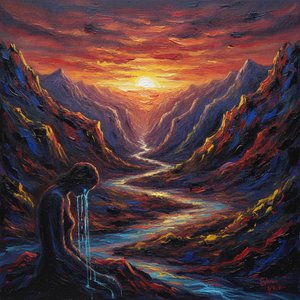
Capturing Emotion: A Journey Through the Soul of Expressionist Landscapes
Explore the profound emotional depth of Expressionist landscapes. Discover how Post-Impressionist masters moved beyond light to capture the soul through vibrant color and form. A curated journey for true art lovers seeking the beauty of expressive mastery.
探索按主题、风格和特征分类的艺术作品。


