


 效果预览
效果预览
 分享
分享 分享
分享
 详情
详情 指南
指南

 下载
下载
 相似作品
相似作品 X射线
X射线 幻灯片播放
幻灯片播放 统计数据
统计数据Virgin and Child in Glory
 Acrylic On Canvas
- WallArt
- Spanish Baroque
 1673
1673 1690.0 x 2360.0 cm
 Walker Art Gallery
Experience the serene beauty of Murillo's 'Virgin and Child in Glory,' a masterpiece depicting Mary cradling Jesus amidst angelic figures—a pivotal piece reflecting Baroque artistry and beloved by English collectors.
 展开详情
展开详情
巴托洛梅·埃斯特班·穆里略(1618-1682)是西班牙巴洛克时期著名的画家,以其光辉的宗教场景、温柔的风俗画和对塞维利亚日常生活的理想化描绘而闻名。他的作品充满温暖与情感,对后世艺术产生了深远影响。
手工油画复制品
由我们的艺术家按需定制,为您提供您所选尺寸及画框的布面手工油画。 ( 切换至版画销售渠道 切换至数字图像销售渠道)




P118B $10

P118H $10

P118W $10

P438Z $10

P508JH $12

P508YH $12

P805H $10

P805Z $10

P919BZ $10

P919G $10

P919XJ $10

P959ZH $10

P968JZ $12

W106C $8

W218G $10

W218JH $8

W218Y $10

W307PJ $10

W316G $10

W316PJ $8

W316Y $10

W398PJ $8

W4111J $10

W500HY $15

W500JH $15

W692G $12

W849H $8

W940BG $15

W953PJ $8




标准尺寸
定制
CM
INCH
从与原作比例一致的预设尺寸中进行选择。
Loading sizes...

宽度
高度
您可以输入自定义尺寸,以适配特定的画框或空间。如果所选尺寸与原图比例不符,我们将通过裁剪作品或添加手绘元素来扩展画面。数字样稿将在制作开始前发送给您确认。
请注意,屏幕预览无法准确反映实际的裁剪或扩展效果,只有样稿才能真实呈现最终的构图。
虽然我们提供定制尺寸服务,但为了保留原作比例,建议您从预设列表中选择尺寸。
可定制示例:将面部替换为客户照片;添加宠物(例如,将猫替换为狗);在背景中加入隐藏信息;更改背景风景或元素。
下单后,TopImpressionists.com 团队将通过电子邮件联系客户获取具体要求,并提供效果预览图。
下单后,TopImpressionists.com 团队将通过电子邮件联系客户获取具体要求,并提供效果预览图。


 玻璃选项仅适用于110厘米以下的尺寸。

Virgin and Child in Glory
复制材质
复制品尺寸
-


最终总价
$ 269
A Vision Illuminated: Murillo’s Virgin and Child
Bartolomé Esteban Murillo's “Virgin and Child in Glory,” completed in 1673, stands as a cornerstone of Baroque art—a testament to Seville’s artistic prowess during its zenith. More than merely depicting religious iconography, the painting embodies a profound spiritual contemplation, capturing the essence of Andalusian piety and foreshadowing stylistic developments that would resonate throughout Europe.
- Subject Matter: The artwork portrays Mary cradling Jesus Christ in her arms, an image deeply rooted in Christian tradition representing purity, compassion, and divine grace.
- Style & Technique: Murillo’s signature style is characterized by its serene stillness and luminous palette—a deliberate departure from the dramatic chiaroscuro favored by Caravaggio. He employs a soft, diffused light that bathes the figures in an ethereal glow, creating an atmosphere of tranquility and reverence.
- Material & Medium: Executed primarily in oil paint on canvas, Murillo utilized meticulous layering techniques to achieve remarkable textural detail—particularly evident in the drapery folds and the delicate features of the Virgin Mary and Child Jesus.
Historical Context: Seville’s Artistic Renaissance
The painting emerged during a period of significant cultural transformation in Spain, fueled by papal patronage and burgeoning mercantile activity. Seville, as the wealthiest port city in Europe, served as a crucible for artistic innovation—drawing inspiration from Italian Baroque masters while maintaining its own distinctive Andalusian sensibility. Murillo’s work reflects this dynamic interplay between tradition and experimentation.
- Religious Influence: The Habsburg monarchy actively promoted Catholicism throughout its dominions, commissioning monumental artworks intended to inspire piety and reinforce royal authority.
- Patronage & Commission: “Virgin and Child in Glory” was commissioned for the Archbishop of Seville’s palace chapel—a prestigious honor that underscored Murillo's reputation as one of Spain’s foremost artists.
Symbolism & Emotional Resonance
Beyond its formal beauty, the painting is laden with symbolic significance. The Virgin Mary’s posture exudes maternal tenderness and unwavering devotion—a visual embodiment of Christian virtues. The cherubs flanking the figures convey angelic guardianship and symbolize divine grace. Murillo skillfully captures not only the outward appearance but also the inner emotional state of his subjects, conveying a sense of profound serenity and spiritual contemplation.
- Light & Shadow: Murillo’s masterful use of light—particularly the subtle luminescence emanating from the left-hand corner—creates an illusionistic depth that draws viewers into the scene.
- Color Palette: Predominantly shades of brown, red, and gold contribute to the painting's aged patina—suggesting a timeless quality and evoking associations with royal splendor and spiritual devotion.
Legacy & Influence
"Virgin and Child in Glory" profoundly impacted subsequent artistic movements—anticipating the stylistic refinements of Rococo art and establishing Murillo as an enduring icon of Baroque idealism. Its serene beauty continues to inspire collectors and interior designers alike, offering a glimpse into the spiritual heart of seventeenth-century Spain.
艺术家简介
安达卢西亚光辉中的一生
巴托洛梅·埃斯特班·穆里略,一个与西班牙巴洛克绘画黄金时代同义的名字,诞生于1618年的充满活力的塞维利亚。他的一生虽然充满了个人悲剧和社会变革,却绽放出艺术生涯的光芒,捕捉了那个时代的精神——一个宗教狂热、社会变迁和新兴的艺术创新的时期。穆里略出生于加斯帕尔·埃斯特班(一位理发师-外科医生)和玛丽亚·佩雷斯·穆里略之间,在一个拥有十四个孩子的大家庭中长大。年幼的他经历了双亲相继去世的磨难,这导致他进入了姐姐丈夫胡安·阿古斯丁·拉加雷斯的监护之下,这位关键人物间接指引了他的艺术道路。穆里略最初在胡安·德尔·卡斯蒂略(一位当地艺术家,也是通过他的母亲与他有亲属关系)的指导下接受训练,为他后来独特的风格奠定了基础。早年岁月沉浸在塞维利亚盛行的现实主义传统中,吸收了苏巴兰、里贝拉和卡诺等大师的影响——这些艺术家优先考虑强烈的现实主义和戏剧性强度。然而,穆里略的天才并不在于简单的模仿,而在于将这些基础转化为更柔和、更明亮和深刻人性的东西。从现实主义到辉煌的优雅
穆里略的艺术之旅并非一蹴而就的名声,而是由不同的阶段标志着一种进化。他早期的作品受到同时代朴素现实主义的影响,展示了细致入微的细节和沉闷的调色板。《水果篮中的年轻人(夏季人格化)》,创作于1640-50年左右,是这一时期的典范——对日常生活的真实描绘,以非凡的精确度呈现。然而,即使在这些早期的作品中,定义他成熟风格的温柔和情感深度也开始显现。《年轻乞丐》创作于约1645年,展现了对人类苦难日益增长的敏感性,呼应了委拉斯开兹对普通人精湛的描绘。随着穆里略的成熟,他的风格经历了显著的转变。他远离了前人的强烈现实主义,拥抱了一种更加精致和完善的美学,与塞维利亚新兴资产阶级和贵族阶层的品味产生共鸣。这种转变在他的宗教作品中尤为明显,他在传统的图像符号中注入了前所未有的温暖、优雅和情感可及性。《圣杰罗姆》创作于1650-52年之间,是这一成熟风格的证明——一种柔和而明亮的描绘,散发出宁静和虔诚。宗教情感和风俗画大师
穆里略的艺术作品非常多样化,包括宗教绘画、风俗画、肖像画和神话主题。然而,他最受赞誉的是对无玷圣母的描绘——这个主题贯穿了他整个职业生涯,并产生了无数的变化,每一个都注入了独特的空灵之美。这些作品以其精致的笔触、明亮的色彩和优雅的构图为特征,变得非常受欢迎,并将穆里略确立为西班牙首屈一指的宗教绘画大师。除了他的神圣主题外,穆里略还擅长捕捉普通人的日常生活。他的风俗画——对花女、街头流浪儿和乞丐的描绘——提供了对17世纪塞维利亚社会现实的深刻一瞥。这些画作不仅仅是观察研究;它们充满了深深的同情和怜悯,将谦卑的主题提升到尊严和优雅的水平。他拥有捕捉童年天真无邪的非凡能力,以非凡的真实感和温柔描绘年轻的孩子。遗产与持久的影响
巴托洛梅·埃斯特班·穆里略对西班牙艺术进程乃至欧洲绘画的影响是不可否认的。他确立了一种独特的风格,将宗教虔诚与人文主义情感相结合,创作出在不同社会阶层中引起深刻共鸣的作品。他的影响远远超出了他的祖国西班牙,激励了整个欧洲几代艺术家。盖恩斯伯勒和格雷兹等人承认他们欠穆里略明亮的风格和对人类情感的敏感描绘。他在塞维利亚的工作室培养了许多学生,确保了他的艺术遗产得以延续。他的画作可以在世界各地著名的博物馆中找到,包括马德里的普拉多博物馆、圣彼得堡冬宫、伦敦华莱士收藏馆以及圣地亚哥提姆肯艺术博物馆——这些都是对他持久吸引力和历史意义的证明。穆里略的艺术继续以其美丽、优雅和深刻的人性魅力吸引着观众,巩固了他作为西班牙巴洛克时期最受喜爱和最具影响力的画家之一的地位。他将情感深度注入宗教图像并以同情心描绘日常生活的的能力确保了他的作品在去世后的几个世纪里仍然具有相关性和启发性。
穆里略 (Mùlǐliǎo)
1618 - 1682 , 西班牙
艺术家简介
- 代表作品:
- 圣母无染原罪
- 年轻乞丐
- 圣耶柔米
- 出生地: 西班牙塞维利亚
- 出生日期: 1618年1月1日
- 受穆里略影响的艺术家:
- 盖恩斯伯勒
- 格雷兹
- 国籍: 西班牙
- 姓名: 巴托洛梅·埃斯特班·穆里略
- 影响穆里略的艺术家:
- 苏尔巴兰
- 利贝拉
- 艺术运动或风格: 巴洛克绘画
- 逝世日期: 1682年4月3日
相关文章
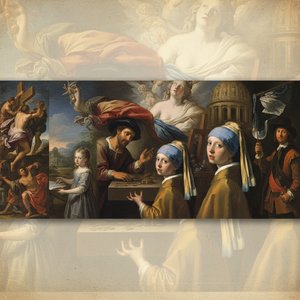
巴洛克艺术巅峰:十部巨作定义时代,点亮您的臻品格调
探索巴洛克艺术的辉煌!本文精选十部巨作,带您领略卡拉瓦乔、伦勃朗等大师的光影魔法与戏剧张力。从黄金时代到宗教绘画,感受奢华与精致。TopImpressionists.com为您提供博物馆品质的艺术复制品和家居装饰灵感。尽在TopImpressionists.com!

Bartolomé Esteban Murillo: Divine Light & Social Commentary in Golden Age Seville
Explore the captivating world of Bartolomé Esteban Murillo, a master of Spanish Baroque painting. Discover his luminous religious scenes, tender genre paintings & lasting legacy in Golden Age Seville. Learn more at TopImpressionists.

巴洛克戏剧性:将辉煌与情感融入当代室内设计
探索巴洛克艺术的辉煌与奢华!TopImpressionists提供精湛的手工油画复制、定制服务和专业艺术咨询,助您将经典作品融入当代室内设计,提升家居品味。投资艺术,传承价值。

巴洛克艺术的戏剧性辉煌:历史背景、风格特征与持久影响
深入探索巴洛克艺术的辉煌历史、独特风格与持久影响。了解卡拉瓦乔、贝尼尼等大师的作品,洞悉反宗教改革运动下的艺术变革。TopImpressionists.com为您提供专业的艺术解读与高清画作欣赏。

The Visceral Stage: Exploring Dramatic Narratives & Emotional Intensity in Baroque Art
Explore the dramatic world of Baroque art! Discover iconic masters like Caravaggio & Rembrandt, their techniques, and the movement's lasting impact. Expert insights for collectors & enthusiasts at TopImpressionists.