

 实景预览
实景预览
 分享
分享 分享
分享
 详情
详情 指南
指南

 下载作品
下载作品
 相似作品
相似作品 X射线
X射线 幻灯片播放
幻灯片播放 问答
问答 统计数据
统计数据Polyptych

- 132.0 x 41.0 cm


A stunning Renaissance polyptych by Bartolomeo Vivarini featuring rich gold and blue tones with sacred figures that brings the divine beauty of 1464 Venice into your collection.
 展开全文
展开全文
A master of the Venetian Renaissance known for his luminous tempera works like the Madonna and Child, Bartolomeo Vivarini blended Byzantine tradition with new oil techniques to create a legacy waiting to be rediscovered.
艺术微喷/版画
博物馆级艺术微喷或帆布版画,制作高效,并提供多种饰面选择。 ( 订购纯手工绘制画作 切换至数字图像销售渠道)




P118B ¥10

P118H ¥10

P118W ¥10

P438Z ¥10

P508JH ¥12

P508YH ¥12

P805H ¥10

P805Z ¥10

P919BZ ¥10

P919G ¥10

P919XJ ¥10

P959ZH ¥10

P968JZ ¥12

W106C ¥8

W218G ¥10

W218JH ¥8

W218Y ¥10

W307PJ ¥10

W316G ¥10

W316PJ ¥8

W316Y ¥10

W398PJ ¥8

W4111J ¥10

W500HY ¥15

W500JH ¥15

W692G ¥12

W849H ¥8

W940BG ¥15

W953PJ ¥8




标准尺寸
定制
CM
INCH
您可以从与原作比例一致的预设尺寸中进行选择。
Loading sizes...

宽度
高度
请输入您所需的宽度和高度,以适配您的画框或墙面。由于印刷品只能进行裁剪,无法超出原图尺寸,因此若比例不一致,画面的一部分将会被裁切。在正式印刷之前,我们会为您发送一份数字效果图供您确认。本页面显示的图片并非最终裁剪后的效果——只有效果图才能展示真实的裁剪情况。


 玻璃选项仅适用于110厘米以下的尺寸。

Polyptych
艺术微喷/版画
复刻品尺寸
-


最终结算价
¥ 469
A Divine Assemblage: The Splendor of Vivarini’s Polyptych
In the heart of the Venetian Renaissance, where the light of the lagoons meets the profound devotion of the era, Bartolomeo Vivarini crafted a masterpiece of spiritual storytelling. His Polyptych, completed in 1464, is not merely a painting but a sacred window into the late Gothic and early Renaissance soul. This exquisite tempera on panel work, measuring an intimate yet commanding 132 x 41 cm, serves as a breathtaking testament to the artist's ability to weave together human emotion and divine iconography. As one gazes upon these five interconnected panels, they are transported to an era where art served as the primary bridge between the earthly realm and the heavens.
The composition is a rhythmic dance of figures, structured with the architectural grace typical of the period. At its heart sits the Virgin Mary, cradling the Christ Child upon a throne, her presence radiating a maternal tenderness that anchors the entire work. Surrounding this central miracle are four saints, each meticulously rendered to evoke their unique sanctity. From the scholarly gravity of the bearded figures holding sacred manuscripts to the youthful, haloed innocence of the surrounding saints, Vivarini utilizes a sophisticated use of perspective and human anatomy to breathe life into the divine. The golden backgrounds do more than just signify holiness; they create an eternal, unshakeable space that transcends time, reflecting the light in a way that would have mesmerized 15th-century worshippers.
Technique and the Radiance of Color
To behold this Polyptych is to witness the mastery of tempera technique. Vivarini’s hand is evident in the delicate transitions of skin tones and the heavy, sculptural folds of the garments. The artist employs a rich, saturated palette where deep blues and regal golds dominate, creating a visual hierarchy that guides the eye through the narrative. The interplay between the dark, somber robes of the male figures and the vibrant pinks and yellows of others creates a chromatic tension that is both harmonious and stimulating. This careful balance of color ensures that each panel retains its individual identity while contributing to a unified, symphonic whole.
For the discerning collector or interior designer, this work offers an unparalleled opportunity to introduce a sense of historical weight and classical elegance into a space. The intricate details—the fine lines of a beard, the subtle glow of a halo, the texture of a manuscript—provide endless points of visual interest. A high-quality reproduction of this piece does more than decorate a wall; it anchors a room with a sense of permanence and cultural depth. Whether placed in a quiet study or as a focal point in a grand hall, the Polyptych invites contemplation, offering a serene yet powerful presence that resonates with the timeless beauty of the Italian Renaissance.
常见问题与解答
Renaissance 流派的作品 "Polyptych" 源自哪个国家?
《Polyptych》由出生于 意大利 的 巴托洛梅奥·维瓦里尼 在 Renaissance 运动背景下创作而成。艺术家的原籍地使这部作品与 意大利 艺术家所实践的 Renaissance 风格紧密相连。
哪里可以找到与 巴托洛梅奥·维瓦里尼 的《Polyptych》 风格相似的艺术品?
巴托洛梅奥·维瓦里尼 的《Polyptych》 的 相似作品 页面展示了相关艺术作品。
“Polyptych”采用了什么技法制作?
巴托洛梅奥·维瓦里尼 的《Polyptych》 的媒介为 Tempera On Panel。复制品旨在呈现该技法的视觉效果。
相关文章

Slate Blue Masterpieces: 10 Iconic Paintings & Timeless Home Decor Ideas
Immerse yourself in the captivating world of slate blue! Explore 10 iconic paintings by Monet, Van Gogh & Renoir. Discover their stories, techniques & find museum-quality art reproductions for your home at .

Earthy Hues & Masterpieces: Top 10 Paintings with 'Mushroom' Tones |
Explore 10 iconic paintings with captivating 'mushroom' tones! Discover Van Gogh, Monet & Rembrandt’s masterpieces—earthy palettes, rich history & artistic techniques. Find museum-quality art reproductions and curated decor ideas at

Golden Glow: How to Use Metallic Gold Artworks to Elevate Your Home Decor with Timeless Luxury
Discover how to elevate your home with the timeless elegance of metallic gold artworks. From sculptural metal pieces to gilded oil paintings, learn expert interior design tips for integrating luxurious gold accents into your space with sophistication and grace.
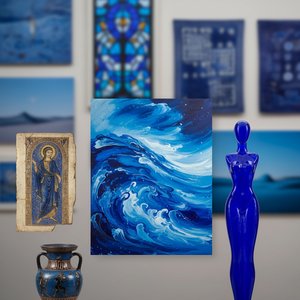
The Allure of Azure: Exploring the Symbolic & Aesthetic Depths of Blue in Art History
Explore the rich history of blue in art! Discover its symbolism, from ancient pigments to modern masterpieces by Kandinsky & Seurat. Uncover the psychological impact and cultural meanings behind this captivating hue.

Gilded Glory: The High-Impact Art of Gold Leaf and Byzantine Masterpieces
Explore the celestial brilliance of Byzantine masterpieces. Discover the sacred alchemy of gold leaf, the spiritual depth of Orthodox icons, and how this high-impact gilded glory continues to inspire awe in fine art history and modern luxury interiors.


