

 实景预览
实景预览
 分享
分享 分享
分享
 详情
详情 指南
指南

 下载作品
下载作品
 相似作品
相似作品 X射线
X射线 幻灯片播放
幻灯片播放 问答
问答 统计数据
统计数据The Harbor at Lorient

- 43.0 x 72.0 cm


 展开全文
展开全文
艺术微喷/版画
博物馆级艺术微喷或帆布版画,制作高效,并提供多种饰面选择。 ( 订购纯手工绘制画作 切换至数字图像销售渠道)




P118B ¥10

P118H ¥10

P118W ¥10

P438Z ¥10

P508JH ¥12

P508YH ¥12

P805H ¥10

P805Z ¥10

P919BZ ¥10

P919G ¥10

P919XJ ¥10

P959ZH ¥10

P968JZ ¥12

W106C ¥8

W218G ¥10

W218JH ¥8

W218Y ¥10

W307PJ ¥10

W316G ¥10

W316PJ ¥8

W316Y ¥10

W398PJ ¥8

W4111J ¥10

W500HY ¥15

W500JH ¥15

W692G ¥12

W849H ¥8

W940BG ¥15

W953PJ ¥8




标准尺寸
定制
CM
INCH
您可以从与原作比例一致的预设尺寸中进行选择。
Loading sizes...

宽度
高度
请输入您所需的宽度和高度,以适配您的画框或墙面。由于印刷品只能进行裁剪,无法超出原图尺寸,因此若比例不一致,画面的一部分将会被裁切。在正式印刷之前,我们会为您发送一份数字效果图供您确认。本页面显示的图片并非最终裁剪后的效果——只有效果图才能展示真实的裁剪情况。


 玻璃选项仅适用于110厘米以下的尺寸。

The Harbor at Lorient
艺术微喷/版画
复刻品尺寸
-


最终结算价
¥ 470
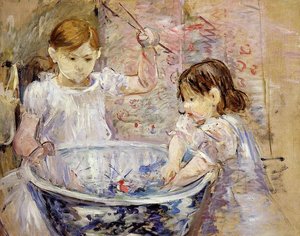
The Serene Harbor at Lorient: A Window into Impressionist Intimacy
Berthe Morisot’s “The Harbor at Lorient,” painted in 1869, isn't merely a depiction of a coastal scene; it’s an intimate glimpse into the heart of the burgeoning Impressionist movement. This captivating work, measuring just 43 x 72 cm, transcends its modest size to offer a profound meditation on light, atmosphere, and the quiet beauty of everyday life – themes that would become hallmarks of Morisot's distinctive artistic voice. The painting resides within the esteemed collection of the National Gallery of Art in Washington D.C., a testament to its enduring significance and artistic merit.
Morisot’s approach diverges subtly from her male contemporaries, particularly Monet and Renoir. While they often focused on capturing fleeting moments of vibrant outdoor activity, Morisot favored a more restrained palette and a delicate handling of paint. Her brushstrokes are remarkably light and airy, almost ephemeral, creating an illusion of shimmering water and diffused sunlight. This technique—a hallmark of Impressionism—allows the eye to wander across the canvas, absorbing the subtle nuances of color and texture. The composition itself is carefully considered; Morisot masterfully employs a shallow perspective, drawing the viewer into the scene as if standing on the harbor’s edge alongside the woman contemplating the boats.
Composition and Narrative
The painting unfolds with a remarkable sense of tranquility. A cluster of small fishing boats – their details softened by the atmospheric haze – drifts across the water, each reflecting the shifting light in unique ways. The arrangement isn't one of dramatic action or bold contrasts; instead, it’s a study in quiet observation. A central figure, a woman standing at the water’s edge, is the focal point, yet she remains largely undefined. Her posture suggests contemplation and a gentle connection to the scene—a silent observer absorbing the beauty around her. This deliberate ambiguity invites viewers to project their own emotions and experiences onto the image, fostering a deeply personal engagement with the artwork.
The inclusion of this woman is crucial to understanding Morisot’s artistic vision. She wasn't simply painting a landscape; she was exploring the relationship between humanity and nature—a recurring theme in her oeuvre. Her presence adds a layer of intimacy, suggesting a moment of private reflection amidst the bustle of harbor life. It’s a subtle yet powerful reminder that even within grand landscapes, there is always room for quiet contemplation and personal connection.
Impressionist Techniques and Light
“The Harbor at Lorient” exemplifies the core tenets of Impressionism. Morisot's use of color is particularly noteworthy—she eschews traditional blending techniques in favor of juxtaposing pure hues to create a vibrant, luminous effect. The light itself isn’t rendered as a fixed entity but rather as a constantly shifting phenomenon, captured through subtle variations in tone and hue. Notice how the reflections on the water shimmer with an almost iridescent quality, demonstrating Morisot's keen eye for capturing the ephemeral effects of sunlight.
The painting’s palette is dominated by soft blues, greens, and greys—colors that evoke a sense of serenity and distance. However, flashes of brighter hues—a touch of red in one boat’s sail, a hint of yellow in the sky—add visual interest and prevent the scene from becoming overly muted. These carefully placed accents serve to heighten the overall impression of light and atmosphere, reinforcing the painting's dreamlike quality.
A Legacy of Intimacy
Berthe Morisot’s “The Harbor at Lorient” stands as a poignant example of her unique artistic perspective—one that privileged intimacy, observation, and the subtle beauty of everyday life. Her work, alongside that of other female Impressionists like Mary Cassatt, challenged conventional notions of what constituted ‘important’ subject matter in art. Today, this painting continues to resonate with viewers who appreciate its delicate beauty, quiet contemplation, and masterful execution. It's a piece that invites us to slow down, observe the world around us, and find moments of serenity amidst the complexities of modern life—a fitting legacy for an artist who captured the essence of Impressionism with remarkable grace and sensitivity.
常见问题与解答
贝特·莫里索 的《The Harbor at Lorient》 是否属于备受追捧的 Impressionist Movement 流派作品之一?
贝特·莫里索 的《The Harbor at Lorient》 被归类为 Recognized,并属于 Impressionist Movement 流派。
贝特·莫里索 的《The Harbor at Lorient》 的创作媒介和创作日期是什么?
"The Harbor at Lorient"创作于1869年,采用了Oil On Canvas技法。材质与日期说明了原作的创作方式及时间。
"The Harbor at Lorient" 营造了怎样的氛围?
贝特·莫里索 的《The Harbor at Lorient》 的整体基调为 Serene,这种基调传达了作品的整体氛围。
相似作品



艺术家简介
光影中的生活:莫里索的艺术人生
贝特·莫里索,1841年生于法国布尔日,是印象派运动中一位至关重要的人物。然而,将她的故事简单定义为“女性印象派画家”是对她深刻原创性的贬低,也忽视了她对现代生活瞬间捕捉的坚定承诺。莫里索出身于一个具有艺术渊源的资产阶级家庭——她是洛可可著名画家让-奥诺雷·弗拉戈纳尔的亲戚——接受了一种在那个时代女性罕见的教育,这种教育培养了她的天赋并促进了她对绘画一生的奉献。早期的乔弗鲁-阿尔方斯·肖卡内和约瑟夫·吉夏德的课程提供了基础技能,但真正点燃她艺术感的是卢浮宫的杰作,临摹老大师的作品。这段严格的训练为她后来的光、色彩和形式探索奠定了基础。让-巴蒂斯特-卡米耶·科罗的影响尤为重要;他对* plein air *绘画的强调——直接从自然中户外工作——成为莫里索方法的基础,使她能够以非凡的敏感性捕捉光与氛围的短暂品质。印象派圈中的探索
莫里索的艺术之旅与爱德华·马奈紧密相连,她在1864年遇到了他。他们的关系建立在相互尊重和智力交流的基础上,马奈既是她的导师又是朋友。他多次画她,将她的形象永远铭刻在他的不断演变的风格中。然而,莫里索不仅仅是一个模特;她积极参与了新兴的印象派运动,与莫奈、德加、雷诺阿和皮萨罗一起成为创始成员。1874年,她大胆地与这群“被拒绝”的艺术家一起参展,挑战了官方沙龙的保守标准。第一次印象派展览标志着艺术史上的一个转折点,挑战了传统的学术惯例并为新的艺术表达方式铺平了道路。莫里索几乎参加了随后的所有印象派展览,始终展示她独特的视角并巩固了她在前卫中的地位。她的作品通常描绘家庭生活的亲密场景——读书的女人、带着孩子的母亲、花园里的悠闲时刻——提供了一种独特的女性视角,挑战了普遍的社会规范并扩展了女性艺术家可接受的主题范围。独特的艺术声音
莫里索与众不同之处不在于她画*什么*,而在于她如何画它。她的笔触以其精致的流动性为特征,轻柔的手法传达了一种自发性和即时性的印象。她巧妙地运用了断色——将纯颜料的小笔触并排涂抹,创造出闪烁的光和氛围效果。与一些专注于壮丽风景或熙攘城市景观的印象派同事不同,莫里索经常选择亲密的室内场景和肖像画,探索人际关系的细微差别以及日常生活的宁静之美。她的调色板通常柔和而和谐,偏爱粉彩和微妙的色彩渐变。这并不是说她的作品缺乏力量;相反,它具有一种精致的优雅和情感深度,即使在今天也能引起观众的共鸣。评论家古斯塔夫·格弗罗认识到这种独特的品质,称她为印象派运动的“三大女性”之一——与玛丽·卡萨特和伯特·雅克一起——承认了她对该运动的重大贡献。遗产与持久影响
贝特·莫里索的生命不幸地在1895年戛然而止,但她的艺术遗产却经久不衰。嫁给爱德华·马奈的兄弟欧仁,她在经常低估女性艺术家的世界中航行,但她坚持不懈。她以全名参展——一种微妙的独立和自我主张行为——并始终挑战传统期望。她的作品继续以其精致的美丽、真挚的情感和创新技巧吸引观众。莫里索的影响超越了印象派领域;她为后代女性艺术家铺平了道路,证明了女性可以取得艺术卓越成就并有意义地促进艺术史的演变。《绿衣女子》、《摇篮》和《夏日的一天》仍然是她精湛技艺的标志性例子,邀请观众进入一个充满光、亲密和宁静沉思的世界。
贝特·莫里索
1841 - 1895 , 法国
艺术家简介
- Artistic Movement Or Style: 印象派风格
- Artists Or Movements Influenced By This Artist: ['印象派']
- Artists Who Influenced This Artist:
- 柯罗
- 马奈
- Date Of Birth: 1841年1月14日
- Date Of Death: 1895年3月2日
- Full Name: 贝尔特·莫里索
- Nationality: 法国国籍
- Notable Artworks (List Of Titles):
- 绿衣女子
- 摇篮
- 夏日一景
- Place Of Birth (City And Country): 法国布尔日
相关文章

Boats on Canvas: 10 Masterpieces of Maritime Art for Your Home Decor
Sail away with 10 iconic boat paintings! Explore masterpieces by Monet, Van Gogh & Turner. Discover the stories behind these timeless seascapes and find museum-quality art reproductions for your home decor at TopImpressionists.com.

Beyond the Shadows: The Powerful Legacies of Artemisia Gentileschi and Berthe Morisot
Explore the profound legacies of Artemisia Gentileschi and Berthe Morisot. Discover how these female masters redefined the Baroque and Impressionist eras through dramatic chiaroscuro and luminous light, leaving an indelible mark on art history and modern aesthetics.

印象派十杰:定义艺术风格的传世名作 | TopImpressionists
探索印象派十杰:莫奈、梵高等大师的传世名作。了解他们的艺术故事、独特技法和色彩运用,为您的家居增添优雅气息。TopImpressionists.com提供博物馆级艺术复制品,点亮您的生活空间!立即在线探索完整系列。

Impressionism's Masterpieces: 10 Paintings That Defined a Movement | TopImpressionists
Journey through Impressionism's heart with 10 iconic paintings by Monet, Renoir & Degas. Explore light, color & the stories behind these masterpieces. Find museum-quality art reproductions and elevate your home decor on TopImpressionists.com.

Beyond the Shadows: The Powerful Legacies of Artemisia Gentileschi and Berthe Morisot
Explore the profound legacies of Artemisia Gentileschi and Berthe Morisot. Discover how these female masters redefined the Baroque and Impressionist eras through dramatic chiaroscuro and luminous light in this expert art-history guide for collectors and enthusiasts.


