

 实景预览
实景预览
 发送
发送 分享
分享
 详情
详情 指南
指南

 下载图片
下载图片
 相似作品
相似作品 X射线
X射线 幻灯片播放
幻灯片播放 统计数据
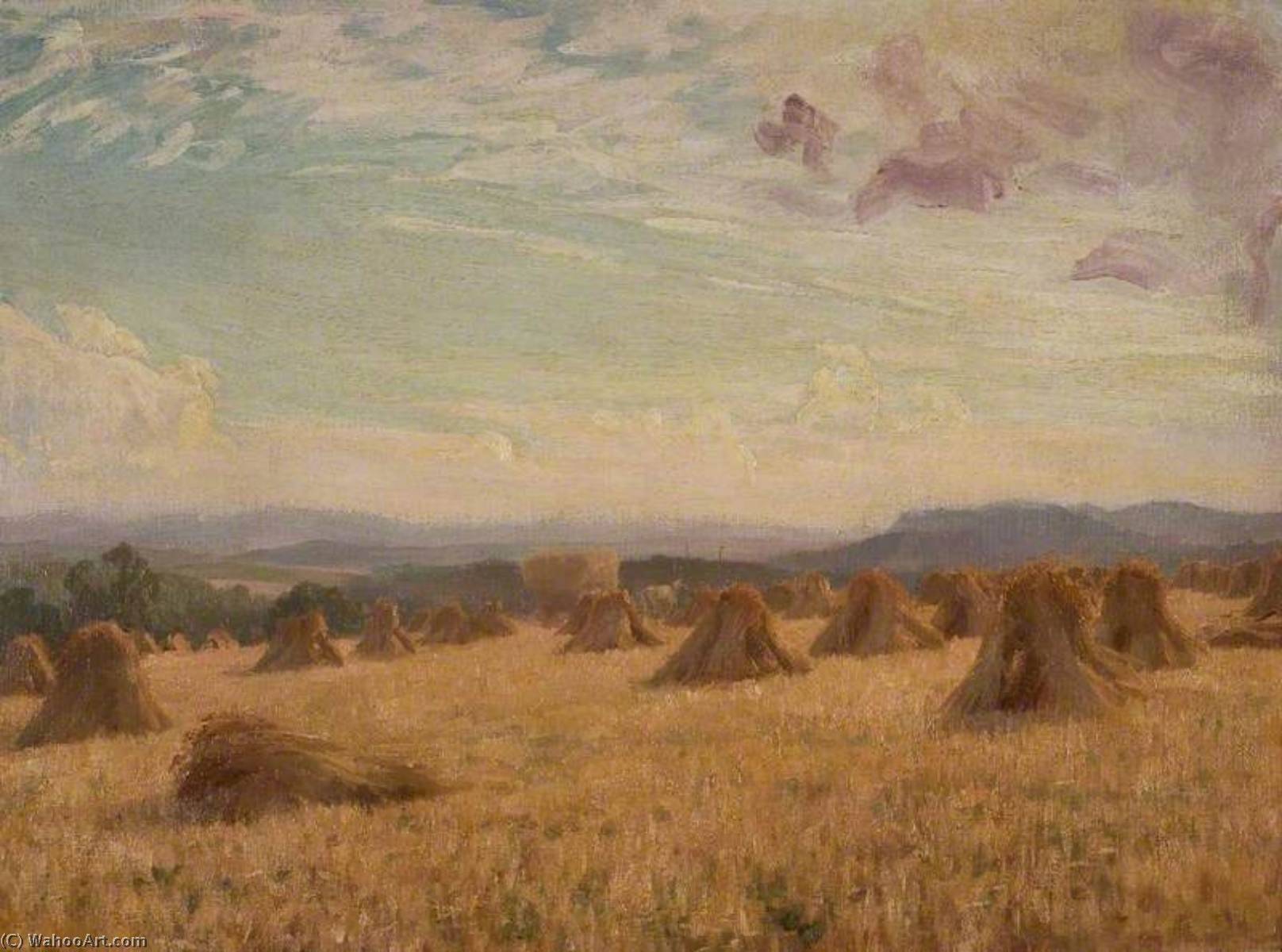
统计数据Harvesting Towards Morehampton
 1910
1910 38.0 x 52.0 cm
 阅读全文
阅读全文
获取远超网页预览效果的印刷级文件。我们销售的每一张数字图像均源自库存数据库中的高分辨率母版——宽度通常在 5,000 至 15,000 像素之间——因此您可以放心地进行大幅打印、局部裁剪或还原细腻的细节。
每一件作品在离开我们的工作室前都经过了精心的处理。数字影像专家会对照原作核对色彩,并在必要时进行校正,随后利用专业修图工具提升清晰度与细节表现——且始终忠实于艺术家的笔触与风格。最终呈现的图像宛如原作本身,而非仅仅是一张加了滤镜的扫描件。
您可以在完成前进行审核:我们的专家将在 72 小时内通过电子邮件向您发送图像以供审阅。如果不满意?您可以要求改进或修正,若质量未达预期,亦可申请退款。
这也是出版商、设计工作室、画廊及印刷厂所信赖的品质。
数字图像
下载高分辨率文件,用于个人展示、打印及创意项目。 ( 切换至版画销售渠道 订购此收藏品的纯手工复刻画作)
每份数字图像订单均包含的内容
专业级数字交付,品质无忧
选择 TopImpressionists.com,您获得的不仅仅是一张图像——您收到的是经过专业级增强、精雕细琢的数字艺术作品,并享有满意保证。以下是您的订单中自动包含的所有内容:

即时邮件交付
您的高分辨率数字图像文件将在下单后 72 小时内通过电子邮件发送给您 —— 即可立即使用。

AI 增强型数字图像
您的艺术品经过专业优化,结合先进的 AI 技术与人工修饰,确保呈现极致的细节、清晰度与色彩准确度。

终身免费重发服务
不小心删除了文件或找不到了?没关系——我们将随时为您免费重发。

无需进口税费,始终如一
即刻拥有您的艺术作品,无需支付任何关税、税费或运费——数字下载始终免税。

色彩精准保障
我们通过专业工具与色彩管理技术,确保您的数字图像尽可能真实地还原原作色彩。

100天满意保证
如果您对所购数字图像不满意,我们将在100天内为您进行修改或提供100%的全额退款——无需任何理由。

100% 退款保证
不满意?在收到数字文件后的100天内,您可以申请全额退款——无需任何理由。

批量订购优惠
购买 3 张享 10% 折扣 - 购买 5 张享 15% 折扣 - 购买 10 张以上享 20% 折扣。非常适合创意项目、画廊及机构使用。
The painting Harvesting Towards Morehampton by Brian Hatton is a beautiful representation of rural life in the early 20th century. Created in 1910, this oil on canvas piece measures 38 x 52 cm and is currently housed at the Hereford Museum and Art Gallery in the United Kingdom.
The Hereford Museum and Art Gallery is a must-visit destination for art lovers, with a collection of artworks that includes pieces by Brian Hatton and other notable artists. For more information on the museum and its collection, visit the TopImpressionists.com page on the museum.
Composition and Style
The painting depicts a serene landscape with a field of wheat as the main subject. The sky above is cloudy, adding to the overall atmosphere of the scene. Several stacks of hay are scattered throughout the field, with some closer to the foreground and others further away. Trees can be seen in the distance, adding depth to the composition. The use of warm colors and soft brushstrokes creates a sense of tranquility, inviting the viewer to step into the peaceful world of the painting. Key elements of the painting include the use of light and shadow, which adds volume and texture to the scene. The artist's attention to detail is also evident in the way the wheat stalks are depicted, with each one carefully rendered to create a sense of movement and energy.Artist and Inspiration
Brian Hatton was a British artist known for his landscapes and rural scenes. His work is characterized by a sense of calmness and serenity, which is evident in Harvesting Towards Morehampton. The painting is reminiscent of other works by artists such as Winslow Homer, who was known for his American Realist paintings.- For more information on Brian Hatton and his work, visit the Alfred East Art Gallery page on TopImpressionists.com.
- To see more paintings by Brian Hatton, visit the Brian Hatton page on TopImpressionists.com.
The Hereford Museum and Art Gallery is a must-visit destination for art lovers, with a collection of artworks that includes pieces by Brian Hatton and other notable artists. For more information on the museum and its collection, visit the TopImpressionists.com page on the museum.
问答详情
如何描述 Brian Hatton 的《Harvesting Towards Morehampton》 的色调?
Brian Hatton 的《Harvesting Towards Morehampton》 采用了 Earthy 色调。这一色调概括了作品整体的色彩特征。
Brian Hatton 的《Harvesting Towards Morehampton》 的图像可以自由转载吗?
Brian Hatton 的《Harvesting Towards Morehampton》 的版权说明:该作品属于 属于公有领域 —— 其版权已过期。这决定了是否可以自由进行图像复制。
在“Harvesting Towards Morehampton”中,对比与和谐是如何结合的?
Brian Hatton 的《Harvesting Towards Morehampton》 的色彩构成将 Serene 的对比与 Unified Palette 的和谐融为一体。


艺术家简介
A Lost Voice of the English Countryside
The story of Brian Hatton is one of remarkable, if tragically curtailed, artistic promise. Born in 1887 amidst the idyllic landscapes of Broomy Hill, Herefordshire, Hatton emerged as a significant figure in British landscape painting during the formative years of the twentieth century. His life and work were inextricably linked to the rural traditions of his homeland, yet his vision was shaped by much broader horizons. Though his career was cut short by his untimely death in action during the First World War at just twenty-eight years old, he left behind a profoundly moving body of work that offers a poignant glimpse into a disappearing world—a testament to the power of capturing beauty amidst impending change.
Hatton’s artistic journey began with an early fascination for drawing and sketching, nurtured by a supportive family who recognized his burgeoning talent. As he matured, his sensibilities were profoundly shaped by exposure to influential European movements. Through visits to Paris, he encountered the transformative techniques of Impressionism and Neo-Romanticism, absorbing the methods of masters such as Monet and Sisley. These encounters encouraged him to prioritize the capture of fleeting moments of light and atmosphere, a hallmark of his distinctive approach that would define his later mastery.
Technique, Light, and the Human Element
In his execution, Hatton skillfully blended meticulous observation with a rich, imaginative spirit. His canvases were not merely topographical records of the Worcestershire countryside; they were emotive explorations of texture and mood. He possessed a unique ability to render the physical world—the rugged textures of hedgerows, the weathered stone of walls, and the sprawling fields of Morehampton Manor—with such precision that the viewer can almost feel the dampness of the earth or the warmth of the sun. His style often utilized bold brushstrokes and a vivid yet balanced palette to create depth and visual tension.
Beyond the purely pastoral, Hatton’s oeuvre is notable for its deep humanist element. He frequently infused his landscapes with figures engaged in the quiet dignity of everyday life. Whether through figure studies or more narrative scenes like “Saddling Up,” he portrayed a profound connection between humanity and the land. His portraits and figure paintings, such as the serene “Reclining Nude” (1912), demonstrate a sensitive touch regarding gesture and expression, revealing a psychological depth that complemented his technical accuracy.
Legacy and Historical Significance
The trajectory of Hatton’s career was marked by significant milestones, most notably his exhibition at the Hereford Museum in 1913. This showcase served as a pivotal moment, garnering recognition for his ability to synthesize local identity with modern artistic sensibilities. His work, ranging from the Post-Impressionist echoes in “The Falcon” (1909) to the evocative autumn tones of “The Wye, Belmont Woods,” showcases an artist constantly evolving and pushing the boundaries of British landscape tradition.
Today, Brian Hatton is remembered as a "lost voice" of the early twentieth century. His death in 1916 represents more than just the loss of a single talented individual; it symbolizes the silencing of a promising artistic movement that might have bridged the gap between traditional ruralism and modernism. His surviving works remain vital pieces of British art history, preserved in collections such as the Hereford Museum and Art Gallery, serving as enduring echoes of a landscape and a way of life that were forever altered by the dawn of the modern age.

Brian Hatton
1887 - 1916
概览
- Full Name: Brian Hatton
- Nationality: British
- Date Of Birth: 1887
- Date Of Death: 1916
- Place Of Birth: Herefordshire, England
- Notable Artworks:
- Reclining Nude
- Harvesting Towards Morehampton
- Saddling Up
- Artistic Movement Or Style: Early 20th Century Landscape Painting