


 实景预览
实景预览
 发送
发送 分享
分享
 详情
详情 指南
指南

 下载图片
下载图片
 相似作品
相似作品 X射线
X射线 幻灯片播放
幻灯片播放 统计数据
统计数据Title in Swedish: Midvinterblot
 Acrylic On Canvas
- WallArt
- Art Nouveau
 1915
1915- 19th Century
 13600.0 x 6400.0 cm
 國家博物館
國家博物館
Experience Carl Larsson's iconic 'Midvinterblot,' a monumental Swedish mural depicting an ancient pagan sacrifice. Explore its controversial history, Art Nouveau influences & captivating narrative.
 阅读全文
阅读全文
瑞典画家卡尔·拉森(1853-1919)以其温馨的家庭生活画作和精美的新艺术风格水彩画而闻名,代表作包括《仲冬节》。他的作品捕捉了斯堪的纳维亚生活的真挚情感,对室内设计和瑞典文化产生了深远影响。
艺术微喷/版画
博物馆级艺术微喷或帆布版画,制作高效,并提供多种饰面选择。 ( 订购此收藏品的纯手工复刻画作 切换至数字图像销售渠道)




P118B ¥10

P118H ¥10

P118W ¥10

P438Z ¥10

P508JH ¥12

P508YH ¥12

P805H ¥10

P805Z ¥10

P919BZ ¥10

P919G ¥10

P919XJ ¥10

P959ZH ¥10

P968JZ ¥12

W106C ¥8

W218G ¥10

W218JH ¥8

W218Y ¥10

W307PJ ¥10

W316G ¥10

W316PJ ¥8

W316Y ¥10

W398PJ ¥8

W4111J ¥10

W500HY ¥15

W500JH ¥15

W692G ¥12

W849H ¥8

W940BG ¥15

W953PJ ¥8




标准尺寸
定制
CM
INCH
您可以从与原作比例一致的预设尺寸中进行选择。
Loading sizes...

宽度
高度
请输入您所需的宽度和高度,以适配您的画框或墙面。由于印刷品只能进行裁剪,无法超出原图尺寸,因此若比例不一致,画面的一部分将会被裁切。在正式印刷之前,我们会为您发送一份数字效果图供您确认。本页面显示的图片并非最终裁剪后的效果——只有效果图才能展示真实的裁剪情况。


 玻璃选项仅适用于110厘米以下的尺寸。

Title in Swedish: Midvinterblot
艺术微喷/版画
复刻品尺寸说明
-


总计金额
¥ 464
A Frozen Rite: Unveiling Carl Larsson’s ‘Midvinterblot’
Carl Larsson's “Midvinterblot,” completed in 1915, isn’t merely a painting; it’s a visceral plunge into the heart of Swedish mythology and a potent commentary on artistic convention. Measuring an imposing 6.5 by 13.5 meters, this mural dominates any space it graces, demanding attention with its scale and arresting imagery. Initially rejected by the Nationalmuseum due to historical inaccuracies and perceived offense – reflecting anxieties about the shifting landscape of modern art – “Midvinterblot” has since been recognized as a masterpiece of Art Nouveau influence, a dramatic fusion of ancient ritual and evocative symbolism.
The scene depicts a chilling tableau: King Domalde, stripped bare and dragged onto a gilded sled, awaits sacrifice before the towering temple of Uppsala. The air crackles with an unsettling energy, conveyed through Larsson’s masterful use of color and light. Deep blues and purples dominate the palette, creating a sense of foreboding and winter's grip, while flashes of gold highlight the sacrificial altar and the opulent details of the temple. The figures surrounding Domalde – warriors armed to the teeth, ecstatic women dancing in a frenzy, and a priest concealing his blade – are rendered with an almost sculptural quality, their forms imbued with both power and vulnerability.
Art Nouveau’s Dramatic Embrace
Larsson's choice of subject matter—a pagan sacrifice rooted in the Eddas of Snorri Sturluson—was deliberately provocative. He wasn’t simply recreating a historical event; he was tapping into a primal, almost unsettling, narrative that resonated deeply with Scandinavian folklore and anxieties about societal change. The painting is undeniably infused with Art Nouveau principles: flowing lines, stylized forms, and an emphasis on decorative elements are evident throughout the composition. The intricate detailing of the temple architecture, the swirling patterns in the women’s garments, and the serpentine bronze wind instruments all contribute to this distinctly artistic style.
Technically, Larsson employed a layered approach, utilizing both oil paint and tempera on canvas. The large-scale mural necessitated careful planning and execution, with meticulous attention paid to perspective and detail. The use of gold leaf adds an extraordinary richness and luminosity to the work, further emphasizing the sacrificial ritual’s grandeur and highlighting the temple's imposing presence. It is a testament to Larsson’s skill that he manages to convey both the brutality of the scene and its underlying spiritual significance.
Symbolism and Emotional Resonance
Beyond its aesthetic qualities, “Midvinterblot” is rich in symbolic meaning. The sacrifice itself represents a desperate plea for divine intervention—a recognition of the gods’ capricious nature and a willingness to offer tribute in exchange for protection from impending hardship. Domalde's vulnerability underscores the precariousness of human existence, while the ecstatic dance of the women suggests a potent connection between the earthly realm and the supernatural. The painting speaks to themes of faith, sacrifice, and the enduring power of myth.
More than just a historical depiction, “Midvinterblot” evokes a profound sense of unease and wonder. It’s a haunting meditation on mortality, tradition, and the human need for meaning in a world often marked by uncertainty. The painting's enduring appeal lies not only in its technical brilliance but also in its ability to tap into our deepest emotions and connect us with the timeless narratives that have shaped cultures across millennia. Reproductions of this iconic artwork offer a chance to bring this dramatic scene into your own space, inviting contemplation and sparking conversation.
A Legacy Preserved
Following its initial rejection, “Midvinterblot” was eventually exhibited at the Museum of National Antiquities in 1983-84. The Nationalmuseum ultimately acquired the painting in 1984, recognizing its significance as a cornerstone of Swedish art history. Today, it remains a celebrated work, housed within the museum’s collection and serving as a powerful reminder of Carl Larsson's artistic vision and his willingness to challenge conventional norms.
问答详情
如何以幻灯片形式查看卡爾·拉爾森 的《Title in Swedish: Midvinterblot》?
您可以在作品的幻灯片播放页面上观看“Title in Swedish: Midvinterblot”的幻灯片展示。
"Title in Swedish: Midvinterblot" 使用了怎样的色调?
"Title in Swedish: Midvinterblot" 的色彩构成了一个 Earthy 色调。此分类描述了作品中的主导色系。
在哪里可以预览“Title in Swedish: Midvinterblot”?
若要预览 卡爾·拉爾森 的《Title in Swedish: Midvinterblot》 复制品的详情,请打开该作品的 预览 页面。
艺术家简介
A Life Etched in Light: The World of Carl Larsson
Carl Larsson, 一位以溫馨斯堪的納維亞家庭生活和精美的藝術新風格水彩畫作聞名於斯的瑞典畫家,出身貧困,卻憑藉著對藝術的天賦和老師的鼓勵,在皇家瑞典藝術學院獲得了學士學位。這不僅改變了他的個人命運,也重新定義了人們對於家庭和舒適的認識。他早年生活艱辛,父母經濟狀況不佳,但年輕時的卡爾從一個充滿活力學生社群中尋求安慰和自信。From Academic Training to Artistic Awakening
Larsson 的藝術發展經歷過實驗和探索時期。畢業後,他主要通過插畫書籍、雜誌和報紙來賺取收入,這雖然實用但未能完全滿足他的創造力渴望。 他在巴黎的藝術家聚集地格雷斯-蘇爾盧昂與卡琳·貝爾戈奧相遇,他們結婚並成為卡爾的靈感來源。 在格雷斯期間,他放棄了油畫轉為水彩畫,這改變了他的藝術風格。 水彩畫允許他捕捉光線和空氣的細膩感,非常適合描繪日常生活中的溫馨場景,與當時許多畫家的宏偉歷史畫作形成鮮明對比。 這不僅僅是技術上的選擇,也反映了他對家庭生活的真實和熱情渴望。 他們的作品挑戰了傳統藝術形式,讚美簡樸、誠實和家庭的舒適感。 卡爾從學院獲得學士學位後,曾幾年時間在巴黎插畫行業工作,這雖然實用但未能完全滿足他的創造力需求。 他認為水彩畫比其他畫作更重要。The Lilla Hyttnäs Idyll: A Home as Artwork
1888 年,卡琳的父親將一棟小房子送給他們夫婦,這棟小房子名叫麗拉漢斯。 這不僅僅是一個住所,它成為了卡爾和卡琳共同創作的生活作品。 小屋內的裝飾和家具都經過精心設計和布置,反映了卡爾和卡琳對藝術的熱愛。 他們的畫作捕捉到了斯堪的納維亞社會對於家庭生活的渴望和對舒適感的追求。 卡爾的作品挑戰了當時傳統藝術形式,讚美簡樸、誠實和家庭的舒適感。 他們的作品捕捉到了斯堪的納維亞社會對於家庭生活的渴望和對舒適感的追求。 小屋內的裝飾和家具都經過精心設計和布置,反映了卡爾和卡琳對藝術的熱愛。 他們的畫作捕捉到了斯堪的納維亞社會對於家庭生活的渴望和對舒適感的追求。 卡爾的作品挑戰了當時傳統藝術形式,讚美簡樸、誠實和家庭的舒適感。 小屋內的裝飾和家具都經過精心設計和布置,反映了卡爾和卡琳對藝術的熱愛。 他們的畫作捕捉到了斯堪的納維亞社會對於家庭生活的渴望和對舒適感的追求。 卡爾的作品挑戰了當時傳統藝術形式,讚美簡樸、誠實和家庭的舒適感。 小屋內的裝飾和家具都經過精心設計和布置,反映了卡爾和卡琳對藝術的熱愛。 他們的畫作捕捉到了斯堪的納維亞社會對於家庭生活的渴望和對舒適感的追求。 卡爾的作品挑戰了當時傳統藝術形式,讚美簡樸、誠實和家庭的舒適感。 小屋內的裝飾和家具都經過精心設計和布置,反映了卡爾和卡琳對藝術的熱愛。 他們的畫作捕捉到了斯堪的納維亞社會對於家庭生活的渴望和對舒適感的追求。 卡爾的作品挑戰了當時傳統藝術形式,讚美簡樸、誠實和家庭的舒適感。 小屋內的裝飾和家具都經過精心設計和布置,反映了卡爾和卡琳對藝術的熱愛。 他們的畫作捕捉到了斯堪的納維亞社會對於家庭生活的渴望和對舒適感的追求。 卡爾的作品挑戰了當時傳統藝術形式,讚美簡樸、誠實和家庭的舒適感。 小屋內的裝飾和家具都經過精心設計和布置,反映了卡爾和卡琳對藝術的熱愛。 他們的畫作捕捉到了斯堪的納維亞社會對於家庭生活的渴望和對舒適感的追求。 卡爾的作品挑戰了當時傳統藝術形式,讚美簡樸、誠實和家庭的舒適感。 小屋內的裝飾和家具都經過精心設計和布置,反映了卡爾和卡琳對藝術的熱愛。 他們的畫作捕捉到了斯堪的納維亞社會對於家庭生活的渴望和對舒適感的追求。 卡爾的作品挑戰了當時傳統藝術形式,讚美簡樸、誠實和家庭的舒適感。 小屋內的裝飾和家具都經過精心設計和布置,反映了卡爾和卡琳對藝術的熱愛。 他們的畫作捕捉到了斯堪的納維亞社會對於家庭生活的渴望和對舒適感的追求。 卡爾的作品挑戰了當時傳統藝術形式,讚美簡樸、誠實和家庭的舒適感。 小屋內的裝飾和家具都經過精心設計和布置,反映了卡爾和卡琳對藝術的熱愛。 他們的畫作捕捉到了斯堪的納維亞社會對於家庭生活的渴望和對舒適感的追求。 卡爾的作品挑戰了當時傳統藝術形式,讚美簡樸、誠實和家庭的舒適感。 小屋內的裝飾和家具都經過精心設計和布置,反映了卡爾和卡琳對藝術的熱愛。 他們的畫作捕捉到了斯堪的納維亞社會對於家庭生活的渴望和對舒適感的追求。 卡爾的作品挑戰了當時傳統藝術形式,讚美簡樸、誠實和家庭的舒適感。 小屋內的裝飾和家具都經過精心設計和布置,反映了卡爾和卡琳對藝術的熱愛。 他們的畫作捕捉到了斯堪的納維亞社會對於家庭生活的渴望和對舒適感的追求。 卡爾的作品挑戰了當時傳統藝術形式,讚美簡樸、誠實和家庭的舒適感。 小屋內的裝飾和家具都經過精心設計和布置,反映了卡爾和卡琳對藝術的熱愛。 他們的畫作捕捉到了斯堪的納維亞社會對於家庭生活的渴望和對舒適感的追求。 卡爾的作品挑戰了當時傳統藝術形式,讚美簡樸、誠實和家庭的舒適感。 小屋內的裝飾和家具都經過精心設計和布置,反映了卡爾和卡琳對藝術的熱愛。 他們的畫作捕捉到了斯堪的納維亞社會對於家庭生活的渴望和對舒適感的追求。 卡爾的作品挑戰了當時傳統藝術形式,讚美簡樸、誠實和家庭的舒適感。 小屋內的裝飾和家具都經過精心設計和布置,反映了卡爾和卡琳對藝術的熱愛。 他們的畫作捕捉到了斯堪的納維亞社會對於家庭生活的渴望和對舒適感的追求。 卡爾的作品挑戰了當時傳統藝術形式,讚美簡樸、誠實和家庭的舒適感。 小屋內的裝飾和家具都經過精心設計和布置,反映了卡爾和卡琳對藝術的熱愛。 他們的畫作捕捉到了斯堪的納維亞社會對於家庭生活的渴望和對舒適感的追求。 卡爾的作品挑戰了當時傳統藝術形式,讚美簡樸、誠實和家庭的舒適感。 小屋內的裝飾和家具都經過精心設計和布置,反映了卡爾和卡琳對藝術的熱愛。 他們的畫作捕捉到了斯堪的納維亞社會對於家庭生活的渴望和對舒適感的追求。 卡爾的作品挑戰了當時傳統藝術形式,讚美簡樸、誠實和家庭的舒適感。 小屋內的裝飾和家具都經過精心設計和布置,反映了卡爾和卡琳對藝術的熱愛。 他們的畫作捕捉到了斯堪的納維亞社會對於家庭生活的渴望和對舒適感的追求。 卡爾的作品挑戰了當時傳統藝術形式,讚美簡樸、誠實和家庭的舒適感。 小屋內的裝飾和家具都經過精心設計和布置,反映了卡爾和卡琳對藝術的熱愛。 他們的畫作捕捉到了斯堪的納維亞社會對於家庭生活的渴望和對舒適感的追求。 卡爾的作品挑戰了當時傳統藝術形式,讚美簡樸、誠實和家庭的舒適感。 小屋內的裝飾和家具都經過精心設計和布置,反映了卡爾和卡琳對藝術的熱愛。 他們的畫作捕捉到了斯堪的納維亞社會對於家庭生活的渴望和對舒適感的追求。 卡爾的作品挑戰了當時傳統藝術形式,讚美簡樸、誠實和家庭的舒適感。 小屋內的裝飾和家具都經過精心設計和布置,反映了卡爾和卡琳對藝術的熱愛。 他們的畫作捕捉到了斯堪的納維亞社會對於
卡爾·拉爾森
1853 - 1919 , 瑞典
快速概览
- Artistic Movement Or Style: 現實主義、新藝術風格
- Artists Who Influenced This Artist: ['芬妮·布拉特']
- Date Of Birth: 1853年5月28日
- Date Of Death: 1919年1月22日
- Full Name: 卡爾·拉爾森
- Nationality: 瑞典人
- Notable Artworks:
- 溫冬祭祀
- 舒適角落
- 馬茨·貝爾格姆·拉爾森
- Place Of Birth: 斯德哥爾摩,瑞典
相关文章

艺术新潮的十个杰作:定义时代的华丽与创新
探索艺术新潮的十个杰作!高更、慕夏、克里姆特等大师作品,揭秘其背后的故事与精湛技艺。从优雅曲线到绚丽色彩,感受现代艺术的魅力。TopImpressionists.com为您提供博物馆品质的艺术品复制和家居装饰灵感。在线探索完整系列!

新艺术运动:自然灵感、工艺复兴与现代美学的融合之旅
探索新艺术运动的迷人世界:从工艺美术运动的起源到自然主义设计和现代美学的融合。TopImpressionists为您提供专业的艺术咨询、定制油画服务,助您收藏与鉴赏珍品。

Timeless Elegance: A Curated Guide to the Flowing Beauty of Art Nouveau Masterpieces
Discover the enchanting world of Art Nouveau. Explore the flowing lines of Alphonse Mucha and learn how to integrate these timeless, organic masterpieces into your collection with expert guidance on fine art appreciation and preservation.
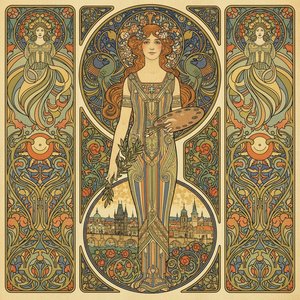
Alphonse Mucha: A Comprehensive Exploration of Art Nouveau's Master of Decorative Symbolism
Explore the life & art of Alphonse Mucha, master of Art Nouveau! Discover his iconic posters, stunning illustrations, and the monumental Slav Epic. A comprehensive guide for collectors & enthusiasts.

Art Nouveau: The Elegant Fusion of Nature and Design – A Journey Through Organic Sophistication
Discover the exquisite world of Art Nouveau. Explore the elegant fusion of nature and design through architectural masterpieces, organic forms, and the legendary masters of the Belle Époque. Immerse yourself in a journey of timeless sophistication and ornamental beauty.