

 分享
分享 分享
分享
 详情
详情 指南
指南

 下载作品
下载作品
 相似作品
相似作品 幻灯片播放
幻灯片播放 Q&A
Q&A 统计数据
统计数据Symphony - diptych

- 64.0 x 62.0 cm


A mesmerizing blue ceramic diptych by Portuguese master Cecília de Sousa featuring rhythmic geometric patterns and fluid lines that invite you to experience the profound harmony of this 1989 modernist masterpiece.
 展开全文
展开全文
Discover Cecilia de Souza's ceramic art – a Portuguese master of the 20th century. Explore her unique, evocative pieces & contributions to ceramics technology.
艺术微喷/版画
博物馆级艺术微喷或帆布版画,制作高效,并提供多种饰面选择。 ( 订购纯手工绘制画作 切换至数字图像销售渠道)




































标准尺寸
定制
CM
INCH
您可以从与原作比例一致的预设尺寸中进行选择。
Loading sizes...

宽度
高度
请输入您所需的宽度和高度,以适配您的画框或墙面。由于印刷品只能进行裁剪,无法超出原图尺寸,因此若比例不一致,画面的一部分将会被裁切。在正式印刷之前,我们会为您发送一份数字效果图供您确认。本页面显示的图片并非最终裁剪后的效果——只有效果图才能展示真实的裁剪情况。


 玻璃选项仅适用于110厘米以下的尺寸。

Symphony - diptych
艺术微喷/版画
复刻品尺寸
-


最终结算价
¥ 463
A Dance of Form and Fragment: The Soul of Symphony
In the quiet dialogue between structure and dissolution, Symphony - diptych emerges as a profound meditation on balance. Created in 1989 by the esteemed Portuguese master Cecília de Sousa, this work transcends its medium to offer a visual rhythm that resonates with the very essence of musical composition. The piece is not merely a painting but a dualistic exploration of space, where the left panel presents a disciplined arrangement of four squares anchored above a bar, suggesting an architectural or industrial order. As the eye travels across the divide to the right half, this rigid geometry begins to dematerialize, surrendering its solid form to a series of quick, parallel lines that evoke a sense of motion and ephemeral grace.
The emotional impact of the work lies in this delicate tension between the known and the unknown. There is a palpable sense of movement, as if the viewer is witnessing a moment of transformation where matter turns into spirit. For the collector or interior designer, this diptych offers a sophisticated focal point that brings a contemplative depth to any space. It invites the observer to linger on the interplay of blue tones and the rhythmic patterns of circles, creating an atmosphere of serene complexity that can anchor a modern gallery wall or provide a soulful counterpoint to minimalist decor.
The Alchemy of Clay and Pigment
To understand the visual language of Symphony, one must look toward the artist's deep-rooted connection to the earth. Cecília de Sousa’s mastery was forged in the heat of the kiln and the tactile reality of ceramic technology. Having worked intimately with industrial equipment at the legendary Fábrica Viúca Lamego, she brought a unique, structural sensibility to her two-dimensional works. This piece serves as a brilliant translation of ceramic principles onto canvas, utilizing the judicious application of oxides and pigments to achieve a depth that feels almost sculptural.
The technique employed here is a masterclass in controlled abstraction. The deep, evocative blues create an oceanic sense of depth, while the black borders provide a sharp, definitive frame that contains the swirling energy within. The use of circular motifs adds a layer of intricate texture, breaking the linear momentum with soft, rhythmic interruptions. This interplay of heavy, grounded elements and light, sweeping strokes mirrors the artist's lifelong pursuit: finding the poetic potential within the industrial and the permanent within the transient.
A Legacy of Modernist Harmony
Born in Lisbon in 1937, de Sousa was a central figure in the post-war modernist movement in Portugal. Her education under masters like Manuel Cargaleiro instilled in her a respect for the transformative power of materials. In Symphony - diptych, we see the culmination of decades of experimentation with form and surface. The work stands as a testament to a period when Portuguese art was finding its unique voice—one that blended traditional craftsmanship with the avant-garde spirit of abstraction.
For those seeking to acquire a high-quality reproduction of this masterpiece, it represents an opportunity to possess a fragment of ceramic history reimagined through fine art. Whether placed in a contemporary residence or a professional studio, the diptych acts as a bridge between the tactile world of clay and the ethereal world of pure thought, making it an enduring choice for those who value art that speaks to both the intellect and the heart.
常见问题与解答
在 Cecília De Souza 的《Symphony - diptych》 中,艺术流派与时代背景是如何交汇的?
在Cecília De Souza 的《Symphony - diptych》中,Contemporary Art运动与Modern时代交相辉映。
Cecília De Souza 的《Symphony - diptych》 使用了怎样的色调?
"Symphony - diptych" 的色彩构成了一个 Dark 色调。此分类描述了作品中的主导色系。
国立瓷砖博物馆馆藏作品“Symphony - diptych”的复制权归属如何?
《Symphony - diptych》的原作收藏于国立瓷砖博物馆,该作品属于仍受版权保护。
艺术家简介
A Legacy Forged in Clay: The Ceramic World of Cecília de Sousa
Cecília de Sousa, born in Lisbon, Portugal, in 1937, stands as a pivotal figure in the landscape of 20th-century Portuguese ceramics. More than simply a practitioner of an ancient craft, she is an artist who has profoundly shaped its trajectory, pushing boundaries and imbuing clay with a unique expressive power. Her journey began at the António Arroio School in Lisbon, where she first encountered the transformative potential of ceramic materials under the guidance of Manuel Cargaleiro, a significant influence in her early development. This foundational training was further enriched by studies alongside Lino António, setting the stage for a career dedicated to exploring the depths of this medium.Early Influences and Artistic Development
The post-war period in Portugal witnessed a burgeoning interest in modernism, and de Sousa found herself at the heart of this creative ferment. Her initial work was deeply connected to the architectural landscape of Lisbon, collaborating with various architects on projects that integrated ceramic elements into building designs. This early exposure instilled in her an understanding of ceramics not merely as decorative objects but as integral components of larger spatial concepts. However, de Sousa’s artistic vision quickly transcended functional applications. She began a sustained exploration of the material itself—its textures, its colors, and its inherent plasticity. Her time at the Viúva Lamego Ceramics Factory proved particularly formative, providing her with intimate knowledge of ceramics technology and inspiring a series of works that directly engage with the industrial processes she observed. This period marked a shift towards a more personal artistic language, one characterized by subtle nuances and evocative forms.The Language of Form and Texture
De Sousa’s work is distinguished by its remarkable sensitivity to material. She doesn't impose her will upon the clay but rather collaborates with it, allowing its natural properties to inform the final outcome. Her pieces often feature a restrained palette, favoring earthy tones and muted colors that emphasize texture and form over vibrant display. This deliberate choice reflects a deep respect for the inherent qualities of ceramics—its ability to capture light, its tactile richness, and its enduring connection to the earth. While her earlier works demonstrate a clear engagement with abstract forms, de Sousa’s later creations often hint at figuration, suggesting human presence or evoking organic shapes found in nature. Her drawings, such as “Untitled” featuring an intimate exchange between generations, reveal a keen observational skill and a talent for capturing emotional depth through minimalist lines. Another drawing, also titled "Untitled", showcases masked figures in a claustrophobic setting, hinting at the psychological complexities that underlie her work.Recognition and Lasting Impact
Throughout her career, Cecília de Sousa has been a consistent presence in national and international exhibitions and biennials. These platforms have not only showcased her artistic achievements but also facilitated valuable exchanges with other artists and practitioners, broadening her perspective and enriching her creative process. Her contributions extend beyond the realm of individual artworks; she is recognized for her dedication to advancing ceramics technology and fostering a deeper understanding of this art form. Today, de Sousa’s work is represented in numerous collections and institutions both within Portugal and abroad, solidifying her position as one of the most important ceramic artists of the 20th century. Her legacy lies not only in the beauty and originality of her creations but also in her unwavering commitment to exploring the boundless possibilities of clay—a testament to the enduring power of artistic vision and technical mastery. Her work continues to inspire a new generation of ceramists, ensuring that her influence will be felt for years to come.A Continuing Dialogue with Clay
Cecília de Sousa’s art is not simply about creating objects; it's about establishing a dialogue—a conversation between the artist, the material, and the viewer. Her pieces invite contemplation, prompting us to consider the inherent beauty of imperfection, the enduring power of tradition, and the transformative potential of human creativity. As she continues her artistic journey, de Sousa remains a vital force in the world of ceramics, pushing boundaries and challenging conventional notions of form and expression.
Cecília De Souza
1937 - , Portugal
艺术家简介
- Full Name: Cecília de Souza
- Nationality: Portuguese
- Date Of Birth: 1937
- Place Of Birth: Lisbon, Portugal
- Notable Artworks: ['Untitled']
- Artistic Movement Or Style: Ceramic Art
相关文章

几何抽象艺术十大杰作:定义现代家居装饰的经典之作
探索几何抽象艺术的十大杰作!康定斯基、蒙德里安等大师作品,色彩构成与非具象之美。TopImpressionists.com提供博物馆级艺术复制品,为您的家居带来现代艺术灵感。立即在线探索完整系列!

费尔南·莱热:25幅大师杰作,重塑现代艺术与家居美学 | TopImpressionists
探索费尔南·莱热25幅经典杰作!深入了解这位立体主义大师的管形主义风格、机械美学与色彩构成。TopImpressionists提供高清艺术复制品,为您的家居带来现代艺术气息。立即发现更多名画,打造专属艺术空间!

The Art of Ceramics: A Guide to Mastery, Texture, and Timeless Form for the Discerning Collector
Explore the profound elegance of ceramic art. From master glazes to sculptural forms, our expert guide offers discerning collectors deep insights into the mastery, texture, and timeless value of fine ceramics for sophisticated collections and luxury interiors.
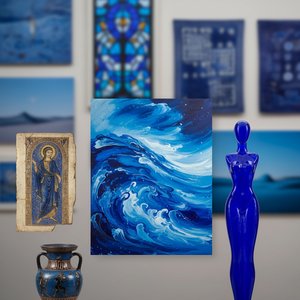
The Allure of Azure: Exploring the Symbolic & Aesthetic Depths of Blue in Art History
Explore the rich history of blue in art! Discover its symbolism, from ancient pigments to modern masterpieces by Kandinsky & Seurat. Uncover the psychological impact and cultural meanings behind this captivating hue.

Slate Blue Masterpieces: 10 Iconic Paintings & Timeless Home Decor Ideas
Immerse yourself in the captivating world of slate blue! Explore 10 iconic paintings by Monet, Van Gogh & Renoir. Discover their stories, techniques & find museum-quality art reproductions for your home at .