

 实景预览

 印象派油画
 分享
 分享
 详情
 作品详情表


 下载作品
 相似作品
 X射线
 幻灯片播放
 问答

 统计数据
Mark (查克·克洛斯, 1979)


36 x 28 cm 起售价 ¥327 的帆布画与艺术微喷
- 全球免费邮寄,3至4周送达
- 卷轴装打印件,3至4周内送达
- 100天无忧退货,全额退款
- ArtShopReviews.com 上 241 位客户评分为 4.9/5
本作品受版权保护
本页面展示的作品受版权法保护,这意味着我们无法合法地制作或销售与其完全相同的复制品。此项保护依据包括以下国际协议等: 伯尔尼公约 以及各国法律,包括下文所述的法律: 美国版权法第17编。
作为一种既合规又充满敬意的替代方案,我们提供以原作为灵感定制的手绘艺术作品。我们的资深专业艺术家会仔细研读原作的风格、韵味与艺术精髓,以此创作出能够唤起相同情感的新颖且独特的作品——同时确保其本身是一件原创之作。
这种方法完全符合版权法规,因为它并不涉及对受保护艺术品的复制或翻录。相反,它是一种富有创意的重新诠释——是一件受原作启发、但与原作并不相同的全新绘画作品。
 了解更多
材质与媒介
我们的经济型印制品:采用 260 g/m² 的聚酯纤维画布而非棉布印刷相同的图像,通过普通邮政以卷轴形式寄送,周期为 3 至 4 周。仅提供卷轴装(不含内框及画框),且不提供加急制作,适用于单边长度在 80 cm 或以下的尺寸。价格比棉质画布印制品便宜约 30%。
此尺寸暂不可用:至少有一边必须小于或等于 80 cm。
仅限卷装:请选择卷装画布以购买此版画。
适用于长边不超过 110 cm 的尺寸。若尺寸超过此范围,则将采用哑光棉质画布进行印刷。
此尺寸无法选择哑光档案级画布:两侧长度均须在 110 cm 或以下。您的打印件将改为使用哑光棉质画布制作。
玻璃选项仅适用于110厘米以下的尺寸。
尺寸
·您可以从与原作比例一致的预设尺寸中进行选择。
正在加载尺寸...

宽度
高度
请输入您所需的宽度和高度,以适配您的画框或墙面。由于印刷品只能进行裁剪,无法超出原图尺寸,因此若比例不一致,画面的一部分将会被裁切。在正式印刷之前,我们会为您发送一份数字效果图供您确认。本页面显示的图片并非最终裁剪后的效果——只有效果图才能展示真实的裁剪情况。
标准尺寸
定制
厘米
英寸
完成
·
白色边缘 ¥1

边缘晕染效果 ¥1

延展式 ¥1

P118B ¥10

P118H ¥10

P118W ¥10

P438Z ¥10

P508JH ¥12

P508YH ¥12

P805H ¥10

P805Z ¥10

P919BZ ¥10

P919G ¥10

P919XJ ¥10

P959ZH ¥10

P968JZ ¥12

W106C ¥8

W218G ¥10

W218JH ¥8

W218Y ¥10

W307PJ ¥10

W316G ¥10

W316PJ ¥8

W316Y ¥10

W398PJ ¥8

W4111J ¥10

W500HY ¥15

W500JH ¥15

W692G ¥12

W849H ¥8

W940BG ¥15

W953PJ ¥8

H24-GOLD ¥30
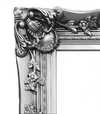
H24-SILVER ¥30
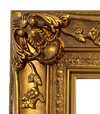
H36-GOLD ¥70
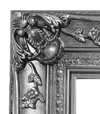
H36-SILVER ¥70
采用保护管包装寄送,方便您交由专业的装裱师进行装裱。
增值服务
可选附加内容包含哪些内容?
全球配送()仅需 2 周即可送达,无需等待标准流程的 4/5 周。(24 December)
经济型聚酯帆布印画不支持加急制作及快递服务,将通过普通邮政寄送。
保护性清漆
展品铭牌
青铜铭牌雕刻详情
这款优雅的铭牌刻有艺术家姓名与作品名称,工艺精湛,呈现永恒之美。
采用青铜材质打造,表面处理细腻优雅。文字经激光精密雕刻,字迹清晰且永不褪色。铭牌尺寸为 9x2 厘米,小巧精致且易于阅读。材质坚固耐用、抗刮擦,呈现出专业博物馆级的质感。随附背胶,安装简便。
透明亚克力铭牌详情
铭牌包含精美的雕刻细节,包括艺术家姓名、作品名称、创作日期、媒介类型(如布面油画或水彩)、作品简介,以及可跳转至作品完整信息的二维码。
采用透明亚克力材质打造,外观简约现代。文字采用黑色UV雕刻工艺,确保视觉对比鲜明。尺寸为10x15厘米,确保极佳的阅读体验。配备两个金属挂钩,可稳固地安装在墙面上。铭牌设计具备耐候性,适用于多种环境,并包含可与智能手机扫描无缝衔接的互动功能。
黑色亚克力铭牌详情
这款优雅的铭牌包含刻有艺术家姓名、作品名称、创作日期、媒介类型(如布面油画或水彩)、作品简介以及用于快速获取更多信息的二维码。
铭牌采用精选黑色亚克力材质,表面处理工艺考究,质感高级。文字采用白色激光雕刻,对比度高,清晰易读。尺寸为10x15厘米,设计便于阅读。配有两枚金属挂钩,便于专业安装。设计风格简约,适配各种室内风格。此外,铭牌具有耐候性且经久耐用,并内置数字化集成功能,可实现移动端兼容。
玻璃选项仅适用于110厘米以下的尺寸。
 玻璃选项仅适用于110厘米以下的尺寸。
- 全球免费邮寄,3至4周送达
- 优质亚麻画布
- 全程运输保险
- 关税退款保证
- 色彩精准还原保证
- 100天无忧退货,全额退款
- 100% 退款保证
- 多件购买优惠


Mark:查克·克洛斯 与Photorealism时期的经典之作
Discover 'Mark' by Chuck Close – a powerful 1979 photorealistic painting. Explore its unique style & historical significance. A captivating art investment.
查克·克洛斯:简介
探索查克·克洛斯(1940-2021)的写实肖像画。这位先驱性的美国艺术家以其大型“网格”绘画和创新技法闻名。了解他如何在面临瘫痪后,依然将摄影转化为宏伟的超写实主义杰作。
关于艺术品详情
Identification of the Portrait of Mark
In 1979, Chuck Close turned his gaze toward a man named Mark. This portrait captures the subject in a moment of stillness, presenting a close-up view of his face and upper torso. The man looks directly forward, his eyes meeting the viewer through the thin frames of his glasses. A plaid shirt rests at the bottom of the frame, a small detail of everyday life against the intensity of the gaze.
The work functions as a precise translation of a photographic moment. Chuck Close uses the likeness of Mark to explore the mechanics of seeing. Every pore and fine hair is rendered with a clinical, unflinching clarity. The subject remains centered, a singular presence held within a structured, quiet space.
Composition and Visual Elements
The frame is a tight enclosure of presence. Centered upon the canvas, the man’s face and upper torso occupy the majority of the space, pushing against the edges of the view. His gaze is fixed directly forward, meeting the viewer’s eyes with a steady, unblinking weight. This frontal perspective strips away distance, creating an immediate and unavoidable connection between the subject and the observer.
A minimal background recedes into nothingness, offering no distractions from the central figure. At the very bottom of the composition, the pattern of a plaid shirt provides a structured, geometric anchor to the organic forms of the face. The arrangement relies on this stark economy of space to hold the viewer’s attention. Everything is held in place by the quiet gravity of the stare.
Technique and Artistic Style
The work belongs to the school of photorealism. Close employs a rigorous grid-like system to bridge the gap between the lens and the canvas. He transfers photographic images onto the surface by breaking the subject into a structured matrix. This method allows for a precise replication of the human form through a series of subtle squares of color. Each small unit of pigment contributes to the whole, building a complex map of light and shadow.
Meticulous detail defines the execution. The artist focuses on the precise rendering of textures, capturing the minute irregularities of the skin and the fine fibers of hair. This systematic approach transforms the organic into something measured. The airbrush and acrylic layers work together to achieve a clarity that mimics the mechanical eye. Every pore and reflection is a calculated placement of color within the grid.
Visual Details and Color Palette
The palette is a quiet arrangement of earthy tones. Skin is rendered through a meticulous layering of beige, tan, and light brown. These shades settle into the contours of the face like sediment. The hair follows this grounded logic, appearing in various depths of brown. A subtle grid of color builds the surface, turning the human form into a map of small, precise marks.
Light falls across the subject with a diffused, even quality. There are no harsh shadows to disrupt the clarity of the features. Instead, the illumination rests softly upon the skin, revealing the texture of pores and the fine fuzz of hair. Small sparks of color break the neutral field. Red and orange hues catch the light in the frames of the glasses and the fabric of the plaid shirt. These warm accents sit against the more muted tones of the complexion. The gaze remains steady under this even light.
Subject Matter and Realism
The portrait focuses on the singular presence of a man named Mark. His likeness is captured with a directness that seeks to reveal the quiet personality beneath the surface. The gaze is steady, meeting the viewer through a lens of extreme clarity. A pair of glasses rests upon his face, their reflective surfaces rendered with a precise, everyday realism that anchors the subject in a tangible moment.
Texture defines the physical reality of the man. The skin is not a smooth plane but a landscape of minute details, where individual pores are visible under the light. Fuzziness clings to the strands of his hair, and the subtle imperfections of the human form are presented without idealization. Every mark is a deliberate piece of a larger, meticulous whole. The man exists here in all his unadorned, biological truth.
Related Works by Chuck Close
The artist's career traces a path through various scales and subjects. In 1968, he produced Big Self-Portrait, a work held in the Walker Art Center in Minneapolis. This piece belongs to an earlier period of his development. It shares a focus on the human form through a systematic lens.
Later, his explorations moved toward different figures and media. His 2013 work, Barack Obama, resides in the National Portrait Gallery in London. This portrait reflects a different era of his technical evolution. The grid remains a constant presence in his visual language.
常见问题与解答
Mark 的这件复制品是手绘的还是印刷的?
印刷:Mark 将以艺术微喷(giclée)工艺印制在棉质画布或爱普生(Epson)档案级画布纸上。
Mark 我该选择什么尺寸?
尺寸从 36.1 x 27.7 cm (¥327) 到 246.7 x 189.7 cm (¥2967) 不等;本页表格列出了主要步骤及其价格。
物流配送需要多长时间?
卷轴装裱的版画通过普通邮政免费寄送,预计3至4周送达;拉伸装裱或带框版画的送达时间为4至5周。仅在选择本页面提供的付费“快递送达”选项时,才提供快递服务。您可以在100天内无条件退货并获得全额退款。
查克·克洛斯 在创作《Mark》时使用了什么媒介?
Acrylic On Canvas
艺术速览与艺术小测验
关于 查克·克洛斯

查克·克洛斯
1940 - 2021, 美國
关于 查克·克洛斯 的简介
- Artistic Movement Or Style: 写实主义, 超写实主义
- Artists Or Movements Influenced By This Artist:
- 写实主义
- 当代艺术
- Artists Who Influenced This Artist: ['杰克逊·波洛克']
- Date Of Birth: 1940年7月5日
- Date Of Death: 2021年8月19日
- Full Name: 查克·克洛斯
- Nationality: 美国
- Notable Artworks:
- 巴拉克·奥巴马双联画
- 大型自画像
- 马克
- 纳特
- 洛娜 I
- Place Of Birth: 美国,门罗

查克·克洛斯
Mark
() ·
含框总尺寸: ·
总计