

 实景预览
实景预览
 发送
发送 分享
分享
 详情
详情 指南
指南

 下载图片
下载图片
 相似作品
相似作品 X射线
X射线 幻灯片播放
幻灯片播放 统计数据
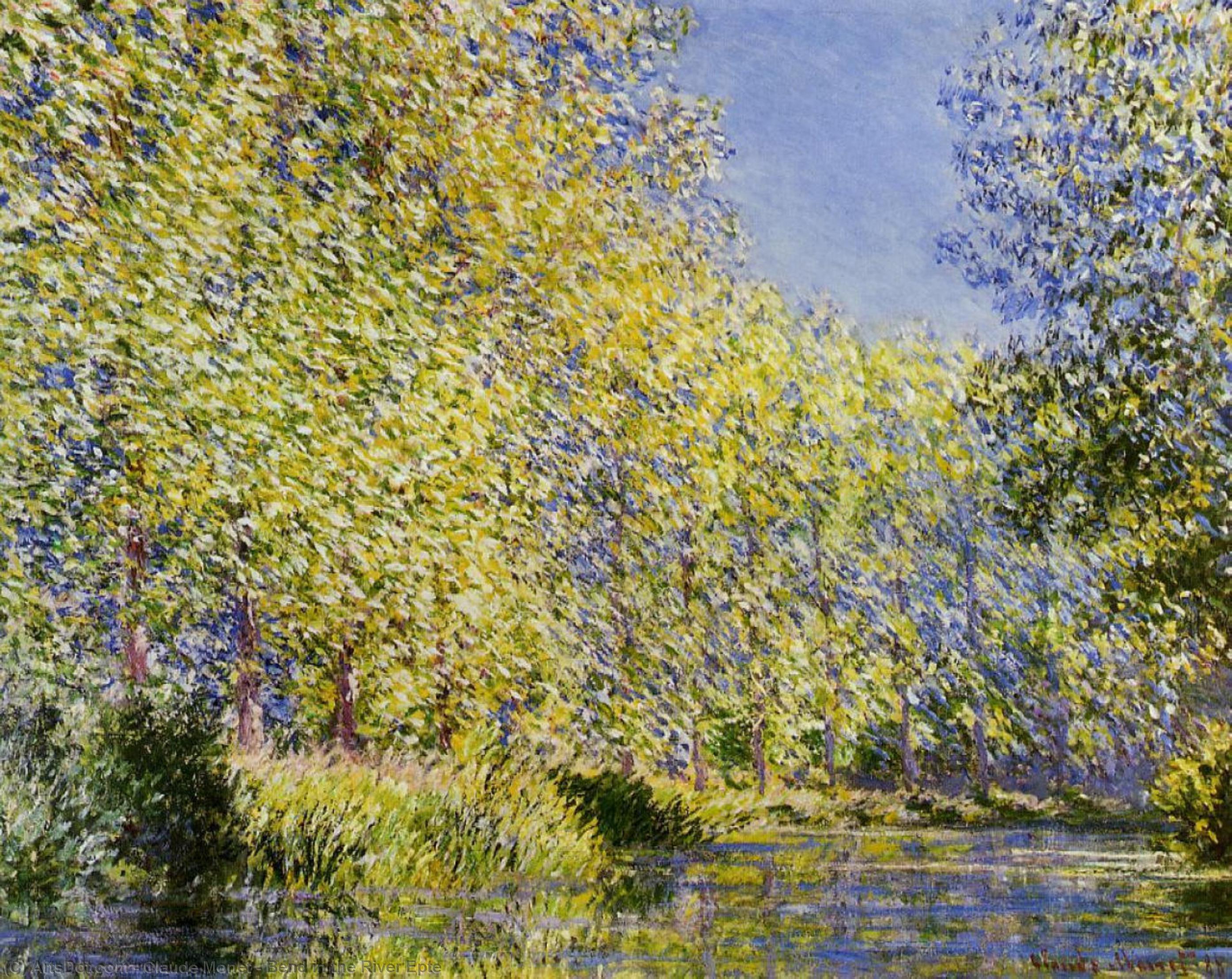
统计数据埃普特河弯


 阅读全文
阅读全文
艺术微喷/版画
博物馆级艺术微喷或帆布版画,制作高效,并提供多种饰面选择。 ( 订购此收藏品的纯手工复刻画作 切换至数字图像销售渠道)




P118B ¥10

P118H ¥10

P118W ¥10

P438Z ¥10

P508JH ¥12

P508YH ¥12

P805H ¥10

P805Z ¥10

P919BZ ¥10

P919G ¥10

P919XJ ¥10

P959ZH ¥10

P968JZ ¥12

W106C ¥8

W218G ¥10

W218JH ¥8

W218Y ¥10

W307PJ ¥10

W316G ¥10

W316PJ ¥8

W316Y ¥10

W398PJ ¥8

W4111J ¥10

W500HY ¥15

W500JH ¥15

W692G ¥12

W849H ¥8

W940BG ¥15

W953PJ ¥8




标准尺寸
定制
CM
INCH
您可以从与原作比例一致的预设尺寸中进行选择。
Loading sizes...

宽度
高度
请输入您所需的宽度和高度,以适配您的画框或墙面。由于印刷品只能进行裁剪,无法超出原图尺寸,因此若比例不一致,画面的一部分将会被裁切。在正式印刷之前,我们会为您发送一份数字效果图供您确认。本页面显示的图片并非最终裁剪后的效果——只有效果图才能展示真实的裁剪情况。


 玻璃选项仅适用于110厘米以下的尺寸。

埃普特河弯
艺术微喷/版画
复刻品尺寸说明
-


总计金额
¥ 463
Bend in the River Epte: A Moment Captured by Monet’s Light
Claude Monet's “Bend in the River Epte,” painted in 1888, isn’t merely a depiction of a river landscape; it’s an exquisite distillation of light and atmosphere – a quintessential example of the Impressionist movement at its most evocative. This painting, housed within the esteemed collection of the California Palace of the Legion of Honor, invites us into a fleeting moment, a sensory experience rather than a precise representation of reality. Monet wasn't interested in rendering the river with photographic accuracy; instead, he sought to capture the *impression* of it – the way sunlight dances on the water’s surface, the subtle shifts in color as clouds drift overhead, and the overall feeling of tranquility that permeates the scene.
The composition is deceptively simple. A meandering river, the Epte, flows through a verdant landscape punctuated by a generous scattering of trees. These aren't imposing giants; rather, they are depicted with a delicate touch, their forms suggested rather than meticulously defined. The artist masterfully utilizes a sense of depth, drawing our eye along the curve of the water and into the receding distance where the trees become smaller and less distinct. This creates an illusion of space and invites the viewer to lose themselves in the scene’s serene embrace. The careful balance between the river's flow and the foliage establishes a harmonious relationship between nature’s elements, reflecting Monet’s deep appreciation for the beauty of the French countryside.
Impressionist Techniques: A Dance of Color and Light
Monet’s signature Impressionistic techniques are immediately apparent in “Bend in the River Epte.” He employs a technique known as *broken brushstrokes*, applying small, distinct dabs of color directly to the canvas. These strokes aren't blended together; instead, they retain their individual character, creating a vibrant and shimmering effect. This method allows light to reflect off the surface of the paint itself, mimicking the way sunlight interacts with water and foliage. The palette is rich yet restrained – predominantly greens, blues, and hints of golden yellow and russet—reflecting the changing hues of the late summer or early autumn season. Notice how Monet uses varying shades of green to depict the trees, capturing not just their color but also the subtle nuances of light filtering through their leaves.
Crucially, Monet wasn’t concerned with achieving photographic realism. Instead, he prioritized conveying his *perception* of the scene – the feeling of warmth on a sunny day, the coolness of the shade beneath the trees, and the overall sense of peace and quietude. This is evident in the way he uses color to create an atmosphere rather than simply to represent objects. The painting’s luminosity—its ability to seem to glow from within—is a testament to Monet's mastery of light and color.
Influences and Context: Echoes of Corot, A New Artistic Vision
Monet’s work in “Bend in the River Epte” demonstrates a clear influence from his predecessor, Jean-Baptiste-Camille Corot. Like Corot, Monet was deeply committed to *plein air* painting – working outdoors directly from nature. However, while Corot often favored darker, more subdued tones, Monet embraced brighter colors and a looser brushstroke, pushing the boundaries of traditional landscape painting. The Impressionist movement itself represented a radical departure from the academic art conventions that had dominated for centuries. Artists like Monet rejected the emphasis on detailed realism and instead focused on capturing fleeting moments of light and color, prioritizing subjective experience over objective representation.
Furthermore, the context surrounding this painting is significant. Painted in 1888, “Bend in the River Epte” reflects a period of great artistic experimentation and innovation. The Impressionists were challenging established norms and paving the way for modern art movements to come. Monet’s work, along with that of artists like Edgar Degas and Pierre-Auguste Renoir, signaled a shift towards a more subjective and expressive approach to painting.
A Legacy of Light: Inspiration and Reproduction
"Bend in the River Epte" continues to resonate with audiences today because it captures something fundamental about the human experience – our connection to nature. Monet’s innovative techniques have profoundly influenced generations of painters, including artists like Isidoro Marín Garés, who incorporated elements of Impressionism into his own work. The painting's delicate beauty and evocative atmosphere make it a timeless masterpiece. TopImpressionists offers meticulously crafted hand-painted reproductions that faithfully capture the essence of Monet’s original vision, allowing you to bring this stunning landscape into your home or office. Explore more of Monet’s captivating works on TopImpressionists – Claude Monet: Bend in the River Epte – and discover the enduring power of Impressionism.
相关艺术品




艺术家简介
光与影的沉浸:克劳德·莫奈的世界
奥斯卡·克劳德·莫奈,这个与印象派紧密相连的名字,不仅仅是一位风景画家;他更是一位捕捉瞬息万变的记录者,一位光与色彩的诗人。1840年11月14日出生于巴黎,他的早年生活在五岁时经历了一次意想不到的转折,全家搬到了诺曼底的勒阿弗尔。尽管父亲最初希望他从事商业事业,但年轻的克劳德天生的艺术天赋很快便显露出来,首先体现在他在当地出售的炭笔漫画中——这既证明了他的技艺,也展现了他的创业精神。然而,与欧仁·布代因的相遇成为了他人生中的关键转折点。布代因不仅教会了莫奈绘画的技巧,更在他心中种下了革命性的思想:进行en plein air(户外写生)——直接从自然中汲取灵感——这种实践方式将定义他整个艺术生涯。
莫奈在巴黎开始了正规训练,最初在瑞士学院短暂学习,后来师从夏尔·布莱尔。在这里,他与奥古斯特·雷诺阿等同伴艺术家建立了深厚的友谊,这种纽带建立在共同的艺术挫折感以及摆脱传统学院派绘画束缚的渴望之上。他的早期作品虽然展现了技术上的熟练度,但仍缺乏那种即将定义其风格的独特声音。随后经历了一段动荡时期——普法战争迫使莫奈前往伦敦寻求庇护,在那里他沉浸在J.M.W.特纳等英国风景大师的作品中,汲取着他们作品中的大气效果与创新的色彩运用。
审美革命的诞生
回到法国后,莫奈成为了新兴艺术叛乱的核心人物。由于对沙龙保守的标准感到不满,他与其他志同道合的艺术家联手组织了独立展览。1874年的那场展览对于莫奈乃至整个艺术界来说都是一个分水岭。正是通过这次展览,他的画作《印象·日出》(Impression, soleil levant)——一幅描绘黎明时分勒阿弗尔港口朦胧景象的作品——展现在世人面前,而带有嘲讽意味的“印象主义”一词也由此诞生。然而,这个名字最终被保留了下来,并演变成一种荣誉勋章,象征着一场旨在捕捉场景主观*印象*而非精确再现的艺术运动。
莫奈标志性的风格在这一时期蓬勃发展:松散且可见的笔触、鲜艳且通常不经混合而并列应用的色彩(这种技术被称为“碎色”法),以及对捕捉光线瞬息万变特性的坚定关注。他孜孜不倦地追求plein air实践,通过快速作画来记录他在环境变化改变场景之前的直接感知。这种奉献精神不仅仅是为了描绘他所*见*到的事物,更是为了记录他对这一切的*感受*——这与当时的艺术惯例实现了彻底的决裂。
吉维尼:光与反射的天堂
1883年,莫奈定居在巴黎西北部的吉维尼,建立了一个家园与花园,这里成为了他的避难所,也是他最大的灵感源泉。他精心将这处房产改造成了一座华丽的乐园,拥有异域花卉、垂柳,以及最著名的——一座横跨在水莲池上的日本桥。这不仅仅是一个装饰性的花园;它更是一个活生生的实验室,莫奈可以在受控的环境中研究光线在水面、叶片和倒影上的作用。
他生命的最后几十年几乎完全致力于描绘吉维尼的水莲池。他开启了宏伟的《睡莲》(Nymphéas)系列创作,通过巨大的画布将池塘表面描绘成一片不断变幻的色彩与光影织锦。这些作品并非仅仅是花卉的绘画;它们是一种沉浸式的体验,旨在让观众沉浸在宁静的美感与冥想的静谧之中。这些作品的规模令人震撼,它推向了传统绘画的边界,并预示了抽象表现主义的到来。
传承:对艺术史的深远影响
克劳德·莫奈对艺术史的影响是无法估量的。他不仅是印象派的创始人,更从根本上改变了艺术家感知和表现周围世界的方式。他对主观经验的强调、对plein air写生技法的拥护以及其创新的技术手段,为现代艺术探索抽象与非具象形式铺平了道路。
莫奈在生前取得了相当大的商业成功——这在那个时代的先锋艺术家中实属罕见。他的作品至今仍持续激发着全世界观众的敬畏之情,巩固了他作为西方艺术史上最重要人物之一的地位。他于1926年12月5日逝世,留下的遗产在历代艺术家和艺术爱好者心中激荡不已。他的杰作被收藏于巴黎奥赛博物馆和马莫丹·莫奈博物馆等著名机构,确保了他的视觉愿景能够继续照亮世界。
核心艺术技法
- 户外写生 (Plein Air Painting): 他艺术发展的核心,允许对光线和大气进行直接观察。
- 碎色法 (Broken Color): 将纯色的细小笔触并列应用,以实现视觉上的色彩混合。
- 系列绘画 (Series Painting): 在不同的光照和天气条件下描绘同一主题——展示了时间与光线的转化力量。

克劳德·莫奈
1840 - 1926 , 法国
快速概览
- Artistic Movement Or Style: 印象派
- Artists Or Movements Influenced By This Artist: ['现代艺术']
- Artists Who Influenced This Artist:
- 欧仁·布代恩
- J.M.W. 汤纳
- Date Of Birth: 1840年11月14日
- Date Of Death: 1926年12月5日
- Full Name: 奥斯卡·克劳德·莫奈
- Nationality: 法国人
- Notable Artworks:
- 印象·日出
- 睡莲系列
- 麦堆
- 鲁昂大教堂
- Place Of Birth: 巴黎,法国
相关文章

Capturing the Light: A Journey Through the Soul of American Impressionism and the Hudson River School
Explore the luminous beauty of American Impressionism and the Hudson River School. Discover a curated journey through light, landscape, and history, celebrating the enduring legacy of masters through exquisite, hand-painted oil reproductions for the discerning art lover.


