


 实景预览
实景预览
 发送
发送 分享
分享
 详情
详情 指南
指南

 下载图片
下载图片
 相似作品
相似作品 X射线
X射线 幻灯片播放
幻灯片播放 统计数据
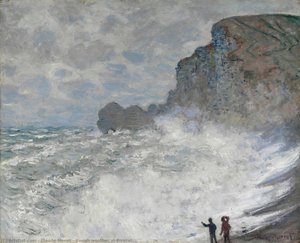
统计数据the manneporte, high seas


Claude Monet’s "The Manneporte" captures the serene beauty of Etretat's dramatic coastline in a quintessential Impressionist style, showcasing waves and boats with light and color. Discover this iconic work and bring its timeless charm into your space.
 阅读全文
阅读全文
探索印象派大师克劳德·莫奈的世界。他以《睡莲》和《堆草》等标志性风景画闻名,擅长捕捉光影与色彩的瞬息万变。
手工油画复制品
由我们的艺术家按需定制,为您提供您所选尺寸及画框的布面手工油画。 ( 切换至版画销售渠道 切换至数字图像销售渠道)




P118B ¥10

P118H ¥10

P118W ¥10

P438Z ¥10

P508JH ¥12

P508YH ¥12

P805H ¥10

P805Z ¥10

P919BZ ¥10

P919G ¥10

P919XJ ¥10

P959ZH ¥10

P968JZ ¥12

W106C ¥8

W218G ¥10

W218JH ¥8

W218Y ¥10

W307PJ ¥10

W316G ¥10

W316PJ ¥8

W316Y ¥10

W398PJ ¥8

W4111J ¥10

W500HY ¥15

W500JH ¥15

W692G ¥12

W849H ¥8

W940BG ¥15

W953PJ ¥8




标准尺寸
定制
CM
INCH
您可以从与原作比例一致的预设尺寸中进行选择。
Loading sizes...

宽度
高度
请输入您需要的宽度和高度,以适配您的画框或墙面。由于作品为手工绘制,若您选择不同的尺寸比例,艺术家可能会在画面边缘多画一些或稍作裁剪 —— 由您决定。在开始绘画之前,我们会为您发送一份数字效果图供您确认。本页面上展示的图片并非最终实物 —— 只有效果图才能反映真实结果。
可定制示例:将面部替换为客户照片;添加宠物(例如,将猫替换为狗);在背景中加入隐藏信息;更改背景风景或元素。
下单后,TopImpressionists.com 团队将通过电子邮件联系客户获取具体要求,并提供效果预览图
下单后,TopImpressionists.com 团队将通过电子邮件联系客户获取具体要求,并提供效果预览图


 玻璃选项仅适用于110厘米以下的尺寸。

the manneporte, high seas
复制品材质
复刻品尺寸说明
-


总计金额
¥ 1810
Claude Monet's "The Manneporte, High Seas": A Symphony of Light and Sea
Claude Monet’s “The Manneporte, High Seas,” painted in 1885, is more than a picturesque depiction of the dramatic cliffs of Étretat; it’s a profound meditation on light, atmosphere, and the sublime power of nature. This iconic work, now housed within the Metropolitan Museum of Art's collection, exemplifies Monet’s revolutionary approach to Impressionism – his relentless pursuit of capturing not just what he *saw*, but how he *felt* about what he saw. The painting immediately draws the viewer into a world saturated with color and movement, a testament to Monet’s mastery of translating fleeting moments onto canvas.
Subject Matter and Composition
The subject is undeniably the imposing rock formation known as “The Manneporte” – a natural arch carved by centuries of relentless wave action. This geological marvel dominates the composition, its jagged silhouette rendered with remarkable precision despite Monet’s loose brushwork. The artist skillfully employs a series of boats – ranging from small fishing vessels to larger yachts – to create depth and scale within the scene. A solitary figure is subtly integrated into the foreground, perhaps an observer captivated by the spectacle or engaged in the activity of boating, adding a human element to this otherwise elemental landscape. Monet’s compositional choices prioritize capturing the dynamic interplay between land and sea, emphasizing the constant motion and transformation inherent in the natural world.
Technique and Impressionistic Style
Monet's technique is characteristic of his mature Impressionist style. He utilized broken brushstrokes – short, rapid dabs of pure color applied side-by-side rather than blended – to create an optical illusion of shimmering light and reflection. The painting’s palette is dominated by blues, greens, and grays, reflecting the cool tones of the sea and sky. However, strategically placed touches of ochre, pink, and white capture the sunlight filtering through the clouds and illuminating the rock face. This deliberate manipulation of color creates a vibrant, almost luminous effect, conveying the ephemeral quality of light at sea. The artist’s focus on *plein air* painting – working directly from nature – is crucial to understanding the work's impact; it allowed him to record the immediate sensory experience with unparalleled accuracy.
Historical Context and Symbolism
"The Manneporte, High Seas" was created during a pivotal period in Monet’s career. Following his initial experiments with Impressionism, he solidified his commitment to capturing transient effects of light and atmosphere. Étretat itself held particular significance for Monet; he frequently visited the area, drawn by its dramatic beauty and challenging light conditions. The Manneporte, as a natural landmark, became a recurring subject in his work, symbolizing both the power and fragility of nature. The painting can be interpreted as an exploration of Romantic themes – the awe-inspiring grandeur of the sea and the insignificance of humanity in comparison to its forces.
Emotional Impact and Artistic Legacy
Ultimately, “The Manneporte, High Seas” evokes a profound sense of tranquility and wonder. Monet’s masterful rendering of light and atmosphere transports the viewer to the heart of the scene, allowing them to experience the beauty and power of the ocean firsthand. This painting represents a cornerstone of Impressionism, influencing generations of artists who followed. Its enduring appeal lies in its ability to capture not just a visual image, but also an emotional response – a feeling of connection with nature and a deep appreciation for the fleeting beauty of light.
问答详情
哪种空间能与 克劳德·莫奈 的《the manneporte, high seas》 的色彩相得益彰?
克劳德·莫奈 的《the manneporte, high seas》 的 Neutrals 色调与其推荐的布置空间——Living Room 完美契合。
克劳德·莫奈 的《the manneporte, high seas》 的色彩饱和度如何?
“the manneporte, high seas”的色彩饱和度为Balanced。饱和度描述了色彩呈现的浓郁程度。
克劳德·莫奈 的《the manneporte, high seas》 是什么类型的艺术品?
“the manneporte, high seas”是一件WallArt作品。
相关艺术品


艺术家简介
光与影的沉浸:克劳德·莫奈的世界
奥斯卡·克劳德·莫奈,这个与印象派紧密相连的名字,不仅仅是一位风景画家;他更是一位捕捉瞬息万变的记录者,一位光与色彩的诗人。1840年11月14日出生于巴黎,他的早年生活在五岁时经历了一次意想不到的转折,全家搬到了诺曼底的勒阿弗尔。尽管父亲最初希望他从事商业事业,但年轻的克劳德天生的艺术天赋很快便显露出来,首先体现在他在当地出售的炭笔漫画中——这既证明了他的技艺,也展现了他的创业精神。然而,与欧仁·布代因的相遇成为了他人生中的关键转折点。布代因不仅教会了莫奈绘画的技巧,更在他心中种下了革命性的思想:进行en plein air(户外写生)——直接从自然中汲取灵感——这种实践方式将定义他整个艺术生涯。
莫奈在巴黎开始了正规训练,最初在瑞士学院短暂学习,后来师从夏尔·布莱尔。在这里,他与奥古斯特·雷诺阿等同伴艺术家建立了深厚的友谊,这种纽带建立在共同的艺术挫折感以及摆脱传统学院派绘画束缚的渴望之上。他的早期作品虽然展现了技术上的熟练度,但仍缺乏那种即将定义其风格的独特声音。随后经历了一段动荡时期——普法战争迫使莫奈前往伦敦寻求庇护,在那里他沉浸在J.M.W.特纳等英国风景大师的作品中,汲取着他们作品中的大气效果与创新的色彩运用。
审美革命的诞生
回到法国后,莫奈成为了新兴艺术叛乱的核心人物。由于对沙龙保守的标准感到不满,他与其他志同道合的艺术家联手组织了独立展览。1874年的那场展览对于莫奈乃至整个艺术界来说都是一个分水岭。正是通过这次展览,他的画作《印象·日出》(Impression, soleil levant)——一幅描绘黎明时分勒阿弗尔港口朦胧景象的作品——展现在世人面前,而带有嘲讽意味的“印象主义”一词也由此诞生。然而,这个名字最终被保留了下来,并演变成一种荣誉勋章,象征着一场旨在捕捉场景主观*印象*而非精确再现的艺术运动。
莫奈标志性的风格在这一时期蓬勃发展:松散且可见的笔触、鲜艳且通常不经混合而并列应用的色彩(这种技术被称为“碎色”法),以及对捕捉光线瞬息万变特性的坚定关注。他孜孜不倦地追求plein air实践,通过快速作画来记录他在环境变化改变场景之前的直接感知。这种奉献精神不仅仅是为了描绘他所*见*到的事物,更是为了记录他对这一切的*感受*——这与当时的艺术惯例实现了彻底的决裂。
吉维尼:光与反射的天堂
1883年,莫奈定居在巴黎西北部的吉维尼,建立了一个家园与花园,这里成为了他的避难所,也是他最大的灵感源泉。他精心将这处房产改造成了一座华丽的乐园,拥有异域花卉、垂柳,以及最著名的——一座横跨在水莲池上的日本桥。这不仅仅是一个装饰性的花园;它更是一个活生生的实验室,莫奈可以在受控的环境中研究光线在水面、叶片和倒影上的作用。
他生命的最后几十年几乎完全致力于描绘吉维尼的水莲池。他开启了宏伟的《睡莲》(Nymphéas)系列创作,通过巨大的画布将池塘表面描绘成一片不断变幻的色彩与光影织锦。这些作品并非仅仅是花卉的绘画;它们是一种沉浸式的体验,旨在让观众沉浸在宁静的美感与冥想的静谧之中。这些作品的规模令人震撼,它推向了传统绘画的边界,并预示了抽象表现主义的到来。
传承:对艺术史的深远影响
克劳德·莫奈对艺术史的影响是无法估量的。他不仅是印象派的创始人,更从根本上改变了艺术家感知和表现周围世界的方式。他对主观经验的强调、对plein air写生技法的拥护以及其创新的技术手段,为现代艺术探索抽象与非具象形式铺平了道路。
莫奈在生前取得了相当大的商业成功——这在那个时代的先锋艺术家中实属罕见。他的作品至今仍持续激发着全世界观众的敬畏之情,巩固了他作为西方艺术史上最重要人物之一的地位。他于1926年12月5日逝世,留下的遗产在历代艺术家和艺术爱好者心中激荡不已。他的杰作被收藏于巴黎奥赛博物馆和马莫丹·莫奈博物馆等著名机构,确保了他的视觉愿景能够继续照亮世界。
核心艺术技法
- 户外写生 (Plein Air Painting): 他艺术发展的核心,允许对光线和大气进行直接观察。
- 碎色法 (Broken Color): 将纯色的细小笔触并列应用,以实现视觉上的色彩混合。
- 系列绘画 (Series Painting): 在不同的光照和天气条件下描绘同一主题——展示了时间与光线的转化力量。

克劳德·莫奈
1840 - 1926 , 法国
快速概览
- Artistic Movement Or Style: 印象派
- Artists Or Movements Influenced By This Artist: ['现代艺术']
- Artists Who Influenced This Artist:
- 欧仁·布代恩
- J.M.W. 汤纳
- Date Of Birth: 1840年11月14日
- Date Of Death: 1926年12月5日
- Full Name: 奥斯卡·克劳德·莫奈
- Nationality: 法国人
- Notable Artworks:
- 印象·日出
- 睡莲系列
- 麦堆
- 鲁昂大教堂
- Place Of Birth: 巴黎,法国
相关文章

Capturing the Light: A Journey Through the Ethereal Magic of Impressionism and Post-Impressionism
Embark on a cultural journey through the luminous world of Impressionism. Discover the profound beauty of Monet, Van Gogh, and Cézanne through expert art history insights and explore how to bring these timeless masterpieces into your home with museum-quality hand-painted reproductions.


