


 实景预览
实景预览
 发送
发送 分享
分享
 详情
详情 指南
指南

 下载图片
下载图片
 相似作品
相似作品 X射线
X射线 幻灯片播放
幻灯片播放 统计数据
统计数据Lyndra, Sunset, Aldbourne

Explore 'Lyndra, Sunset, Aldbourne' by Derwent Lees – a captivating Australian Post-Impressionist portrait. Discover its textured oil painting & evocative rural scene.
Discover Derwent Lees (1884-1931), Australian landscape painter & Slade School artist. Explore his Post-Impressionist style, Fauvist connections, and poignant story as the only Australian at the 1913 Armory Show. His career was tragically cut short b
 阅读全文
阅读全文
艺术微喷/版画
博物馆级艺术微喷或帆布版画,制作高效,并提供多种饰面选择。 ( 订购此收藏品的纯手工复刻画作 切换至数字图像销售渠道)




































标准尺寸
定制
CM
INCH
您可以从与原作比例一致的预设尺寸中进行选择。
Loading sizes...

宽度
高度
您可以输入自定义尺寸,以适配特定的画框或空间。如果您选择的尺寸与原图比例不符,我们将对作品进行裁剪,或通过镜像填充/纯色填充边缘的方式来扩展图像。在开始制作之前,我们会向您发送一份数字效果图供您确认。
请注意,屏幕上的预览并不能反映实际的裁剪或扩展效果。只有效果图才能准确展示最终的构图。
虽然我们提供定制尺寸,但为了保持原图比例,我们建议您从预设列表中选择尺寸。


 玻璃选项仅适用于110厘米以下的尺寸。

Lyndra, Sunset, Aldbourne
艺术微喷/版画
复刻品尺寸说明
-


总计金额
$ 69


艺术家简介
A Life Defined by Light and Shadow
The story of Derwent Lees is one of profound resilience and a relentless pursuit of beauty amidst personal tragedy. Born Desmond Lees in the rugged landscape of Hobart, Tasmania, his early years were marked by a pivotal moment of hardship that would forever alter his physical journey. At the age of nineteen, a riding accident resulted in the amputation of his left foot, yet this physical limitation could not tether his soaring artistic spirit. Instead, it seemed to sharpen his focus on the ephemeral qualities of the world around him. Driven by an unyielding ambition, Lees moved from Australia to London in 1905, seeking the rigorous academic training that would eventually allow him to translate his inner visions onto canvas.
Enrolling at the prestigious Slade School of Fine Art, Lees entered a vibrant intellectual ecosystem. It was here that he forged enduring bonds with fellow luminaries such as Augustus John and James Dickson Innes. Together, this creative quartet sought inspiration in the dramatic landscapes of Nant Ddu, Wales, where the interplay of mist, mountain, and light became a central theme in their collective explorations. These summer retreats were more than mere painting excursions; they were crucibles of intense creative energy, allowing Lees to refine a style that balanced the delicate observations of Impressionism with a burgeoning, more expressive intensity.
The Convergence of Impressionism and Fauvism
Lees’s technical evolution is a fascinating study in the blending of disparate movements. He was deeply enamored with the Impressionist masters, particularly Monet and Sisley, adopting their reverence for the fleeting moment and the atmospheric weight of light. His canvases often capture the tranquil beauty of a sunset or the shimmering surface of a lake, utilizing loose, textured brushstrokes to evoke a sense of movement and air. However, to categorize him solely as an Impressionist would be to overlook the striking emotional depth found in his more experimental works.
As his career progressed, a Fauvist influence began to permeate his palette. He moved beyond mere observation toward a more subjective expression, utilizing jarring colors and expressive distortions to convey psychological weight. This stylistic tension—between the serene light of his landscapes and the raw, emotive power of his color choices—mirrors the duality of his own life. His work often feels as though it is caught in a struggle between the external world's tranquility and an internal, unsettling turbulence, perhaps reflecting the mental illness that would later tragically curtail his prolific career.
A Visionary on the Global Stage
The historical significance of Derwent Lees extends far beyond the borders of Australia. In 1913, he achieved a monumental milestone by becoming the sole Australian artist to participate in the groundbreaking Armory Show in New York City. This exhibition, which introduced much of the American public to the radical avant-garde movements of Europe, placed Lees at the very center of the international artistic dialogue. His presence in such a pivotal moment solidified his reputation as a visionary painter capable of navigating the complexities of modernism.
Despite the tragic conclusion of his life in 1931, the legacy of Derwent Lees remains etched in the annals of art history. His ability to weave together the following elements makes his body of work uniquely enduring:
- Atmospheric Mastery: A profound ability to capture the ephemeral qualities of light and weather.
- Stylistic Synthesis: The seamless integration of Impressionistic softness with Fauvist intensity.
- Emotional Resonance: A rare capacity to imbue landscapes with a sense of human vulnerability and psychological depth.
- International Impact: His role as a bridge between the Australian landscape tradition and the global avant-garde.
Today, when we look upon his works, such as 'Evening' or 'Lyndra, Sunset, Aldbourne', we do not merely see landscapes; we witness a soul attempting to capture the infinite within the finite, leaving behind a luminous trail of color that continues to haunt and inspire.

Derwent Lees
1884 - 1931 , Australia
快速概览
- Artistic Movement Or Style: Post-Impressionism
- Artists Or Movements Influenced By This Artist: ['Fauvism']
- Artists Who Influenced This Artist:
- Augustus John
- James Dickson Innes
- Date Of Birth: 1884
- Date Of Death: 1931
- Full Name: Derwent Lees
- Nationality: Australian
- Notable Artworks:
- Evening
- Lyndra, Sunset, Aldbourne
- Place Of Birth: Hobart, Australia
相关文章

The Beauty of Impermanence: Capturing Decay through Impressionist Eyes
Explore the profound beauty of impermanence through Impressionist and Post-Impressionist eyes. Discover how masters like Monet and Van Gogh captured fleeting light and the poetic essence of nature's transitions in our deep dive into art history and emotional landscapes.

Capturing the Soul: The Most Emotionally Moving Impressionist and Post-Impressionist Masterpieces
Discover the profound emotional depth of Impressionist and Post-Impressionist masterpieces. Explore how legends like Monet, Van Gogh, and Gauguin captured light and soul through evocative landscapes and vibrant brushwork for a timeless connection to art history.
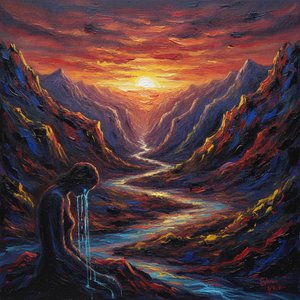
Capturing Emotion: A Journey Through the Soul of Expressionist Landscapes
Explore the profound emotional depth of Expressionist landscapes. Discover how Post-Impressionist masters moved beyond light to capture the soul through vibrant color and form. A curated journey for true art lovers seeking the beauty of expressive mastery.

Beyond the Light: Capturing Raw Emotion and Subjective Vision in Post-Impressionist Landscapes
Explore the profound emotional depth of Post-Impressionist landscapes. Discover how masters like Van Gogh moved beyond light to capture raw human feeling through vibrant color and expressive texture in this expert art history retrospective.
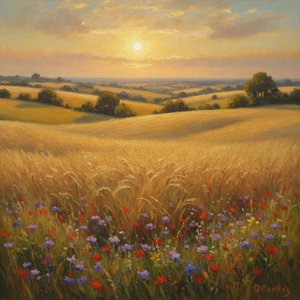
Golden Fields & Sun-Drenched Meadows: Capturing the Soul of Impressionist Landscapes
Immerse yourself in the luminous world of Impressionist landscapes. Discover how masters like Monet and Gauguin captured ephemeral light through plein air painting, and learn to bring the soul of sun-drenched meadows into your home with exquisite, hand-painted oil reproductions.