


 实景预览
实景预览
 发送
发送 分享
分享
 详情
详情 指南
指南

 下载图片
下载图片
 相似作品
相似作品 X射线
X射线 幻灯片播放
幻灯片播放 统计数据
统计数据L'Espada


Explore Manet’s ‘L’Espada,’ a striking monochromatic etching of a swordsman. Discover its detailed realism, dramatic lighting & 18th-century style – a captivating piece of art history.
 阅读全文
阅读全文
探索爱德华·马奈 (1832-1883),一位连接现实主义与印象派的关键人物。 欣赏标志性作品如《草地上的午宴》和《奥林匹亚》,以及他对现代艺术的持久影响。 马奈以其大胆的笔触、对现代生活的描绘和挑战传统观念而闻名,是19世纪法国艺术的重要先驱。
手工油画复制品
由我们的艺术家按需定制,为您提供您所选尺寸及画框的布面手工油画。 ( 切换至版画销售渠道 切换至数字图像销售渠道)




P118B ¥10

P118H ¥10

P118W ¥10

P438Z ¥10

P508JH ¥12

P508YH ¥12

P805H ¥10

P805Z ¥10

P919BZ ¥10

P919G ¥10

P919XJ ¥10

P959ZH ¥10

P968JZ ¥12

W106C ¥8

W218G ¥10

W218JH ¥8

W218Y ¥10

W307PJ ¥10

W316G ¥10

W316PJ ¥8

W316Y ¥10

W398PJ ¥8

W4111J ¥10

W500HY ¥15

W500JH ¥15

W692G ¥12

W849H ¥8

W940BG ¥15

W953PJ ¥8




标准尺寸
定制
CM
INCH
您可以从与原作比例一致的预设尺寸中进行选择。
Loading sizes...

宽度
高度
请输入您需要的宽度和高度,以适配您的画框或墙面。由于作品为手工绘制,若您选择不同的尺寸比例,艺术家可能会在画面边缘多画一些或稍作裁剪 —— 由您决定。在开始绘画之前,我们会为您发送一份数字效果图供您确认。本页面上展示的图片并非最终实物 —— 只有效果图才能反映真实结果。
可定制示例:将面部替换为客户照片;添加宠物(例如,将猫替换为狗);在背景中加入隐藏信息;更改背景风景或元素。
下单后,TopImpressionists.com 团队将通过电子邮件联系客户获取具体要求,并提供效果预览图
下单后,TopImpressionists.com 团队将通过电子邮件联系客户获取具体要求,并提供效果预览图


 玻璃选项仅适用于110厘米以下的尺寸。

L'Espada
复制品材质
复刻品尺寸说明
-


总计金额
¥ 2145
The Enigmatic Figure of L’Espada
Édouard Manet’s L’Espada, a monochromatic etching completed around 1862, isn't merely a portrait; it’s a carefully constructed tableau vivant—a snapshot of Victorian masculinity imbued with an undercurrent of melancholy and subtle defiance. The subject, identified as Victorine Meurent, a model known for her striking beauty and independent spirit, is depicted in a pose that simultaneously evokes the grandeur of a Spanish bullfighter and the vulnerability of a solitary figure. Manet masterfully captures a moment suspended between action and contemplation, inviting the viewer to decipher the narrative hidden within this seemingly simple scene.
A Fusion of Styles and Influences
The etching’s power lies in its deliberate blending of influences. Manet, a restless innovator, drew inspiration from a diverse range of sources—from the dramatic compositions of Francisco Goya's *Tauromaquia* series to the theatrical poses of Renaissance prints depicting figures like Temperance and Justice. He skillfully adapted elements from these disparate traditions, creating a work that feels both historically rooted and strikingly modern. The backdrop, a meticulously rendered scene of a bullring, echoes Goya’s powerful imagery while Victorine's stance subtly references the allegorical figure of Temperance, suggesting restraint and control. The inclusion of other figures in the background—a group of spectators observing the action—adds to the sense of drama and immediacy.
- Goya’s *Tauromaquia*: Provides the setting and overall atmosphere of a bullfight.
- Renaissance Prints: Influenced Victorine's pose, evoking themes of virtue and control.
- Contemporary Parisian Life: Manet captures a specific moment within the bustling urban landscape of 19th-century Paris.
Technique and Emotional Resonance
Manet’s masterful use of etching technique is central to the work's impact. The stark contrasts between light and shadow, achieved through varying pressures on the metal plate, create a dramatic sense of depth and volume. The sharply defined lines delineate the subject’s form, while subtle tonal variations suggest texture—the folds of his cloak, the sheen of his sword, and the rough surface of the bullring wall. The monochromatic palette amplifies the emotional intensity of the scene, lending it a somber and introspective quality. Victorine's direct gaze at the viewer is particularly arresting, inviting us to share in her quiet contemplation.
Symbolism and Victorian Masculinity
Beyond its formal elements, L’Espada offers a poignant commentary on Victorian masculinity. The figure of the “espada,” or bullfighter, traditionally represented strength, courage, and virility, is here presented with an unexpected vulnerability. Victorine's unconventional attire—a pink cape that deviates from the traditional red—and her detached expression suggest a rejection of conventional expectations. The etching subtly critiques the rigid social codes of the era, hinting at the suppressed emotions and desires beneath the surface of Victorian propriety. It’s a portrait not just of a man, but of a complex and layered individual grappling with his own identity within a restrictive society.
相关艺术品


艺术家简介
巴黎叛逆者:埃杜瓦·马奈的一生与艺术
埃杜瓦·马奈,1832 年出生于巴黎一个舒适的资产阶级家庭,似乎注定无法成为一位革命性的艺术家。他的父亲是一位受人尊敬的法官,希望儿子能在法律或海军领域获得稳定的未来——这些职业符合他们的社会地位。然而,即使在他还是个小男孩的时候,马奈的心就属于艺术。十一岁时,他开始接受正式的绘画课程,尽管后来短暂地师从学院派画家托马斯·库图尔,但他很快发现库图尔僵化的方法令人窒息。这种早期的抵制预示着他将一生都在挑战艺术惯例。马奈对简单复制过去不感兴趣;他致力于捕捉现代巴黎生活的活力——有时甚至是它令人不安的现实。他经常光顾卢浮宫,并非仅仅为了临摹大师的作品,而是为了剖析他们的技巧,从卡拉瓦乔和委拉斯凯兹等艺术家那里学习如何运用明暗来塑造形式并唤起情感。然而,真正点燃马奈创造性道路的是艺术潮流的转变,特别是古斯塔夫·库尔贝倡导的现实主义的兴起。库尔贝坚持描绘没有理想化的日常生活与马奈产生了深刻的共鸣,使他摆脱了历史或神话题材的束缚。打破传统:丑闻与创新
1860 年代是巴黎艺术激荡不安的时期,马奈发现自己正处于其中心。日本浮世绘的传入对他的美学情趣产生了深刻的影响。他被它们扁平透视、大胆构图和引人注目的色彩所吸引,这些元素将成为他自身风格的标志。这种影响与他对学院派精致日益增长的拒绝相结合,导致了震惊并丑化巴黎艺术界的作品。《草地上的午宴》(Le Déjeuner sur l'herbe)于 1863 年在被拒展览(Salon des Refusés)上展出——这是一个为官方沙龙拒绝的作品而设立的展览——成为了争议的焦点。这幅画描绘了一个裸女与两个穿着得体的男人一起野餐,并非仅仅在于裸露本身;而是关于这种裸露是如何呈现的。马奈的人物缺乏传统裸体作品中理想化的形式和神话背景。它们无疑是现代的,以一种令人不安的直接性让观众直面现实。《草地上的午宴》周围的丑闻随着他 1865 年的杰作《奥林匹亚》(Olympia)而加剧。这幅画是对提香《乌尔比诺的维纳斯》的刻意重塑,呈现了一位当代妓女大胆地凝视着观众。毫不妥协的现实主义和挑衅的主题受到了广泛谴责。评论家指责马奈粗俗和艺术无能,但愤怒之下却认识到他正在从根本上改变绘画语言。通往印象派的桥梁:光、笔触与现代生活
虽然马奈从未完全接受“印象派”的称号,但他对该运动的影响是不可否认的。他们分享了对学院派惯例的拒绝以及捕捉光线和氛围转瞬即逝效果的承诺。他与莫奈、雷诺阿、德加等艺术家一起在印象派独立展览中展出,巩固了他作为前卫阵地的关键人物的地位。马奈的技术逐渐转向更松散的笔触,优先考虑形式的印象而非精确的细节。他对色彩进行了实验,经常使用鲜明的对比来创造戏剧性的效果。除了有争议的裸体画外,马奈还探索了各种各样的主题:肖像——包括对他的妻子苏珊娜和艺术家埃米尔·佐拉的引人注目的描绘;巴黎夜生活的场景,如《浮罗莱斯舞厅》(A Bar at the Folies-Bergère),巧妙地捕捉到了现代城市生活中的疏离感和闹剧;以及亲密的家庭场景。他并非仅仅记录这些主题;他正在质疑它们,挑战社会规范并质疑对美的传统观念。遗产与持久的影响
埃杜瓦·马奈于 1883 年因白喉的不幸去世,中断了一段已经彻底改变艺术史进程的职业生涯。尽管他的名誉在他去世后大大提高,但他对年轻艺术家产生的影响是立即显现的,他们将他视为一位解放者。他打破了障碍,挑战了对主题、技巧和艺术目的的传统观念。《奥林匹亚》中妓女直视观众的目光,以及《草地上的午宴》中裸体女性与穿着男士一同野餐的场景,都颠覆了当时人们对艺术的认知。他大胆的笔触和对现代生活的描绘,为后来的印象派画家开辟了新的道路。- 他对捕捉现代生活的重要性为印象派和后印象派铺平了道路。
- 他对笔触和色彩的创新性运用影响了许多代画家的创作。
- 他愿意面对社会上令人不安的事实迫使观众质疑他们自己的假设。

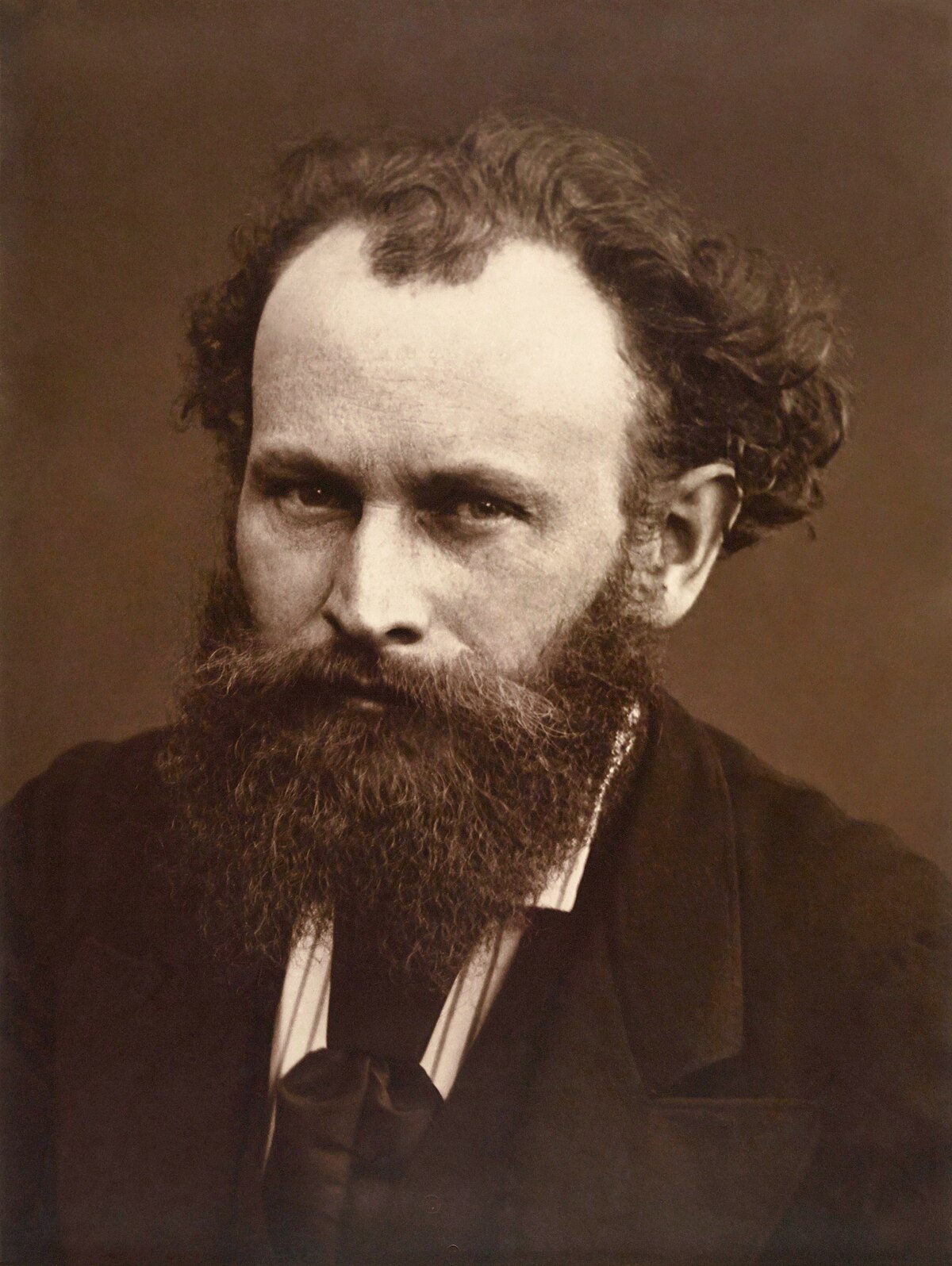
马奈
1832 - 1883 , 法国
快速概览
- Artistic Movement Or Style: 现实主义,印象派
- Artists Or Movements Influenced By This Artist:
- 克劳德·莫奈
- 奥古斯特·雷诺阿
- 爱德加·德加
- 印象派
- Artists Who Influenced This Artist:
- 卡拉瓦乔
- 委拉斯开兹
- 库尔贝
- Date Of Birth: 1832年1月23日
- Date Of Death: 1883年
- Full Name: 爱德华·马奈
- Nationality: 法国人
- Notable Artworks:
- Le Déjeuner sur l'herbe
- Olympia
- A Bar at the Folies-Bergère
- Place Of Birth: 巴黎, 法国
相关文章

The Intricate World of Etching: A Historical Survey of Technique, Aesthetic Evolution, and Enduring Artistic Impact
Explore the rich history of etching, from its origins to modern practice. Discover techniques, key artists like Rembrandt, and insights for collectors. A comprehensive guide by TopImpressionists.

爱德华·马奈:25幅大师杰作,重塑现代艺术与家居美学
探索爱德华·马奈25幅经典画作,领略印象派大师的艺术魅力!从《草地上的午餐》到《奥林匹亚》,深入了解每件作品背后的故事与技法。TopImpressionists.com提供博物馆级高质量油画复制品,为您的家居增添艺术气息。立即探索完整系列!

Édouard Manet: Pioneering Modernism & Challenging Artistic Conventions
Explore the life & art of Édouard Manet, a pivotal figure bridging Realism and Impressionism. Discover his revolutionary techniques, controversial masterpieces like 'Olympia,' and lasting impact on modern art history.

Etching Masters: 10 Legendary Prints That Revolutionized Art | TopImpressionists
Journey through 10 legendary etching masterpieces by Rembrandt, Dürer & Goya. Explore the history of printmaking and discover timeless art for your home. Find museum-quality reproductions at TopImpressionists.com.

蝕刻艺术的历史巡礼:技法、美学特征与持久的艺术意义
深入探索蚀刻艺术的历史、技法与大师之作。专业分析光影线条美学,了解伦勃朗、丢勒等大师的创作秘诀。TopImpressionists.com为您提供高品质油画复制和定制服务,重现经典艺术!


