






























从与原作比例一致的预设尺寸中进行选择。

您可以输入自定义尺寸,以适配特定的画框或空间。如果您选择的尺寸与原图比例不符,我们将对作品进行裁剪,或通过镜像填充/纯色填充边缘的方式来扩展图像。在开始制作之前,我们会向您发送一份数字效果图供您确认。
请注意,屏幕上的预览并不能反映实际的裁剪或扩展效果。只有效果图才能准确展示最终的构图。
虽然我们提供定制尺寸,但为了保持原图比例,我们建议您从预设列表中选择尺寸。

untitled (2766)
复制品尺寸
Edvard Munch's “Untitled (2766),” often referred to as "Woman on the Rocks," isn’t merely a depiction of a figure by the sea; it’s a visceral embodiment of anxiety, isolation, and the profound melancholy that defined the artist’s life. Painted in 1893, during a period of intense personal struggle and burgeoning artistic experimentation, this work stands as a cornerstone of Expressionism, capturing not just an external scene but the turbulent landscape of Munch's inner world. The painting immediately draws the viewer into a space of quiet desperation, a feeling amplified by the muted palette—primarily blues, greys, and ochres—that evokes a sense of perpetual twilight and impending doom.
The subject herself is rendered with an almost unsettling simplicity. A woman sits perched precariously on jagged rocks, her gaze fixed out towards the turbulent sea. Her posture is one of profound contemplation, yet there’s no joy or serenity in her expression; rather, a haunting stillness suggests a deep-seated sadness and perhaps even a sense of foreboding. The loose brushstrokes and distorted perspective contribute to an atmosphere of instability, mirroring the emotional turmoil at play. Notice how Munch deliberately avoids sharp lines or clear definition, opting instead for amorphous shapes that seem to bleed into one another, reflecting the blurring boundaries between reality and inner experience.
Understanding “Untitled (2766)” requires acknowledging the deeply personal context of Edvard Munch’s life. His childhood was marked by a series of devastating losses – the deaths of his mother and sister from tuberculosis, events that instilled in him a lifelong preoccupation with mortality and illness. These experiences weren't simply biographical details; they became the very foundation of his artistic vision, fueling an unrelenting exploration of themes like grief, fear, and the fragility of human existence. The woman on the rocks can be interpreted as a self-portrait, embodying Munch’s own feelings of isolation and vulnerability in the face of overwhelming emotional pain.
Furthermore, the painting resonates with broader Symbolist concerns—the exploration of psychological states through evocative imagery. The sea itself is laden with symbolic weight; it represents both the vastness of the unknown and the potential for destruction. The rocks beneath her feet symbolize instability and precariousness, mirroring the woman’s emotional state. Munch's use of color further reinforces this symbolism: the cool blues and greys evoke a sense of sadness and despair, while the stark contrast between light and shadow heightens the painting’s dramatic effect.
Munch’s technique in “Untitled (2766)” is characterized by its raw emotionality and expressive brushwork. He employed a method of applying paint directly to the canvas, often with his fingers or palette knife, creating a textured surface that adds to the painting's tactile quality. The loose, swirling strokes convey a sense of movement and turbulence, mirroring the subject’s inner turmoil. The use of color is equally significant; Munch deliberately avoids naturalistic representation, opting instead for colors that are emotionally charged and symbolic. He was deeply influenced by Impressionism and Post-Impressionism, but he pushed these movements in new directions, prioritizing emotional expression over objective observation.
Notably, the painting’s composition is deceptively simple yet profoundly effective. The woman's placement on the rocks creates a sense of imbalance and precariousness, drawing the viewer's eye to her isolated figure. The distant boats in the background offer a subtle suggestion of human connection, but they also serve to emphasize the woman’s solitude. Munch masterfully uses these compositional elements to create a powerful and enduring image of emotional isolation.
“Untitled (2766)” remains one of Edvard Munch's most iconic works, captivating viewers with its haunting beauty and profound psychological depth. It’s a testament to the artist’s ability to translate his own inner turmoil into a visual language that resonates deeply with audiences across generations. Reproductions of this painting continue to be highly sought after by collectors and interior designers alike, drawn to its evocative power and timeless appeal. Its enduring relevance speaks volumes about Munch's pioneering role in shaping modern art and his profound understanding of the human condition.

1863 - 1944 , 瑞典
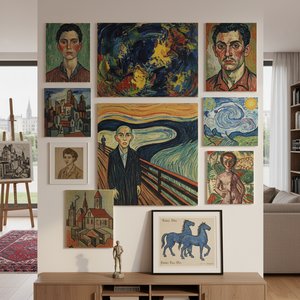
探索表现主义的灵魂!本文精选十幅名作,从莫迪里亚尼到夏加尔,揭秘大师背后的故事与艺术魅力。感受色彩的力量,重塑您的家居空间。TopImpressionists.com 提供博物馆品质的艺术复制品和个性化装饰方案。立即在线探索全系列!

深入探索表现主义绘画的起源、核心理念与持久影响。从《呐喊》到德国桥社,了解艺术史上的重要运动,并获取专业的收藏和鉴赏建议。TopImpressionists.com为您提供高品质油画复制及定制服务。
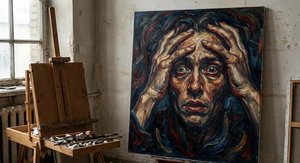
深入探索20世纪具象表现主义:从德国桥社到抽象表现主义的演变。专业艺术分析,收藏指南与高品质油画复制尽在TopImpressionists.com。

探索爱德华·蒙克25幅传世杰作,感受表现主义大师笔下的焦虑与灵魂深处。高清油画复制、艺术品购买及室内装饰灵感尽在TopImpressionists.com!发现更多经典名画。

Explore 10 legendary 'Acrylic on Paper' masterpieces by artists like Helen Frankenthaler & Gerhard Richter. Discover abstract expressionism, color field painting & the evolution of modern art. Find museum-quality reproductions for your home at TopImpressionists.com.


第一时间获取最新的艺术新闻、独家优惠及装饰灵感。
向我们介绍您的项目需求,我们的艺术专家将为您提供 3 个个性化的艺术品推荐。
由我们的专家为您精选 3 款心仪之作 —— 完全免费!

 Preview
 定制手绘复刻品
 分享
分享 分享
分享
 详情
详情

 下载
下载
 相似作品
相似作品 X射线
X射线 幻灯片播放
幻灯片播放

 展开详情
展开详情









 玻璃选项仅适用于110厘米以下的尺寸。


