





























从与原作比例一致的预设尺寸中进行选择。

您可以输入自定义尺寸,以适配特定的画框或空间。如果您选择的尺寸与原图比例不符,我们将对作品进行裁剪,或通过镜像填充/纯色填充边缘的方式来扩展图像。在开始制作之前,我们会向您发送一份数字效果图供您确认。
请注意,屏幕上的预览并不能反映实际的裁剪或扩展效果。只有效果图才能准确展示最终的构图。
虽然我们提供定制尺寸,但为了保持原图比例,我们建议您从预设列表中选择尺寸。

untitled (7409)
复制品尺寸
Edvard Munch's "Untitled (7409)," painted in 1893, isn’t merely a depiction of a hospital scene; it’s a visceral plunge into the heart of human suffering. This work, residing within the extensive collection at the Munch Museum in Oslo, stands as a cornerstone of Expressionism, capturing not just an image but a profound emotional state—a feeling of overwhelming dread and impending doom. The painting immediately confronts the viewer with a chaotic yet carefully orchestrated composition, dominated by a central figure – a woman standing near a bed – whose posture and gaze convey a palpable sense of distress. Around her swirl other individuals, their faces obscured or rendered in shades of gray, contributing to an atmosphere of isolation and unease.
Munch’s technique is deliberately raw and unsettling. He employs loose, agitated brushstrokes, particularly evident in the swirling patterns of the background – a suggestion of turbulent skies or perhaps even the suffocating confines of the hospital itself. The color palette is muted, dominated by somber blues, grays, and ochres, punctuated by the jarring red of the woman’s dress, which acts as a focal point of intense anxiety. This deliberate use of color isn't descriptive; it’s symbolic – representing not just physical appearance but also emotional intensity. The lack of sharp detail forces the viewer to focus on the overall mood and feeling conveyed rather than precise representation.
To understand “Untitled (7409),” one must delve into the artist’s deeply personal history. Munch's life was relentlessly shaped by loss, illness, and a pervasive sense of melancholy. His childhood was marked by the early deaths of his mother and sister from tuberculosis – diseases that cast a long shadow over his artistic vision. This experience instilled in him a profound preoccupation with mortality, sickness, and the fragility of human existence—themes that permeate much of his oeuvre. The hospital setting itself is laden with symbolic weight; it represents not just a place of healing but also a space of vulnerability, confinement, and the inevitable approach of death.
Furthermore, Munch’s own struggles with mental illness – exacerbated by family history – fueled his artistic explorations. He famously described his creative process as “soul painting,” striving to capture not just external reality but also the inner landscape of emotions and anxieties. "Untitled (7409)" embodies this approach perfectly, offering a glimpse into the tormented psyche of an artist grappling with profound personal demons.
The figures within the painting are deliberately ambiguous, their identities obscured by the overall atmosphere of despair. The woman near the bed is not simply observing; she’s caught in a state of intense emotional turmoil, mirroring the viewer's own potential anxieties. The two individuals standing nearby could represent visitors or attendants, adding to the sense of helplessness and isolation. The clock hanging on the wall above the bed serves as a stark reminder of the relentless passage of time—a constant pressure against the backdrop of suffering.
Notably, Munch’s use of light is equally significant. It's diffused and melancholic, casting long shadows that heighten the sense of unease. The overall composition creates a claustrophobic effect, trapping the figures within a space of psychological confinement. The painting isn’t about a specific event; it’s about capturing a universal human experience—the feeling of being overwhelmed by anxiety, loss, and the awareness of mortality.
"Untitled (7409)" remains a powerfully resonant work of art over a century after its creation. Its enduring appeal lies in its ability to tap into fundamental human emotions—fear, grief, isolation, and despair. It’s a testament to Munch's genius that he could translate such complex psychological states onto canvas with such raw honesty and emotional intensity. Reproductions of this piece offer an opportunity to bring this evocative image into any space, serving as a poignant reminder of the complexities of the human condition.

1863 - 1944 , 瑞典

Explore the rich symbolism of the red dress in art history! From ancient power displays to iconic portraits like Cézanne’s 'Madame Cezanne', discover the cultural and artistic significance behind this captivating color. Expert analysis & insights.

Explore 10 defining German Expressionism masterpieces – from Munch's 'The Scream' to Kandinsky’s abstracts. Discover the artists, stories & bold colors behind this powerful art movement. Find museum-quality reproductions at TopImpressionists.com.
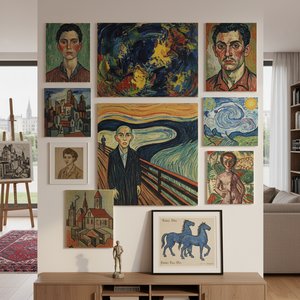
探索表现主义的灵魂!本文精选十幅名作,从莫迪里亚尼到夏加尔,揭秘大师背后的故事与艺术魅力。感受色彩的力量,重塑您的家居空间。TopImpressionists.com 提供博物馆品质的艺术复制品和个性化装饰方案。立即在线探索全系列!

Explore the powerful world of Ernst Ludwig Kirchner and German Expressionism. Discover his iconic paintings, Die Brücke group, and the movement's exploration of urban anxiety & modern identity. Expert analysis for collectors & enthusiasts.


第一时间获取最新的艺术新闻、独家优惠及装饰灵感。
向我们介绍您的项目需求,我们的艺术专家将为您提供 3 个个性化的艺术品推荐。
由我们的专家为您精选 3 款心仪之作 —— 完全免费!


 效果预览
效果预览
 购买手绘画作
 分享
分享 分享
分享
 详情
详情

 下载
下载
 相似作品
相似作品 X射线
X射线 幻灯片播放
幻灯片播放
 展开详情
展开详情









 玻璃选项仅适用于110厘米以下的尺寸。


