实景预览
实景预览
 分享
分享 分享
分享
 详情
详情 指南
指南

 下载作品
下载作品
 相似作品
相似作品 X射线
X射线 幻灯片播放
幻灯片播放 Q&A
Q&A 统计数据
统计数据Freight Car at Truro


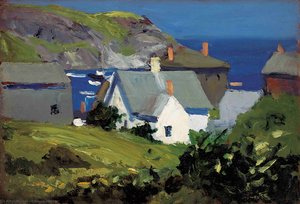
Edward Hopper’s ‘Freight Car at Truro,’ a masterful Social Realism painting from 1931 captures the poignant solitude of rural America. Its stark lighting and minimalist composition evoke a profound sense of quiet contemplation, inviting viewers to explore this iconic piece.
 展开全文
展开全文
“美国现实主义大师霍珀:以独特的光影技巧和对孤独的深刻捕捉,创作了《夜猫》等经典作品。探索他的艺术风格与历史意义,激发人们对生活中的宁静思考。”
艺术微喷/版画
博物馆级艺术微喷或帆布版画,制作高效,并提供多种饰面选择。 ( 订购纯手工绘制画作 切换至数字图像销售渠道)




P118B ¥10

P118H ¥10

P118W ¥10

P438Z ¥10

P508JH ¥12

P508YH ¥12

P805H ¥10

P805Z ¥10

P919BZ ¥10

P919G ¥10

P919XJ ¥10

P959ZH ¥10

P968JZ ¥12

W106C ¥8

W218G ¥10

W218JH ¥8

W218Y ¥10

W307PJ ¥10

W316G ¥10

W316PJ ¥8

W316Y ¥10

W398PJ ¥8

W4111J ¥10

W500HY ¥15

W500JH ¥15

W692G ¥12

W849H ¥8

W940BG ¥15

W953PJ ¥8




标准尺寸
定制
CM
INCH
您可以从与原作比例一致的预设尺寸中进行选择。
Loading sizes...

宽度
高度
请输入您所需的宽度和高度,以适配您的画框或墙面。由于印刷品只能进行裁剪,无法超出原图尺寸,因此若比例不一致,画面的一部分将会被裁切。在正式印刷之前,我们会为您发送一份数字效果图供您确认。本页面显示的图片并非最终裁剪后的效果——只有效果图才能展示真实的裁剪情况。


 玻璃选项仅适用于110厘米以下的尺寸。

Freight Car at Truro
艺术微喷/版画
复刻品尺寸
-


最终结算价
¥ 464
A Symphony of Solitude: The Quiet Power of Freight Car at Truro
In the vast, sweeping landscape of American art, few images capture the heavy, cinematic silence of a moment quite like Edward Hopper’s Freight Car at Trurol. Painted in 1931, this masterpiece serves as more than just a depiction of a railway car resting on its tracks; it is a distilled essence of the American experience during the Great Depression. As the viewer's eye meets the stark, vibrant red of the train car, they are immediately transported to a rural New England setting, where the afternoon light feels diffused and heavy with memory. There is a profound stillness here, a sense that the world has paused to catch its breath, leaving us to contemplate the beauty found in isolation.
Hopper, a master of Social Realism, eschewed the idealized, romanticized landscapes of his predecessors. Instead, he turned his gaze toward the unvarnished truth of everyday life, imbuing even the most mundane subjects with deep psychological resonance. In this work, the composition is deceptively simple: a solitary freight car set against a backdrop of distant, rolling hills. Yet, within this simplicity lies a complex emotional architecture. The warmth radiating from the reds and oranges of the train creates a striking visual tension against the cool, receding blues and greens of the countryside, amplifying the sense of a singular object—and perhaps a singular soul—standing apart from the world.
Technique and the Architecture of Light
The emotional impact of this painting is inseparable from Hopper’s meticulous technical execution. He employed a sophisticated layering technique, using thin washes of oil paint to build up tonal gradations that capture the subtle, fleeting nuances of light and shadow. This painstaking approach allows the light to appear as if it is not merely hitting the surface of the canvas, but emerging from within it. The way the light grazes the metallic edges of the car and settles into the shadows of the tracks creates a tactile realism that draws the collector closer to the scene.
For the interior designer or art enthusiast, this painting offers a unique versatility. Its balanced color palette—anchored by bold primary tones but softened by earthy, natural hues—allows it to serve as a commanding focal point in a variety of settings. Whether placed in a modern, minimalist gallery space or a more traditional, cozy study, the work brings with it an atmosphere of quiet contemplation and sophisticated gravity. It does not demand attention through noise, but rather through a steady, enduring presence.
Historical Resonance and Emotional Depth
To look upon Freight Car at Truro is to witness the visual language of an era marked by economic hardship and social anxiety. Created during a period of profound displacement in American society, the painting speaks to the pervasive feeling of disconnection that characterized the early 1930s. Hopper deliberately avoids a clear narrative; there are no figures engaged in conversation, no obvious movement toward a destination. This ambiguity is intentional, inviting each viewer to project their own stories of longing and solitude onto the canvas.
The painting functions as a mirror for the human condition, exploring themes of loneliness not as a tragedy, but as a fundamental state of being. It captures that specific, electric tension found in the pauses between life's major events. For those seeking to bring a piece of art history into their homes, this reproduction offers more than just aesthetic beauty; it offers a window into the soul of 20th-century America, providing a permanent sense of peace and profound reflection within any living space.
常见问题与解答
"Freight Car at Truro" 营造了怎样的氛围?
爱德华·霍珀 的《Freight Car at Truro》 的艺术氛围被描述为 Calm。这种分类有助于将作品与特定的空间环境相匹配。
考虑到其色彩搭配,建议将 爱德华·霍珀 的《Freight Car at Truro》 悬挂在哪个房间?
凭借其Neutrals的色调,爱德华·霍珀 的《Freight Car at Truro》非常适合布置在Living Room中。其色彩搭配正是这一推荐的核心原因。
“Freight Car at Truro”代表了爱德华·霍珀艺术生涯的哪个阶段?
“Freight Car at Truro”创作于爱德华·霍珀艺术生涯的Mature Period时期。这一时期标志着该作品与艺术家艺术风格演进的紧密关联。


艺术家简介
孤独的观察者:爱德华·霍珀的一生与艺术
爱德华·霍珀,一个与二十世纪美国生活的寂静和微妙忧郁紧密相连的名字,不仅仅是一位场景画家;他更是一位光影诗人,一位现代人孤独的记录者。1882年出生于纽约州尼克镇,霍珀出身于中产阶级家庭,父母鼓励他的艺术天赋。从童年时期就一丝不苟地标注和签署的素描作品中,可以明显看出他对敏锐观察力和天生的绘画才能有着深刻的热爱。尽管最初受到父母建议,倾向于商业插图这一务实的选择,霍珀的志向却指向了美术创作,这促使他进入纽约艺术学校学习,师从威廉·梅里特·切斯和罗伯特·亨利。这些早期的经历不仅培养了他的技术技能,也让他对现实主义产生了欣赏之情,并致力于以一种坦诚而真实的姿态描绘世界——不加修饰,赤裸如实。拉尔夫·瓦尔多·爱默生的著作深深地触动了霍珀的心弦,强化了他对个人主义和敏锐观察的信念——这些都将成为他艺术视角的标志性特征。早期的巴黎之旅向他展示了印象派的魅力,然而霍珀很快便脱离了其转瞬即逝的笔触,开辟了一条独属于自己的道路。寻找声音:现实主义与美国场景
霍珀的艺术旅程并非一帆风顺,他一直在探索和发现自己独特的艺术语言,尝试过各种风格,最终才定格在定义了他职业生涯的现实主义中。这并非简单的对现实的复制,而是对其本质的提炼,剥离了多余的细节,以揭示潜在的情感真相。他的画作开始聚焦于日常场景——房屋、餐厅、办公室、酒店房间——这些场景都弥漫着一种静止感,常常伴随着孤独感。他拥有非凡的能力来捕捉人物的心理状态,暗示叙事而不过分明确地表达,光与影的精确描绘不仅仅是描述性的元素,更是情感线索,营造出既引人入胜又令人不安的氛围。早期作品《铁路旁的房屋》(1925)就是一个很好的例子——一个看似简单的构图,却散发出一种深刻的孤独和神秘感。霍珀的版画创作与绘画并行不悖,主题和风格相似,展示了他对多种媒介的精通。他并非关注宏大的历史叙事或象征性符号;而是专注于平凡的事物,通过细致的观察和情感共鸣来提升其价值。标志性视野:《夜巡者》及其它
尽管霍珀的职业生涯发展较为缓慢,但某些作品使他获得了广泛的认可。《夜巡者》(1942)无疑是他最著名的画作之一,迅速成为美国文化的象征。这个深夜餐厅的场景,沐浴在冰冷的荧光灯光下,完美地捕捉了现代城市生活中人与人之间的疏离感和匿名性。画面中的人物沉浸在自己的思绪中,尽管彼此靠近,却显得格格不入——这是一个对人类生存状态的深刻评论。《加油站》(1940)以其对美国景观和新兴汽车文化的引人注目的描绘,展示了霍珀对光线和构图的精湛运用。其他值得注意的作品,如《自动点唱机》、《小城市办公室》和《夏日》,都提供了对二十世纪美国社会复杂性的独特见解。这些画作不仅仅是对场所的描绘;更是对情绪、心理和在普通场景中展开的微妙戏剧的探索。他的妻子,《约瑟芬·尼维森·霍珀》,不仅是终生的伴侣,也是他艺术创作中的重要人物,她经常成为他女性形象的模型,为人物塑造做出了重大贡献。主题与遗产:持久的影响
霍珀的作品中反复出现的主题包括城市隔离——即使在人群中也可能体验到的孤独感。他对美国景观进行了探索,无论是乡村还是城市,都强调了其荒凉和空旷。他的作品深入探讨了心理现实主义,以一种超越简单再现的敏感性来探究人物的内心世界。此外,还存在着对更简单过去的怀旧情绪,与对现代生活的复杂性和焦虑的承认并存。霍珀的影响力在后来的艺术家中显而易见,他的独特风格激励了无数画家,包括皮埃尔·桑福德·罗斯,并且继续引起当代艺术家的共鸣,他们寻求捕捉人类经验的本质。- 他的遗产不仅在于其绘画的美丽,更在于它们持久地激发人们思考、唤起情感并提醒我们生活中常常存在的孤独。
- 霍珀的作品之所以能够持续吸引观众,是因为它触及了普遍的主题——孤独、隔离以及在快速变化的世界中寻找意义的渴望。
- 他的画作已成为美国文化的标志性代表,经常被用来象征二十世纪的焦虑和抱负——以及超越二十世纪。
- 霍珀的美学对电影制作人(如阿尔弗雷德·希区柯克)和作家产生了深远的影响,激发了无数探索类似主题的作品,例如疏离感和心理紧张感。

爱德华·霍珀
1931 - 1967 , 美国
艺术家简介
- Artistic Movement Or Style: 现实主义
- Artists Or Movements Influenced By This Artist: ['皮埃尔·桑福德·罗斯']
- Artists Who Influenced This Artist:
- 威廉·梅里特·切斯
- 罗伯特·亨利
- Date Of Birth: 1882年7月22日
- Date Of Death: 1967年5月15日
- Full Name: 爱德华·霍珀
- Nationality: 美国人
- Notable Artworks:
- 夜鷹
- 鐵路旁的房子
- 加油站
- 自動販賣機
- Place Of Birth: 纽约州尼克镇,美国
相关文章

康斯塔布尔大师之作:25幅传世风景画赏析 | TopImpressionists
探索康斯塔布尔的25幅传世杰作!沉浸于英国田园风光,感受浪漫主义绘画大师的光影与色彩。高清油画复制、艺术品购买尽在TopImpressionists.com,为您的家居增添经典之美。立即在线探索完整系列!

当代写实主义:十幅定义时代的艺术杰作
探索当代写实主义的十幅艺术瑰宝!深入了解著名画家及其作品背后的故事,感受现实主义绘画的魅力。TopImpressionists.com为您呈现高清艺术复制品和精选家居装饰方案,让艺术融入生活。立即浏览全系列!

爱德华·霍珀25幅杰作:光影中的美国孤寂与艺术传奇 (Edward Hopper's 25 Masterpieces: American Solitude and Artistic Legacy in Light and Shadow)
探索爱德华·霍珀25幅经典作品,感受美国现实主义的光影魅力与寂静之美。深入了解每件画作背后的故事、艺术技巧及文化意义。TopImpressionists.com提供高清油画复制和精选家居装饰灵感。立即探索完整系列!

Cultivating Visions: A Historical Journey Through Rural Landscapes in Art
Explore the rich history of rural landscape painting with TopImpressionists. Discover Impressionist masterpieces, key artists & movements. Find your perfect serene artwork and bring nature's beauty home.

American Realism's Defining Works: 10 Masterpieces for Your Home
Explore 10 defining American Realism masterpieces – Hopper, Homer & more. Discover the stories behind these iconic paintings and bring timeless art to your home with TopImpressionists's museum-quality reproductions. Explore the full collection online.