


 实景预览
实景预览
 发送
发送 分享
分享
 详情
详情 指南
指南

 下载图片
下载图片
 相似作品
相似作品 X射线
X射线 幻灯片播放
幻灯片播放 统计数据
统计数据untitled (3714)


 阅读全文
阅读全文
手工油画复制品
由我们的艺术家按需定制,为您提供您所选尺寸及画框的布面手工油画。 ( 切换至版画销售渠道 切换至数字图像销售渠道)




P118B ¥10

P118H ¥10

P118W ¥10

P438Z ¥10

P508JH ¥12

P508YH ¥12

P805H ¥10

P805Z ¥10

P919BZ ¥10

P919G ¥10

P919XJ ¥10

P959ZH ¥10

P968JZ ¥12

W106C ¥8

W218G ¥10

W218JH ¥8

W218Y ¥10

W307PJ ¥10

W316G ¥10

W316PJ ¥8

W316Y ¥10

W398PJ ¥8

W4111J ¥10

W500HY ¥15

W500JH ¥15

W692G ¥12

W849H ¥8

W940BG ¥15

W953PJ ¥8




标准尺寸
定制
CM
INCH
您可以从与原作比例一致的预设尺寸中进行选择。
Loading sizes...

宽度
高度
您可以输入自定义尺寸,以适配特定的画框或空间。如果所选尺寸与原图比例不符,我们将通过裁剪作品或添加手绘元素来扩展画面。数字样稿将在制作开始前发送给您确认。
请注意,屏幕预览无法准确反映实际的裁剪或扩展效果,只有样稿才能真实呈现最终的构图。
虽然我们提供定制尺寸服务,但为了保留原作比例,建议您从预设列表中选择尺寸。
可定制示例:将面部替换为客户照片;添加宠物(例如,将猫替换为狗);在背景中加入隐藏信息;更改背景风景或元素。
下单后,TopImpressionists.com 团队将通过电子邮件联系客户获取具体要求,并提供效果预览图
下单后,TopImpressionists.com 团队将通过电子邮件联系客户获取具体要求,并提供效果预览图


 玻璃选项仅适用于110厘米以下的尺寸。

untitled (3714)
复制品材质
复刻品尺寸说明
-


总计金额
¥ 1810
A Silent Symphony of Urban Isolation: Edward Hopper’s “Untitled (3714)”
Edward Hopper's "Untitled (3714)," painted in 1942, isn’t merely a depiction of a diner interior; it’s a distilled essence of modern American loneliness. This deceptively simple scene—an elderly man perched on the steps of a modest house, leaning heavily on a cane—resonates with an almost unbearable quietude, a feeling that has become inextricably linked to Hopper's artistic vision and the anxieties of his era. The painting captures a fleeting moment of solitude, a tableau of human existence stripped bare of connection, rendered in a palette of muted earth tones and punctuated by the stark geometry of urban architecture.
Hopper’s mastery lies not just in observation but in translating that observation into a potent emotional experience. He wasn't interested in grand narratives or dramatic action; instead, he focused on the subtle gestures, the unspoken anxieties, and the pervasive sense of detachment that characterized much of 20th-century American life. The composition is meticulously controlled—the vertical thrust of the building, the horizontal sweep of the steps, all contribute to a feeling of contained stillness. The man’s posture, his slight stoop and the weight of the cane, immediately convey vulnerability and a quiet resignation. It's a portrait not of a specific individual, but of a universal experience: the feeling of being adrift in a vast, impersonal world.
A Study in Light and Shadow – The Painter’s Technique
The painting’s power is deeply rooted in Hopper’s distinctive technique. He employed a predominantly realistic style, yet infused it with a modernist sensibility—a deliberate simplification of forms and an acute awareness of light and shadow. Notice how the diffused afternoon light streams through the windows, casting long, soft shadows that flatten the space and heighten the sense of isolation. The use of ochre, brown, and yellow creates a warm, aged atmosphere, suggesting both time and decay. Hopper’s brushwork is remarkably smooth, almost impersonal—a deliberate choice that reinforces the painting's detached mood. He favored oil paints on canvas, allowing for rich color saturation and subtle gradations of tone.
The meticulous rendering of the building’s facade – the slightly weathered siding, the precise lines of the windows – speaks to Hopper’s painstaking attention to detail. Yet, this precision serves not to create a realistic representation but rather to emphasize the rigidity and artificiality of the urban environment. The rectangular shapes dominate the composition, creating a sense of order that ironically underscores the underlying feeling of alienation.
Symbolism and the American Psyche
“Untitled (3714)” is rich in symbolic resonance. The elderly man himself represents aging, vulnerability, and perhaps even mortality. The cane isn’t simply a walking aid; it's a symbol of dependence and a reminder of time passing. The house, modest and unassuming, suggests a longing for stability and connection—a desire that remains unfulfilled. The darkened street outside the diner further amplifies this sense of isolation, creating a visual barrier between the man and the world beyond.
Hopper’s work frequently explored themes of loneliness, alienation, and the search for meaning in a rapidly changing society. “Untitled (3714)” is a quintessential example of this preoccupation, capturing the quiet desperation of individuals struggling to find their place in an increasingly impersonal world. It's a painting that invites contemplation—a silent conversation about the human condition.
A Legacy of Quiet Observation
Edward Hopper’s influence on American art and culture is undeniable. “Untitled (3714)” stands as one of his most iconic works, embodying his signature style and thematic concerns. Reproductions of this painting continue to resonate with viewers today, offering a poignant glimpse into the complexities of modern life. Its enduring appeal lies in its ability to evoke a powerful emotional response—a sense of melancholy, introspection, and perhaps even a touch of recognition for the quiet solitude that resides within us all.
问答详情
“untitled (3714)” 是什么类型的艺术品?
爱德华·霍珀 的《untitled (3714)》 被归类为 WallArt。该类别描述了原作的艺术形式。
哪里可以买到 爱德华·霍珀 的《untitled (3714)》 的版画?
如需订购 爱德华·霍珀 的《untitled (3714)》 的版画,只需在 本页 进行下单即可:采用棉质帆布或档案级画布纸制作的艺术版画。
“untitled (3714)”背后的艺术家与艺术风格是哪些?
"untitled (3714)" 的背后是 爱德华·霍珀 及其所属的 American Realism 流派。
"untitled (3714)" 的艺术家是谁?
"untitled (3714)" 的创作者是 爱德华·霍珀。该作品以 爱德华·霍珀 的名义编入目录。
爱德华·霍珀 的《untitled (3714)》 在艺术史上的地位如何?
爱德华·霍珀 的《untitled (3714)》 属于 High Medieval 时期的 American Realism 流派。两者共同确立了该作品在艺术史上的地位。
我可以在不同的光线下查看爱德华·霍珀 的《untitled (3714)》吗?
爱德华·霍珀 的《untitled (3714)》 的 X射线检测 页面是一个交互式查看器,您可以通过它逐层滑动浏览作品图像的十一层光学图层,其中还包含 X 光风格的视图。
哪里可以买到爱德华·霍珀 的《untitled (3714)》的手绘复制品?
“untitled (3714)”现已推出亚麻画布手工绘制油画复制品。您可以在本页进行订购,并可自由选择多种尺寸。
艺术家简介
孤独的观察者:爱德华·霍珀的一生与艺术
爱德华·霍珀,一个与二十世纪美国生活的寂静和微妙忧郁紧密相连的名字,不仅仅是一位场景画家;他更是一位光影诗人,一位现代人孤独的记录者。1882年出生于纽约州尼克镇,霍珀出身于中产阶级家庭,父母鼓励他的艺术天赋。从童年时期就一丝不苟地标注和签署的素描作品中,可以明显看出他对敏锐观察力和天生的绘画才能有着深刻的热爱。尽管最初受到父母建议,倾向于商业插图这一务实的选择,霍珀的志向却指向了美术创作,这促使他进入纽约艺术学校学习,师从威廉·梅里特·切斯和罗伯特·亨利。这些早期的经历不仅培养了他的技术技能,也让他对现实主义产生了欣赏之情,并致力于以一种坦诚而真实的姿态描绘世界——不加修饰,赤裸如实。拉尔夫·瓦尔多·爱默生的著作深深地触动了霍珀的心弦,强化了他对个人主义和敏锐观察的信念——这些都将成为他艺术视角的标志性特征。早期的巴黎之旅向他展示了印象派的魅力,然而霍珀很快便脱离了其转瞬即逝的笔触,开辟了一条独属于自己的道路。寻找声音:现实主义与美国场景
霍珀的艺术旅程并非一帆风顺,他一直在探索和发现自己独特的艺术语言,尝试过各种风格,最终才定格在定义了他职业生涯的现实主义中。这并非简单的对现实的复制,而是对其本质的提炼,剥离了多余的细节,以揭示潜在的情感真相。他的画作开始聚焦于日常场景——房屋、餐厅、办公室、酒店房间——这些场景都弥漫着一种静止感,常常伴随着孤独感。他拥有非凡的能力来捕捉人物的心理状态,暗示叙事而不过分明确地表达,光与影的精确描绘不仅仅是描述性的元素,更是情感线索,营造出既引人入胜又令人不安的氛围。早期作品《铁路旁的房屋》(1925)就是一个很好的例子——一个看似简单的构图,却散发出一种深刻的孤独和神秘感。霍珀的版画创作与绘画并行不悖,主题和风格相似,展示了他对多种媒介的精通。他并非关注宏大的历史叙事或象征性符号;而是专注于平凡的事物,通过细致的观察和情感共鸣来提升其价值。标志性视野:《夜巡者》及其它
尽管霍珀的职业生涯发展较为缓慢,但某些作品使他获得了广泛的认可。《夜巡者》(1942)无疑是他最著名的画作之一,迅速成为美国文化的象征。这个深夜餐厅的场景,沐浴在冰冷的荧光灯光下,完美地捕捉了现代城市生活中人与人之间的疏离感和匿名性。画面中的人物沉浸在自己的思绪中,尽管彼此靠近,却显得格格不入——这是一个对人类生存状态的深刻评论。《加油站》(1940)以其对美国景观和新兴汽车文化的引人注目的描绘,展示了霍珀对光线和构图的精湛运用。其他值得注意的作品,如《自动点唱机》、《小城市办公室》和《夏日》,都提供了对二十世纪美国社会复杂性的独特见解。这些画作不仅仅是对场所的描绘;更是对情绪、心理和在普通场景中展开的微妙戏剧的探索。他的妻子,《约瑟芬·尼维森·霍珀》,不仅是终生的伴侣,也是他艺术创作中的重要人物,她经常成为他女性形象的模型,为人物塑造做出了重大贡献。主题与遗产:持久的影响
霍珀的作品中反复出现的主题包括城市隔离——即使在人群中也可能体验到的孤独感。他对美国景观进行了探索,无论是乡村还是城市,都强调了其荒凉和空旷。他的作品深入探讨了心理现实主义,以一种超越简单再现的敏感性来探究人物的内心世界。此外,还存在着对更简单过去的怀旧情绪,与对现代生活的复杂性和焦虑的承认并存。霍珀的影响力在后来的艺术家中显而易见,他的独特风格激励了无数画家,包括皮埃尔·桑福德·罗斯,并且继续引起当代艺术家的共鸣,他们寻求捕捉人类经验的本质。- 他的遗产不仅在于其绘画的美丽,更在于它们持久地激发人们思考、唤起情感并提醒我们生活中常常存在的孤独。
- 霍珀的作品之所以能够持续吸引观众,是因为它触及了普遍的主题——孤独、隔离以及在快速变化的世界中寻找意义的渴望。
- 他的画作已成为美国文化的标志性代表,经常被用来象征二十世纪的焦虑和抱负——以及超越二十世纪。
- 霍珀的美学对电影制作人(如阿尔弗雷德·希区柯克)和作家产生了深远的影响,激发了无数探索类似主题的作品,例如疏离感和心理紧张感。

爱德华·霍珀
1931 - 1967 , 美国
快速概览
- Artistic Movement Or Style: 现实主义
- Artists Or Movements Influenced By This Artist: ['皮埃尔·桑福德·罗斯']
- Artists Who Influenced This Artist:
- 威廉·梅里特·切斯
- 罗伯特·亨利
- Date Of Birth: 1882年7月22日
- Date Of Death: 1967年5月15日
- Full Name: 爱德华·霍珀
- Nationality: 美国人
- Notable Artworks:
- 夜鷹
- 鐵路旁的房子
- 加油站
- 自動販賣機
- Place Of Birth: 纽约州尼克镇,美国
相关文章

The Unvarnished Truth: A Cultural Journey Through the Soul of American Realism
Explore the profound beauty of American Realism. From the Ashcan School's urban grit to intimate portraits, discover how artists captured the authentic soul of a nation through unvarnished truth and masterful observation.
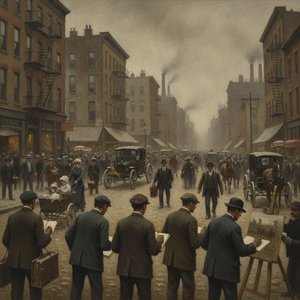
The Ashcan School: Capturing the Raw, Unfiltered Soul of Urban Life through American Realism
Discover the raw beauty of the Ashcan School. Explore how masters like Bellows and Henri captured the gritty, vibrant soul of early 20th-century New York through profound American Realism and evocative urban landscapes.


