


 实景预览
实景预览
 发送
发送 分享
分享
 详情
详情 指南
指南

 下载图片
下载图片
 相似作品
相似作品 X射线
X射线 幻灯片播放
幻灯片播放 统计数据
统计数据The Modena Triptych (front panels)
 Acrylic On Canvas
- WallArt
- Expressionistic Mannerism
 1568
1568 37.0 x 23.0 cm
 Galleria Estense
Discover El Greco's 'The Modena Triptych' (front panels) – a masterpiece of dramatic storytelling and vibrant color from 1568, now available as a stunning hand-painted reproduction.
 阅读全文
阅读全文
埃尔·格列柯(El Greco),西班牙文艺复兴时期杰出画家,以其独特的曼陀罗风格和对宗教题材的深刻诠释闻名。他的作品如《奥尔加兹伯爵葬礼》等,融合了拜占庭传统、威尼斯色彩与罗马风格,预示着未来表现主义和立体主义的到来。
手工油画复制品
由我们的艺术家按需定制,为您提供您所选尺寸及画框的布面手工油画。 ( 切换至版画销售渠道 切换至数字图像销售渠道)




P118B ¥10

P118H ¥10

P118W ¥10

P438Z ¥10

P508JH ¥12

P508YH ¥12

P805H ¥10

P805Z ¥10

P919BZ ¥10

P919G ¥10

P919XJ ¥10

P959ZH ¥10

P968JZ ¥12

W106C ¥8

W218G ¥10

W218JH ¥8

W218Y ¥10

W307PJ ¥10

W316G ¥10

W316PJ ¥8

W316Y ¥10

W398PJ ¥8

W4111J ¥10

W500HY ¥15

W500JH ¥15

W692G ¥12

W849H ¥8

W940BG ¥15

W953PJ ¥8




标准尺寸
定制
CM
INCH
您可以从与原作比例一致的预设尺寸中进行选择。
Loading sizes...

宽度
高度
请输入您需要的宽度和高度,以适配您的画框或墙面。由于作品为手工绘制,若您选择不同的尺寸比例,艺术家可能会在画面边缘多画一些或稍作裁剪 —— 由您决定。在开始绘画之前,我们会为您发送一份数字效果图供您确认。本页面上展示的图片并非最终实物 —— 只有效果图才能反映真实结果。
可定制示例:将面部替换为客户照片;添加宠物(例如,将猫替换为狗);在背景中加入隐藏信息;更改背景风景或元素。
下单后,TopImpressionists.com 团队将通过电子邮件联系客户获取具体要求,并提供效果预览图
下单后,TopImpressionists.com 团队将通过电子邮件联系客户获取具体要求,并提供效果预览图


 玻璃选项仅适用于110厘米以下的尺寸。

The Modena Triptych (front panels)
复制品材质
复刻品尺寸说明
-


总计金额
¥ 1809
The Modena Triptych: A Glimpse into El Greco’s Soul
The Modena Triptych, created in 1568 by the visionary artist Doménikos Theotokopoulos – better known as El Greco – stands as a pivotal work in his artistic journey. More than just a religious depiction, it's a profound exploration of faith, humanity, and the burgeoning Expressionist currents that would later define European art. Housed within the Galleria Estense in Modena, Italy, this tempera painting offers a rare window into El Greco’s unique synthesis of Byzantine tradition, Venetian influence, and his own intensely personal vision. The triptych's three panels – each meticulously rendered with vibrant colors and dramatic lighting – tell layered stories, inviting contemplation on themes of salvation, earthly struggles, and the divine presence within the human experience.
El Greco’s early training in Crete instilled a deep reverence for Byzantine iconography, evident in the meticulous detail and stylized figures. However, his time in Venice exposed him to the dynamism of the Venetian Renaissance, particularly the works of Titian and Tintoretto, which he skillfully integrated into his own style. This fusion is strikingly apparent in the Modena Triptych: the formal rigor of Byzantine painting coexists with a heightened sense of drama, elongated forms, and an emotional intensity that foreshadows the expressive power of later movements. The use of tempera paint – known for its luminous quality and slow drying time – allowed El Greco to build up layers of color and create subtle gradations of light and shadow, contributing significantly to the painting’s ethereal atmosphere.
Panel Breakdown: Narratives of Faith and Humanity
The triptych unfolds as a series of interconnected narratives. The central panel depicts the Adoration of the Shepherds, a scene brimming with symbolic weight. A Christian knight, resplendent in armor, is crowned by Christ – an image laden with meaning representing divine grace and earthly triumph. Below, the shepherds kneel in adoration, their faces etched with reverence. To either side are scenes from the Baptism of Jesus and the Adoration of the Magi, further reinforcing the central theme of salvation through faith. The back panels offer a contrasting perspective, showcasing biblical events such as the Annunciation to Mary, the revelation at Mount Sinai, and the creation of Adam and Eve. These scenes, rendered with a similar level of detail and emotional intensity, underscore the enduring struggle between good and evil, obedience and rebellion, within the human story.
Notably, El Greco’s compositional choices are deliberate and impactful. The figures are elongated and often appear to be caught in moments of intense emotion – a characteristic that would become synonymous with his style. He employs dramatic diagonals and swirling drapery to create a sense of movement and dynamism, drawing the viewer's eye through the complex arrangement of figures and objects. The use of color is equally striking; vibrant reds, blues, and golds dominate the palette, creating a visually arresting effect that amplifies the emotional impact of each scene.
Symbolism and El Greco’s Vision
Beyond their literal depictions, the scenes in the Modena Triptych are rich in symbolism. The presence of Saint Catherine, with her wheel – a potent symbol of martyrdom and devotion – is particularly significant. Her inclusion suggests a connection to El Greco's Cretan roots and his deep faith. The recurring motif of light, often associated with divine illumination, permeates the entire triptych, guiding the viewer’s eye and reinforcing the central theme of spiritual enlightenment. El Greco wasn’t simply illustrating biblical stories; he was attempting to convey a profound emotional experience – a glimpse into the soul of humanity and its relationship with the divine.
The Modena Triptych represents a crucial stage in El Greco's artistic development, bridging the gap between his Byzantine training and his later, more individualistic style. It’s a testament to his ability to synthesize diverse influences – religious iconography, Venetian painting, and his own deeply personal vision – into a uniquely powerful and emotionally resonant work of art. Today, reproductions of this masterpiece offer an accessible way to appreciate the genius of El Greco and experience the enduring power of his artistic legacy.
问答详情
"The Modena Triptych (front panels)" 采用了什么技法,创作于何时?
"The Modena Triptych (front panels)"创作于1568年,采用Acrylic On Canvas技法。
埃尔·格列柯 的《The Modena Triptych (front panels)》 的观众来自哪里?
埃尔·格列柯 的《The Modena Triptych (front panels)》 的 统计数据 页面展示了公开访问统计数据:该作品的每月访问量、与艺术家最受关注作品的对比,以及访客的来源地。
埃尔·格列柯 的《The Modena Triptych (front panels)》 的整体基调是什么?
“The Modena Triptych (front panels)”营造出一种Dramatic的氛围。
艺术家简介
克里特的火焰:埃尔·格列柯的一生与艺术
多梅尼科斯·德托科普洛斯,更广为人知的名字是埃尔·格列柯(“希腊人”),是一位画家、雕塑家和建筑师,他的生活和作品超越了简单的分类。1541 年出生于克里特岛,当时属于威尼斯共和国统治下的王国,他的艺术之旅带领他先后前往威尼斯和罗马,最终在西班牙的精神中心托莱多找到了其终极的表达。埃尔·格列柯并非仅仅是这些地方的产物;他将各种影响融合在一起,创造出一种完全独特的风格,这种风格预示了几个世纪后表现主义的情感强度以及立体主义的分裂形式。他在拜占庭传统中的早期训练赋予了他对细节一丝不苟的关注和对宗教图像学的深刻理解。然而,这个基础并不会束缚他。他用希腊语签署他的作品,经常附加“Krḗs”——克里特人——作为对其起源的骄傲宣言,即使他在探索新的艺术领域。他独特风格的种子不仅在技巧上播下,还在他家乡的热烈宗教氛围和威尼斯艺术的丰富画卷中。从威尼斯到托莱多:一场蜕变
大约 1567 年迁往威尼斯标志着一个关键时刻。沉浸在充满活力的艺术氛围中,埃尔·格列柯学习了大师们——提香、丁托列多和维罗内塞——吸收他们对色彩、构图和戏剧性光线的掌握。他学会了放松他的笔触,拥抱油漆的感官性,并以一种全新的活力来描绘人物。这种威尼斯的影响在早期作品《圣塞巴斯蒂安》(1600 年)中可见一斑,其中解剖细节与近乎戏剧性的光线和阴影无缝融合。此后在罗马逗留的时间使他接触到风格主义,其特点是拉长的人物、扭曲的透视和精致的构图。虽然他展示了相当的天赋,但埃尔·格列柯发现很难在竞争激烈的罗马艺术界获得广泛认可。正是 1577 年迁居托莱多才最终让他独特的视野得以蓬勃发展。当时,这座城市是反宗教改革期间宗教狂热的中心,为他充满强烈精神色彩的绘画提供了赞助和氛围。一种无与伦比的风格
埃尔·格列柯的艺术风格立刻就能认出——而且令人完全着迷。他的形象经常被戏剧性地拉长,他们的身体扭曲成姿势,传达了精神狂喜或深刻悲伤的感觉。这并非单纯的风格修饰;这是试图描绘不可见的东西、超越事物表象的情感和精神现实。他巧妙地运用色彩——并非总是逼真的颜色,而是充满活力且通常是不自然的色调——来增强其作品的情感冲击力。戏剧性的光线,明暗对比强烈,创造了一种戏剧效果,将观众带入场景的中心。《奥尔加茨伯爵的安葬》(1586-1588 年)被认为是他的杰作,完美地体现了这些品质。这幅画描绘了一件奇迹事件——圣徒们降临来埋葬一位虔诚的贵族——以对当代人物的逼真描绘与代表神圣干预的超凡脱俗、拉长的人物形式并列,令人印象深刻。他将拜占庭传统与意大利文艺复兴时期的技巧相结合,创造出一种既创新又极具个人风格的艺术形式。他的后期作品变得越来越神秘,反映了他自己对宗教信仰的深刻信念以及对传统艺术规范日益增长的疏离感。遗产与再发现
尽管他在有生之年取得了相当大的成功——从托莱多教堂和修道院获得了重要的委托——但埃尔·格列柯的作品在他去世后相对默默无闻。几个世纪以来,他被人们忽视,被艺术史学家斥为古怪或地方艺术家。直到 20 世纪,他的天才才开始得到充分的认可。毕加索和布拉克等艺术家将他视为现代艺术的前身,特别是立体主义,欣赏他对扭曲形式和非常规透视的运用。他的表现力风格引起了表现主义者的共鸣,他们试图通过大胆的色彩和戏剧性的构图来传达情感强度。如今,埃尔·格列柯被誉为西方艺术史上的重要人物之一——一位远见卓识的画家,其作品继续以其精神深度、情感力量和独特的艺术视野吸引着观众。他的画作不仅仅是宗教场景的再现;它们是灵魂的窗口,是对信仰持久力量的证明,以及对人类精神超越能力的庆祝。杰出作品
- 《奥尔加茨伯爵的安葬》(1586-1588 年):毫无争议的杰作,将现实主义和精神强度完美融合的宏伟作品。
- 《托莱多景观》(1596-1600 年):一幅戏剧性的风景画,以漩涡状、大气的风格描绘了这座城市,以近乎有远见的方式捕捉了它的本质。
- 《第五印的开启》(1608-1614 年):受启示录一书启发的一系列作品的一部分,这幅画体现了埃尔·格列柯的末世景象和他对戏剧性构图的大师级运用。
- 《圣塞巴斯蒂安》(1600 年):以戏剧性的光线和情感强度相结合,描绘了这位圣徒的有力形象。
- 《基督脱衣》(1577-1579 年):一件早期作品,展示了他对威尼斯影响以及色彩和光线的戏剧性运用。

埃尔·格列柯
1541 - 1614 , 希腊
快速概览
- Artistic Movement Or Style: 曼希主义,巴洛克风格
- Artists Or Movements Influenced By This Artist:
- 表现主义
- 立体主义
- Artists Who Influenced This Artist:
- 提香
- 丁托列多
- Date Of Birth: 1541年10月1日
- Date Of Death: 1614年4月7日
- Full Name: 多梅尼科斯·德托科普洛斯,被称为埃尔·格列柯
- Nationality: 希腊-西班牙国籍
- Notable Artworks:
- 奥尔加斯伯爵的葬礼
- 托莱多景色
- 第五印章开启
- 圣塞瓦斯蒂安
- 基督脱衣
- Place Of Birth: 克里特岛(希腊)
相关文章

马德里普拉多博物馆:25幅不容错过的艺术杰作 | TopImpressionists
探索马德里普拉多博物馆的25幅艺术瑰宝!深入了解委拉斯开兹、戈雅等大师的经典作品,感受巴洛克艺术的魅力。TopImpressionists.com提供精美油画复制品,为您的家居增添艺术气息。立即在线探索完整系列!

Mannerism Explained: The Dramatic Evolution of Renaissance Art and the Rise of El Greco
Explore the dramatic evolution of Mannerism from High Renaissance perfection to El Greco's spiritual intensity. Discover the history, techniques, and enduring legacy of this transformative era through an expert art-history lens.

El Greco: Spirituality, Style & Innovation – A Renaissance Master's Legacy
Explore the captivating world of El Greco! Discover his unique style, spiritual intensity, and lasting impact on art history. Learn about this Renaissance master's life, iconic paintings & legacy.
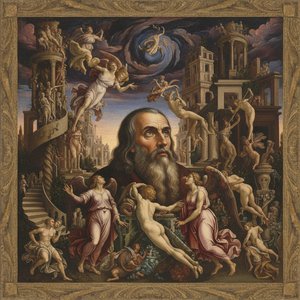
Mannerism Unveiled: The Dramatic Evolution of Renaissance Art and the Visionary Legacy of El Greco
Explore the dramatic transition from High Renaissance harmony to Mannerist tension. Discover how masters like El Greco redefined art through distortion and spiritual intensity. An expert guide for art enthusiasts seeking deep historical context and museum-quality inspiration.

埃尔·格列柯25幅杰作:探索艺术大师的信仰与火焰
探索埃尔·格列柯25幅杰作,领略这位西班牙画家巴洛克风格的宗教绘画魅力。从《圣塞巴斯蒂安》到《沉思者》,感受信仰与艺术的交融。TopImpressionists.com提供高品质油画复制品,为您的家居装饰增添经典之美!探索完整系列作品。


