
 实景预览
实景预览
 分享
分享 分享
分享
 详情
详情 指南
指南

 下载作品
下载作品
 相似作品
相似作品 X射线
X射线 幻灯片播放
幻灯片播放 Q&A
Q&A 统计数据
统计数据Proun 3 A

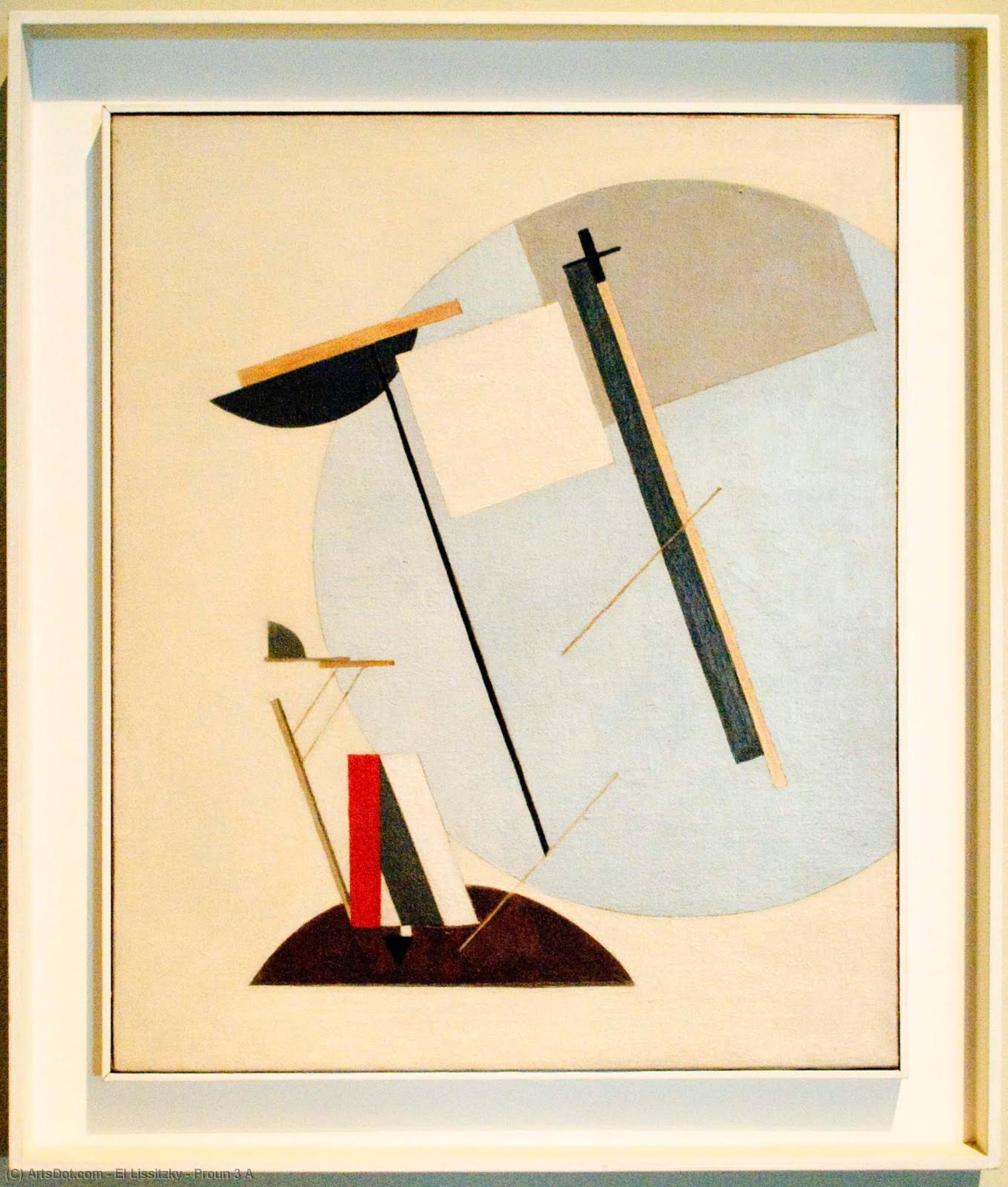
Explore El Lissitzky’s Constructivist masterpiece, Proun 3 A – a striking lithograph featuring a central circle intersected by a cross, embodying revolutionary geometric abstraction and inviting viewers to contemplate its enduring visual impact.
 展开全文
展开全文
埃尔·利西茨基(1890-1941)是俄国先锋艺术家,代表作有“普鲁恩”系列和《设计师》。他融合了构成主义与至上主义,开创了抽象艺术的新纪元,对包豪斯等运动产生深远影响,以其创新性的平面设计、展览设计和摄影蒙太奇而闻名。
艺术微喷/版画
博物馆级艺术微喷或帆布版画,制作高效,并提供多种饰面选择。 ( 订购纯手工绘制画作 切换至数字图像销售渠道)




P118B ¥10

P118H ¥10

P118W ¥10

P438Z ¥10

P508JH ¥12

P508YH ¥12

P805H ¥10

P805Z ¥10

P919BZ ¥10

P919G ¥10

P919XJ ¥10

P959ZH ¥10

P968JZ ¥12

W106C ¥8

W218G ¥10

W218JH ¥8

W218Y ¥10

W307PJ ¥10

W316G ¥10

W316PJ ¥8

W316Y ¥10

W398PJ ¥8

W4111J ¥10

W500HY ¥15

W500JH ¥15

W692G ¥12

W849H ¥8

W940BG ¥15

W953PJ ¥8




标准尺寸
定制
CM
INCH
您可以从与原作比例一致的预设尺寸中进行选择。
Loading sizes...

宽度
高度
请输入您所需的宽度和高度,以适配您的画框或墙面。由于印刷品只能进行裁剪,无法超出原图尺寸,因此若比例不一致,画面的一部分将会被裁切。在正式印刷之前,我们会为您发送一份数字效果图供您确认。本页面显示的图片并非最终裁剪后的效果——只有效果图才能展示真实的裁剪情况。


 玻璃选项仅适用于110厘米以下的尺寸。

Proun 3 A
艺术微喷/版画
复刻品尺寸
-


最终结算价
¥ 463
A Geometric Symphony of Revolution
El Lissitzky’s Proun 3 A stands as a testament to the fervent idealism of Constructivism—a movement that sought to liberate art from representational illusion and forge it into a tool for social transformation. Created in 1920, this lithograph is part of a larger portfolio exploring Lissitzky's groundbreaking concept of Proun, which aimed to visualize the underlying structure of reality itself. Unlike traditional painting, Proun abandons depiction; instead, it presents a complex geometric arrangement designed to convey an emotional and intellectual resonance far beyond mere visual appearance.- Subject Matter: The composition centers around a prominent circle intersected by a cross—a motif that recurs throughout Lissitzky’s Proun series. This seemingly simple form embodies profound symbolic significance, representing the unity of cosmos and human consciousness according to Lissitzky's philosophical framework.
- Style & Technique: Lissitzky’s meticulous execution demonstrates Constructivist precision. Lithography—a printing process known for its ability to reproduce intricate detail—was chosen to capture the essence of Proun’s geometric abstraction. The artist employed a bold palette, utilizing shades of ochre and crimson to heighten the visual impact.
Symbolism Beyond Geometry
Beyond its formal structure, Proun 3 A resonates with deeper symbolic meanings rooted in Lissitzky’s spiritual explorations. The circle represents wholeness and unity—a concept central to Eastern philosophy and embraced by Lissitzky as a means of overcoming Western dualisms. Simultaneously, the cross symbolizes faith and transcendence—a visual counterpoint that underscores the artist's desire to reconcile reason and spirituality.Emotional Impact & Artistic Legacy
Ultimately, Proun 3 A transcends mere aesthetic contemplation; it invites viewers into a dialogue about the nature of reality and the role of art in shaping perception. Lissitzky’s masterful manipulation of geometric form conveys an aura of intellectual conviction—a palpable sense of optimism tempered by awareness of social responsibility. This lithograph remains a cornerstone of Constructivist art, inspiring generations of artists to explore the expressive potential of abstraction while grappling with pressing societal concerns. Its enduring appeal lies in its ability to communicate profound ideas through deceptively simple visual elements—a testament to Lissitzky’s genius as both artist and visionary.常见问题与解答
埃尔·利西茨基 的《Proun 3 A》 描绘了什么内容?
"Proun 3 A" 的描绘主题为 geometric abstraction, russian art, symbolic design, bauhaus influence, avant-garde, circular motif, lithograph print。
"Proun 3 A" 会为空间营造怎样的氛围?
埃尔·利西茨基 的《Proun 3 A》 营造出一种 Modern 的氛围,推荐用于 Living Room。作品的情绪感即是其为周围空间带来的意境。
《Proun 3 A》的创作者 埃尔·利西茨基 是否还有其他艺名?
埃尔·利西茨基 也以 拉扎里·马尔科维奇·利西茨基 等其他名称为人所知。
艺术家简介
革命的远见:艾尔·利西茨基的一生与艺术
艾尔·利西茨基,原名拉扎尔·马科维奇·利西茨基(Lazar Markovich Lissitzky),1890 年出生于俄罗斯小镇波钦诺克,是 20 世纪初俄罗斯前卫艺术领域的一位关键人物。他的旅程充满着不断地自我革新,始终坚信艺术的力量能够塑造社会并反映现代世界的活力。最初在建筑和工程学方面接受过训练——这些职业受到对犹太学生限制的影响——利西茨基的道路转向了艺术表达,最初是通过浸染于犹太民间传说的插图。他早期的作品,如他对《哈德·加迪亚》(Chad Gadya)的封面设计,展现了他与生俱来的天赋,已经开始探索叙事和视觉故事讲述,暗示着将持续影响他的美学的深刻文化根源。随后迁往柏林和达姆施塔特拓宽了他的视野,但当他回到俄罗斯时,利西茨基真正找到了自己的艺术声音,并与席卷全国的革命热潮紧密相连。从抽象到普朗:形式与空间的探索
一个重要的转折点是与卡济米尔·马列维奇相遇以及对至上主义(Suprematism)的拥抱。这场激进的运动致力于纯粹的几何抽象,深深地引起了利西茨基超越再现艺术并触及通用视觉语言的愿望。他成为位于维特布斯克建立的至上主义团体“UNOVIS”的关键成员,积极通过教学和艺术创作传播其原则。然而,利西茨基并没有简单地复制马列维奇的风格;他开辟了自己的独特道路,发展了《普朗》(Proun)。这个独特的系列诞生于至上主义与构成主义融合的结果,探索了空间关系和几何形式在动态构图中,这些构图常常类似于建筑蓝图或爆炸式图解。普朗不仅仅是绘画;它是对空间的结构的调查,是对未来建筑可能性的预示。这些作品具有漂浮的平面和相交的线条,体现了利西茨基对艺术作为能够构建新现实的力量的信念。他工程背景的影响显而易见,为抽象形式赋予了结构逻辑。艺术与宣传:社会评论
利西茨基的艺术愿景远远超出了画布。他热切地认为艺术应该服务于社会目的,积极参与政治意识形态,并寻求将设计融入日常生活的方式。这种信念促使他深深参与苏联宣传工作,创作了强大的海报和平面设计,旨在动员公众支持布尔什维克政权。他 1941 年呼吁建造坦克的海报是对此承诺的证明——一张简洁、有力且具有影响力的图像,反映了战争紧迫性。除了宣传之外,利西茨基彻底改变了排版设计、展览设计和照片拼贴技术。他认识到有效的沟通需要创新的视觉策略,并且他不遗余力地尝试新技术来传达他的信息。《施工者》(The Constructor)等照片拼贴作品尤其引人注目——将摄影与几何抽象相结合的自画像,对身份以及艺术家在社会中的作用进行了复杂的评论。文化大使:传播构成主义理念
利西茨基的影响超越了国界。他成为了苏联艺术的关键文化大使,向整个欧洲传播构成主义思想,特别是在德国。他的创新展览设计挑战了传统的画廊空间,创造了沉浸式环境,积极地吸引观众。这些展览不仅仅是艺术品展示;它们是精心构建的体验,旨在激发思考和行动。《包豪斯》(Bauhaus)和《德·施图尔》(De Stijl)运动深受他的影响,几何抽象、功能主义和社会责任感等强调对几代艺术家和设计师产生了影响。他与库尔特·舒维特斯(Kurt Schwitters)和西奥·凡·多斯堡(Theo van Doesburg)等人物合作,促进了跨文化交流,丰富了时代的艺术景观。遗产与持久的影响
艾尔·利西茨基的生命在 1941 年莫斯科被悲惨地缩短,但他对世界的贡献至今仍在回响。他弥合了艺术与建筑、抽象与社会目的之间的鸿沟,留下了既具有智力刺激性又极具视觉吸引力的作品集。2014 年利西茨基基金会的成立强调了对保护他的艺术遗产的持续承诺,并准备了一本全面的创作目录。他对排版设计、展览设计和照片拼贴技术的创新继续激励着当代艺术家和设计师,而他坚定地相信艺术作为社会变革力量的力量仍然具有深刻的相关性。- 他的作品被众多国际收藏机构收藏
- 展示他作品的博物馆包括塔甘罗格美术馆和诺沃库兹涅茨克美术馆。

埃尔·利西茨基
1890 - 1941 , 俄罗斯
艺术家简介
- 全名: 埃尔·利西茨基 (El Lissitzky)
- 出生地点: 波奇纳克,俄罗斯
- 出生日期: 1890年11月23日
- 受影响的艺术家或流派:
- 包豪斯
- 风格主义
- 国籍: 俄罗斯
- 影响艺术家: ['卡济米尔·马列维奇']
- 艺术流派:
- 至上主义
- 构成主义
- 普朗
- 著名作品:
- 《设计师》
- 《哈德·加达亚封面》
- 《普朗系列》
相关文章

The Beauty of Order: A Journey Through the Timeless Elegance of Geometric Abstraction
Discover the profound elegance of geometric abstraction. Explore a curated journey through minimalist mastery, from De Stijl to modern textures, and learn how structured beauty brings timeless order and sophisticated serenity to your art collection.


