
 Other
Other 1980
1980 20.0 x 25.0 cm
 USC Fisher Museum of Art




























从与原作比例一致的预设尺寸中进行选择。

您可以输入自定义尺寸,以适配特定的画框或空间。如果您选择的尺寸与原图比例不符,我们将对作品进行裁剪,或通过镜像填充/纯色填充边缘的方式来扩展图像。在开始制作之前,我们会向您发送一份数字效果图供您确认。
请注意,屏幕上的预览并不能反映实际的裁剪或扩展效果。只有效果图才能准确展示最终的构图。
虽然我们提供定制尺寸,但为了保持原图比例,我们建议您从预设列表中选择尺寸。

Twins
复制品尺寸
Born in Las Vegas, Nevada, in 1955, Elsa Renee Flores’s artistic journey is deeply rooted in the vibrant cultural landscape of her upbringing. Her mother, Maria Valenzuela, a woman hailing from the small village of San Javier in Sinaloa, Mexico – a region steeped in rich traditions and agricultural heritage – instilled within her daughter a profound appreciation for family history, Mexican folklore, and the beauty of the natural world. This early exposure to both American and Mexican influences would become the bedrock upon which Flores’s distinctive artistic style was built, creating a unique visual language that seamlessly blends ancestral memory with contemporary expression.
Flores's childhood wasn't without its challenges; growing up in poverty shaped her perspective and fueled an unwavering determination. Despite these hardships, she found solace and inspiration in the arts, nurtured by a supportive family and a burgeoning passion for creative exploration. Her formal artistic education included studies at California State University of Los Angeles, Art Center College in Pasadena, and Idyllwild School of Music and the Arts – institutions that provided her with foundational skills while simultaneously exposing her to diverse artistic approaches. It was during high school that Flores truly discovered her calling, captivated by the talent of other artists and recognizing a powerful desire to translate her own experiences onto canvas.
Flores’s work is characterized by an extraordinary ability to synthesize disparate elements – a testament to her multicultural background. Her paintings are not simply representations of subjects; they are layered narratives, imbued with symbolism and emotion. She masterfully employs a range of techniques, often blending traditional Mexican painting styles with modern approaches, resulting in a dynamic and visually arresting aesthetic. The use of bold colors, reminiscent of the vibrant hues found in Sinaloan landscapes and textiles, is particularly striking. Her signature style frequently incorporates intricate patterns, geometric designs, and stylized figures that draw upon both Mexican folk art traditions and contemporary graphic design.
Series like “Mau” and “Que Aloha Tat Back from the Hawaiian Homegirl Giclee” exemplify this skillful integration. These works demonstrate her talent for weaving together cultural references – in this case, elements of Hawaiian imagery with traditional Mexican motifs – to create pieces that are both deeply personal and universally resonant. The artist’s deliberate layering of textures and her use of mixed media further enhance the tactile quality of her paintings, inviting viewers to engage with the artwork on a sensory level.
Elsa Renee Flores's artistic achievements have been widely recognized within the art world. Her work has been exhibited at prestigious venues such as the Laguna Art Museum in Laguna Beach, where it garnered significant attention, and included in important collections including the McNay Art Museum, the USC Fisher Museum of Art in Los Angeles, and the collection of Dr. Richard A. Simms. These inclusions serve as a powerful validation of her talent and dedication to her craft.
Furthermore, Flores’s connection to Carlos Almaraz, another prominent Chicano artist, adds another layer to her legacy. Their collaborative spirit and shared artistic vision are evident in their combined body of work, which continues to inspire and resonate with audiences today. The documentary film she is currently producing about Almaraz serves as a poignant tribute to his life and art, ensuring that his contributions to the Chicano movement will not be forgotten.
At its core, Elsa Renee Flores’s work explores themes of identity, heritage, and remembrance. Her paintings often depict scenes from her childhood in Sinaloa, portraits of family members, and evocative representations of Mexican folklore. She frequently incorporates elements of the natural world – landscapes, animals, and plants – to create a sense of connection to the land and its traditions. The recurring motif of the female figure—often depicted as strong, resilient, and deeply connected to her roots—underscores the importance of women’s roles within both Mexican culture and the broader narrative of identity.
Her exploration of mortality, particularly evident in works like “Deer Dancer,” reflects a deep engagement with the cyclical nature of life and death. The imagery draws upon indigenous beliefs about the afterlife, suggesting that art can serve as a bridge between the living and the departed, preserving memories and honoring those who have passed on. Elsa Renee Flores’s art is not merely decorative; it's a powerful testament to her personal history, cultural heritage, and enduring vision.

1955 - , United States of America

Explore 10 iconic white paintings by Monet, Whistler & Rothko! Discover the stories behind these serene masterpieces and their impact on art history. Find museum-quality reproductions for your home decor at .

Explore 10 iconic paintings dominated by black tones, from Rembrandt’s chiaroscuro to Goya's dark expressions. Discover the stories behind these masterpieces & find museum-quality art reproductions for your home at .

Explore the rich history & artistic power of black and white photography. From early techniques to iconic masters like Ansel Adams, discover why monochrome continues to captivate art lovers today. Expert insights for collectors.
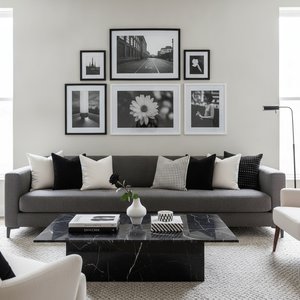
Transform your new home with the timeless allure of black and white photography. TopImpressionists.com specializes in elegant monochrome decor and custom hand-painted wedding portraits that turn cherished milestones into lasting, soulful masterpieces. Elevate your space with ease.

Discover why black & white photography remains a powerful force in contemporary art. Explore the impact of light, shadow, and texture through a visual journey of monochrome mastery and learn how to elevate your space with timeless grayscale aesthetics.


第一时间获取最新的艺术新闻、独家优惠及装饰灵感。
向我们介绍您的项目需求,我们的艺术专家将为您提供 3 个个性化的艺术品推荐。
由我们的专家为您精选 3 款心仪之作 —— 完全免费!


 效果预览
效果预览
 购买手绘画作
 分享
分享 分享
分享
 详情
详情

 下载
下载
 相似作品
相似作品 X射线
X射线 幻灯片播放
幻灯片播放 展开详情
展开详情









 玻璃选项仅适用于110厘米以下的尺寸。


