





























从与原作比例一致的预设尺寸中进行选择。

您可以输入自定义尺寸,以适配特定的画框或空间。如果所选尺寸与原图比例不符,我们将通过裁剪作品或添加手绘元素来扩展画面。数字样稿将在制作开始前发送给您确认。
请注意,屏幕预览无法准确反映实际的裁剪或扩展效果,只有样稿才能真实呈现最终的构图。
虽然我们提供定制尺寸服务,但为了保留原作比例,建议您从预设列表中选择尺寸。

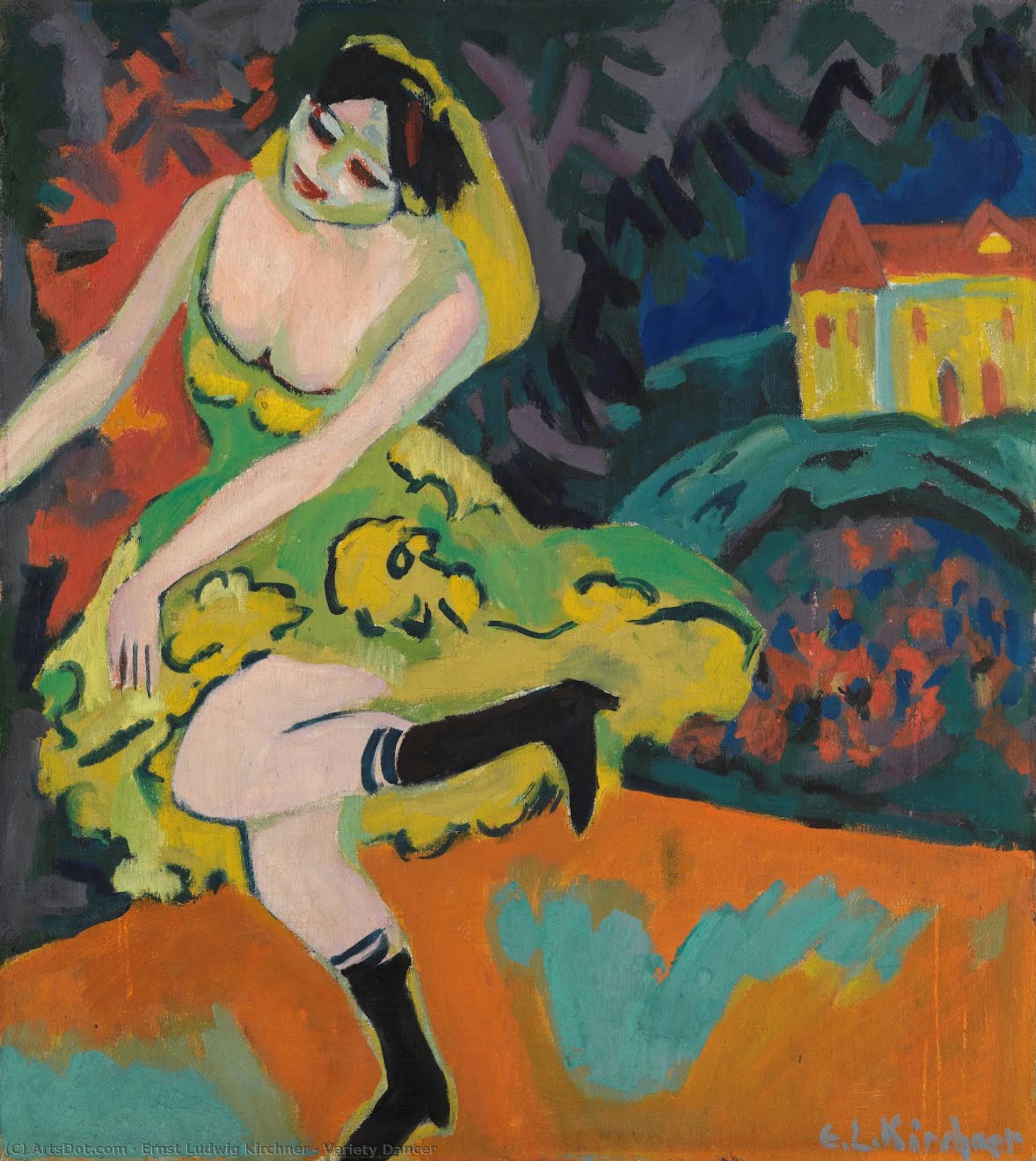
Variety Dancer
复制品尺寸
Ernst Ludwig Kirchner's 1913 painting, “Street, Berlin,” isn’t merely a depiction of a city street; it’s a visceral embodiment of the anxieties and alienation simmering beneath the surface of early 20th-century urban life. Painted during a period of immense social and political upheaval – just months before the outbreak of World War I – the work captures a moment of frenetic energy, yet simultaneously conveys a profound sense of isolation and disorientation. Kirchner, a key figure in the German Expressionist movement, sought to move beyond traditional representational art, aiming instead to express inner emotional states through bold color, distorted forms, and fragmented perspectives. “Street, Berlin” exemplifies this ambition, offering a glimpse into a world where individual identity is swallowed by the overwhelming mass of humanity.
Kirchner's approach to depicting reality was radically different from that of his predecessors. He deliberately distorted forms – faces are rendered as simplified masks, bodies are elongated and compressed – not for aesthetic reasons, but to amplify the emotional impact of the scene. The figures aren’t portraits; they’re embodiments of psychological states. Notice how the women in the foreground, bathed in a sickly yellow light, seem detached and preoccupied, their gazes averted. Their clothing—a vibrant purple dress juxtaposed against the muted tones of the surrounding men—hints at a subtle tension, a potential for connection amidst the chaos.
Technique: Kirchner utilized techniques characteristic of Expressionism: flattened perspective, exaggerated colors, and loose brushwork to create an immediate and emotionally charged response in the viewer. He prioritized conveying feeling over accurate representation, resulting in a powerfully subjective experience.Berlin in 1913 was a city undergoing rapid transformation – industrialization, immigration, and social unrest were reshaping its landscape and challenging traditional values. Kirchner’s “Street, Berlin” reflects this turbulent atmosphere. The painting can be interpreted as a commentary on the dehumanizing effects of urban life, where individuals are reduced to anonymous figures lost in the crowd. The painting was created during a period when German Expressionism was gaining momentum, reacting against the perceived superficiality and complacency of bourgeois society. Kirchner’s work, along with that of his fellow Brücke artists, sought to expose the darker side of modernity – its anxieties, alienation, and potential for violence.
The Brücke Group: Kirchner was a founding member of Die Brücke (The Bridge), an influential group of Expressionist painters who aimed to break away from academic traditions and explore new forms of artistic expression. The group’s name reflected their desire to connect the past with the present, drawing inspiration from both German Romanticism and contemporary avant-garde movements.Beyond its immediate depiction of a bustling street scene, “Street, Berlin” is rich in symbolic meaning. The overwhelming number of figures suggests a sense of anonymity and isolation – individuals lost within the collective. The fragmented composition mirrors the fractured state of modern identity, where traditional values are being eroded by the forces of industrialization and urbanization. The painting’s unsettling atmosphere evokes a feeling of unease and foreboding, hinting at the impending doom that would engulf Europe in World War I. It's a powerful meditation on the human condition in an age of rapid change and profound uncertainty.

1880 - 1938 , 德国

Explore the raw emotional power of German Expressionism. From Kirchner to Die Brücke, discover how artists used distortion and vibrant color to unmask the human psyche. A deep dive into art history for the discerning collector and enthusiast.


第一时间获取最新的艺术新闻、独家优惠及装饰灵感。
向我们介绍您的项目需求,我们的艺术专家将为您提供 3 个个性化的艺术品推荐。
由我们的专家为您精选 3 款心仪之作 —— 完全免费!

 效果预览
效果预览
 购买印刷品
购买印刷品 分享
分享 分享
分享
 详情
详情

 下载
下载
 相似作品
相似作品 X射线
X射线 幻灯片播放
幻灯片播放


 展开详情
展开详情









 玻璃选项仅适用于110厘米以下的尺寸。


