

 实景预览
实景预览
 分享
分享 分享
分享
 详情
详情 指南
指南

 下载作品
下载作品
 相似作品
相似作品 X射线
X射线 幻灯片播放
幻灯片播放 问答
问答 统计数据
统计数据arearea


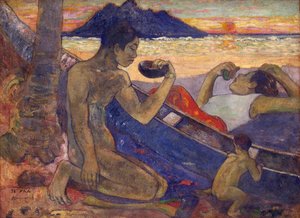
Explore 'arearea' by Paul Gauguin – a vibrant Tahitian masterpiece! Discover Post-Impressionism, bold colors & symbolic depth in this iconic work.
 展开全文
展开全文
巴黎
法国
尤金·亨利·保罗·高更
高更
波尔·高更,后印象主义大师,以大胆的色彩、异域风情的主题和象征主义风格著称。他的作品融合了印象派的影响与对原始文化的探索,创作出《女人与芒果》、《被死灵注视者》等经典之作,深刻影响了现代艺术的发展。
后印象主义, 象征主义
毕加索
卡米耶·皮萨罗
1848
1903
尤金·亨利·保罗·高更
法国
《清晨》
教师
1
高更成为全职艺术家之前从事什么职业?
艺术微喷/版画
博物馆级艺术微喷或帆布版画,制作高效,并提供多种饰面选择。 ( 订购纯手工绘制画作 切换至数字图像销售渠道)




P118B ¥10

P118H ¥10

P118W ¥10

P438Z ¥10

P508JH ¥12

P508YH ¥12

P805H ¥10

P805Z ¥10

P919BZ ¥10

P919G ¥10

P919XJ ¥10

P959ZH ¥10

P968JZ ¥12

W106C ¥8

W218G ¥10

W218JH ¥8

W218Y ¥10

W307PJ ¥10

W316G ¥10

W316PJ ¥8

W316Y ¥10

W398PJ ¥8

W4111J ¥10

W500HY ¥15

W500JH ¥15

W692G ¥12

W849H ¥8

W940BG ¥15

W953PJ ¥8




标准尺寸
定制
CM
INCH
您可以从与原作比例一致的预设尺寸中进行选择。
Loading sizes...

宽度
高度
请输入您所需的宽度和高度,以适配您的画框或墙面。由于印刷品只能进行裁剪,无法超出原图尺寸,因此若比例不一致,画面的一部分将会被裁切。在正式印刷之前,我们会为您发送一份数字效果图供您确认。本页面显示的图片并非最终裁剪后的效果——只有效果图才能展示真实的裁剪情况。


 玻璃选项仅适用于110厘米以下的尺寸。

arearea
艺术微喷/版画
复刻品尺寸
-


最终结算价
¥ 470
A Window into Tahitian Life: Exploring Gauguin’s *arearea*
This captivating painting, *arearea*, transports viewers to the lush and enigmatic world of Tahiti as envisioned by Post-Impressionist master Paul Gauguin. A large-scale work brimming with vibrant color and symbolic depth, it offers a compelling glimpse into Polynesian life and spirituality – themes that profoundly influenced the artist during his self-imposed exile from Europe.Subject & Composition: A Moment of Intimacy and Ritual
The composition centers around two figures—a man and a woman—engaged in what appears to be an intimate moment, their connection underscored by the presence of a dog nestled at their feet. This central grouping is framed by a backdrop of activity; partially visible women seem to be engaged in a dance or ritualistic performance. Gauguin deliberately flattens the perspective, eschewing traditional realism for a more emotionally resonant and symbolic representation. The stylized landscape, complete with volcanic rock formations and dense vegetation, further enhances this sense of otherworldliness.Style & Technique: Synthetism and Bold Expression
*arearea* is quintessentially Gauguinesque. It exemplifies his signature style – a move away from the Impressionists’ focus on capturing fleeting moments of light towards Synthetism, where forms are simplified, colors are intensified, and compositions are deliberately constructed to convey emotion rather than objective reality. The application of paint is thick and impastoed, particularly in the foreground, creating a tactile quality that invites close inspection. Lines are bold and expressive, defining shapes with deliberate force. Gauguin’s limited color palette—a masterful interplay of contrasting hues—contributes to the painting's dreamlike atmosphere.Historical Context: Escapism & Primitivism
Born in Paris in 1848, Paul Gauguin initially pursued a career in finance before dedicating himself to art. Disillusioned with European society and seeking inspiration away from its constraints, he traveled to Tahiti in 1891. This journey marked a turning point in his artistic development. He was captivated by what he perceived as the “primitive” beauty of Polynesian culture – a concept that, while problematic through a modern lens, profoundly shaped his art. Gauguin sought to capture not just *what* he saw, but *how* it felt—the essence of Tahitian life and spirituality. His work became a powerful expression of escapism and a rejection of Western materialism.Symbolism & Emotional Impact: Fertility, Love & Connection
The symbolism within *arearea* is rich and layered. The figures are often interpreted as representing fertility, love, and the harmonious connection between humanity and nature. The ritualistic dance in the background hints at ancient beliefs and spiritual practices. Gauguin’s deliberate distortion of perspective and use of non-naturalistic colors contribute to a sense of mystery and enchantment. The painting evokes a feeling of longing, exoticism, and a deep reverence for the natural world. It's not merely a depiction of Tahiti; it is an emotional response—a subjective interpretation filtered through Gauguin’s unique artistic vision.For Collectors & Designers
*arearea*, or high-quality reproductions thereof, offers a striking focal point for any space. Its bold colors and dynamic composition make it suitable for both modern and traditional interiors. The painting's themes of connection to nature and spiritual awakening resonate deeply, adding depth and meaning to the surrounding environment.- Its vibrant palette complements neutral color schemes.
- The large scale makes a statement in expansive rooms.
- The symbolic imagery sparks conversation and contemplation.
常见问题与解答
欧几何亨利·保罗·古尔涅 的《arearea》 的色调是明亮还是深沉?
“arearea”的整体亮度为balanced,其亮度值为Soft Shadow。
欧几何亨利·保罗·古尔涅 的《arearea》 的色彩特征是什么?
欧几何亨利·保罗·古尔涅 的《arearea》 的色彩特征:Dark 色调,以 Driftwood (#bb8a56) 为主导。
在哪里可以找到关于“arearea”的指南?
"arearea" 的指南请参阅作品的 指南 页面 —— 这是一份可打印的信息单,包含了该作品的说明、署名以及详细信息表(艺术家、日期、媒介、原尺寸、馆藏)。
相似作品




艺术家简介
以大胆笔触绘就的一生:高更的世界
尤金·亨利·保罗·高更,这个名字本身便充满了鲜艳的色彩与叛逆的精神,他是从印象派向现代艺术过渡的关键人物。1848年出生于巴黎,他的一生绝非循规蹈矩。他的早年岁月深受一种不同寻常的成长环境影响:父亲是一名记者,而母亲则拥有秘鲁贵族血统——她的祖母弗洛拉·特里斯坦是一位先驱性的女性主义者和社会主义作家,其理想无疑在家族中留下了深远的印记。这种文化传承深刻地塑造了高更的艺术视野,使他对欧洲以外的文化产生了持久的痴迷。1850年,随着家人移居秘鲁,童年时期在那里的生活让他沉浸在一个与巴黎社会截然不同的世界中,这段经历在他心中挥之不去,并最终成为了他在艺术中追求真实性的动力。父亲去世后回到法国,高更接受了正规教育,但他发现自己并不向往学术界,反而被蓬勃发展的金融世界所吸引,开启了证券经纪人的职业生涯——这条道路似乎与等待着他的艺术天命背道而驰。从金融界到艺术天职
多年来,高更过着一种双重生活,在勤勉经营商业事业的同时,暗自培养着对绘画的热爱。起初,他受到印象派的影响,开始在业余时间尝试色彩与光影的运用,但很快便感到受困于他们致力于捕捉现实中转瞬即逝瞬间的局限性。1882年的经济危机成为了一个转折点,迫使他放弃了利润丰厚的职业,全身心地拥抱艺术天职。这不仅仅是职业的转变,更是世界观的根本性重塑。他向卡米耶·皮萨罗寻求指导,后者鼓励了他的发展,并将其引入巴黎的前卫艺术圈。然而,高更很快开始背离印象派的原则,渴望一种更具表现力、更具象征意义的手段——一种不仅能传达他“所见”,更能传达他“所感”的方式。这种渴望引领他踏上了一场艺术探索之旅,带他远离巴黎的沙龙,深入到“原始”文化的腹地。他并不只是对描绘这些文化感兴趣;他试图吸收它们的精髓,坚信其中蕴含着西方文明早已失落的纯真。布列塔尼与大溪地的召唤
高更艺术进化的历程与其旅行轨迹密不可分。他曾在布列塔尼停留,被那里崎岖的景观和根深蒂固的民俗所吸引。这一时期,他开始尝试扁平化的形式、大胆的轮廓线以及构图的简化——这些技术使他进一步远离自然主义,向更具象征性的语言靠拢。然而,真正释放其创作潜能的是1s1891年的大溪地之旅。为了逃避他所认为的欧洲文明那令人窒息的束缚,高更希望在波利尼西亚文化中寻找灵感,相信那里提供了一种更纯粹、更真实的生活方式。这不仅仅是一场艺术追求,更是一场精神探寻。他沉浸在当地的风俗与信仰之中,通过自己独特的视角描绘波利尼西亚女性、风景以及宗教仪式。受日本版画——日本主义——以及中世纪艺术的影响,他发展出了一种以鲜艳色彩、异域主题和神秘气息为特征的独特美学。“女人与芒果”、“被死灵注视者”以及“众神之日”等经典杰作均诞生于这一时期,巩固了他作为远见艺术家的地位。他的色彩运用变得愈发大胆且非自然主义,其目的不再是复制现实,而是为了表达情感与精神内涵。遗产与争议
尽管取得了艺术上的突破,高更的一生却往往充满了艰辛。在塔希提以及后来定居的马奎萨斯群岛期间,他一直与经济困难和日益衰弱的健康状况作斗争。然而,他依然保持着高产的创作状态,不懈地探索生命、死亡与精神性的主题。1903年,他逝世于马奎萨斯群岛偏远的希瓦奥阿岛,当时他的天才尚未得到广泛认可。直到去世后,高更的作品才开始获得应有的赞誉。如今,他被视为现代艺术发展史上的关键人物,连接了印象派与象征主义,并为野兽派等运动铺平了道路。他对色彩的使用、简化的形式以及象征性的意象深刻影响了毕加索、亨利·马蒂斯以及无数后世艺术家。然而,由于其个人生活中的某些方面——特别是他与年轻波利尼西亚女性的关系——高更仍是一个充满争议的人物,这些问题在当代伦理考量下持续引发讨论与重新解读。尽管如此,他的艺术贡献是不容置疑的,他的遗产继续激励着全世界的艺术家和艺术爱好者。他是一位真正的创新者,一个敢于挑战传统并开辟自身道路的叛逆者,留下了一部如其人本身般迷人且神秘的艺术瑰宝。核心影响与艺术特征
- 印象派:早期在色彩与光影方面的影响,后因其过于关注转瞬即逝的现实而被他摒弃。
- 日本主义:启发了扁平化的透视、大胆的轮廓线以及装饰性的图案。
- 中世纪艺术:影响了其象征性的意象表达及对严格写实主义的拒绝。
- 综合主义:由高更发展的一种风格,强调基于主观经验而非客观观察来进行艺术创作。
- 原始主义:对非西方文化的痴迷,相信它们提供了更真实、更具精神性的生活方式,这体现在他的题材选择与风格特征之中。

欧几何亨利·保罗·古尔涅
1848 - 1903 , 法国
艺术家简介
- Artistic Movement Or Style: 印象派、象征主義
- Artists Who Influenced This Artist: ['卡米爾·柯羅']
- Date Of Birth: 1848年6月7日
- Date Of Death: 1903年5月8日
- Full Name: Eugène Henri Paul Gauguin
- Nationality: 法國人
- Notable Artworks:
- 清輝
- 瓦希尼·諾·泰米
- Place Of Birth: 巴黎,法國
相关文章

Capturing the Light: A Journey Through the Ethereal Magic of Impressionism and Post-Impressionism
Embark on a cultural journey through the luminous world of Impressionism. Discover the profound beauty of Monet, Van Gogh, and Cézanne through expert art history insights and explore how to bring these timeless masterpieces into your home with museum-quality hand-painted reproductions.

Beyond the Light: Discovering the Soul and Emotional Depth of Post-Impressionism
Embark on a cultural journey through Post-Impressionism. Discover the profound emotional depth of masters like Van Gogh and Cézanne, exploring how they moved beyond light to capture the very soul of human experience through vibrant color and symbolic form.
探索按主题、风格和特征分类的艺术作品。


