


 实景预览
实景预览
 发送
发送 分享
分享
 详情
详情 指南
指南

 下载图片
下载图片
 相似作品
相似作品 X射线
X射线 幻灯片播放
幻灯片播放 统计数据
统计数据Against the Light
 Oil
Oil- WallArt
 1912
1912- Modern
 45.0 x 33.0 cm
 布宜诺斯艾利斯国家美术馆
A tranquil sunset landscape featuring a serene forest and mountains by Argentine Impressionist Faustino Eugenio Brughetti, capturing the warmth of 1912 through soft light and inviting you to bring this peaceful scene home.
Explore the Impressionist landscapes & still lifes of Faustino Eugenio Brughetti (1877-1955), a key figure in early 20th century Argentine painting. Discover his serene style and European influences.
 阅读全文
阅读全文
艺术微喷/版画
博物馆级艺术微喷或帆布版画,制作高效,并提供多种饰面选择。 ( 订购此收藏品的纯手工复刻画作 切换至数字图像销售渠道)




P118B ¥10

P118H ¥10

P118W ¥10

P438Z ¥10

P508JH ¥12

P508YH ¥12

P805H ¥10

P805Z ¥10

P919BZ ¥10

P919G ¥10

P919XJ ¥10

P959ZH ¥10

P968JZ ¥12

W106C ¥8

W218G ¥10

W218JH ¥8

W218Y ¥10

W307PJ ¥10

W316G ¥10

W316PJ ¥8

W316Y ¥10

W398PJ ¥8

W4111J ¥10

W500HY ¥15

W500JH ¥15

W692G ¥12

W849H ¥8

W940BG ¥15

W953PJ ¥8




标准尺寸
定制
CM
INCH
您可以从与原作比例一致的预设尺寸中进行选择。
Loading sizes...

宽度
高度
请输入您所需的宽度和高度,以适配您的画框或墙面。由于印刷品只能进行裁剪,无法超出原图尺寸,因此若比例不一致,画面的一部分将会被裁切。在正式印刷之前,我们会为您发送一份数字效果图供您确认。本页面显示的图片并非最终裁剪后的效果——只有效果图才能展示真实的裁剪情况。


 玻璃选项仅适用于110厘米以下的尺寸。

Against the Light
艺术微喷/版画
复刻品尺寸说明
-


总计金额
¥ 464
相关艺术品


艺术家简介
The Luminous Legacy of Faustino Eugenio Brughetti
In the golden light of the early twentieth century, a profound transformation swept through the Argentine art scene, and at its heart stood Faustino Eugenio Brughetti. Born in Buenos Aires in 1877, Brughetti was a man of dual sensibilities, possessing both the precision of a painter and the soul of a musician. He inherited an innate appreciation for visual harmony from his father, Lorenzo Brughetti, an architect whose influence provided the structural foundation upon which Faustino would build his ethereal, atmospheric worlds. His early years in Argentina were marked by a rigorous academic discipline, yet there was always a restless yearning within him to capture something more fleeting than mere form—to grasp the very essence of light as it dances across the Pampas.
This quest for luminosity led him on a transformative journey to Paris in 1896. Immersed in the vibrant, avant-garde atmosphere of the Académie Julian, Brughetti found himself at the epicenter of a revolution. It was here that he encountered the profound tenets of Impressionism, absorbing the techniques of masters like Claude Monet and Pierre-Auguste Renoir. He learned to see not just objects, but the way light dissolves edges and how color can evoke the warmth of a summer afternoon or the cool mist of dawn. This European immersion did not alienate him from his roots; rather, it provided him with a sophisticated vocabulary to translate the Argentine landscape into a universal language of emotion and atmosphere.
A Symphony of Light and Landscape
Upon his return to South America, Brughetti’s work began to reflect a unique synthesis of European technique and local sentiment. His canvases became windows into the serene beauty of the Argentine countryside, characterized by a delicate touch and a soft, nuanced palette. He moved beyond simple representation, employing luminism and plein air techniques to capture the ephemeral qualities of the natural world. Whether he was depicting the vast, rolling plains or the intimate details of a still life, his brushstrokes remained fluid and expressive, inviting the viewer to experience the sensory richness of the moment.
His repertoire was remarkably diverse, showcasing an ability to find majesty in both the grand and the mundane:
- Landscape Painting: His most celebrated contributions involve the sweeping vistas of the Pampas, where he utilized soft color transitions to convey depth and the shifting moods of the sky.
- Genre Scenes: Works such as “Lavanderas” (1900) demonstrate his skill in capturing human rhythm and daily ritual, imbuing everyday labor with a sense of poetic dignity.
- Still Lifes and Portraits: Through careful attention to texture and light, he brought a quiet, contemplative energy to smaller-scale compositions, often exploring the interplay of shadow and brilliance.
- Religious and Social Themes: Pieces like “Procesión” reveal his ability to weave communal spirit and cultural tradition into his impressionistic framework.
Historical Significance and Enduring Spirit
The significance of Faustino Eugenio Brughetti extends far beyond the borders of Argentina. He acted as a vital bridge between the classical traditions of the nineteenth century and the modern, light-filled explorations of the twentieth. By integrating the sophisticated Impressionist methods learned in Paris with the distinct light and subject matter of his homeland, he helped define a national aesthetic that was both deeply local and internationally relevant. His work remains a testament to the power of observation and the enduring beauty of the natural world.
Though he passed away in 1956, leaving behind a legacy etched in oil and light, Brughetti’s influence continues to resonate. He taught subsequent generations of artists that painting is not merely about documenting reality, but about capturing the feeling of reality—the way a shadow falls, the way the air grows heavy before a storm, and the way light can turn a simple landscape into a profound spiritual experience. Today, his works stand as cherished treasures in collections, reminding us of a period when art sought to harmonize the human spirit with the infinite beauty of the earth.

Faustino Eugenio Brughetti
1877 - 1955 , Argentina
快速概览
- Full Name: Faustino Eugenio Brughetti
- Nationality: Argentine
- Date Of Birth: 1877
- Date Of Death: 1955
- Place Of Birth: Buenos Aires, Argentina
- Notable Artworks:
- Lavanderas
- Procesión
- Artistic Movement Or Style: Impressionism
- Artists Who Influenced This Artist:
- Thibon de Libian
- Ramón Silva
- Artists Or Movements Influenced By This Artist: ['Florian Paucke']
相关文章
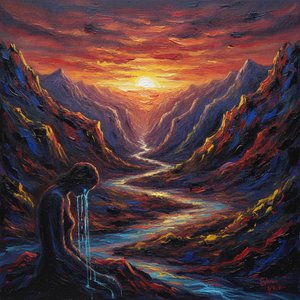
Capturing Emotion: A Journey Through the Soul of Expressionist Landscapes
Explore the profound emotional depth of Expressionist landscapes. Discover how Post-Impressionist masters moved beyond light to capture the soul through vibrant color and form. A curated journey for true art lovers seeking the beauty of expressive mastery.