


 实景预览
实景预览
 发送
发送 分享
分享
 详情
详情 指南
指南

 下载图片
下载图片
 相似作品
相似作品 X射线
X射线 幻灯片播放
幻灯片播放 统计数据
统计数据The Rat
 Oil On Canvas
- WallArt
- Impressionism
 19th Century
 81.0 x 34.0 cm
 阿什莫利博物馆
A dynamic Impressionist oil painting by Félix Pissarro captures a large rat foraging through vibrant squash plants with expressive impasto textures, inviting you to explore this evocative piece of French art history.
Explore the evocative landscapes & poetic spirit of Félix Pissarro – a French Impressionist master influenced by his father, Camille. Discover his legacy in art!
 阅读全文
阅读全文
手工油画复制品
由我们的艺术家按需定制,为您提供您所选尺寸及画框的布面手工油画。 ( 切换至版画销售渠道 切换至数字图像销售渠道)




P118B ¥10

P118H ¥10

P118W ¥10

P438Z ¥10

P508JH ¥12

P508YH ¥12

P805H ¥10

P805Z ¥10

P919BZ ¥10

P919G ¥10

P919XJ ¥10

P959ZH ¥10

P968JZ ¥12

W106C ¥8

W218G ¥10

W218JH ¥8

W218Y ¥10

W307PJ ¥10

W316G ¥10

W316PJ ¥8

W316Y ¥10

W398PJ ¥8

W4111J ¥10

W500HY ¥15

W500JH ¥15

W692G ¥12

W849H ¥8

W940BG ¥15

W953PJ ¥8




标准尺寸
定制
CM
INCH
您可以从与原作比例一致的预设尺寸中进行选择。
Loading sizes...

宽度
高度
请输入您需要的宽度和高度,以适配您的画框或墙面。由于作品为手工绘制,若您选择不同的尺寸比例,艺术家可能会在画面边缘多画一些或稍作裁剪 —— 由您决定。在开始绘画之前,我们会为您发送一份数字效果图供您确认。本页面上展示的图片并非最终实物 —— 只有效果图才能反映真实结果。
可定制示例:将面部替换为客户照片;添加宠物(例如,将猫替换为狗);在背景中加入隐藏信息;更改背景风景或元素。
下单后,TopImpressionists.com 团队将通过电子邮件联系客户获取具体要求,并提供效果预览图
下单后,TopImpressionists.com 团队将通过电子邮件联系客户获取具体要求,并提供效果预览图


 玻璃选项仅适用于110厘米以下的尺寸。

The Rat
复制品材质
复刻品尺寸说明
-


总计金额
¥ 1806
相关艺术品


艺术家简介
A Legacy Painted in Light and Shadow
The story of Félix Pissarro is one deeply woven into the very fabric of the Impressionist movement, a narrative defined by the interplay of familial heritage and the pursuit of atmospheric truth. As the son of the legendary Camille Pissarro, Félix was born into an environment where the boundaries between life and art were perpetually blurred. His early years were steeped in the pastoral splendor of rural France, from the rugged coasts of Normandy to the sun-drenched landscapes of Provence. These settings provided more than just scenery; they served as his primary instructors, teaching him to observe the subtle shifts in light and the delicate gradations of color that define the fleeting moments of existence.
Growing up in the shadow of a master, Félix did not merely inherit a name but an artistic philosophy. The commitment to plein air painting—the practice of capturing nature directly from the outdoors—was a foundational element of his upbringing. This devotion to authenticity allowed him to develop a style that, while deeply influenced by his father’s pioneering explorations, possessed its own unique sensitivity to the nuances of everyday life. Rather than reaching for grand historical narratives or dramatic, staged subjects, Félix found profound beauty in the ordinary, transforming quiet landscapes and simple genre scenes into canvases brimming with luminous energy.
The Impressionist Spirit and Technical Evolution
Félix’s entry into the professional art world was marked by his involvement with the Société des Beaux-Arts in Paris in 1863. This period placed him at the heart of a burgeoning revolution, where he worked alongside titans such as Claude Monet, Pierre-Auguste Renoir, and Alfred Sisley. These collaborations were instrumental in refining his technique, particularly in his ability to capture the ephemeral dance of light across various textures. His work began to exhibit the hallmarks of the Impressionist movement: a focus on spontaneous brushwork, an emphasis on the perception of color over rigid line, and a profound respect for the atmospheric qualities of a scene.
As his career progressed, particularly during his long residency in Aix-en-Provence from 1874 onwards, Félix’s artistic vision underwent a fascinating evolution. The vibrant, intense hues of the Provençal landscape invited a deeper exploration of color theory. Influenced by the scientific approach to light championed by Georges Seurat, he began to experiment with elements of Neo-Impressionism. This transition did not represent a departure from his roots but rather an expansion of them; even as he adopted more structured approaches to color, he retained that core Impressionist sensibility—the ability to evoke the feeling and warmth of a specific moment in time.
A Versatile Visionary
The breadth of Félix Pissarro’s artistic output is a testament to his versatility and his unwavering curiosity about the world around him. His repertoire was remarkably diverse, ranging from intimate portraits and quiet interiors to sweeping landscapes and lively genre scenes. He possessed a unique ability to document the changing face of France, notably capturing the bustling energy and architectural transformations of Paris during the Belle Époque. Through his eyes, we see a world in motion, captured with a meticulous attention to detail that never sacrificed the emotional resonance of the subject.
His technical mastery is perhaps most evident in his use of texture and light. Whether it was the soft, hazy glow of an autumn morning or the sharp, vibrant contrast of sunlight hitting garden plants, Félix used his brush to create a tactile experience for the viewer. His works serve as more than mere depictions; they are emotional landscapes that invite the observer to linger within the light and shadow he so masterfully balanced. Today, his legacy remains a vital part of the Impressionist tapestry, reminding us of the profound beauty found in the quiet, unobserved corners of our world.

快速概览
- Artistic Movement Or Style: Impressionism
- Artists Or Movements Influenced By This Artist: ['Neo-Impressionism']
- Artists Who Influenced This Artist: ['Camille Pissarro']
- Date Of Birth: November 1874
- Date Of Death: December 1950
- Full Name: Félix Nadar
- Nationality: French
- Notable Artworks:
- View at Hemiksem
- Portrait of Felix Pissarro
- Place Of Birth: Paris, France
相关文章

Capturing the Soul: The Most Emotionally Moving Impressionist and Post-Impressionist Masterpieces
Discover the profound emotional depth of Impressionist and Post-Impressionist masterpieces. Explore how legends like Monet, Van Gogh, and Gauguin captured light and soul through evocative landscapes and vibrant brushwork for a timeless connection to art history.
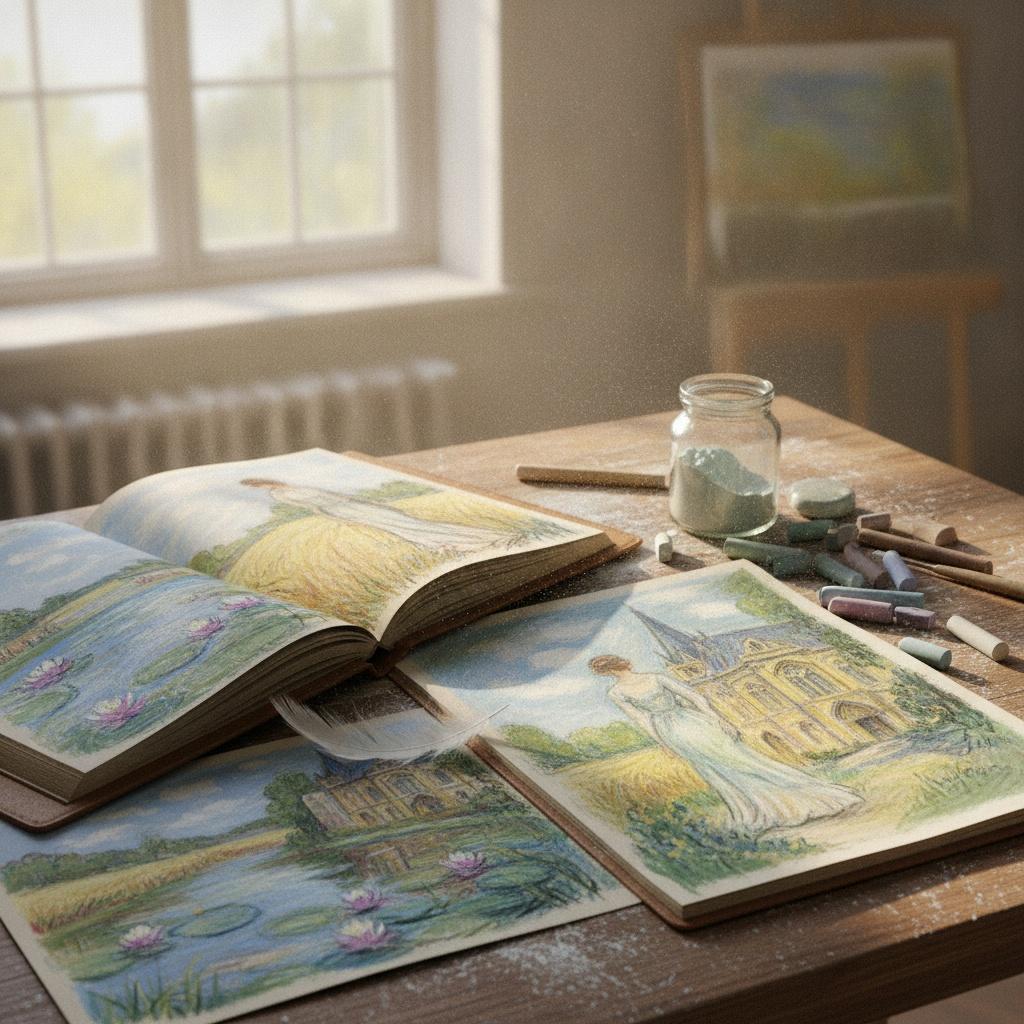
The Soft Magic of Chalk: Capturing Light, Texture, and the Ethereal Soul of Impressionist Masterpieces
Discover the ethereal beauty of pastel and chalk art. Explore how Impressionist masters like Van Gogh and Degas captured light and texture to create timeless, soulful masterpieces for the discerning collector.

The Timeless Charm of Oil on Board: Reimagining Texture and Light through the Impressionist Lens
Discover the profound intimacy of oil on panel. Explore how Impressionist masters used rigid supports to capture light, texture, and impasto depth through exquisite, handmade oil reproductions for discerning collectors.

The Tactile Soul of Impressionism: Elevating Interiors with the Depth of Impasto and Plaster Art
Discover the sensory beauty of Impressionist texture. Learn how impasto brushstrokes and plaster art bring depth and light to your home with museum-quality, hand-painted reproductions from TopImpressionists.com.

The Vibrant Soul of Acrylic on Canvas: A Guide to Modern Texture and Color in the Impressionist Tradition
Discover the luminous beauty of acrylics through an Impressionist lens. Explore expert guides on texture, impasto, and color vibrancy to bring the soulful light of masters like Monet and Van Gogh into your home with premium, hand-painted canvas reproductions.