
 Oil On CanvasWallArtBaroque
 1650Early Modern
 130.0 x 161.0 cm
 Gallerie dell'Accademia




























从与原作比例一致的预设尺寸中进行选择。

您可以输入自定义尺寸,以适配特定的画框或空间。如果您选择的尺寸与原图比例不符,我们将对作品进行裁剪,或通过镜像填充/纯色填充边缘的方式来扩展图像。在开始制作之前,我们会向您发送一份数字效果图供您确认。
请注意,屏幕上的预览并不能反映实际的裁剪或扩展效果。只有效果图才能准确展示最终的构图。
虽然我们提供定制尺寸,但为了保持原图比例,我们建议您从预设列表中选择尺寸。

Perseus Beheading Medusa
复制品尺寸
To stand before Perseus Beheading Medusa by Francesco Maffei is to be plunged headfirst into the raw, visceral energy of classical mythology. This monumental canvas does not merely depict a story; it captures a precise, breathtaking moment of divine violence and necessary heroism. The air itself seems thick with drama—the clash of steel against serpentine horror, the weight of fate settling upon the figures surrounding the central act. Maffei masterfully orchestrates this chaos, drawing the viewer into the immediate aftermath of Perseus’s decisive blow. Observe the tension coiled in every limb, the dramatic sweep of the drapery catching the implied light, and the sheer narrative force emanating from the composition.
Painted around 1650, this work sits comfortably within the vibrant currents of late Mannerism bleeding into early Baroque drama. While the subject matter is rooted in ancient Greek legend, Maffei’s execution possesses a distinctly Counter-Reformation flair—a heightened sense of emotion and theatricality that characterized Italian art of the mid-seventeenth century. The technique employed suggests a rich application of oil paint, allowing for both luminous skin tones and deep, dramatic shadows within the swirling backdrop of clouds. The composition is anything but static; it pulses with implied motion. Notice how the surrounding figures—the onlookers, the supporting characters—are not mere decoration, but active participants in the emotional fallout of this pivotal moment.
The narrative itself is steeped in potent symbolism. Perseus, the slayer of Medusa, embodies the triumph of order over monstrous chaos. Medusa, with her petrifying gaze, represents primal danger or forbidden knowledge. The act of beheading is not simply an execution; it is a necessary rite of passage, a confrontation with the terrifying aspects of nature or self that must be overcome for heroism to emerge. For the collector or decorator, this piece offers more than just mythological grandeur; it speaks to themes of courage, transformation, and the enduring human struggle against overwhelming odds. The inclusion of multiple figures adds layers of commentary—witnesses to history, perhaps, or allegories of virtue observing vice.
Considering its substantial size of 130 x 161 cm, this reproduction is designed not merely to hang on a wall, but to anchor a room with the gravitas of an epic fresco. For those seeking art that commands attention and sparks conversation, Maffei’s vision provides unparalleled depth. Whether placed above a grand mantelpiece or within a richly paneled salon, its dramatic intensity elevates any interior space from mere dwelling to a stage for contemplation. Owning this piece is acquiring a tangible echo of Renaissance and Baroque storytelling—a breathtaking portal into the heart of classical myth.
Born in Bruges around 1523 and passing away in Florence in 1605, Johannes Stradanus – also known as Jan van der Straet or Giovanni Stradano – stands as a pivotal figure bridging the artistic currents of the Northern Renaissance with the burgeoning dynamism of Italian Mannerism. His life was one of constant movement, a testament to his ambition and intellectual curiosity, ultimately establishing him as a remarkably versatile artist active across Flanders, Italy, and beyond. Stradanus wasn’t merely a painter; he was a designer, printmaker, tapestry weaver, and even a decorator for the Medici court – a true polymath whose influence resonated throughout Europe.
Stradanus's early training occurred within the workshop of his father, a Flemish painter, followed by studies with Pieter Aertsen in Antwerp. This exposure to the established artistic traditions of Flanders instilled in him a solid foundation in composition and technique. However, it was his relocation to Florence that truly ignited his creative spirit and propelled him towards a distinctly Mannerist style. The vibrant atmosphere of the Florentine art scene, coupled with his encounters with leading artists like Rosso Fiorentino and Pontormo, profoundly shaped his artistic vision. He embraced the Italian penchant for elongated figures, complex spatial arrangements, and an emphasis on emotional expression – characteristics that distinguished him from the more restrained Northern Renaissance aesthetic.
Stradanus quickly established himself as a sought-after artist within the Florentine court. His talent was recognized by the Medici family, who commissioned him for numerous projects, including elaborate altarpieces for prominent churches like Santa Felicita and San Lorenzo. These monumental works showcased his mastery of fresco painting, employing intricate designs and dramatic narratives to convey religious themes. Beyond painting, Stradanus’s skills extended to tapestry design – a highly valued profession at the time – creating opulent fabrics adorned with mythological scenes and allegorical representations for the Medici palace. His ability to seamlessly blend these diverse artistic disciplines cemented his position as a leading figure in Florentine courtly culture.
His influence wasn't limited to Florence; Stradanus traveled extensively, working on commissions throughout Italy, including Rome and Naples. He became involved with the Accademia e Compagnia delle Arti del Disegno, one of the earliest artistic academies established in Florence, reflecting his commitment to professionalizing art practice. He also played a crucial role in the development of printmaking, collaborating with engravers and publishers to disseminate his designs across Europe. His innovative approach to combining engraving and etching on a single plate became increasingly popular, contributing significantly to the spread of Mannerist imagery.
Stradanus’s artistic style is characterized by a sophisticated synthesis of Northern and Italian influences. He retained elements of Flemish realism – particularly in his rendering of figures and details – while embracing the dynamism, elegance, and psychological depth associated with Mannerism. His compositions are often complex and layered, featuring elongated figures, dramatic gestures, and intricate decorative patterns. He skillfully employed color to create a sense of atmosphere and emotional intensity, utilizing subtle gradations and contrasting hues to heighten visual impact.
His printmaking was equally innovative. Stradanus’s engravings were renowned for their precision, detail, and expressive quality. He demonstrated a remarkable ability to capture the nuances of human emotion and movement in his prints, often drawing inspiration from classical mythology and religious subjects. He wasn't simply reproducing existing images; he was actively shaping artistic trends through his designs.
Johannes Stradanus’s legacy extends far beyond his individual works. He served as a crucial bridge between the Northern and Southern Renaissance, facilitating the exchange of ideas and techniques across Europe. His versatility as an artist – encompassing painting, tapestry design, printmaking, and decorative arts – exemplifies the interconnectedness of artistic practices during the 16th century. Stradanus’s contributions to the development of Mannerism and printmaking are particularly noteworthy, shaping the course of European art history. He remains a testament to the dynamism and intellectual curiosity that defined the era, leaving behind a rich body of work that continues to captivate viewers today.

1605 - 1660 , Italy

深入了解Giclée微噴技術:檔案品質、色彩還原的專業解析。探索高檔藝術品複製的細節與保存技巧,為您的收藏提供博物館級別的選擇。專家指導,確保完美呈現原作神韻。

探索巴洛克艺术的辉煌与奢华!TopImpressionists提供精湛的手工油画复制、定制服务和专业艺术咨询,助您将经典作品融入当代室内设计,提升家居品味。投资艺术,传承价值。

Explore the captivating world of vintage art prints! Discover their history, collecting tips & enduring appeal. Expert insights on chromolithography and building a legacy collection with TopImpressionists.

Explore the dramatic world of Baroque art! Discover iconic masters like Caravaggio & Rembrandt, their techniques, and the movement's lasting impact. Expert insights for collectors & enthusiasts at TopImpressionists.
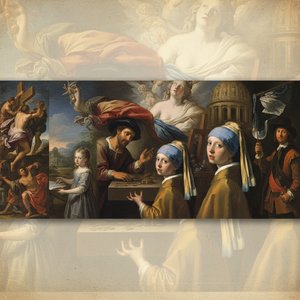
探索巴洛克艺术的辉煌!本文精选十部巨作,带您领略卡拉瓦乔、伦勃朗等大师的光影魔法与戏剧张力。从黄金时代到宗教绘画,感受奢华与精致。TopImpressionists.com为您提供博物馆品质的艺术复制品和家居装饰灵感。尽在TopImpressionists.com!


第一时间获取最新的艺术新闻、独家优惠及装饰灵感。
向我们介绍您的项目需求,我们的艺术专家将为您提供 3 个个性化的艺术品推荐。
由我们的专家为您精选 3 款心仪之作 —— 完全免费!


 效果预览
效果预览
 购买手绘画作
 分享
分享 分享
分享
 详情
详情

 下载
下载
 相似作品
相似作品 X射线
X射线 幻灯片播放
幻灯片播放 展开详情
展开详情









 玻璃选项仅适用于110厘米以下的尺寸。


