
 Art Nouveau
 1940
1940 43.0 x 53.0 cm
从与原作比例一致的预设尺寸中进行选择。

您可以输入自定义尺寸,以适配特定的画框或空间。如果您选择的尺寸与原图比例不符,我们将对作品进行裁剪,或通过镜像填充/纯色填充边缘的方式来扩展图像。在开始制作之前,我们会向您发送一份数字效果图供您确认。
请注意,屏幕上的预览并不能反映实际的裁剪或扩展效果。只有效果图才能准确展示最终的构图。
虽然我们提供定制尺寸,但为了保持原图比例,我们建议您从预设列表中选择尺寸。

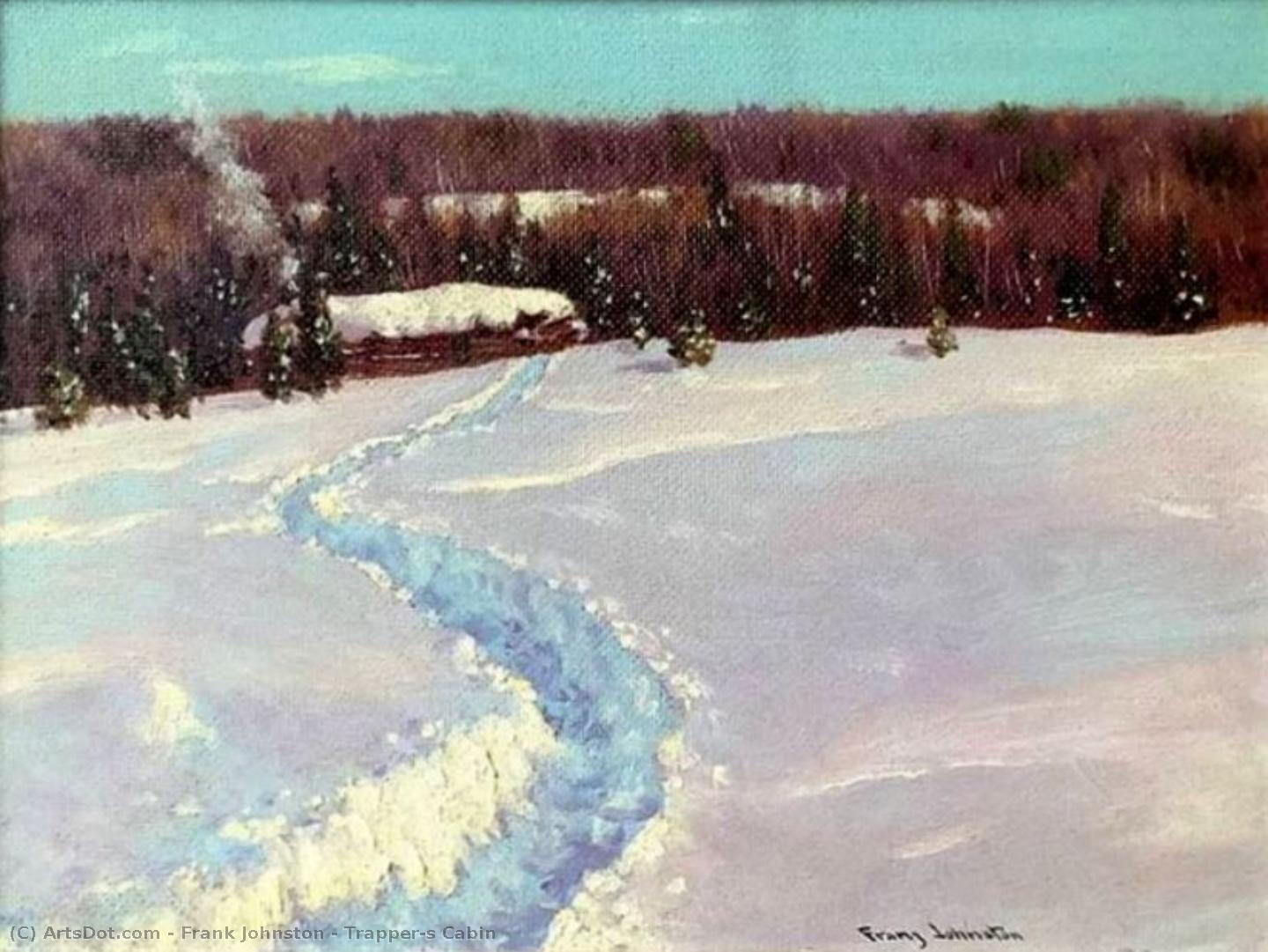
Trapper’s Cabin
复制品尺寸
Vincent van Gogh (1853-1890) remains one of the most recognizable and profoundly influential figures in art history, a testament to the power of raw emotion channeled through brushstrokes. Born in Groot Zundert, Netherlands, into a family with a strong religious background, Van Gogh’s early life was marked by a sense of restlessness and a yearning for purpose that would ultimately drive him toward an unconventional path as an artist. Initially working as an art dealer, he struggled to find success and fulfillment until, at the age of 27, he decided to dedicate himself entirely to painting – a decision that would irrevocably alter both his life and the course of modern art.
Van Gogh’s artistic journey was remarkably short but intensely productive. He developed a distinctive style characterized by bold colors, impasto (thickly applied paint), swirling brushstrokes, and an expressive use of line. His early works, often depicting peasant laborers and rural landscapes, were influenced by the Realist movement and the Dutch Masters. However, he quickly moved beyond mere imitation, seeking to capture not just the appearance of a subject but also its emotional essence. This shift is evident in his series of "Sunflowers," vibrant still lifes that radiate with energy and optimism, and in his depictions of the night sky, which are imbued with a sense of wonder and turbulence.
A pivotal moment in Van Gogh’s career was his move to Paris in 1886. There, he encountered the Impressionist and Post-Impressionist movements, absorbing influences from artists like Monet, Degas, and Toulouse-Lautrec. He experimented with brighter colors, looser brushwork, and a greater emphasis on capturing fleeting moments of light and atmosphere. However, it was his time in Arles, Southern France, in 1888, that produced some of his most iconic works – including “Bedroom in Arles,” “The Starry Night Over the Rhone,” and the celebrated "Sunflowers" series. This period marked a peak in his creative output, fueled by a desire to establish an artist’s colony alongside Paul Gauguin, though this collaboration ultimately ended in tragedy.
Van Gogh's artistic development was shaped by a complex interplay of influences. Initially drawn to the realism of Dutch masters like Rembrandt and Millet, he gradually embraced the Impressionist techniques of capturing light and color. The Symbolist movement, with its focus on subjective experience and emotional expression, also played a significant role in his evolving style. Notably, he was deeply affected by Japanese woodblock prints, which introduced him to bold compositions, flattened perspectives, and simplified forms – elements that would later become integral to his own work.
Crucially, Van Gogh’s artistic vision wasn't solely derived from external sources. He possessed a highly developed sense of observation and an intense emotional sensitivity. His paintings are not simply representations of the world but rather expressions of his inner state – his joys, sorrows, anxieties, and spiritual yearnings. This intensely personal approach to art distinguishes him from many of his contemporaries and contributes significantly to the enduring power of his work.
Van Gogh’s oeuvre encompasses a remarkable range of subjects, including portraits, landscapes, still lifes, and interiors. However, certain themes recur throughout his paintings, reflecting his core concerns and artistic interests. These include: the beauty of nature, particularly the rural landscapes of Provence; the dignity of labor and the lives of ordinary people; the solace found in religious faith; and the experience of mental illness and emotional turmoil.
Some of his most celebrated works include “The Potato Eaters” (1885), a poignant depiction of peasant life; "Self-Portrait with Bandaged Ear" (1889), a haunting image that reveals the artist’s struggles with mental health; and, of course, the series of “Sunflowers,” which are renowned for their vibrant colors and expressive brushwork. His later works, painted during his stay at Saint-Paul-de-Mausole asylum in 1889, are characterized by a heightened sense of intensity and emotional vulnerability – culminating in masterpieces like "The Starry Night."
Despite achieving little commercial success during his lifetime, Vincent van Gogh’s work has since become universally recognized as one of the most important achievements in art history. His innovative techniques, expressive style, and deeply personal vision profoundly influenced generations of artists, paving the way for movements such as Expressionism and Fauvism.
Van Gogh's legacy extends far beyond the realm of painting. He is now celebrated as a symbol of artistic genius, emotional honesty, and the transformative power of creativity. His life story – marked by hardship, struggle, and ultimately tragic loss – continues to resonate with audiences worldwide, reminding us of the enduring value of human experience and the importance of pursuing one’s passions.
Today, Van Gogh's paintings are displayed in major museums around the world, attracting millions of visitors each year. His work serves as a powerful reminder that art can transcend boundaries, connect people across cultures, and offer profound insights into the human condition.

1888 - 1949 , Canada


第一时间获取最新的艺术新闻、独家优惠及装饰灵感。
向我们介绍您的项目需求,我们的艺术专家将为您提供 3 个个性化的艺术品推荐。
由我们的专家为您精选 3 款心仪之作 —— 完全免费!

 效果预览
效果预览
 购买手绘画作
 分享
分享 分享
分享
 详情
详情

 下载
下载
 相似作品
相似作品 X射线
X射线 幻灯片播放
幻灯片播放 展开详情
展开详情






































 玻璃选项仅适用于110厘米以下的尺寸。


