


 实景预览
实景预览
 发送
发送 分享
分享
 详情
详情 指南
指南

 下载图片
下载图片
 相似作品
相似作品 X射线
X射线 幻灯片播放
幻灯片播放 统计数据
统计数据Salome
 Acrylic On Canvas
- WallArt
- German Symbolism
 1906
1906 92.0 x 114.0 cm
 伦巴赫美术馆
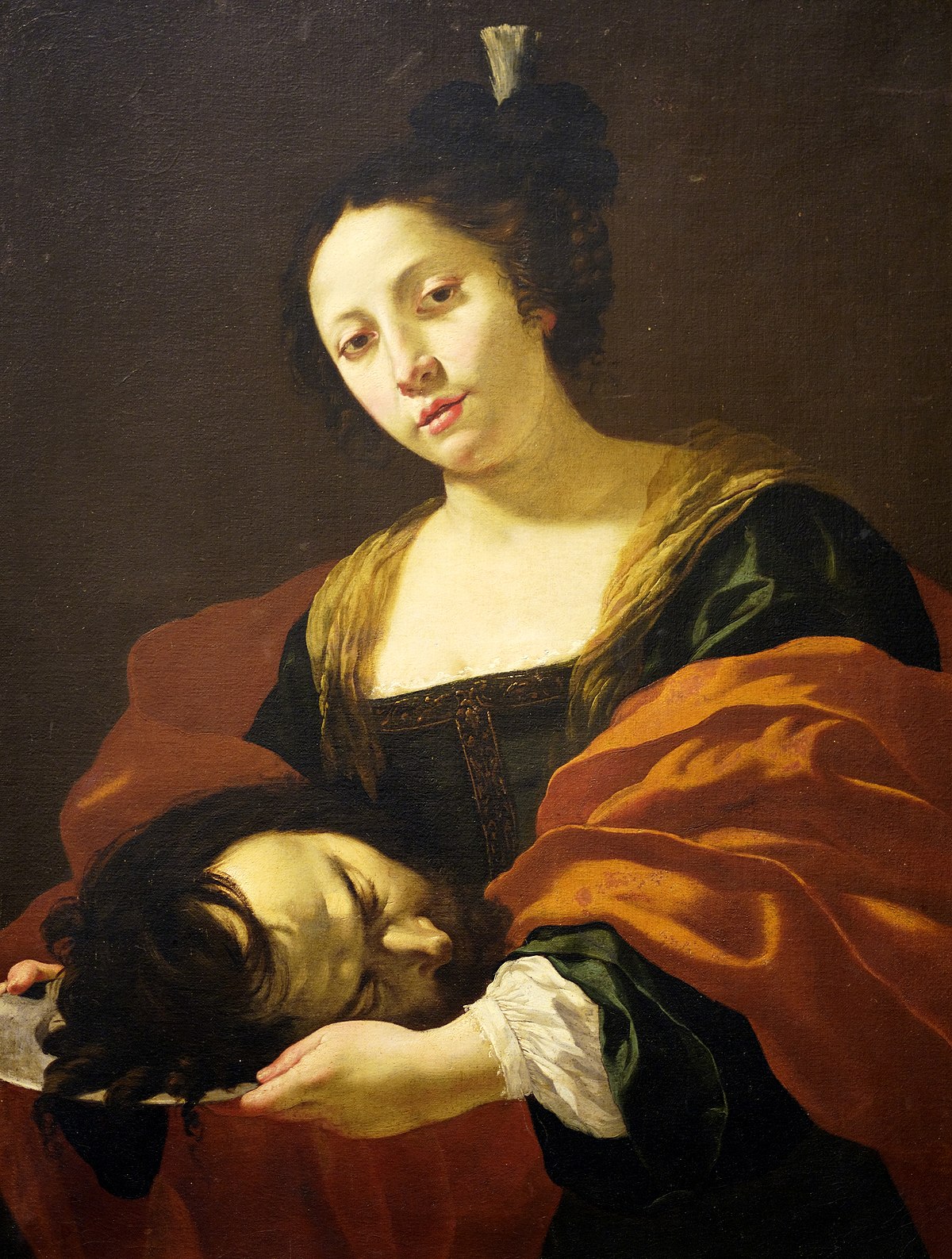
Franz Ritter von Stuck's "Salome" (1906) depicts a captivating dance of desire and tragedy, blending Symbolism with biblical drama. Explore the haunting beauty & dark narrative of this iconic masterpiece.
 阅读全文
阅读全文
Franz von Stuck是德国象征主义绘画大师,作品充满神话色彩和颓废美感。他擅长描绘《罪恶》、《萨洛米》等经典主题,对现代艺术发展产生深远影响,是连接19世纪学院派与新艺术运动的重要桥梁。
手工油画复制品
由我们的艺术家按需定制,为您提供您所选尺寸及画框的布面手工油画。 ( 切换至版画销售渠道 切换至数字图像销售渠道)




P118B ¥10

P118H ¥10

P118W ¥10

P438Z ¥10

P508JH ¥12

P508YH ¥12

P805H ¥10

P805Z ¥10

P919BZ ¥10

P919G ¥10

P919XJ ¥10

P959ZH ¥10

P968JZ ¥12

W106C ¥8

W218G ¥10

W218JH ¥8

W218Y ¥10

W307PJ ¥10

W316G ¥10

W316PJ ¥8

W316Y ¥10

W398PJ ¥8

W4111J ¥10

W500HY ¥15

W500JH ¥15

W692G ¥12

W849H ¥8

W940BG ¥15

W953PJ ¥8




标准尺寸
定制
CM
INCH
您可以从与原作比例一致的预设尺寸中进行选择。
Loading sizes...

宽度
高度
请输入您需要的宽度和高度,以适配您的画框或墙面。由于作品为手工绘制,若您选择不同的尺寸比例,艺术家可能会在画面边缘多画一些或稍作裁剪 —— 由您决定。在开始绘画之前,我们会为您发送一份数字效果图供您确认。本页面上展示的图片并非最终实物 —— 只有效果图才能反映真实结果。
可定制示例:将面部替换为客户照片;添加宠物(例如,将猫替换为狗);在背景中加入隐藏信息;更改背景风景或元素。
下单后,TopImpressionists.com 团队将通过电子邮件联系客户获取具体要求,并提供效果预览图
下单后,TopImpressionists.com 团队将通过电子邮件联系客户获取具体要求,并提供效果预览图


 玻璃选项仅适用于110厘米以下的尺寸。

Salome
复制品材质
复刻品尺寸说明
-


总计金额
¥ 1807
The Enigmatic Dance: Unveiling Franz Ritter von Stuck’s “Salome”
Franz Ritter von Stuck's 1906 painting, "Salome," is not merely a depiction of a biblical episode; it’s a profoundly unsettling and intensely symbolic exploration of desire, power, and the dark undercurrents of human nature. Emerging from the fertile ground of German Symbolism, Stuck masterfully blends classical precision with the dreamlike logic of the subconscious, creating an image that continues to captivate and disturb over a century later. The painting’s immediate impact lies in its dramatic composition – a carefully orchestrated tableau of figures poised on the precipice of violence and obsession. The scene unfolds within a shadowy, almost claustrophobic space, dominated by a towering, ornate architecture suggesting both opulence and impending doom. This isn't a straightforward narrative; it’s an atmosphere saturated with tension, inviting viewers to contemplate the motivations and fates of those involved.
A Symphony of Contrasts: Style, Technique, and Materiality
Stuck’s artistic style is immediately recognizable as a potent blend of Symbolism and Art Nouveau influences. The painting showcases his signature use of rich, jewel-toned colors – deep reds, emerald greens, and shimmering golds – applied with meticulous detail to create an opulent yet unsettling effect. His brushwork is deliberately expressive, employing visible strokes that contribute to the overall sense of drama and movement. Notice particularly the way he renders the textures: the velvet drapery, the polished surfaces of the architecture, and even the glistening skin of Salome herself – all are rendered with a tactile quality that draws the viewer into the scene. The painting was executed in oil on canvas, a medium that allowed Stuck to achieve both luminous color saturation and remarkable textural detail. The use of chiaroscuro—the dramatic contrast between light and shadow—further intensifies the emotional impact, highlighting key figures and obscuring others in an atmosphere of mystery and foreboding.
The Narrative Unfolds: Biblical Context and Symbolism
At its core, “Salome” depicts a pivotal moment from the New Testament – the fulfillment of Herodias’s vengeful plot against John the Baptist. However, Stuck doesn't offer a simple retelling of the story; instead, he delves into the psychological complexities of the characters and imbues the scene with layers of symbolic meaning. Salome herself is not portrayed as a seductive temptress but rather as a figure caught in a web of manipulation and driven by a primal desire for power. The presence of the dark servant, clutching John’s severed head on a platter, introduces an element of grotesque horror – a stark reminder of the brutal consequences of unchecked ambition. The architecture—a blend of Romanesque and Byzantine styles—suggests both grandeur and decay, mirroring the moral corruption at the heart of the narrative. The star-studded night sky serves as a backdrop to this drama, hinting at a realm beyond earthly concerns and perhaps suggesting a connection between life and death.
A “Prince of Art”: Stuck’s Legacy and Artistic Significance
Franz Ritter von Stuck was more than just an artist; he was a cultural phenomenon. Nicknamed the "Prince of Art" during his lifetime, he bridged the gap between academic tradition and the burgeoning currents of modernism. His work explored themes of sin, beauty, and the subconscious with a boldness and emotional intensity that resonated deeply with audiences at the turn of the 20th century. Villa Stuck, his own architectural masterpiece in Munich, stands as a testament to his artistic vision—a lavishly decorated space filled with sculptures, paintings, and intricate details reflecting his fascination with mythology, symbolism, and the darker aspects of human experience. “Salome” is arguably one of his most enduring works, demonstrating his mastery of dramatic composition, evocative color palettes, and profound psychological insight. It remains a powerful and unsettling image that continues to provoke discussion and inspire interpretation.
艺术家简介
巴伐利亚的崛起:弗朗茨·里特·冯·斯图克的一生
弗朗茨·里特·冯·斯图克,一个与德国象征主义充满感染力的力量同义的名字,诞生于1863年的巴伐利亚乡村,并成为他那个时代最具影响力的艺术家之一。 他出生在泰滕维斯,最初注定要追随父亲的脚步成为一名林务员,但年轻的弗朗茨表现出不可否认的艺术倾向,这彻底改变了他的道路。 这种早期的天赋将他带到慕尼黑,首先是1878年进入应用艺术学校,然后是1882-1884年进入美术学院,在那里他受到阿诺德·博克林的迷人神话场景的吸引——一种深刻影响他的艺术视野的形成性影响。 斯图克不仅仅是一位艺术家; 他是一个文化现象,“艺术王子”,正如他在有生之年的所称,弥合了19世纪学术传统与新兴现代主义潮流之间的差距。象征主义大师的崛起
斯图克的声名鹊起非常迅速。 他的突破出现在1889年,作品《天堂守护者》在慕尼黑玻璃宫展出,立即获得评论界的高度赞扬和金奖。 这幅画不仅仅是对技术技能的展示; 它宣告了一种新的艺术声音——一种将古典精确性与神话主题以及象征主义神秘感融为一体的声音。 他很快成为挑战既定规范的核心人物,于1892年与志同道合的艺术家共同创立了慕尼黑分离派,决心摆脱保守的束缚并倡导现代艺术。 这一具有反抗精神的行为恰逢他对雕塑的探索,首次亮相作品《运动员》,展示了他令人印象深刻的多功能性。 然而,《罪恶》(1893年)真正巩固了他作为象征主义绘画大师的声誉,以其戏剧性的强度和心理深度吸引了观众。 这一时期标志着斯图克独特风格的充分发展——一种感性、古典形式和象征共鸣的强大结合。主题与影响:欲望与神话的世界
弗朗茨·冯·斯图克的艺术宇宙中充斥着反复出现的主题,这些主题揭示了他对永恒主题的深刻参与。 神话一直是持续的灵感来源,取材于希腊、罗马和圣经叙事,他以一种独特的方式重新构想了这些叙事。 这些不仅仅是简单的重述; 它们是通过古代故事的视角探索人类状况。 他对感性和femme fatale 的迷恋同样突出,这体现在他对萨洛美的众多描绘中——一个代表欲望、危险和道德模糊的人物。 这些画作不仅仅是关于身体美; 它们深入研究了女性力量的心理复杂性及其诱惑和毁灭的潜力。 所有这些的基础是对古典艺术的深刻尊重,这体现在他一丝不苟的技术、解剖学准确性和构图严谨性上。 除了博克林之外,斯图克还承认前拉斐尔派和古斯塔夫·莫罗的影响,但他不仅仅是模仿者; 他将这些影响综合成一种独一无二的东西,深刻地影响了后代艺术家。遗产与影响:一位教师和一位骑士
1895年,弗朗茨·冯·斯图克承担了另一个关键角色——在慕尼黑学院担任教师。 他成为一名备受尊敬的导师,不仅传授技术技能,还鼓励他的学生探索他们独特的艺术视野。 在他指导下受益的人包括保罗·克利、汉斯·普尔曼和约瑟夫·阿尔伯斯等杰出人物,展示了他影响力的广度。 1895年,他因其对艺术的贡献而获得表彰,成为“里特·冯·斯图克”——证明了他的声望日益提高以及他对德国文化的贡献。 他在整个欧洲继续获得认可,巩固了他在当时作为领先艺术家的地位。 他位于慕尼黑的斯图克别墅现在是一座博物馆,是他一生和作品的持久纪念碑,为他的艺术视野和19世纪末和20世纪初德国的文化氛围提供了宝贵的见解。 他的遗产不仅体现在他的绘画和雕塑中,还体现在他所激励的无数艺术家身上,确保了弗朗茨·冯·斯图克的精神继续在艺术界产生共鸣。主要作品与持久意义
- 春天(1886年): 一幅充满活力的描绘,展示了他早期对色彩和构图的掌握能力。
- 不和谐音(1893年): 一幅令人不安的肖像,通过一位正在演奏小提琴的女性体现了情感动荡。
- 萨洛美(各种版本): 也许是他最标志性的作品,以引人注目的感性和心理深度描绘了圣经故事。
- 运动员(1892年): 一座强大的雕塑,展示了他对三维形式的技能。

弗朗茨·冯·施图克
1863 - 1928 , 德国
快速概览
- Artistic Movement Or Style: 象征主义,新艺术风格
- Artists Or Movements Influenced By This Artist:
- 保罗·克利
- 瓦西里·康定斯基
- Artists Who Influenced This Artist:
- 阿诺德·伯克林
- 前拉斐尔派
- 古斯塔夫·莫罗
- Date Of Birth: 1863年2月23日
- Date Of Death: 1928年8月30日
- Full Name: 弗朗茨·里特·冯·斯图克
- Nationality: 德国国籍
- Notable Artworks (List Of Titles):
- 天堂守护者
- 萨洛梅
- 罪恶
- 运动员
- Place Of Birth (City And Country): 德国特滕维斯
相关文章

The Elegance of Erté: Capturing the Timeless Glamour and Sophistication of Art Deco Style
Immerse yourself in the exquisite world of Erté. Discover how his legendary Art Deco illustrations defined 1920s glamour through unparalleled elegance, symmetry, and fashion artistry. Explore a timeless legacy of luxury for the true art enthusiast.