


 实景预览
实景预览
 发送
发送 分享
分享
 详情
详情 指南
指南

 下载图片
下载图片
 相似作品
相似作品 X射线
X射线 幻灯片播放
幻灯片播放 统计数据
统计数据The Minotaur
 Acrylic On Canvas
- WallArt
- Symbolist Movement
 1885
1885 94.0 x 118.0 cm
 泰特不列顛美术馆
George Frederic Watts’ haunting ‘The Minotaur’ captures the myth's brutality & despair. Inspired by child prostitution, it depicts the creature’s longing, a powerful symbol of primal instincts and suffering.
 阅读全文
阅读全文
探索乔治·弗雷德里克·沃茨(1817-1904)的象征主义艺术。沃茨以《希望》等寓言画和湿壁画闻名,将古典主题与维多利亚时代的美学完美融合。欢迎在 TopImpressionists 探索他的传世杰作。
手工油画复制品
由我们的艺术家按需定制,为您提供您所选尺寸及画框的布面手工油画。 ( 切换至版画销售渠道 切换至数字图像销售渠道)




P118B ¥10

P118H ¥10

P118W ¥10

P438Z ¥10

P508JH ¥12

P508YH ¥12

P805H ¥10

P805Z ¥10

P919BZ ¥10

P919G ¥10

P919XJ ¥10

P959ZH ¥10

P968JZ ¥12

W106C ¥8

W218G ¥10

W218JH ¥8

W218Y ¥10

W307PJ ¥10

W316G ¥10

W316PJ ¥8

W316Y ¥10

W398PJ ¥8

W4111J ¥10

W500HY ¥15

W500JH ¥15

W692G ¥12

W849H ¥8

W940BG ¥15

W953PJ ¥8




标准尺寸
定制
CM
INCH
您可以从与原作比例一致的预设尺寸中进行选择。
Loading sizes...

宽度
高度
请输入您需要的宽度和高度,以适配您的画框或墙面。由于作品为手工绘制,若您选择不同的尺寸比例,艺术家可能会在画面边缘多画一些或稍作裁剪 —— 由您决定。在开始绘画之前,我们会为您发送一份数字效果图供您确认。本页面上展示的图片并非最终实物 —— 只有效果图才能反映真实结果。
可定制示例:将面部替换为客户照片;添加宠物(例如,将猫替换为狗);在背景中加入隐藏信息;更改背景风景或元素。
下单后,TopImpressionists.com 团队将通过电子邮件联系客户获取具体要求,并提供效果预览图
下单后,TopImpressionists.com 团队将通过电子邮件联系客户获取具体要求,并提供效果预览图


 玻璃选项仅适用于110厘米以下的尺寸。

The Minotaur
复制品材质
复刻品尺寸说明
-


总计金额
¥ 1808
The Haunting Echoes of Myth: George Frederic Watts’ “The Minotaur”
George Frederic Watts' "The Minotaur," painted in 1885, isn’t merely a depiction of a monstrous figure from Greek mythology; it’s a profound meditation on primal instincts, the burden of violence, and the tragic consequences of unchecked desire. This oil-on-canvas masterpiece transcends its mythological roots to become a powerfully emotive exploration of the human condition, resonating with viewers even today.
Watts, a prominent figure in the Symbolist movement, rejected the academic conventions of his time, prioritizing emotional intensity and symbolic representation over realistic portrayal. He sought to capture not just what he saw, but what he *felt*, drawing heavily on classical literature – particularly Homer’s *Iliad* – as well as contemporary social anxieties. “The Minotaur” emerged during a period of intense moral debate surrounding the exploitation of women and children, fueled by investigative journalism exposing the horrors of prostitution in Victorian London. This context is crucial to understanding the painting's unsettling power.
A Study in Contrasts: Form and Emotion
The composition immediately commands attention. The Minotaur dominates the foreground, his massive form rendered with a deliberate roughness – not polished or idealized, but imbued with a palpable sense of brute strength and suppressed rage. His head, a grotesque fusion of human and bull, is turned away from the viewer, creating an unsettling sense of detachment and isolation. The artist masterfully employs *profil perdu*, a technique where only part of the figure’s face is visible, intensifying the creature's enigmatic nature.
Notice the stark contrast between the Minotaur’s powerful physicality and the delicate detail lavished upon the small bird crushed beneath his fist. This seemingly insignificant element serves as a potent symbol – representing innocence, vulnerability, and ultimately, destruction. The bird, likely intended to evoke the image of a young maiden, is brutally silenced by the Minotaur's overwhelming force, highlighting the devastating consequences of unchecked aggression.
The Labyrinth of Interpretation: Symbolism and Context
Watts’ choice to depict the Minotaur gazing out towards the sea is particularly evocative. The vast expanse of water suggests a longing for escape, perhaps even a yearning for redemption – an impossible desire given the creature's monstrous nature. The reference to the Athenian tribute—the ritual sacrifice of young people—directly connects the painting to Stead’s exposé and the broader social anxieties of the era. It’s a chilling reminder of the dark undercurrents beneath Victorian society, where beauty and innocence were often corrupted by greed and exploitation.
The myth itself offers layers of interpretation. The Minotaur represents not just brute force, but also the primal instincts that lie dormant within all humanity – the capacity for violence, jealousy, and self-destruction. Watts doesn’t shy away from these darker aspects of human nature, presenting them with unflinching honesty.
A Timeless Masterpiece: Technique and Legacy
Technically, “The Minotaur” is a remarkable achievement. Watts employed a loose, expressive brushstroke, creating a sense of movement and dynamism within the composition. The colors are rich and saturated, contributing to the painting’s dramatic intensity. He deliberately avoided smooth surfaces, opting for a textured effect that emphasizes the physicality of the subject.
Despite its unsettling subject matter, “The Minotaur” remains one of Watts' most celebrated works, admired for its emotional depth, symbolic complexity, and masterful execution. It continues to provoke thought and discussion, serving as a powerful reminder of the enduring relevance of myth and the complexities of human nature. Reproductions of this haunting image offer a captivating glimpse into the Victorian era’s anxieties and Watts’ profound artistic vision.
问答详情
"The Minotaur" 与 乔治·弗雷德里克·沃茨 的其他作品有何共通之处?
"The Minotaur" 与 乔治·弗雷德里克·沃茨 的其他作品一样,都体现了 Symbolist Movement 风格以及其一贯的主题:greek mythology, victorian anxieties, symbolism, social critique, stead’s journalism, child abuse, watts’ allegorical symbolism”, “victorian morality”。
在“The Minotaur”中,融合了怎样的心境与情感?
乔治·弗雷德里克·沃茨 的《The Minotaur》 在整体 Dramatic 的氛围中,传达出一种 Melancholic 的情感。
"The Minotaur" 在 Symbolist Movement 流派中有多高的知名度?
在Symbolist Movement运动中,"The Minotaur"具有Iconic的知名度。
艺术家简介
早年生活与教育
乔治·弗雷德里克·沃茨是象征主义运动中的杰出人物,于1817年2月23日出生于伦敦马里波恩。他的早年生活充满了挑战,不仅身体素质较为脆弱,且在年幼时便失去了母亲。沃茨的父亲是一位钢琴制造师,他为儿子提供了保守的基督教教育,并引导他接触古典文学,包括《伊利亚特》。这种古典主义的影响,后来成为了他艺术风格的重要基石。艺术生涯
沃茨的艺术之旅始于10岁,当时他在威廉·贝恩斯的指导下学习雕塑。18岁时,他正式进入皇家艺术学院深造。1837年,他在学院的首展标志着其多产艺术生涯的开端。- 1843年,他凭借为新议会大厦壁画设计竞赛提交的素描作品《卡拉克塔克斯》荣获一等奖。
- 随后在意大利的旅居(1843-1847)以及与英国大使亨利·福克斯的交往深刻影响了他的艺术风格,这在他1848年展出的《荷兰夫人》肖像画中可见一斑。
- 回到英国后,他受命为议会大厦创作湿壁画,并于1848年至1853年间完成了这一宏伟工程。
象征主义杰作
沃茨最负盛名的作品包括:- 《希望》与《爱与生命》,这些作品旨在构成一个名为“生命之屋”的史诗级象征主义系列。
- 完成于1852至1853年间的《红十字骑士的胜利》(取自《仙后》),展现了他对寓言题材精湛的驾驭能力。
- 他于1864年创作的演员艾伦·泰瑞肖像,完美诠释了他捕捉人物灵魂本质的非凡天赋。
艺术传承
沃茨对艺术界的影响是无可撼动的。他与象征主义运动的紧密联系,以及他在色彩与形式上的创新运用,使他成为了英国艺术史上备受推崇的人物。在 TopImpressionists.com 探索乔治·弗雷德里克·沃茨的更多杰作收藏沃茨作品的博物馆
- 林肯律师学院,馆藏其湿壁画作品《正义:立法者的半圆》。
- 位于英国吉尔福德的沃茨美术馆——艺术家村,致力于保护沃茨及其同时代艺术家的珍贵遗产。

乔治·弗雷德里克·沃茨
1817 - 1904 , 英国
快速概览
- Artistic Movement Or Style: 象征主义
- Artists Or Movements Influenced By This Artist:
- 浪漫主义
- 拉斐尔前派
- Artists Who Influenced This Artist:
- 威廉·贝恩斯
- 亨利·福克斯
- Date Of Birth: 1817年2月23日
- Date Of Death: 1904年7月1日
- Full Name: 乔治·弗雷德里克·沃茨
- Nationality: 英国
- Notable Artworks:
- 希望
- 爱与生活
- 红十字骑士的胜利
- Place Of Birth: 英国,玛里波恩
相关文章
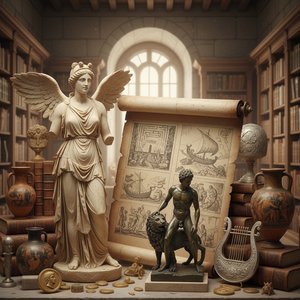
Timeless Legends: A Curated Guide to the Eternal Allure of Mythological Masterpieces
Embark on a sophisticated journey through the eternal allure of mythological art. Discover how master painters breathe life into ancient legends, from Greek deities to Baroque masterpieces, and learn to curate these timeless narratives within your own exquisite art collection.

George Frederic Watts: Symbolism, Spirituality & Victorian Ideal Beauty
Explore the captivating Symbolist art of George Frederic Watts. Discover his allegorical masterpieces, classical influences & spiritual themes. Learn about his legacy and find high-quality reproductions at TopImpressionists.

乔治·布拉克:25幅大师杰作,重塑现代艺术与家居美学 | TopImpressionists
探索乔治·布拉克25幅大师杰作,领略立体主义的魅力与现代艺术的精髓。从早期作品到经典油画,TopImpressionists为您呈现法式优雅与家居装饰灵感。高清艺术复制品,点亮您的空间!立即在TopImpressionists.com发现更多。

The Enduring Legacy of Oil on Canvas: Technique, History & Aesthetic Impact
Explore the rich history & techniques of oil painting – from Renaissance masters to Impressionism. Discover pigments, layering methods, and why this timeless medium endures. Expert insights for artists & art enthusiasts.

乔治·修拉25幅杰作:点彩主义大师的艺术之旅 | TopImpressionists
探索乔治·修拉25幅传世杰作!深入了解点彩画法、后印象派的艺术魅力,感受光与色彩的奇妙。TopImpressionists.com提供高品质修拉作品复制品,为您的家居空间增添经典艺术气息。立即在线探索完整系列!